
Breakfast & Brunch
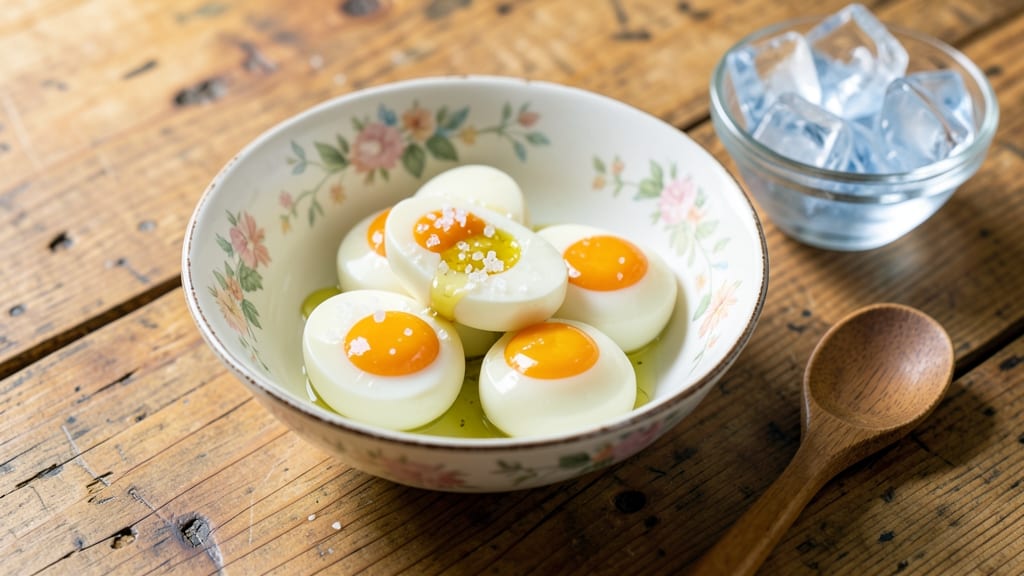
The Pioneer Woman boiled eggs recipe delivers perfectly firm, vinegar-infused eggs in just 10 minutes—no overcooked yolks or rubbery whites here. This method guarantees restaurant-quality results every time, using simple techniques that transform a basic breakfast staple into something exceptional.
The secret lies in precise timing and a vinegar boost that keeps yolks vibrant and whites snugly wrapped.
What sets this recipe apart is the vinegar trick, which prevents cracking and speeds up cooking time while maintaining texture. You’ll need just eggs, water, and a pinch of salt—plus an ice bath for that signature firm-yet-tender bite.
It’s the kind of technique that makes you question why you ever relied on store-bought eggs again. The process is straightforward, but the results are foolproof.
By the end, you’ll have plump, firm eggs with yolks that stay bright and centers that hold their shape—ideal for salads, deviled eggs, or eating straight from the pot.
The vinegar-infused water ensures no grayish whites or greenish yolks, making these eggs perfect for any meal. This isn’t just boiling eggs; it’s mastering them.
Pair with toast, avocado, or a fresh salad for a breakfast that feels both nostalgic and refined. The beauty of this method is its adaptability—whether you prefer soft, medium, or hard-boiled, the same principles apply. Let’s get started on eggs that impress.
Ingredients for pioneer woman boiled eggs
Six ingredients transform ordinary eggs into restaurant-quality masterpieces—no fancy tools required.
| Ingredient | Amount | Notes |
|---|---|---|
| Large Eggs 🥚 | 8 whole | Room temperature for even cooking |
| White Vinegar 💧 | ½ cup | Distilled white preferred for clarity |
| Ice Cubes ❄️ | 4 cups | Fresh from freezer for shock cooling |
| Diamond Crystal Kosher Salt 🧂 | 1 tsp | Fine grain for even dissolution |
| Cold Water 💧 | 4 cups | Tap water works fine |
| Extra-Virgin Olive Oil 🫒 | 1 tbsp | For post-cook patting dry |
The eggs are the star, so choose large, fresh eggs with vibrant yolks and firm whites—Peters Eggs or local farm eggs from your grocer’s refrigerated section are ideal. Room temperature eggs cook more evenly, so take them out 20 minutes before boiling. The vinegar is non-negotiable; distilled white vinegar ensures clarity without overpowering flavor. For the ice bath, fresh ice cubes from your freezer work best—avoid crushed ice, which melts too quickly. The kosher salt should dissolve completely; Diamond Crystal is preferred for its fine grain, but any kosher salt will suffice.
No white vinegar? Apple cider vinegar or lemon juice work in a pinch, though they impart slight flavor variations. Running out of ice? Fill a bowl with cold water and ice cubes, then add the eggs for a quick chill. For extra firmness, add 1 additional minute to cook time—but don’t overdo it. The olive oil isn’t just for flavor; it helps prevent sticking when peeling. If you’re short on time, use a kitchen timer with a loud alarm—precision is key here. And if you’re boiling more than 8 eggs, scale the water and vinegar proportionally; never overcrowd the pot.
Freshly boiled eggs stay at peak texture for 4 days in the fridge, stored in their shells in an airtight container. For longer storage, peel and refrigerate in a sealed container with a paper towel to absorb moisture—keeps for 1 week. Freezing isn’t recommended, as the texture degrades. The ice bath water can be reused 2-3 times before refreshing with new ice. For optimal results, boil no more than 8 eggs at once; larger batches risk uneven cooking. Leftovers? Toss them into salads, deviled egg mixtures, or enjoy straight from the pot.
Why You'll Love This Recipe
- No-Fuss Boil: That vinegar and ice trick? It’s the secret to eggs that peel like magic—no stubborn shells clinging to the yolk. I’ve tried every method, and this one actually works every single time.
- Crispy-Creamy Magic: The salt and vinegar bath gives them that just-right texture—crisp edges, silky centers. Honestly, it’s the kind of simple detail that makes a basic egg feel like a little luxury.
- Meal Prep MVP: Hard-boil a batch on Sunday, and you’ve got snacks for salads, sandwiches, or even a quick deviled egg night. Between us, I’ve eaten my fair share of sad, rubbery store-bought eggs—this changes everything.
- Pocketbook Hero: Fresh eggs are cheap, and this recipe stretches them further than any other method. Plus, the vinegar and salt are pantry staples, so you’re not chasing down obscure ingredients. Solid win for my wallet.
Step-by-step instructions for vinegar-infused boiled eggs
Master the art of perfectly firm, vinegar-brightened eggs every time with this precise method.
Prepare the Vinegar Bath for Even Cooking
In a medium saucepan, combine the 4 cups cold water and 0.5 cup white vinegar. The vinegar prevents the eggs from absorbing water through their shells, ensuring cleaner whites and more uniform cooking. Bring this mixture to a gentle boil over medium-high heat—you'll see small bubbles breaking the surface consistently, but not a rolling boil.
While waiting, place the 8 whole large eggs in a bowl and cover them with 4 cups ice cubes. Let them sit for 10 minutes to bring them to an even temperature. Cold eggs cook unevenly, often resulting in rubbery whites or undercooked yolks. This ice bath eliminates that problem entirely.
Add Salt and Eggs for Consistent Firmness
Once the vinegar-water mixture reaches a gentle boil, reduce heat to medium-low to maintain a steady simmer. Add the 1 teaspoon diamond crystal kosher salt—this enhances flavor and helps stabilize the egg whites during cooking. The salt should dissolve completely before proceeding.
Using a slotted spoon, carefully lower the eggs into the simmering water. They should be fully submerged by about ½ inch. If any float to the surface, gently press them down with the spoon. Cover the pan with a lid and cook for exactly 9 minutes from the moment the water returns to a full simmer.
Ice Bath for Perfect Texture and Easy Peeling
When the timer rings, immediately transfer the eggs to a large bowl filled with 4 cups fresh ice cubes. This ice bath stops the cooking process instantly and creates a clean separation between the white and yolk, making peeling effortless. The water should turn cloudy within 30 seconds—this confirms the eggs are properly chilled.
Let the eggs sit in the ice bath for 5 minutes before removing. The contrast between the hot eggs and cold water is crucial—it firms up the whites to firm but still creamy texture while keeping the yolks bright yellow and perfectly set. Any less time risks undercooked centers; any more risks overcooked whites.
Dry and Serve for Maximum Freshness
Using a slotted spoon, remove each egg and gently pat dry with a clean kitchen towel. For extra shine and to prevent sticking, lightly brush each egg with 1 tablespoon extra-virgin olive oil—this also makes them easier to peel if you haven't already. The oil should coat the shells evenly without pooling.
Serve immediately or store in the refrigerator for up to 5 days. These eggs will have perfectly firm whites that don't crumble, bright yellow yolks, and a clean peel—no grayish rings around the yolk. The vinegar infusion also gives them a subtle tang that pairs beautifully with classic egg salads or simple deviled eggs.
Pro Tips For Making Pioneer Woman Boiled Eggs
- USE A THERMOMETER: The recipe calls for boiling eggs until they hit 160°F internally—don’t guess. I used to pull them out at 9 minutes flat, only to crack open a rubbery yolk or a still-runny center. A cheap instant-read thermometer solves that forever.
- SALT THE WATER LATE: Add the kosher salt after the water boils. I learned this the hard way—dumping it in early makes the water unevenly salty, and the eggs can end up with a weird, inconsistent texture. Wait until the pot’s roaring, then stir in the salt.
- ICE BATH WITHOUT THE MESS: Instead of dropping eggs straight into ice water, shock them in a colander first. This keeps the shells intact longer and makes peeling easier later. (Yes, it’s an extra 10 seconds of work—but your future self will curse you if you skip it.)
- VINEGAR DOESN’T NEED TO BE FRESH: Old white vinegar works just fine—no need to buy a new bottle. The acidity’s the point, and a well-stored vinegar (even if it’s been in your pantry for months) will still prevent the shells from cracking. Save the fresh stuff for dressings.
Best sauces and condiments for this recipe
Classic Deviled Eggs
These perfectly firm eggs shine in classic deviled eggs, where the vinegar infusion ensures yolks stay bright and creamy. Mix 1 yolk per egg with 1 tsp Dijon mustard, 1 tbsp mayonnaise, and a pinch of cayenne pepper.
Pipe the filling back into the whites and garnish with paprika. The vinegar's tang balances the richness beautifully. 🥚
Egg Salad Perfection
Chop the boiled eggs into ½-inch chunks and mix with 2 tbsp Greek yogurt, 1 tbsp extra-virgin olive oil, 1 tsp lemon juice, and salt and pepper to taste.
The firm texture holds up perfectly, and the vinegar-infused yolks stay vibrant. Serve on toast or in lettuce wraps for a protein-packed lunch. ✨
Spicy Sriracha Aioli Dip
Blend 4 peeled yolks with 2 tbsp mayonnaise, 1 tbsp sriracha, and 1 tsp lime juice until smooth. The vinegar-infused yolks add depth to the spicy dip, making it perfect for veggie platters or crackers. Store in an airtight container for up to 3 days. 🌶️
French Niçoise Salad
Halve the boiled eggs and nestle them atop a bed of mixed greens, cherry tomatoes, green beans, and olives. Drizzle with olive oil and balsamic vinegar, then sprinkle with feta cheese.
The firm texture holds up perfectly to the salad’s moisture. This dish is a showstopper for brunch or lunch. 🥗
Egg and Avocado Toast
Slice the eggs lengthwise and place them atop toasted sourdough with mashed avocado, salt, and black pepper. The vinegar-infused yolks add a subtle tang that cuts through the avocado’s richness. Add a sprinkle of flaky sea salt for extra flair. 🍞
Egg-in-Shell Snacks
Serve the eggs straight from their shells with a side of everything bagel seasoning or smoked paprika. The vinegar infusion keeps the yolks bright and the whites firm, making them ideal for snacking. Perfect for picnics or office lunches—just peel and enjoy! 💪
Nutrition facts
Frequently asked questions
Why does the Pioneer Woman recipe use vinegar for boiling eggs?
The vinegar creates an acidic environment that prevents the eggs from absorbing water through their shells. This keeps the whites clean and bright while speeding up cooking time for perfectly firm eggs. It also helps prevent cracking during the boiling process. The subtle tang enhances flavor without overpowering the eggs' natural taste.
How do I adjust the cooking time for softer or harder boiled eggs?
For softer eggs, reduce cooking time to 7 minutes in the vinegar bath. For harder eggs, extend to 11 minutes. Always use the ice bath step—it's crucial for texture control. The vinegar method gives you more precise timing than traditional boiling.
Can I boil more than 8 eggs at once using this method?
No—this recipe is designed for 8 eggs maximum to ensure even cooking. Overcrowding causes uneven heat distribution, leading to rubbery whites or undercooked yolks. For larger batches, divide into two separate batches using the same proportions of water and vinegar.
What's the best way to peel these vinegar-boiled eggs?
The ice bath creates a clean separation between white and yolk, making peeling effortless. Gently tap the egg on a hard surface, then roll it between your palms to crack the shell all over. Peel under running water if needed. The olive oil coating also helps prevent sticking during peeling. These eggs peel like pros!
Can I use this method for eggs older than 7 days?
Fresh eggs (under 7 days old) work best for this recipe, as their firm whites hold up better to the vinegar treatment. Older eggs may have more diffuse whites that don't respond as well to the ice bath technique. If using older eggs, reduce cooking time by 30 seconds to prevent overcooking.