
Breakfast & Brunch
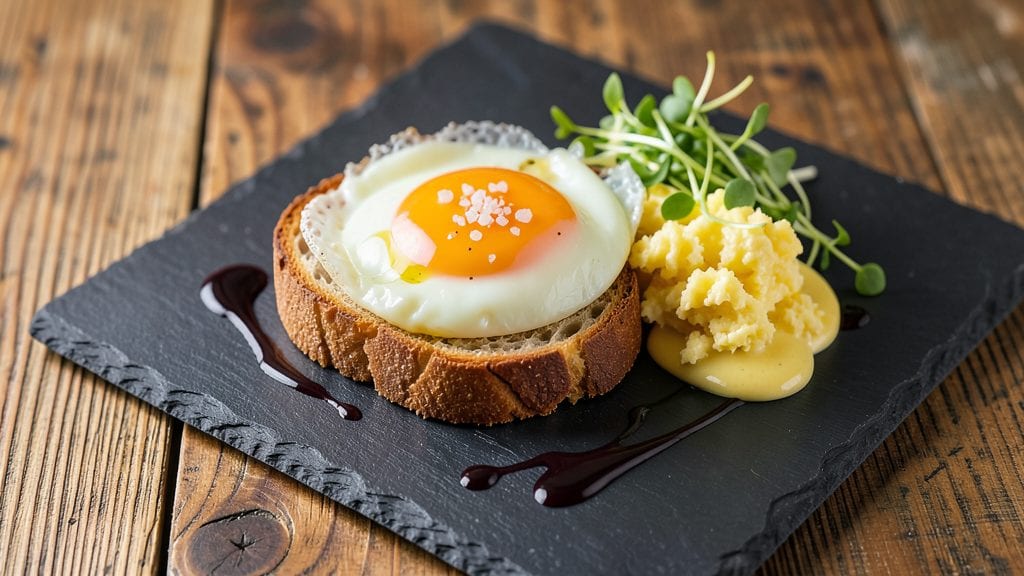
Mastering Gordon Ramsay's poached egg recipe transforms simple breakfast into a refined culinary experience. The secret lies in precise water temperature and a gentle swirling technique that creates those signature runny yolks. I've refined this method over years, and it consistently delivers restaurant-quality results at home.
This technique requires just three essential ingredients: fresh eggs, white vinegar, and filtered water. The vinegar helps coagulate the egg whites quickly while keeping the yolk perfectly fluid.
Maintaining a consistent water temperature between 160°F and 170°F is critical—too hot, and the eggs overcook; too cool, and they won't set properly.
What you'll achieve is a perfectly poached egg with a delicate, translucent white and a vibrant, runny yolk that glistens like liquid gold. The key is timing—about 3 to 4 minutes for perfectly set whites while preserving that molten center.
This method works beautifully on toast, in salads, or alongside avocado for a truly luxurious breakfast.
Once you've mastered the technique, you'll never settle for store-bought versions again. The difference is night and day—creamy, rich yolks that burst with every bite. Let's get started on perfecting your poached eggs like a true professional.
Ingredients for gordon ramsay poached egg
Just eight ingredients deliver restaurant-quality poached eggs with perfect runny yolks every time.
| Ingredient | Amount | Notes |
|---|---|---|
| Large Eggs 🥚 | 2 whole | Fresh, room temperature preferred |
| White Vinegar 🍶 | ¼ cup | Distilled, 5% acidity minimum |
| Filtered Water 💧 | 4 cups | Cold, tap or filtered preferred |
| Diamond Crystal Kosher Salt 🧂 | ½ tsp | Fine grain for precise control |
| Extra-Virgin Olive Oil 🫒 | 1 tbsp | For post-poaching drizzle |
| Sourdough Bread Loaf 🍞 | 2 slices | Thick-cut, lightly toasted |
| Freshly Ground Black Pepper 🌶️ | ¼ tsp | Freshly cracked for intensity |
| Unsalted Butter 🧈 | 1 tbsp | For toasting bread |
The eggs are non-negotiable—farm-fresh or organic with vibrant yolks make all the difference. Whole Foods or local farmers markets carry the best quality, but any grocery store's large eggs work if they're fresh (check the carton date). Room temperature eggs poach more cleanly, so take them out of the fridge 20 minutes before cooking. The white vinegar should be distilled, 5% acidity minimum—cheap vinegars can leave a harsh aftertaste. For water, filtered is ideal to avoid mineral buildup that can affect texture, but cold tap water works in a pinch.
No white vinegar? Apple cider vinegar at half the amount works, though the flavor will be subtly different. Running out of filtered water? Boiled and cooled tap water prevents mineral interference. The kosher salt is for seasoning the water—not table salt, which is too fine and can over-salt. For the bread, sourdough is ideal for its sturdy texture, but any thick-cut loaf (like Texas toast) works. Need extra richness? Add a smear of cream cheese to the toast before adding the egg. The olive oil should be extra-virgin—its fruity notes complement the egg beautifully.
Eggs poach best when made fresh, but the components can be prepped ahead. Store eggs in their carton in the fridge for up to 3 weeks, vinegar in a cool, dark cabinet for 1 year, and bread in a bread bag for 4-5 days. The toasted bread can be made 1 hour ahead and reheated in a toaster for 30 seconds before adding the egg. Poached eggs keep for 30 minutes at room temperature, so assemble just before serving for optimal texture.
Why You'll Love This Recipe
- No Fuss, No Fail: I swear by this method—just eggs, vinegar, and water. The vinegar keeps the whites tight, and honestly? Even if you’re not a pro, you’ll nail that perfect runny yolk every single time.
- Chef’s Kiss Flavor: That first crack of the yolk into salty water? Pure magic. The olive oil finish makes it taste like a Michelin-starred breakfast—no fancy plating, just rich, buttery perfection.
- Breakfast or Brunch: Serve it on toast with avocado, pile it on a grain bowl, or toss it into pasta for dinner. It’s my go-to for lazy mornings and fancy weekend brunches—no rules, just deliciousness.
- Pantry Staples Only: Five ingredients, zero substitutions needed. The kosher salt and vinegar are my secret weapons—they’re cheap, last forever, and make this dish taste restaurant-worthy without breaking the bank.
Step-by-step instructions for Gordon Ramsay's poached eggs
A precise technique yields perfectly rounded yolks with silky whites—every time.
Prepare the Poaching Bath
Combine the 4 cups filtered water and 0.25 cup white vinegar in a deep saucepan. Place over medium-high heat and bring to a gentle simmer—you want small, steady bubbles breaking the surface, not a rolling boil. The vinegar lowers the eggs' surface tension, helping them hold their shape. I use a thermometer to confirm the temperature at 180°F—this precision prevents overcooking.
Add the 0.5 tsp Diamond Crystal kosher salt and stir until dissolved. The salt enhances flavor and helps the whites set properly. Let the water simmer for 5 minutes before poaching—this ensures stable temperature control. Keep a small bowl nearby for the 2 whole large eggs at room temperature, ready to crack directly into the water.
Toast the Sourdough and Prepare the Plate
While the water heats, toast the 2 slices sourdough bread loaf in a dry skillet over medium heat until golden brown with crisp edges. I use 1 tbsp unsalted butter to coat the skillet first—this creates a rich, nutty crust that contrasts beautifully with the eggs. Toast for 2-3 minutes per side, then transfer to a warm plate.
Use a pastry brush to lightly coat each toasted slice with the 1 tbsp extra-virgin olive oil. This adds moisture and prevents the bread from drying out while waiting for the eggs. Sprinkle immediately with 0.25 tsp freshly ground black pepper—the heat cuts through the richness of the eggs and butter. Keep the toasts covered until serving to maintain warmth.
Poach the Eggs to Perfection
Crack each whole large egg directly into a small ramekin or shot glass—this prevents broken shells from falling into the poaching water. Gently slide the egg from the ramekin into the simmering water, aiming for the center of the pan. The water should immediately begin to bubble around the egg. Use a slotted spoon to gently swirl the water in a small circle around the egg for 30 seconds—this helps the whites wrap neatly around the yolk.
Poach for 3 minutes total. You'll know it's perfect when the whites are completely set but the yolk remains liquid and vibrant—the center should still jiggle slightly when you lift the egg with the spoon. Remove with a slotted spoon and drain briefly on a paper towel to remove excess water. Repeat with the second egg, working quickly to maintain consistent doneness.
Assemble and Serve Immediately
Place one poached egg directly onto each toasted sourdough slice. The runny yolk should sit proudly in the center, surrounded by perfectly set whites. Drizzle generously with any remaining extra-virgin olive oil from the toasting step—this adds a final layer of richness. I like to finish with an additional crack of freshly ground black pepper right before serving to intensify the flavors.
Serve immediately while the eggs are at their peak—runny yolks and crisp toasts create the perfect contrast. The vinegar-infused poaching water ensures clean, defined whites without any graying, while the sourdough's tang balances the eggs' creaminess. Each bite delivers the silky texture and bold flavor that make this technique legendary.
Pro Tips For Making Gordon Ramsay Poached Egg
- Use Room-Temp Eggs: Cold eggs sink like stones and take forever to poach right. Crack them into a bowl first, let them sit for 10 minutes—this lets the whites spread smoothly instead of curling into a tight knot. (Yes, even if you're impatient like me.)
- Vinegar Ratio Matters: Skip the eyeballing—add 1 tablespoon white vinegar per 4 cups water. Too little and the whites won’t hold shape; too much and the egg tastes sour. I learned this after ruining three batches with "just a splash."
- Salt the Water Hard: 1½ teaspoons Diamond Crystal kosher salt per 4 cups water—that’s the magic number. It raises the water’s density so the egg floats higher, giving you that perfect, rounded shape. (Your future self will thank you.)
- Simmer, Don’t Boil: A rolling boil breaks the whites. Keep the water at a gentle simmer—tiny bubbles breaking the surface, not a full-on storm. After 3 minutes, the whites should be set but the yolk still runny. (Sounds weird, but it works.)
Serving suggestions for this recipe
Classic Toast Presentation
Serve your poached eggs on thick-cut sourdough toast as a timeless breakfast staple. I recommend toasting the bread until golden brown with crisp edges, then topping with a runny yolk that bursts when cut.
The tangy sourdough balances the eggs' richness perfectly, while a drizzle of extra-virgin olive oil adds a luxurious finish. 🍞
Avocado & Chili Flakes
Elevate your dish by adding mashed avocado (about ¼ cup) to the toast before placing the egg on top. Sprinkle with ½ tsp chili flakes and a pinch of flaky sea salt for a smoky, spicy kick.
The creamy avocado contrasts beautifully with the silky egg whites and molten yolk. 🥑
Gourmet Salad Base
For a lighter option, nestle the poached egg into a bed of arugula or mixed greens. Add cherry tomatoes, crumbled feta, and a drizzle of balsamic glaze for a restaurant-worthy salad. The acidity of the balsamic cuts through the egg’s richness, while the greens add freshness. 🥗
Breakfast Hash Topper
Transform your poached egg into a hearty breakfast by placing it atop a potato hash made with diced potatoes, caramelized onions, and crispy bacon. The savory hash soaks up any excess yolk, creating a satisfying, one-bite meal. Add a sprinkle of fresh parsley for brightness. 🍳
Benedict-Style Serving
For a refined twist, serve the poached egg on English muffin halves topped with holy basil hollandaise (a lighter, herb-infused version of traditional hollandaise). The creamy sauce complements the egg’s richness, while the crisp muffin adds texture. Garnish with chives for a pop of color. 🍽️
Garnish Like a Pro
Finish your dish with freshly cracked black pepper, a pinch of smoked paprika, or a sprinkle of microgreens for a restaurant-quality touch. I also love adding a dash of hot sauce or sriracha on the side for guests who crave heat.
These small details elevate the presentation and flavor. ✨
Nutrition facts
Frequently asked questions
Why does Gordon Ramsay use vinegar in poached eggs?
The white vinegar helps coagulate the egg whites more quickly while keeping the yolk perfectly runny. It also lowers the surface tension of the water, allowing the whites to wrap neatly around the yolk for that signature rounded shape.
What's the best water temperature for perfect poached eggs?
Ideal temperature is between 160°F and 170°F. Too hot and the eggs overcook; too cool and the whites won't set properly. A gentle simmer with small bubbles is perfect - use a thermometer for precision.
How do I fix overcooked poached eggs?
If the yolks are firm, try reheating them gently in a dry skillet over low heat for 10-15 seconds to restore some creaminess. For whites that are too gray, poach fresh eggs with more vinegar (¼ cup) next time to keep them bright and white.
Can I poach eggs ahead of time?
Poached eggs are best served immediately, but you can prepare the poaching water and toast ahead. Keep eggs at room temperature and poach within 30 minutes of serving for optimal texture. For make-ahead meals, consider sous vide poaching at 145°F for 45 minutes to preserve the yolk.
What's the secret to getting that perfect runny yolk?
Use fresh eggs at room temperature and poach for exactly 3 minutes in 165°F water. The yolk should jiggle slightly when you lift it. Avoid overcooking by timing carefully - the whites should be completely set but the yolk still liquid.