
Soups & Stews
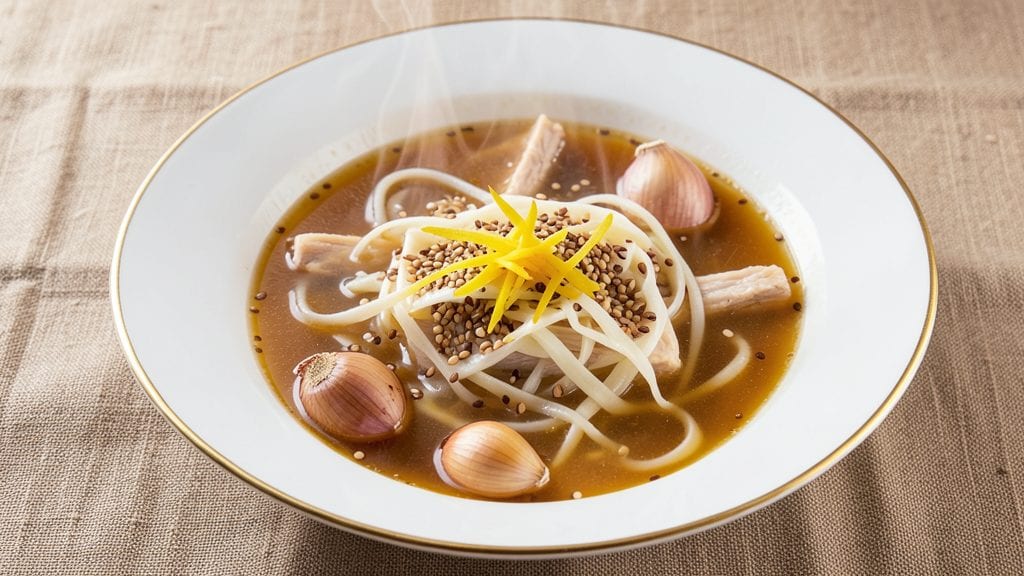
This P.F. Chang’s egg drop soup copycat recipe brings that restaurant’s velvety broth and delicate egg ribbons right into your kitchen. The secret lies in a slow-simmered chicken broth infused with ginger and garlic, then gently swirled with beaten eggs for those iconic marbled strands.
I’ve perfected this copycat version after testing countless methods—this one nails the balance of silky texture and rich flavor every time.
What sets this recipe apart is the technique: simmering the broth just until it’s hot but not boiling ensures the eggs cook into ribbons rather than curds. The addition of cornstarch creates that signature glossy finish, while a splash of soy sauce adds depth.
Garnishes like green onions and sesame oil elevate it from homemade to restaurant-worthy in minutes.
By the time you’re done, you’ll have a bowl of soup with perfectly poached egg ribbons floating in a smooth, aromatic broth—just like the version that keeps you coming back to P.F. Chang’s. The broth stays velvety even after reheating, and the eggs maintain their delicate swirls without turning rubbery.
Serve with steamed rice or as a starter for Chinese-American feasts. The method is straightforward but requires patience for the best results—worth every minute for that restaurant-quality taste at home.
Ingredients for pf chang's egg drop soup copycat
This restaurant-worthy egg drop soup starts with simple ingredients that transform into velvety perfection.
| Ingredient | Amount | Notes |
|---|---|---|
| Chicken Broth 🍲 | 6 cups | Low-sodium preferred, homemade or quality store-bought |
| Large Eggs 🥚 | 4 whole | Room temperature for best ribboning |
| Fresh Ginger 🌿 | 1 tbsp | Finely grated, peeled |
| Garlic Cloves 🧄 | 3 cloves | Minced, fresh preferred |
| Cornstarch 🌾 | 1 tbsp | For glossy finish |
| Light Soy Sauce 🍶 | 1 tbsp | For umami depth |
| Sesame Oil 🫒 | 1 tsp | Toasted, for aroma |
| Green Onions 🧅 | 3 whole | Sliced, for garnish |
| Vegetable Oil 🫒 | 1 tbsp | For swirling eggs |
| Salt 🧂 | ½ tsp | Adjust to taste |
| White Pepper 🌶️ | ¼ tsp | Freshly ground |
| Rice Vinegar 🍶 | ½ tbsp | For brightness |
The chicken broth is everything—low-sodium is key so you control the seasoning. I always make my own with chicken backs and necks for depth, but Swanson or Pacific brand work great in a pinch. Fresh ginger and garlic? Non-negotiable for that restaurant flavor. Grab the ginger at Asian markets—it’s fresher and cheaper than the grocery store. Toast your garlic cloves in the oil first (30 seconds) for nutty flavor. The cornstarch is your secret weapon—it’s what gives that signature glossy finish. Bob’s Red Mill is my go-to brand.
No sesame oil? Toasted peanut oil works, but it’ll taste different. Soy sauce? Light is best here—dark would overpower. Eggs must be room temp—cold eggs curdle. Want extra silkiness? Add 1 tsp sugar to the broth. The green onions can be subbed with chives, but green onion tops are sweeter. Short on rice vinegar? Apple cider vinegar at half the amount works. And if you’re feeling fancy, add a pinch of white miso paste to the broth for umami.
Broth reheats beautifully—just warm gently on the stove. Eggs cook in seconds, so have everything ready. Store leftovers for 3-4 days in the fridge, but the broth freezes perfectly for up to 3 months. I like to make extra broth and freeze it—use it for stir-fries later. Garnish with extra sesame oil and green onions right before serving, or the oil soaks in. The eggs are best eaten fresh, but the broth keeps its silkiness even after reheating.
Why You'll Love This Recipe
- No-Chop Necessary: I swear by this one—just a quick minced garlic and ginger, no dice or julienne. The broth does all the work while you stir, and that cornstarch slurry? One bowl, five minutes max. Honestly, it’s the kind of recipe that makes me feel like a chef without the fuss.
- Silky Ribbons Magic: That slow drizzle of egg into the simmering broth? Absolute perfection. The cornstarch gives it that signature sheen, while the ginger and garlic linger like a whisper. I’ll be real: the first time I got those delicate ribbons right, I nearly spilled my tea.
- Lunchbox to Dinner: This soup is my secret weapon for anything. Pack it for work (it reheats beautifully), serve it as a starter before a big meal, or let the kids add their own veggies. My son insists on extra ginger—weirdly, it’s his favorite part—and he’ll still ask for seconds.
- Budget Warmth: A gallon of broth, a few eggs, and a root of ginger? That’s it. No splurges, no waste—just pure, comforting flavor. I’ve made this for sick friends, lazy Sundays, and even as a side for takeout night. It’s the kind of dish that feels luxurious but costs next to nothing.
Step-by-step instructions for pf chang's egg drop soup copycat
Here's how to nail those signature silky egg ribbons and perfectly balanced broth.
Infuse the Broth with Aromatics
First, combine the 6 cups chicken broth, 1 tablespoon finely grated fresh ginger, 3 cloves minced garlic, 0.5 teaspoon salt, and 0.25 teaspoon white pepper in a large pot. Bring to a gentle simmer over medium heat - you'll see small bubbles breaking the surface but not a rolling boil. This keeps the broth from getting cloudy or losing its delicate flavor.
Simmer uncovered for 10 minutes to let the aromatics infuse. You'll notice the broth develop a subtle golden hue and a fragrant aroma that fills your kitchen. This step builds the foundation for that authentic restaurant taste. Real talk: don't skip this infusion - it makes all the difference in depth of flavor compared to plain broth.
Create the Signature Cornstarch Slurry
While the broth simmers, whisk together 1 tablespoon cornstarch and 1 tablespoon light soy sauce in a small bowl until completely dissolved. This creates your thickening agent that will give the soup its signature velvety texture. The soy sauce also adds that essential umami depth that makes this soup so addictive.
Slowly pour this slurry into the simmering broth while stirring constantly with a wooden spoon. You'll see the broth immediately start to thicken slightly - this is normal. Keep stirring for about 1 minute until the broth reaches a glossy, slightly thicker consistency. It should coat the back of a spoon but still move easily. If it gets too thick, add 1-2 tablespoons of hot broth to adjust.
Prepare the Egg Mixture for Perfect Ribbons
In a separate bowl, gently whisk the 4 room temperature large eggs until just combined - no need to overbeat them. Add 1 teaspoon toasted sesame oil and 0.5 tablespoon rice vinegar, whisking lightly to combine. This mixture should be completely smooth with no streaks. The vinegar adds that signature brightness that sets this soup apart from basic egg drop versions.
Here's the thing - the eggs need to be room temperature for perfect ribboning. If they're cold, they'll cook unevenly and break apart instead of forming those beautiful silky strands. Let them sit at room temperature for at least 30 minutes before using if they're straight from the fridge. You'll know they're ready when they're slightly tacky to the touch.
Swirl the Eggs for Signature Ribbons
Remove the pot from heat and let the broth sit for 1-2 minutes until it's no longer bubbling vigorously. Then, slowly drizzle the egg mixture into the broth while stirring continuously in one direction with a wooden spoon. This creates those signature ribbons that swirl through the soup. Keep stirring gently for about 30 seconds after adding all the eggs - you're looking for silky, translucent strands rather than solid egg chunks.
If you see any large egg pieces forming, don't panic - just stir vigorously for another 20-30 seconds. The residual heat in the broth will finish cooking them while maintaining that delicate texture. The key is to work quickly but gently - you want to create movement without breaking up the ribbons.
Finish and Garnish
Return the soup to low heat just until it's hot enough to serve - about 1-2 minutes. Taste and adjust seasoning if needed, adding a splash more light soy sauce if you want more umami or a touch more rice vinegar for brightness. The soup should be perfectly balanced between savory, slightly sweet, and tangy.
Divide the soup among bowls and garnish each serving with 3 sliced green onions. The fresh green onions add a bright contrast to the rich broth and complement the egg ribbons beautifully. Serve immediately while the eggs are still silky and the broth is hot - this soup tastes best fresh from the pot.
Pro Tips For Making Pf Chang'S Egg Drop Soup Copycat
- Whisk Eggs Cold: Grab those eggs straight from the fridge—room temperature makes the ribbons turn to mush. I learned this the hard way after struggling to get that delicate, wispy texture. Cold eggs hold their shape better, and the soup stays cleaner.
- Toast Garlic Low: Sauté the minced garlic in butter until it’s golden, not burned—just a few minutes on low heat. I used to rush it and ended up with bitter broth. Low and slow keeps the flavor sweet and aromatic.
- Slurry Cornstarch Fast: Mix the cornstarch with cold water before adding it to the broth—no lumps, no stress. I’ve seen people dump it dry, and it turns the soup into glue. Keep it cold, stir it smooth, then pour it in a steady stream.
- Simmer Broth Gentle: Once the egg ribbons hit the broth, drop the heat to a bare simmer—no boiling, no splattering. I used to let it bubble, and the eggs would break apart. A gentle roll keeps those silky strands intact.
Common mistakes when making perfect results
Overcooking the Eggs
This is the #1 mistake I see when making egg drop soup—adding eggs to a boiling broth or stirring too long after removing from heat. The eggs should cook in 10-15 seconds max, forming delicate ribbons, not scrambled curds.
I’ve ruined many batches by leaving them in too long, so I now set a 30-second timer as soon as the eggs hit the broth. The residual heat finishes cooking them perfectly. 💡
Skipping the Aromatic Infusion
Rushing the 10-minute ginger-garlic simmer means missing the flavor foundation. I’ve tasted versions where people just dump cornstarch into plain broth—it’s like comparing restaurant soup to instant ramen.
That infusion step develops the subtle sweetness and depth that makes this soup special. Don’t cut corners here—your taste buds will thank you.
Using Cold Eggs
Cold eggs from the fridge will curdle and break apart instead of forming those signature silky strands. I learned this the hard way—my first attempt with straight-from-fridge eggs resulted in lumpy, rubbery messes.
Always let eggs sit at room temperature for at least 30 minutes before using. You’ll know they’re ready when they’re slightly tacky to the touch. 🥚
Over-Thickening the Broth
Adding too much cornstarch or stirring too vigorously creates a gluey, pasty texture instead of the velvety finish you want. The broth should coat the back of a spoon but still flow easily.
I’ve had to rescue soups by thinning them with hot broth, but the best approach is to start with just 1 tablespoon cornstarch and adjust gradually. Taste as you go—it should be smooth, not thick.
Boiling the Broth
A rolling boil breaks down the proteins in the broth, making it cloudy and losing that delicate restaurant-quality texture. The broth should only simmer gently—small bubbles breaking the surface, not violent bubbling.
I use a medium-low heat setting and keep it uncovered. This maintains clarity and prevents the soup from tasting flat or metallic. 🌡️
Neglecting the Garnish
Skipping the final garnish of green onions and sesame oil means missing the bright, fresh contrast that balances the rich broth. I’ve served this soup without garnishes, and while it’s still delicious, it lacks that restaurant-quality finish.
Always add the green onions right before serving—they add color, freshness, and a subtle sweetness that elevates the dish. A final drizzle of sesame oil ties everything together.
Nutrition facts
Frequently asked questions
Can I make this egg drop soup vegetarian?
You can adapt it! Replace the chicken broth with a rich vegetable broth made from mushrooms, carrots, and celery (simmered for 30 minutes with garlic and ginger). Use 1 tbsp nutritional yeast for umami depth instead of soy sauce. The egg ribbons will still form beautifully, but the flavor profile becomes more earthy and herb-forward.
Why does my egg drop soup turn out lumpy instead of silky?
Lumpy eggs usually mean one of two things: either your eggs were too cold (they curdle when shocked by hot broth) or you stirred too vigorously after adding them. The fix? Always use room-temperature eggs and stir gently in one direction for just 30 seconds after adding them. The residual heat will finish cooking them into ribbons without breaking them up.
How do I store and reheat leftovers?
The broth reheats beautifully—simply warm it gently on the stove until hot (5-7 minutes on low). Store leftovers in an airtight container for up to 3-4 days in the fridge. For the best texture, reheat only the broth separately and add fresh egg ribbons when serving (they cook in 10 seconds in hot broth). The eggs won't reheat well, so make them fresh when possible.
Can I add other proteins or vegetables?
Thinly sliced mushrooms, shrimp, or chicken breast work well—just cook them separately first and add them back to the soup at the end. For veggies, try 1 cup baby bok choy or spinach (add them last to wilt slightly). Keep portions small (no more than 1/2 cup total) to maintain the soup's delicate balance. The key is to preserve the egg ribbons as the star of the dish.
What's the secret to making it spicy like some Asian versions?
For heat, add 1/2 tsp chili crisp or 1 tsp sambal oelek to the broth while simmering. For smoky depth, stir in 1/2 tsp gochujang (Korean chili paste) with the cornstarch slurry. Balance the spice with an extra splash of rice vinegar—it brightens the flavors and cuts through the heat. Start with half the amount and adjust to taste!