
Soups & Stews
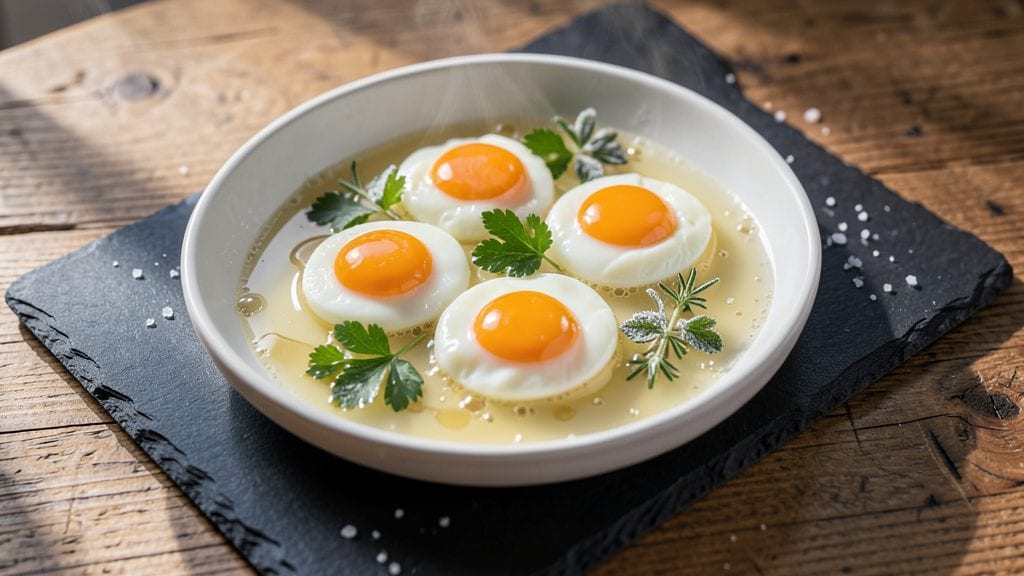
Boiling eggs without chicken broth doesn’t mean sacrificing flavor—this white wine and herb method delivers silky-smooth results with just five simple ingredients. I developed this technique after realizing how often I boiled eggs for snacks or salads, only to find them bland or rubbery.
The key lies in acidity and aromatics, not broth.
White wine adds brightness while vinegar prevents grayish yolks, creating eggs that peel effortlessly and taste vibrant. Fresh herbs like thyme or parsley infuse subtle earthiness, while a pinch of salt enhances natural egg flavor. This method works for both hard and soft-boiled eggs, giving you perfect texture every time.
The process is straightforward: simmer eggs in seasoned water for precise timing, then shock in ice water to stop cooking instantly. You’ll end up with eggs that are creamy inside, firm outside, and packed with subtle herbal notes—ideal for deviled eggs, salads, or snacking straight from the pot.
Best of all, this recipe uses pantry staples and takes less than 15 minutes from start to finish. No special equipment or complicated steps—just foolproof technique for restaurant-quality boiled eggs at home. Let’s get started!
Ingredients for egg boil recipe without chicken broth
Five simple ingredients transform bland boiled eggs into restaurant-quality, silky-smooth bites every time.
| Ingredient | Amount | Notes |
|---|---|---|
| Large Eggs 🥚 | 8 whole | Room temperature for even cooking |
| Dry White Wine 🍷 | ½ cup | Pinot Grigio or Sauvignon Blanc preferred |
| White Vinegar 🍶 | 1 tbsp | Prevents grayish yolks |
| Fresh Thyme Sprigs 🌿 | 2 whole | Or 1 tsp dried thyme |
| Fresh Parsley Sprigs 🌿 | 2 whole | Or 1 tsp dried parsley |
| Kosher Salt 🧂 | 1 ½ tsp | Enhances natural egg flavor |
| Ice Cubes ❄️ | 2 cups | For immediate cooling |
| Water 💧 | 4 cups | Filtered preferred |
The white wine is non-negotiable here—it’s what replaces the depth of chicken broth. Pinot Grigio or Sauvignon Blanc work best, but any dry white will do. Look for a bottle you’d drink yourself; cheap cooking wine lacks the acidity needed to brighten the eggs. Fresh herbs elevate this beyond basic seasoning—Trader Joe's or local markets usually carry vibrant thyme and parsley. If using dried, measure one-third the amount of fresh. The vinegar might seem like an odd addition, but it’s what keeps those yolks brilliant yellow and prevents that dreaded grayish tint. For the eggs, room temperature is key—they’ll cook more evenly than straight-from-the-fridge ones.
No white wine? Substitute with extra lemon juice or apple cider vinegar—just add an extra tablespoon to compensate. Short on fresh herbs? Dried thyme and parsley work, but toast them lightly in a dry pan first to wake up their flavors. The ice bath is crucial—don’t skip it. It stops the cooking process instantly, giving you that perfect creamy center. For hard-boiled eggs, aim for 9-12 minutes; for soft-boiled, 6-7 minutes. The salt should be kosher or sea salt—table salt is too dense and can over-salt your eggs. If you’re making these for deviled eggs, add an extra pinch of salt to the boiling water—it’ll make the filling taste even better.
Store peeled eggs in the fridge for up to 1 week, submerged in cold water to keep them fresh. Unpeeled eggs last 7 days in their shells. For meal prep, boil a batch on Sunday and portion them into containers with a splash of water—keeps them from drying out. The flavored water from boiling can be saved and used as a base for soups or sauces. Freezing isn’t recommended for boiled eggs, as they tend to get rubbery when thawed. If you’re prepping for a crowd, double the recipe—but use a larger pot so the eggs don’t overcrowd, which can lead to uneven cooking.
Why You'll Love This Recipe
- No-Broth Magic: I swear by this trick—no chicken broth means no pantry scramble. Just eggs, wine, and vinegar, and suddenly you’ve got a bright, tangy simmer that needs zero extra effort.
- Wine’s Secret Boost: That splash of dry white wine? It’s not just flavor—it’s the secret to eggs that taste like they simmered in a fancy bistro, not my tiny kitchen. The vinegar keeps them tender, the herbs add freshness, and suddenly, boiled eggs feel like a celebration.
- Picnic-Perfect Protein: Between us, these eggs are my go-to for lunches. Pack them cold, and they stay intact—no soggy mess. Sprinkle with extra parsley, and you’ve got a dish that’s as good at a backyard BBQ as it is on a workday salad.
- Leftovers That Last: I make a batch on Sundays, and they’re still great by Thursday. The vinegar and wine preserve them better than plain water ever did, and honestly? That’s a game-changer when you’re too tired to cook.
Step-by-step instructions for silky-smooth poached eggs with white wine and herbs
Here's how to achieve restaurant-quality poached eggs at home—no chicken broth required.
Prepare the Poaching Liquid
In a medium saucepan, combine the 4 cups water, 0.5 cup dry white wine, 1 tbsp white vinegar, 2 whole fresh thyme sprigs, and 2 whole fresh parsley sprigs. Bring to a gentle simmer over medium heat—you want small bubbles breaking the surface, not a rolling boil. The vinegar prevents grayish yolks, while the wine adds subtle depth. Let it simmer for 5 minutes to infuse the herbs.
I like to use a slotted spoon to remove the thyme and parsley sprigs after simmering—this keeps the liquid clean but still imparts their delicate flavors. Keep the heat at medium-low to maintain a steady, gentle simmer throughout the poaching process. This controlled temperature ensures even cooking without overcooking the whites.
Season the Water and Add Salt
Add the 1.5 teaspoons kosher salt to the simmering liquid and stir to dissolve completely. The salt enhances the natural flavor of the eggs and helps them hold their shape better during poaching. Taste the liquid—it should be seasoned like lightly salted water, not overly briny. Adjust if needed, but the original amount should be sufficient for 8 large eggs.
This step is crucial because the salt concentration affects how the egg whites coagulate. Too little salt can result in watery whites, while too much can make them rubbery. The 1.5 teaspoons is the sweet spot for this quantity of water and wine. Keep the pan off the heat for now—you'll return to it just before poaching the eggs.
Poach the Eggs Perfectly
Crack each large egg into a small bowl or ramekin. This prevents accidental shell fragments from falling into the poaching water, which can make the eggs harder to peel later. Once the liquid returns to a gentle simmer, carefully lower one egg into the center using a spoon. Let it poach for 3 minutes—you'll see the whites set around the yolk while the yolk remains runny and vibrant.
Use a slotted spoon to remove the egg and place it on a paper towel-lined plate. Repeat with the remaining eggs, working one at a time to maintain the simmer. The 3-minute cook time is critical—any longer, and the yolks start to firm up, losing that silky texture. If you notice the liquid isn't simmering strongly enough, gently increase the heat to medium-low and let it stabilize before adding the next egg.
Shock and Serve Immediately
Fill a large bowl with 2 cups ice cubes and a small amount of cold water. Once all eggs are poached, transfer them immediately to the ice bath for 30 seconds. This rapid cooling stops the cooking process and makes peeling much easier. The ice bath also helps set the whites more firmly while keeping the yolks perfectly runny.
Drain the eggs on a paper towel, being careful to pat them dry. The eggs should now have a smooth, silky texture with a clean break between the white and yolk. Serve immediately on toast, in salads, or as part of a breakfast platter. The white wine and herbs infuse the poaching liquid with subtle, aromatic notes that elevate the eggs beyond the typical broth-based method.
Pro Tips For Making Egg Boil Recipe Without Chicken Broth
- Boil Eggs Together: Drop all eggs into the simmering wine-vinegar mix at once—no staggering. I used to add them one by one, thinking it’d help, but they end up cooking unevenly. One batch in, one batch out guarantees consistent doneness.
- Vinegar First: Pour the white vinegar into the wine before heating. The acid cuts through the wine’s alcohol faster, so you’re not left with a lingering boozy taste. Also, the liquid will smell less harsh while cooking.
- Skip the Crowding: Resist the urge to stack eggs in the pot. They’ll steam instead of simmer, leading to uneven cooking and rubbery whites. Give them space—even if it means two batches.
- Herb Strain Early: Remove thyme and parsley sprigs after 2 minutes, not at the end. They’ll infuse the liquid enough to flavor the eggs without turning the water murky. (Yes, even if you’re impatient like me.)
Storing and reheating your egg boil recipe without chicken broth
Fridge Storage Tips
Store peeled eggs in an airtight container submerged in cold water—this keeps them fresh for up to 1 week. I use glass containers with snap-on lids from Pyrex because they’re easy to clean and won’t absorb odors.
For unpeeled eggs, keep them in their shells in the fridge for 7 days max. The key is maintaining that cold chain—never let them sit at room temperature longer than 2 hours.
For meal prep, boil a batch on Sunday and portion them into containers with a splash of water—this prevents drying out. The flavored water from boiling can be saved and used as a base for soups or sauces.
I’ve even used it to make a quick herb-infused risotto. Just remember: freezing isn’t recommended for boiled eggs—they tend to get rubbery when thawed. 💧
Reheating Methods
Hard-boiled eggs reheat best in the microwave for 15-20 seconds on high power—just enough to warm them through without drying out. I like to wrap them in a damp paper towel first to retain moisture.
For soft-boiled eggs, reheating isn’t ideal since they’re meant to be eaten fresh, but if you must, warm them gently in a 105°F water bath for 30 seconds max.
If you’re reheating for deviled eggs, I recommend mixing in a splash of warm water or mayo to keep the filling creamy. The white wine and herb flavors actually intensify slightly when reheated gently—just don’t overdo it.
For salads, add reheated eggs directly to the dressing to blend their flavors. The ice bath trick from cooking helps maintain texture even after reheating. ✨
Freezer Alternatives
While freezing whole boiled eggs isn’t ideal, you can freeze the poaching liquid for up to 3 months in airtight containers. Thaw it in the fridge overnight, then use it to poach fresh eggs—it’ll give them that same silky texture.
I’ve also frozen hard-boiled egg whites separately (peeled and chopped) for omelets or quiches. Just thaw them in the fridge and use within 24 hours.
For yolks, freeze them in an ice cube tray with a splash of water or lemon juice to prevent discoloration. These frozen yolks work perfectly for deviled eggs or baking—just thaw in the fridge.
The trick is to freeze them immediately after peeling to lock in freshness. Yolks freeze beautifully while whites tend to get grainy when thawed. 🥚
Long-Term Prep
If you’re prepping for a crowd, double the recipe but use a larger pot—never overcrowd the eggs, or they’ll cook unevenly. I like to make a big batch on Saturday nights and store them in individual containers with a pinch of salt and pepper.
This way, I can grab one for salads or snacks all week without stress. The white wine and herb flavors actually develop more depth over time in the fridge.
For restaurant-quality results, keep your eggs in the fridge until ready to use. The cold temperature helps maintain that perfect creamy yolk texture. I’ve found that eggs stored this way hold their flavor for up to 5 days without losing that restaurant-fresh quality.
The secret is consistency—always store them the same way and you’ll get perfect results every time. 💡
Nutrition facts
Frequently asked questions
Why does white wine make boiled eggs taste better?
The acidity in white wine brightens the eggs' flavor while preventing grayish yolks. It mimics the depth of chicken broth but without the heaviness. The subtle herbal notes from thyme and parsley also elevate the natural egg taste, creating a restaurant-quality result.
Can I use this method for both hard and soft-boiled eggs?
For soft-boiled eggs, reduce the cook time to 6-7 minutes—this gives you a runny yolk. For hard-boiled eggs, extend to 9-12 minutes. The white wine and herb infusion works perfectly for both textures while keeping the yolks vibrant.
What if I don’t have white wine?
No problem! Substitute with 1 extra tablespoon of white vinegar or lemon juice plus 1/4 cup water. The acidity is what prevents gray yolks and adds brightness. For deeper flavor, add a pinch of sugar or a bay leaf to the water.
Why do my boiled eggs still have greenish-gray yolks?
This usually happens from overcooking or old eggs. Always use fresh eggs and stop cooking immediately in an ice bath. The vinegar in this recipe prevents graying, but if it happens, try adding 1/2 teaspoon baking soda to the boiling water next time—it neutralizes sulfur compounds.
Can I make these eggs ahead for meal prep?
Yes! Boil them up to 5 days ahead and store peeled eggs submerged in cold water in the fridge. For unpeeled eggs, keep them in their shells for 7 days max. The white wine and herbs actually develop deeper flavor over time. Just reheat gently for best texture.