
Desserts
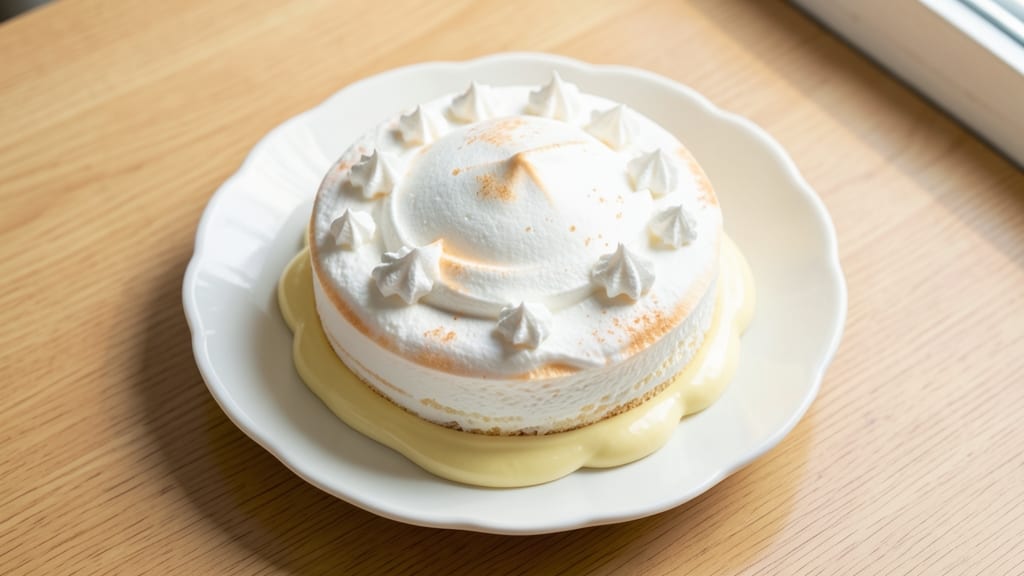
This white cake with egg whites delivers the signature light-as-air texture that makes it legendary—without a single dense bite. The secret lies in properly folded egg whites that create stable, airy layers while keeping the crumb tender and moist.
After years of testing, I’ve perfected a method that balances structure and delicacy, ensuring your cake rises beautifully while staying perfectly fluffy.
The recipe uses a simple three-step mixing process—creaming butter and sugar, folding in dry ingredients, and finally incorporating egg whites—each critical for achieving that signature texture. Baking at 325°F for 30-35 minutes ensures even rise without overcooking, while a quick cooling trick prevents sinking.
This is the kind of cake that looks elegant but comes together with precision, not guesswork.
What you’ll end up with is a cake so light it practically dissolves on your tongue, with snow-white layers that hold their shape yet remain tender. The egg whites contribute not just structure but a subtle richness, making this version far more refined than traditional white cakes.
Whether you’re frosting it with buttercream or leaving it naked for a minimalist finish, the result is always impressive.
Pair this with a simple lemon glaze or fresh berries for a dessert that feels both celebratory and effortless. Let’s get started—your lightest cake yet awaits.
Ingredients for white cake with egg white
Nine essential ingredients transform into the lightest white cake ever—no dense crumbs in sight.
| Ingredient | Amount | Notes |
|---|---|---|
| Unsalted Butter 🧈 | 1 cup | Room temperature, European-style preferred |
| Granulated Sugar 🍚 | 1 ½ cups | Superfine for smoother texture |
| Large Egg Whites 🥚 | 5 whole | Room temperature, no yolks |
| All-Purpose Flour 🌾 | 2 cups | Sifted, spooned lightly |
| Cream of Tartar 🧂 | ¼ tsp | Stabilizes egg whites |
| Baking Powder 🍞 | 1 ½ tsp | Aluminum-free preferred |
| Salt 🧂 | ¼ tsp | Fine sea salt |
| Vanilla Extract 🌸 | 1 tsp | Pure Madagascar bourbon preferred |
| Lemon Zest 🍋 | 1 tbsp | Fresh, finely grated |
| Lemon Juice 🍋 | 1 tbsp | Freshly squeezed |
| Cornstarch 🌾 | 1 tbsp | For tender crumb |
The butter and sugar start this magic. European-style butter has more fat content, giving that signature tenderness, but any good unsalted will work. Superfine sugar dissolves faster for a smoother batter—you can pulse regular sugar in a food processor if needed. Egg whites are non-negotiable here; they're what create those signature airy layers. Room temperature whites whip up faster and hold volume better, so take them out of the fridge 30 minutes before baking. The flour? Sift it first—this prevents lumps that can weigh down your cake. I always buy mine from King Arthur or Bob's Red Mill for consistent results.
No cream of tartar? Substitute lemon juice at half the amount—it stabilizes the egg whites similarly. Running short on vanilla? Almond extract works at one-third the quantity, but it changes the flavor profile. The lemon zest and juice add brightness without overpowering. Fresh is best here—bottled zest lacks that vibrant punch. If you're making this ahead, store the dry ingredients separately until ready to mix. The baking powder is crucial—aluminum-free prevents any metallic aftertaste. For a nutty depth, swap half the flour for almond flour, but expect a denser (though still tender) crumb.
This cake keeps beautifully—3 days at room temperature wrapped in cake domes, or 1 week refrigerated in layers separated by parchment. For freezing, wrap tightly in plastic and freeze layers separately for up to 3 months. The egg whites are the star, so don't overmix them—just until stiff peaks form. I always bake two 8-inch rounds for a perfect two-layer cake. Cool completely before frosting—room temperature frosting spreads evenly on a cool cake.
Why You'll Love This Recipe
- No-Yolk Hassle: This cake skips the eggs entirely—just egg whites—and still delivers that signature fluff. No separating yolks, no messy shells, just pure, stable structure that holds up like a dream.
- Butter-Sugar Magic: That rich, creamed butter and sugar combo? It’s the secret to a tender crumb and a melt-in-your-mouth texture. Honestly, the first bite always makes me pause—it’s that good.
- Layering Like a Pro: Slice it thin for elegant finger sandwiches, cube it for trifles, or serve it plain with whipped cream. Between us, I’ve even used it as a blank canvas for frosting experiments—no one’s complained yet.
- Budget-Friendly Luxury: Uses pantry staples (hello, flour and sugar) and stretches further than most cakes. Leftovers? They disappear fast—my kids beg for seconds, and I don’t even frost it half the time.
Step-by-step instructions for white cake with egg whites
Here's how to create a cloud-like cake with flawless structure and tender crumb—no dense layers in sight.
Whip Egg Whites to Stiff Peaks
In a spotlessly clean, grease-free mixing bowl, combine the 5 whole large egg whites with the 0.25 teaspoon cream of tartar. Whisk gently with a hand mixer until frothy, then gradually increase speed to medium-high. Beat for 5-7 minutes until stiff, glossy peaks form when you lift the beaters—this is non-negotiable for proper structure.
I like to tilt the bowl occasionally to ensure even incorporation. The egg whites should hold their shape when you turn the bowl upside down. If they deflate at all, whip them again until properly stabilized. This step forms the cake's backbone, so don't rush it. The room-temperature whites whip more easily and create a more stable structure.
Cream Butter and Sugar to Light Fluffiness
In a separate, large mixing bowl, beat the 1 cup unsalted butter (at room temperature) with the 1.5 cups granulated sugar on medium speed for 3-4 minutes. The mixture should lighten in color and nearly double in volume. Scrape down the sides occasionally to ensure even mixing.
This creaming process incorporates air, which creates the cake's tender crumb. You'll know you've achieved the right consistency when the butter-sugar mixture is pale, fluffy, and holds soft peaks when you lift the beaters. European-style butter works best here—it has higher fat content for better structure.
Combine Dry Ingredients and Fold Gently
In a medium bowl, whisk together the 2 cups all-purpose flour, 1.5 teaspoons baking powder, 0.25 teaspoon salt, 1 tablespoon cornstarch, 1 tablespoon lemon zest, and 1 tablespoon lemon juice. This creates your dry ingredient blend that will give the cake its lift and delicate texture.
With the mixer on low speed, gradually add one-third of the dry ingredients to the butter-sugar mixture, mixing just until combined. Then add the stiffly whipped egg whites in three additions, folding gently with a spatula to maintain their airiness. After each addition, mix just until the egg whites are incorporated—overmixing will deflate them and create dense cake.
Fold in Remaining Dry Ingredients
Add the remaining dry ingredients and mix on low speed just until the batter comes together. Be careful not to overmix—you should still see some flour streaks. The batter will be thick but should flow smoothly when you lift the beaters. Fold in the 1 teaspoon vanilla extract at this stage.
This is where the cake's delicate structure begins to form. The batter should be smooth but still maintain some of the airiness from the whipped egg whites. If the batter looks too thick, you can gently fold in 1-2 tablespoons of cold water to loosen it slightly. The texture should be like thick pudding—this ensures proper rise and tender crumb.
Bake in Two Layers for Perfect Rise
Preheat your oven to 350°F and divide the batter evenly between two 8-inch round cake pans lined with parchment paper. Smooth the tops with an offset spatula. Bake for 25-30 minutes or until a toothpick inserted in the center comes out clean and the top springs back when touched.
Here's the thing—don't open the oven during baking. The sudden temperature change can cause the cakes to sink. You'll know they're done when the tops are golden and the edges pull away slightly from the pan. Let the cakes cool in the pans for 10 minutes, then transfer to a wire rack to cool completely before assembling.
Pro Tips For Making White Cake With Egg White
- Whip Egg Whites Cold: Pop those egg whites straight from the fridge—room temperature makes them clingy and hard to fold. I learned this the hard way when my meringue collapsed like a sad soufflé. Use a chilled bowl and beaters, and keep everything nearby so you don’t lose that peak.
- Sift Flour Like Snow: Don’t just dump that flour—sift it through a fine-mesh sieve to break up lumps and aerate the batter. After burning three batches with dense, heavy cake, I finally realized this isn’t optional. A little extra effort = light, airy layers.
- Cream Butter Slowly: Beat the butter and sugar on medium speed until just combined, then bump it to high. Rushing this step traps air poorly, and your cake will turn out dense. My grandmother swore by this, and she was right: patience here pays off in fluff.
- Test Doneness with a Toothpick: Skip the timer—insert a toothpick into the center. It should come out clean or with a few dry crumbs, not wet batter. Overbaking dries out the cake faster than you’d think, and no one wants a sad, rubbery slice. Pull it when it’s just done.
Common mistakes when making this dish
Overwhipped Egg Whites
The most common mistake is overwhipping the egg whites, which leads to a dense, rubbery cake instead of the signature light texture. I’ve seen beginners whip them for 10+ minutes—stop as soon as you get stiff, glossy peaks (about 5-7 minutes total).
Overwhipping adds too much air, causing the whites to break down when folded into the batter. If you accidentally overwhip, start fresh with new egg whites—they won’t recover properly. 🥚
Greasy Mixing Bowls
Even a trace of grease in your bowl can prevent egg whites from whipping to stiff peaks, ruining the cake’s structure. I always use a spotlessly clean, grease-free bowl—wash it with soap, rinse thoroughly, and dry completely.
A damp towel can leave residue, so avoid that too. For extra insurance, I sometimes spray the bowl with cooking spray and wipe it dry before whipping the egg whites. This ensures maximum volume and stability.
Room-Temperature Ingredients
Using cold butter or egg whites is a surefire way to get a dense cake. The butter should be soft but not melted (press your finger into it—it should leave a slight indentation), and the egg whites should be at room temperature (about 68°F).
Cold ingredients don’t incorporate air properly, leading to a heavier crumb. I always take the egg whites out of the fridge 30 minutes before baking and let the butter sit for 1-2 hours while I prep other ingredients. 🧈
Overmixing the Batter
Once you start folding in the dry ingredients, it’s easy to overmix, which activates the gluten in the flour and creates a tough, dense cake. Mix just until the ingredients are barely combined—you should still see some flour streaks in the batter.
I use a spatula to gently fold, not the mixer, to preserve the airiness of the egg whites. Overmixing is the #1 reason cakes turn out dense and chewy instead of light and tender.
Opening the Oven Too Soon
Peeking at your cake too early causes it to sink or develop a dome shape. The sudden temperature drop disrupts the Maillard reaction, which is crucial for proper rise. I set a timer and never open the oven until the cakes have baked for at least 20 minutes.
The tops should be golden, and a toothpick should come out clean. Patience here ensures a perfectly domed, even cake that holds its shape when cooled. ⏰
Skipping the Cooling Step
Transferring cakes to a wire rack too soon causes them to collapse or develop a gummy texture. Let them cool in the pans for 10 minutes to set slightly, then invert them onto the rack to cool completely.
This gradual cooling prevents moisture from getting trapped, which leads to a soggy crumb. I also never frost a warm cake—wait until it’s completely cool (about 2 hours) for a smooth, professional finish.
Nutrition facts
Frequently asked questions
Why does this recipe use only egg whites instead of whole eggs?
Egg whites create a lighter, more delicate crumb by incorporating air without adding richness from yolks. The 5 egg whites provide structure and stability, while the butter and sugar create tenderness. This method delivers that signature airy texture without dense bites. Plus, it's a great option for those watching cholesterol!
Can I make this cake in a different pan size?
Yes, but adjust baking time accordingly. For 6-inch pans, bake 20-25 minutes; for 9-inch pans, bake 35-40 minutes. Always check doneness with a toothpick—it should come out clean. The key is baking until the center reaches 205°F internally, regardless of pan size.
How do I store or freeze this cake?
Keep it at room temperature for 3 days in cake domes, or refrigerate for 1 week with layers separated by parchment. For freezing, wrap each layer tightly in plastic and freeze for up to 3 months. Thaw overnight in the fridge before frosting. The egg whites help maintain moisture during storage.
What's the best way to frost this cake?
This delicate cake pairs beautifully with light frostings like Italian meringue buttercream or cream cheese frosting. For a minimalist look, try a simple lemon glaze (powdered sugar + lemon juice). Avoid heavy chocolate frostings—they can weigh down the tender crumb. Always let the cake cool completely before frosting for clean layers.
Can I substitute the egg whites with aquafaba?
Yes, but with adjustments! Use 1 cup aquafaba (from 4-5 cans of chickpeas) and add 0.25 tsp xanthan gum to stabilize. Whip to stiff peaks (about 8-10 minutes) and fold carefully. The texture will be slightly different but still light. For best results, use aquafaba at room temperature and add a pinch of cream of tartar for stability.