Breakfast & Brunch
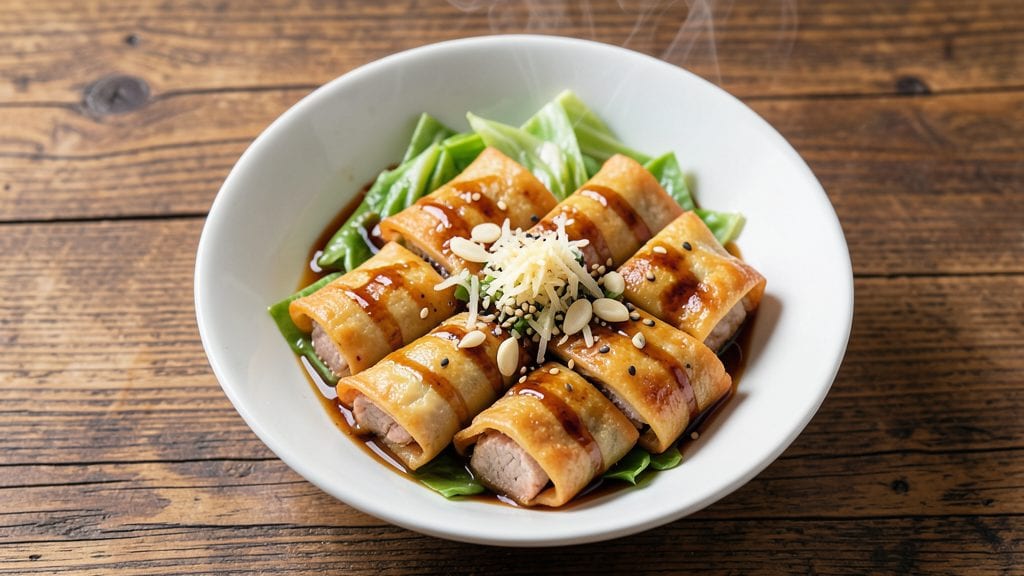
This traditional Chinese egg roll recipe delivers the crispy, golden-brown wrappers and savory pork-cabbage filling you crave from your favorite dim sum spot. The secret lies in properly layering the filling and achieving that signature shatteringly crisp exterior through precise frying techniques.
I've perfected this version after years of experimenting with both homemade wrappers and store-bought options—each method has its advantages, and I'll show you both.
The filling begins with finely diced pork that's cooked until just tender, then combined with shredded cabbage, garlic, ginger, and a blend of soy sauce, sesame oil, and white pepper for that authentic umami depth.
The wrappers—whether you make them from scratch or use high-quality wonton skins—must be handled carefully to prevent cracking during assembly. This is where the real artistry comes in: rolling the filling tightly without tearing, creating those perfect cylindrical shapes that will fry up beautifully.
What makes these egg rolls truly special is the frying process. Pan-frying in small batches ensures even cooking and that signature crispy texture throughout, while deep-frying delivers maximum crunch for those who prefer extra-crispy results.
The aroma alone as they emerge from the hot oil—golden, glistening, and crackling—will have everyone at the table anticipating that first bite. Each roll delivers a perfect balance of tender pork, crisp vegetables, and that addictive crispy wrapper.
Serve these egg rolls hot with sweet chili sauce or plum sauce for dipping, and you'll have a dish that feels like a celebration on any table. The technique scales perfectly for parties, and leftovers reheat beautifully in the air fryer for a crispy second life.
Let's get started on creating these restaurant-quality egg rolls at home.
Ingredients for traditional chinese egg roll
Pork, cabbage, and crispy wrappers—just the essentials for restaurant-quality egg rolls at home.
| Ingredient | Amount | Notes |
|---|---|---|
| Ground Pork 🐖 | 1 ½ lb | Lean but not too dry |
| Green Cabbage 🥬 | 4 cups | Shredded, outer leaves removed |
| Garlic Cloves 🧄 | 6 cloves | Minced, fresh preferred |
| Fresh Ginger 🌿 | 1 ½ tbsp | Grated, not powdered |
| Light Soy Sauce 🥢 | 3 tbsp | No added sugar preferred |
| Sesame Oil 🫒 | 1 tbsp | Toasted, not flavored |
| White Pepper 🌶️ | ½ tsp | Freshly ground preferred |
| Wonton Wrappers 🍡 | 24 whole | Square, round, or homemade |
| All-Purpose Flour 🌾 | ½ cup | For dusting, if needed |
| Vegetable Oil 🫒 | 3 cups | High smoke point for frying |
| Sweet Chili Sauce 🍶 | ½ cup | For serving, optional |
| Plum Sauce 🍒 | ½ cup | For serving, optional |
| Salt 🧂 | 1 tsp | Adjust to taste |
The pork is the star here, so grab the leanest cut you can find—Costco or Trader Joe's usually have great ground pork options. For the cabbage, green cabbage works best (no red or purple), and you'll want the crispest outer leaves for texture. Fresh ginger and garlic are non-negotiable—they bring that authentic umami punch. Penzeys or the bulk bins at Whole Foods are great spots for high-quality spices. If you're short on time, pre-minced garlic works in a pinch, but fresh is always better. For the wrappers, Martina or King Noodle wonton skins are my go-tos—they're thin and crisp up perfectly. If you're feeling ambitious, you can make homemade wrappers, but store-bought saves time without sacrificing quality.
No sesame oil? Toasted peanut oil works in a pinch, though it has a different flavor. Short on fresh ginger? Ground ginger at half the amount gets you close, but it won’t have the same zing. The cabbage can be swapped for Napa cabbage or bok choy if that’s what you’ve got, but green cabbage is traditional. For the wrappers, if you can’t find wonton skins, spring roll wrappers are a decent substitute, though they’re a bit thicker. The filling can be prepped ahead and refrigerated for up to 2 days—just let it come to room temp before rolling. And if you’re making a big batch, double the filling and freeze half for next time.
These egg rolls are best served immediately after frying—crispy and hot is the name of the game. For leftovers, store them in an airtight container and reheat in the air fryer at 375°F for 3-4 minutes to restore that crispy texture. They’ll keep for 2 days in the fridge, though the wrappers get softer over time. Freeze any extras on a tray first, then transfer to a bag—they’ll last for up to 3 months. Pro tip: Keep the oil hot when frying, and don’t overcrowd the pan. Small batches mean crispier rolls every time.
Why You'll Love This Recipe
- Pantry-Friendly Fillings: I swear by this combo—no fancy ingredients, just pork, cabbage, and those little jars of ginger and garlic. Honestly, if you’ve got a fridge and a cutting board, you’re golden.
- Umami Bomb: That light soy sauce? It’s the secret weapon. The pork stays juicy, the cabbage gets tender but still holds shape, and the garlic-ginger punch makes every bite pop—like a little flavor explosion you didn’t see coming.
- Double-Duty Dinner: Make a big batch and freeze half. Later, when you’re starving but don’t want to cook, toss them in a pan with a splash of water—crispy, ready in minutes. (Yes, even on a Tuesday night.)
- Budget Meal Hero: Ground pork stretches far, cabbage lasts forever, and the spices cost pennies. Between us, this is the kind of recipe that makes me feel like I’m feeding a crowd without breaking the bank. My wallet thanks me every time.
Step-by-step instructions for traditional Chinese egg rolls
Here's how to make authentic, crispy egg rolls with perfect texture every time.
Prepare the Filling with Perfect Seasoning
In a large bowl, combine the 1.5 lb ground pork, 4 cups shredded green cabbage, 6 minced garlic cloves, and 1.5 tbsp grated fresh ginger. Mix gently just until the cabbage wilts slightly—overmixing releases too much moisture, which makes the egg rolls soggy later.
Add 3 tbsp light soy sauce, 1 tbsp sesame oil, 0.5 tsp white pepper, and 1 tsp salt. Stir well to distribute the seasoning evenly. Let the mixture sit for 10 minutes—this allows the flavors to meld and the cabbage to soften slightly without losing its texture. The filling should look moist but not wet, with visible cabbage strands still intact.
Shape and Assemble the Egg Rolls
Lay out 24 wonton wrappers on a clean surface. Place about 1 tablespoon of the pork-cabbage mixture in the center of each wrapper, about 1 inch from the bottom edge. Fold the bottom edge over the filling, then fold in the sides, and finally roll tightly from the bottom up, sealing the edge with a dab of water if needed.
I press gently but firmly as I roll—this creates a compact shape that fries evenly. If the filling feels too loose, chill the mixture for 15 minutes before assembling. The goal is a neat, cylindrical roll with no gaps where oil could seep in during frying. Work quickly to prevent the wrappers from drying out.
Fry to Golden Perfection
Heat 3 cups vegetable oil in a deep skillet or Dutch oven to 350°F. Use a deep-fry thermometer to monitor the temperature—it should stay steady between 340-360°F for even frying. Fry 4-5 egg rolls at a time, turning occasionally, until they're deep golden brown on all sides, about 3-4 minutes total.
Don't overcrowd the pan or the oil temperature will drop, leading to greasy instead of crispy egg rolls. Drain on a wire rack or paper towels—this prevents steam from making them soggy. The key is removing them when the wrappers are golden but the filling is still warm inside. If they brown too quickly, reduce the heat slightly next time.
Serve with Classic Dipping Sauces
Arrange the crispy egg rolls on a serving platter while still warm. Serve immediately with 0.5 cup sweet chili sauce and 0.5 cup plum sauce on the side. The contrast of sweet, spicy, and tangy flavors cuts through the richness of the fried wrappers beautifully.
For extra authenticity, sprinkle with a pinch of white pepper just before serving. The sauce should cling to the crispy exterior without soaking through—proof of a properly fried egg roll. These taste best fresh out of the fryer, so serve them right away while the wrappers are still shatteringly crisp.
Pro Tips For Making Traditional Chinese Egg Roll
- Blister the Cabbage: After making these dozens of times, I learned the cabbage needs a serious sear—cut it into 1-inch pieces, toss with 1 tsp salt, and stir-fry on high heat for 3-4 minutes until edges darken. This crunch is the soul of egg rolls; undercooked cabbage turns mushy and sad.
- Pulse Pork Twice: Pulse the ground pork in a food processor (not a blender) for 10 seconds, then rest it 5 minutes before adding wet ingredients. This mimics commercial egg roll texture—too-fine grinding makes it dense, while overworking dries it out. (Yes, even if you’re impatient like me.)
- Salt the Ginger: My grandmother swore by this: grate the ginger, toss it with ½ tsp salt, and let it sit 5 minutes before cooking. The salt draws out moisture, making it release flavor more evenly—no more bitter chunks hiding in your filling.
- Freeze the Rolls: Assemble the egg rolls, then wrap them in plastic wrap and freeze for 30 minutes. The cold filling tightens the wrappers, so they don’t unravel when frying. (I skipped this once and lost half my batch to wrapper chaos.)
Common mistakes when making great traditional chinese egg roll
Overmixed Filling
I’ve ruined more egg rolls than I care to admit by overmixing the filling. When you combine the pork and cabbage, stir just until the cabbage wilts slightly—about 10-15 gentle stirs. Overmixing releases excess moisture, which turns your crispy wrappers into soggy shells.
The filling should look moist but not wet, with visible cabbage strands. If it looks like a loose slurry, let it rest for 15 minutes to firm up before rolling. 🥬
Uneven Filling Distribution
Skipping the 10-minute rest after seasoning the filling leads to uneven distribution when rolling. The cabbage releases water as it softens, and without resting, the filling can become too loose in some spots and dry in others.
Weigh or measure 1 tablespoon per wrapper for consistency—I use a small kitchen scale for precision. If the filling feels too loose, chill it for 15 minutes to tighten up before assembling.
Wrapper Overhandling
Wonton wrappers dry out fast, and once they do, they crack during rolling. Keep them covered with a damp towel while assembling to maintain pliability. Work quickly and use lightly dusted flour (not too much!) only if they feel sticky.
If a wrapper tears, patch it with a tiny dab of water—just enough to seal, not soak. I’ve learned this the hard way: prep your workspace with all wrappers, filling, and tools within arm’s reach to avoid delays.
Incorrect Frying Temperature
The oil temperature is everything—too low and you get greasy rolls; too high and they burn before cooking through. Use a deep-fry thermometer to maintain 340-360°F. If your oil isn’t hot enough, the wrappers will absorb oil instead of crisping.
Fry in small batches (4-5 rolls max) to avoid dropping the temperature. A Dutch oven is ideal for even heat distribution. Test with a wooden chopstick: if bubbles form around it, the oil is ready. 🔥
Overcrowding the Pan
I’ve seen home cooks stuff an entire batch into the fryer at once, thinking it’ll save time. Big mistake. Overcrowding lowers the oil temperature, causing the rolls to steam instead of fry. This leads to soggy wrappers and uneven cooking.
Stick to 4-5 rolls per batch, turning occasionally, and keep the oil hot between batches. If you’re making a big batch, work in two pans—it’s worth the extra effort for that perfect crunch.
Skipping the Resting Step
Freshly fried egg rolls are delicious, but they’re even better after a 5-minute rest on a wire rack. This lets the filling set slightly while keeping the wrappers crisp. Serving them immediately can cause the filling to ooze out, especially if the rolls are overstuffed.
I like to arrange them on a platter, sprinkle with white pepper**, and let guests dig in while still warm. 💫
Nutrition facts
Frequently asked questions
Can I make the egg roll wrappers from scratch?
Traditional Chinese egg roll wrappers are made with a simple dough of all-purpose flour, water, and a pinch of salt. Roll it thin, cut into circles, and use just like store-bought wonton skins. The homemade version gives a delicate, crisp texture—but they take about 30 minutes to prepare. For convenience, store-bought wrappers work perfectly and save time.
What if my egg rolls turn out greasy instead of crispy?
Greasy egg rolls usually mean the oil wasn't hot enough (340-360°F) or the pan was overcrowded. Use a deep-fry thermometer to monitor temperature, and fry 4-5 rolls at a time. If they brown too quickly, reduce heat slightly. For extra crispiness, drain on a wire rack instead of paper towels to prevent steam from making them soggy.
How do I store leftover egg rolls without losing crispiness?
Store them in an airtight container at room temperature for 1 day max. For longer storage, freeze on a tray first (to prevent sticking), then transfer to a bag for up to 3 months. Reheat in an air fryer at 375°F for 3-4 minutes or pan-fry in fresh oil for 1-2 minutes per side to restore crispiness.
Can I substitute pork with another protein?
Yes! Shrimp or chicken work well—just cook the protein first to remove excess moisture. For shrimp, use 1 lb peeled and chop finely. For chicken, grind 1.5 lb breast meat or finely dice. Shrimp adds a delicate sweetness, while chicken gives a lighter texture. Avoid lean ground beef—it can make the filling dry and crumbly.
Why does my filling sometimes leak out when frying?
This happens when the filling is too loose or the rolls aren't sealed tightly. Chill the filling for 15 minutes before rolling to firm it up, and press firmly while shaping. Seal edges with a dab of water or lightly flour the wrapper if sticky. Overstuffing is another culprit—use 1 tablespoon per wrapper max for a neat, compact roll.