
Beverages
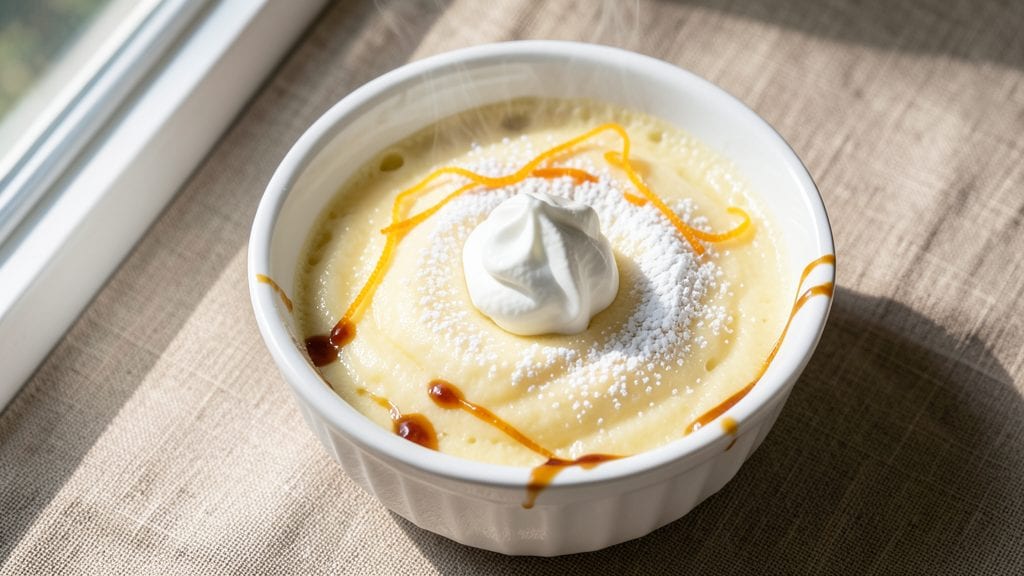
This steamed egg pudding recipe delivers the perfect balance of silky smoothness and delicate vanilla-orange flavor that transforms a simple dessert into something truly special. After years of testing different techniques, I’ve refined this method to achieve that signature jiggly, custard-like texture that makes it irresistible.
The secret lies in precise steaming and a touch of citrus zest that brightens every bite.
The beauty of this recipe is its simplicity—just six core ingredients come together to create a dessert that feels luxurious without requiring advanced skills. Steaming ensures the pudding stays tender and velvety, while the vanilla-orange twist adds a sophisticated depth that elevates it beyond basic custards.
It’s the kind of dessert that feels both comforting and elegant, perfect for brunch or a light afternoon treat.
By the time you’re done, you’ll have a dish that’s smooth, slightly wobbly, and infused with warm vanilla and bright orange notes. The aroma alone will have everyone gathering around, and the first bite delivers that perfect contrast of creamy texture with a hint of citrus freshness.
This is dessert-making at its most refined yet accessible.
Once mastered, you can easily adapt the recipe with matcha, coconut, or chocolate for endless variations. The technique remains the same—just swap the flavors to suit your taste. Let’s get started on creating this silky-smooth masterpiece.
Ingredients for steamed egg pudding
Six ingredients transform into velvety perfection with just a touch of citrus magic.
| Ingredient | Amount | Notes |
|---|---|---|
| Large Eggs 🥚 | 6 whole | Room temperature for even blending |
| Granulated Sugar 🍯 | ½ cup | Superfine preferred for silky texture |
| Unsalted Butter 🧈 | ¼ cup | Cold, cubed for smooth incorporation |
| Heavy Cream 🥛 | 1 cup | Full-fat for luxurious texture |
| Pure Vanilla Extract 🌸 | 1 tbsp | High-quality Madagascar preferred |
| Orange Zest 🍊 | 1 tbsp | Freshly grated from organic orange |
| Diamond Crystal Kosher Salt 🧂 | ¼ tsp | Fine grain for delicate seasoning |
| Water 💧 | ¼ cup | Room temperature for proper steam |
The eggs are the foundation—room temperature is non-negotiable for that signature silky texture. Pasture-raised eggs from Crowd Company or your local farm market elevate the flavor, but any high-quality eggs work. The butter? European-style butter like Plugrá has higher fat content, making the pudding even richer. If you can't find superfine sugar, pulse regular granulated sugar in a food processor for 30 seconds—it dissolves beautifully. The orange zest needs to be freshly grated; pre-packaged zest loses its bright punch within days.
No vanilla extract? Vanilla bean paste works beautifully—just use half the amount. Substituting heavy cream with half-and-half cuts richness but keeps the texture. For a dairy-free option, swap the butter and cream for coconut milk, though the texture will be slightly firmer. The water is crucial—room temperature ensures even steaming. If you're short on time, microwave the water for 20 seconds to warm it. And if you can't find Diamond Crystal salt, Morton kosher salt works just as well—just taste as you go.
This pudding reheats beautifully—gentle warming on the stovetop with a splash of cream brings it back to life. Store leftovers in an airtight container for up to 3 days in the fridge, though it's best enjoyed fresh. For make-ahead prep, assemble the mixture and refrigerate it overnight before steaming—the flavors meld even more deeply. The aroma alone will have everyone anticipating dessert, and the first bite delivers that perfect balance of creamy, citrus-kissed perfection.
Why You'll Love This Recipe
- No Fuss Setup: I swear by this recipe because it’s the kind of dessert that doesn’t demand a perfectly organized kitchen. You just whisk eggs, sugar, and cream—no folding, no tempering, no stress. The butter and vanilla melt right into the mix while steaming, so you’re not standing over a hot stove for hours.
- Velvet Smooth Magic: That first bite of silky pudding with a whisper of vanilla and a hint of buttery richness? It’s like dessert hugs your taste buds. The heavy cream gives it that luxurious mouthfeel, while the sugar caramelizes just enough to add depth without overpowering.
- Breakfast or Dessert: Honestly, I make this for both. Serve it warm with a sprinkle of sugar for a cozy breakfast, or chill it overnight and top with fresh berries for a no-bake dessert. It’s my go-to for lazy mornings or when I need something sweet without the effort.
- Leftovers That Taste Better: Between us, this pudding actually improves overnight. The flavors meld, and the texture gets even smoother. I always double the batch because it’s the kind of thing that disappears fast—whether I’m reheating slices for breakfast or sneaking bites straight from the fridge.
Step-by-step instructions for silky steamed egg pudding
Here's how to create this velvety, aromatic dessert with a perfect vanilla-orange balance every time.
Whisk Eggs and Sugar Until Ribbon Stage
In a heatproof mixing bowl, combine the 6 whole large eggs and 0.5 cup granulated sugar. Using a whisk or electric mixer, beat on medium-high speed for 5-7 minutes until the mixture becomes pale yellow and triples in volume. You'll know it's ready when you lift the whisk and see a clear ribbon trail that holds its shape for 2-3 seconds—this lightness is crucial for that signature silky texture.
I prefer using room-temperature eggs here—they blend more smoothly and create fewer air pockets that could lead to a dense pudding. If your eggs are straight from the fridge, let them sit at room temperature for 15 minutes before starting. This step ensures the eggs incorporate air evenly, which translates directly to that luxurious, cloud-like consistency we're after.
Incorporate Butter, Cream, and Seasonings
Reduce the mixer speed to low and gradually add the 0.25 cup cold cubed unsalted butter, mixing just until completely melted and evenly distributed. This gradual approach prevents butter lumps that could create graininess in our final texture. Next, pour in the 1 cup heavy cream while continuing to mix on low speed until fully incorporated.
Add the 1 tablespoon pure vanilla extract and 1 tablespoon orange zest, mixing just until combined. Sprinkle in the 0.25 teaspoon diamond crystal kosher salt and the 0.25 cup room-temperature water, giving everything one final gentle stir. The orange zest should be finely grated—no visible chunks—to distribute evenly throughout the pudding. This is where that bright citrus aroma gets properly infused into the custard base.
Strain for Perfectly Smooth Texture
Line a fine-mesh strainer with cheesecloth or a coffee filter over another clean bowl. Pour the egg mixture through the strainer, pressing gently with a rubber spatula to extract every last bit of liquid. This crucial step removes any potential egg whites or cooked bits that could create texture inconsistencies in our final pudding. The result should be an impossibly smooth, luminous custard with no visible streaks.
I can't stress enough how transformative this straining step is—it's what separates good pudding from exceptional pudding. The mixture should now have the consistency of heavy cream, with just enough body to hold its shape when poured. If you notice any residual thickness, gently whisk again for 30 seconds to restore that silky uniformity before proceeding.
Steam Until Just Set
Prepare a steamer by filling a pot with 2 inches of water and bringing it to a gentle simmer over medium heat. Place a heatproof plate or cake pan in the steamer, then carefully pour the strained egg mixture into 4 individual ramekins or a single larger baking dish. The ramekins should be filled only ¾ full—this prevents overflow during steaming.
Cover the ramekins tightly with aluminum foil, creating a seal that traps steam inside. Place them in the steamer and cover with a lid. Steam over medium-low heat for 25-30 minutes—the pudding is perfectly set when the center is just slightly wobbly but springs back when gently touched with your finger. Overcooking by even 5 minutes will result in a rubbery texture, so resist the temptation to peek before the time is up.
Chill and Serve with Confidence
Remove the ramekins from the steamer and let them cool at room temperature for 10 minutes. Then transfer to the refrigerator and chill for at least 4 hours, preferably overnight**. This extended chilling period allows the flavors to fully meld and the texture to set properly. The pudding should be firm enough to slice cleanly but still maintain that signature custard-like smoothness.
When ready to serve, run a thin knife around the edges of each ramekin to loosen the pudding, then invert onto serving plates. The result should be a domed, silky-smooth pudding with a delicate vanilla-orange aroma that fills the room. Each bite should deliver that perfect balance of sweetness from the sugar, richness from the cream, and bright citrus notes from the zest—all while maintaining that luxurious, melt-in-your-mouth texture we worked so hard to achieve.
Pro Tips For Making Steamed Egg Pudding
- Whisk Eggs Until Ribbon Stage: I learned this the hard way—when the eggs are just slightly thickened but still silky, the pudding turns out light and fluffy. Over-whisking makes it tough; under-whisking means a dense, rubbery mess. Aim for a slow, steady stream when you lift the whisk—if it holds its shape for a second before melting, you’re golden.
- Melt Butter Slowly: Unsalted butter burns faster than you’d think, especially when mixed with sugar. Warm it in the microwave in 10-second bursts, stirring between each, until it’s just melted but not a drop above. Cold butter clumps in the batter, and hot butter can curdle the eggs.
- Don’t Overfill the Molds: This isn’t the prettiest method, but it’s the tastiest—I fill the ramekins only ¾ full. Egg pudding expands more than you’d guess, and overflowing means a soggy, uneven top. If you’re nervous, divide the batter into a second batch rather than risking a spill.
- Steam Over Simmering Water: Sounds weird, but it works: use a steamer basket with about 1 inch of water below, and keep it at a gentle simmer—not a rolling boil. Too much heat turns the edges rubbery, while too little leaves the center undercooked. Check the water every 10 minutes and top it off if needed.
Regional styles of this steamed egg pudding
Japanese Chawanmushi
This Japanese steamed egg pudding, called chawanmushi, transforms our recipe into a savory-sweet masterpiece. The classic version includes dashi broth, mirin, and ginger for umami depth, often topped with shitake mushrooms, kamaboko fish cake, and green onions.
The texture remains silky but gains a delicate brothy element when unmolded. I love using Kikkoman dashi powder for convenience while maintaining authentic flavor. 🍶
British Custard Pudding
For a British twist, replace the orange zest with lemon curd and add cardamom pods for warmth. The custard is traditionally baked rather than steamed, but I adapt it here by extending the steaming time to 35 minutes for a firmer set.
Serve with a dusting of powdered sugar and fresh berries. The silky texture remains, but the flavor profile shifts to a more familiar British dessert style. 🍮
Thai Mango Sticky Rice
While not a direct pudding, Thai-inspired mango sticky rice can be elevated with our steamed egg technique. Mix 1 cup coconut milk, 2 tbsp sugar, and 1 tbsp rice flour into the strained egg mixture before steaming.
Top with ripened mango slices and toasted coconut flakes for a fusion dessert that combines Thai flavors with our pudding's luxurious texture. The result is a creamy, slightly chewy dessert with tropical notes. 🥭
Portuguese Pudim Flan
For a Portuguese adaptation, replace the vanilla with cinnamon and orange zest, then pour the mixture into a caramelized sugar crust before steaming. The caramel adds a rich, gooey contrast to the silky pudding.
Use 1 cup brown sugar for the caramel and steam for 20 minutes before chilling. This version keeps the jiggly texture but adds a deep, buttery caramel layer that's signature to flan. 🍯
Modern Matcha Version
Swap the orange zest for 1 tbsp high-quality matcha powder and add ½ tsp vanilla bean paste for depth. The matcha gives a vibrant green hue and earthy, slightly bitter notes that balance the sweetness.
Steam as usual, then dust with powdered matcha before serving. This version is perfect for tea lovers and keeps the silky, velvety texture while offering a completely different flavor profile. 🍵
Spiced Chai Pudding
Infuse the pudding with 1 tsp chai spice blend (cinnamon, cardamom, ginger, cloves) and 1 tbsp honey instead of sugar. The spices steep in the warm egg mixture for 10 minutes before straining.
The result is a warm, aromatic dessert that pairs beautifully with black tea or spiced apple cider. The texture remains luxurious but gains a comforting spice complexity. 🍃
Nutrition facts
Frequently asked questions
Why does my steamed egg pudding turn out grainy?
Graininess usually happens when the eggs aren't properly blended to the ribbon stage or when butter lumps form during mixing. Always whisk eggs and sugar until pale yellow and tripling in volume, then add cold cubed butter gradually at low speed. Straining the mixture through cheesecloth also eliminates any potential texture issues.
Can I make this pudding without a steamer?
Use a bain-marie method: place ramekins in a roasting pan with 1 inch of hot water in the bottom, then cover tightly with foil. Bake at 325°F for 30-35 minutes instead of steaming. The water should never touch the ramekins to prevent sogginess.
How do I know when the pudding is perfectly set?
The pudding is ready when the center is just slightly wobbly but springs back when gently touched with your finger. It should have a custard-like consistency—not completely firm like gelatin, but not liquid either. Overcooking by even 5 minutes will make it rubbery, so resist the urge to peek early!
Can I make this ahead of time?
Yes! Assemble the mixture and refrigerate it overnight before steaming. This actually enhances the flavor development. For best results, steam it the next morning, then chill again for 2 hours before serving. The texture remains silky, and the flavors meld beautifully.
What's the secret to that signature jiggly texture?
The key is proper whisking to the ribbon stage and precise steaming time. The eggs must be fully emulsified with sugar, and the steaming should stop when the center is just set—not firm. Chilling afterward helps the texture firm up while maintaining that delicate wobble. Think of it like a perfect custard—smooth, velvety, and just slightly trembly!