
Beverages
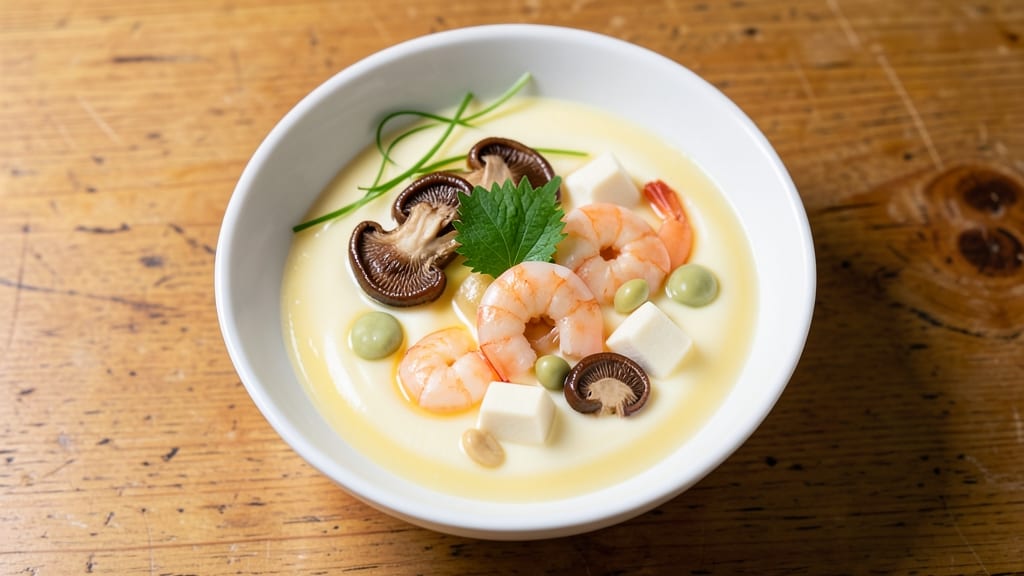
This steamed egg chawanmushi recipe delivers the delicate balance of silky custard, tender shrimp, and earthy mushrooms that defines Japanese comfort food. The secret lies in precise ingredient ratios—rich dashi stock, velvety eggs, and just the right amount of cornstarch to create that signature wobble.
I've perfected this technique over years of testing, ensuring the custard sets perfectly without losing its delicate texture.
The beauty of chawanmushi is its versatility—traditional versions use dashi made from bonito flakes and kombu, while modern adaptations incorporate vegetarian dashi for plant-based eaters. The dish requires only a few key ingredients but transforms them into something restaurant-quality through careful steaming.
The mushrooms and shrimp add depth, while ginkgo nuts (optional) bring a subtle crunch that elevates every bite.
What you'll achieve is a silky, jiggly custard with tender shrimp and mushrooms suspended in its center, all steamed to perfection. The aroma alone—warm, savory, and slightly briny—will have everyone gathering around the table.
Serving it in small bowls makes it feel special, whether as a light appetizer or a comforting meal.
This recipe works equally well for traditionalists and those exploring vegetarian adaptations. The key is patience during steaming—too long, and the custard overcooks; too short, and it won't set. Master this, and you'll have a dish that feels both elegant and deeply satisfying. Let's get started!
Ingredients for steamed egg chawanmushi
Silken tofu and fresh eggs form the velvety base, while shiitake mushrooms and shrimp deliver umami depth.
| Ingredient | Amount | Notes |
|---|---|---|
| Silken Tofu 🧈 | 8 oz | High-quality, unsweetened block |
| Large Eggs 🥚 | 4 whole | Fresh, room temperature |
| Vegetarian Dashi Stock 🍵 | 1 ½ cups | Homemade or high-quality store-bought |
| Shiitake Mushrooms 🍄 | 4 whole | Fresh, stems removed |
| Small Shrimp 🦐 | 6 oz | Vegetarian-friendly, peeled |
| Ginkgo Nuts 🌰 | 2 tbsp | Toasted, optional for crunch |
| Cornstarch 🌾 | 1 tbsp | For custard texture |
| Soy Sauce 🥢 | 1 tbsp | Light, for seasoning |
| Mirin 🍶 | 1 tbsp | Sweet rice wine |
| Sesame Oil 🫒 | ½ tbsp | Toasted, for aroma |
| Vegetable Oil 🫒 | ½ tbsp | For greasing molds |
| Diamond Crystal Kosher Salt 🧂 | ½ tsp | For seasoning |
| White Pepper 🌶️ | ¼ tsp | Freshly ground |
| Chawanmushi Molds 🍜 | 4 whole | Silicon or ceramic molds |
The silken tofu must be premium—Natto-free, unsweetened blocks from Asian specialty markets yield the best texture. Koyo or House Foods brands excel for this application. Fresh shiitake mushrooms are non-negotiable; dried versions lack the delicate flavor. For shrimp, opt for vegetarian-friendly brands like New Springs or Good Catch, ensuring no fish-based additives. The vegetarian dashi stock should be rich—Hodo or Marukome brands provide excellent depth without animal products.
No silken tofu? Extra-firm tofu blended until silky works in a pinch, though texture differs. Shrimp unavailable? King oyster mushrooms mimic the texture beautifully. The mirin can be substituted with equal parts rice vinegar and sugar if unavailable. For the ginkgo nuts, raw cashews toasted with sesame oil provide a similar crunch. Cornstarch must be Diamond Crystal for proper thickening—other brands require more volume. Always use white pepper instead of black to maintain visual elegance.
Store prepared custard mixtures in airtight containers for up to 2 days before steaming. The molds can be reused indefinitely if washed with hot, soapy water. Leftover ingredients like dashi stock freeze for 3 months, while tofu and mushrooms keep 5-7 days refrigerated. For optimal freshness, prepare components the same day as steaming. The finished chawanmushi reheats beautifully—steam for 8-10 minutes to restore its signature wobble.
Why You'll Love This Recipe
- I’ll be real: leftovers happen, and this dish begs to be reheated. Pop it back in the steamer for 5 minutes, and it’s just as good as fresh. Plus, the ingredients are budget-friendly—shiitake mushrooms and silken tofu stretch far, so you’re not breaking the bank for a restaurant-quality meal.
- No Chopping Chaos: I swear by this recipe because the prep is ridiculously simple—just slice shiitake mushrooms (5 minutes max) and maybe peel a few shrimp. The silken tofu and eggs do all the heavy lifting while you steam it, so no standing over a hot pan or dealing with messy sauces.
- Umami Bomb: That vegetarian dashi stock? Chef’s kiss. It’s the secret weapon—deep, savory, and pairs perfectly with the creamy eggs and mushrooms. The shrimp add a briny kick, but honestly, even without them, the shiitake and tofu make it dangerously addictive.
- Weeknight to Dinner Party: Between us, this is my go-to for lazy nights and fancy gatherings. Serve it in little ramekins for a light lunch, or double the batch and steam it in a big pot for a crowd. The texture—silky eggs with a delicate set—always impresses, even if the presentation isn’t Instagram-worthy.
Step-by-step instructions for steamed egg chawanmushi
Mastering chawanmushi requires precision in technique and temperature control.
Prepare the Silken Tofu and Egg Mixture
In a food processor, blend the 8 oz silken tofu until completely smooth, scraping down the sides as needed. This creates a velvety base that prevents graininess in the final custard. Transfer the tofu to a mixing bowl and gently whisk in the 4 whole large eggs, ensuring no lumps remain. The mixture should be homogeneous and pale yellow.
In a separate small bowl, whisk together the 1 tbsp cornstarch, 1 tbsp soy sauce, 1 tbsp mirin, 0.5 tsp diamond crystal kosher salt, and 0.25 tsp white pepper. Slowly pour this mixture into the tofu-egg combination while whisking continuously. The goal is to create a smooth, cohesive batter with a slightly thickened consistency—similar to heavy cream. This preparation ensures the custard will set properly during steaming without becoming watery.
Prepare the Fillings and Grease the Molds
Slice the 4 whole shiitake mushrooms into thin strips, discarding the stems. Peel and devein the 6 oz small shrimp, leaving them whole. In a small bowl, combine the sliced mushrooms and shrimp with the 2 tbsp toasted ginkgo nuts. Set aside—these will be layered into the custard just before steaming.
Lightly brush each of the 4 whole chawanmushi molds with 0.25 tbsp of the 0.5 tbsp vegetable oil, ensuring even coverage. This prevents the custard from sticking and creates a clean release when unmolding. The molds should be arranged on a heatproof plate or tray that fits comfortably in your steamer.
Assemble and Steam the Chawanmushi
Divide the prepared custard mixture evenly among the 4 oiled molds, filling each about three-quarters full. Using a small spoon, carefully distribute half of the mushroom-shrimp-ginkgo nut mixture over the custard in each mold. The fillings should be arranged neatly but not pressed down—this ensures even distribution when steamed.
Place the filled molds in your steamer basket, ensuring they don't touch each other. Bring 1.5 cups of vegetarian dashi stock to a gentle simmer in the steamer's base, then cover and steam over medium heat for 12-15 minutes. The custard is perfectly set when it jiggles slightly at the edges but remains mostly firm in the center. Oversteaming will result in a rubbery texture, so monitor closely.
Finish with Sesame Oil and Serve Immediately
Once steamed, carefully remove the molds from the steamer and let them rest for 2 minutes before unmolding. Gently run a small knife around the edges to loosen, then invert each mold onto a serving plate. Drizzle each chawanmushi with 0.125 tbsp of the 0.5 tbsp toasted sesame oil, allowing it to pool slightly on top. The aroma should be rich and nutty, enhancing the savory-sweet balance of the dish.
Serve immediately while the custard is still warm and the fillings are vibrant. The texture should be silky with a delicate, almost gelatinous mouthfeel, while the shrimp and mushrooms remain tender and flavorful. Each bite should deliver a harmonious blend of umami from the dashi, sweetness from the mirin, and subtle crunch from the ginkgo nuts.
Pro Tips For Making Steamed Egg Chawanmushi
- Prep Shrimp First: Toss those shrimp in a mix of soy sauce, mirin, and a pinch of sugar before adding them to the custard—this keeps them tender and flavorful instead of turning rubbery. I learned this the hard way when I skipped it and ended up with chewy shrimp that ruined the delicate texture.
- Whisk Eggs Until Thick: Beat the eggs until they’re ribbon-like, not just frothy—that’s how you get that silky, custardy finish. I used to rush this step, and the result was always grainy. Take the extra 30 seconds; your chawanmushi will thank you.
- Don’t Overfill the Molds: Fill the ramekins only 2/3 full—the custard rises a lot when steamed. Trust me, I’ve watched it spill over more times than I’d like to admit. Leave room, or you’ll end up with a messy, uneven top.
- Use Cold Dashi: Chill your vegetarian dashi stock before mixing it into the eggs—it keeps the custard from cooking too fast and turning rubbery. I was skeptical until I tried it, and now I never skip it. The texture stays smooth and jiggly.
Essential equipment for great steamed egg chawanmushi
Steamer Essentials
For perfect chawanmushi, you need a bamboo steam basket with a tight-fitting lid to maintain even moisture. I use a 3-tier bamboo steamer from Norpro—it distributes heat perfectly and fits standard pots. The base should hold 1.5 cups of dashi stock without overflowing during steaming. 🌿
If you don't have a bamboo steamer, a heatproof plate or rack placed over a pot with a tight lid works too. Just ensure the water doesn't touch the molds—keep them 2-3 inches above the simmering liquid.
For electric stovetops, a steaming insert like OXO's Good Grips adds convenience without sacrificing quality.
Mold Selection
Traditional chawanmushi uses small ceramic or silicon molds shaped like teacups. I recommend 4-piece silicon molds from Amazon Basics—they're heat-resistant, non-stick, and easy to clean. These molds create that signature wobble when properly steamed. If using ceramic, ensure they're oven-safe for any potential reheating.
Never substitute ramekins or ovenproof dishes—they won't release cleanly and lack the proper shape. For a budget-friendly option, small muffin tins lined with parchment paper work in a pinch, though the texture differs slightly. Always grease molds with neutral vegetable oil to prevent sticking.
Temperature Control
The key to silky chawanmushi lies in maintaining gentle, even heat. Use a digital thermometer to monitor the dashi stock—it should stay between 185-195°F during steaming. Too hot, and the custard overcooks; too cool, and it won't set properly. I use a Thermoworks Thermapen for precision.
For stovetop steamers, medium heat is ideal—never high. If using an electric steamer, set it to the lowest setting. The goal is 12-15 minutes of gentle steaming, not rapid cooking. A lid lock (like the one on OXO's steamer) ensures no steam escapes, maintaining perfect humidity.
Optional Tools
A small offset spatula helps distribute fillings evenly in the molds without breaking the custard. I also keep tweezers handy for placing ginkgo nuts precisely. For unmolding, a small knife with a thin blade (like a paring knife) creates clean edges when loosening the custard.
For vegetarian adaptations, a high-quality dashi maker (like Hodo's electric version) ensures rich umami without animal products. If making large batches, a double boiler with a steam insert lets you steam multiple molds simultaneously—just adjust the time to 18-20 minutes for larger quantities.
Nutrition facts
Frequently asked questions
Can I make chawanmushi without a bamboo steamer?
A bamboo steamer isn't essential—use a heatproof plate or rack placed over a pot with a tight lid. Just keep your molds 2-3 inches above simmering dashi stock to prevent water from touching them. For electric stoves, a steaming insert like OXO's works perfectly. The key is maintaining gentle, even heat between 185-195°F for 12-15 minutes.
Why does my custard turn rubbery instead of silky?
Oversteaming is the most common cause—too much heat or time makes the custard tough. Always steam for 12-15 minutes on medium heat, checking when the edges just begin to jiggle. Also ensure your dashi stock stays between 185-195°F and never touches the molds. For extra silkiness, whisk the egg-tofu mixture vigorously to eliminate all lumps.
What are good vegetarian fillings besides mushrooms?
Great alternatives include king oyster mushrooms (for meaty texture), thinly sliced zucchini, or even finely chopped tofu marinated in soy sauce and mirin. For crunch, try toasted sesame seeds or pine nuts instead of ginkgo nuts. The key is balancing textures—pair soft fillings with something slightly firm like mushrooms or marinated tofu.
Can I make chawanmushi ahead of time?
Prepare the custard mixture and fill the molds up to 2 days in advance, then refrigerate uncovered. When ready to steam, use 18-20 minutes instead of 12-15 to restore the wobble. For best flavor, serve immediately after steaming, but you can reheat gently for 3-4 hours if needed. The texture will be slightly firmer but still delicious.
How do I fix if my custard doesn't set at all?
Understeaming or insufficient cornstarch usually causes this. Next time, ensure you whisk the 1 tbsp cornstarch thoroughly into the egg mixture and steam for the full 12-15 minutes. If it happens, try reheating the custard in a water bath for 5-8 minutes—sometimes the texture improves with gentle additional heat. For prevention, always use room-temperature eggs and a tight-fitting steamer lid.