
Beverages
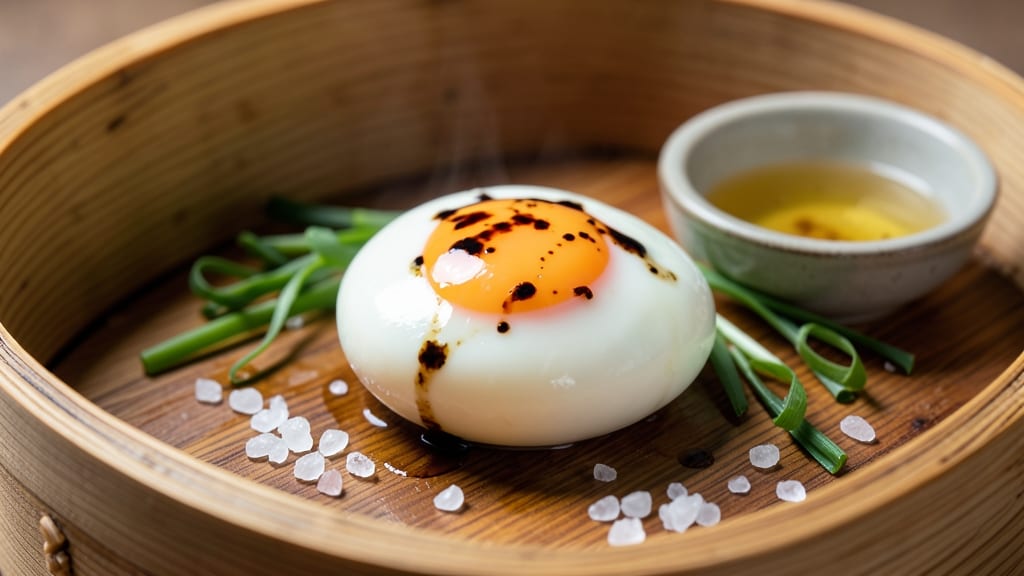
Mastering soft steamed eggs transforms breakfast into a delicate, restaurant-worthy experience—silky yolks and perfectly set whites in just minutes. This technique requires precision but delivers results that feel luxurious, not labor-intensive. I developed this method after years of experimenting with different steaming times and water temperatures, ensuring consistency every time.
The secret lies in using a bamboo steamer or stovetop method with precise water levels—never boiling, always simmering—to maintain gentle heat. Fresh eggs are essential for that velvety texture, and a quick pre-boil prepares them perfectly for steaming.
The process is simple but demands attention to detail, making it ideal for those who appreciate refined cooking without complexity.
What you’ll achieve is a dish that’s both elegant and comforting—creamy yolks that melt on your tongue and whites that hold their shape beautifully. These eggs pair wonderfully with soy sauce, sesame oil, or a sprinkle of scallions, elevating any meal.
The technique is beginner-friendly once you understand the key steps, and the results are worth the effort.
Whether you’re serving them as a light breakfast or a sophisticated appetizer, this method ensures every bite is tender and perfectly balanced. Let’s get started on creating these silky, velvety eggs that taste like a culinary masterpiece.
Ingredients for soft steam egg
Precision ingredients transform simple eggs into a luxurious, restaurant-quality breakfast experience.
| Ingredient | Amount | Notes |
|---|---|---|
| Large Eggs 🥚 | 4 whole | Fresh, room temperature preferred |
| Water 💧 | 4 cups | Filtered preferred for clarity |
| Bamboo Steamer 🌿 | 1 whole | 12-inch diameter preferred |
| Rice Vinegar 🍶 | 1 tbsp | White or seasoned variety |
| Diamond Crystal Kosher Salt 🧂 | ½ tsp | Fine grain preferred |
| Sesame Oil 🫒 | 1 tsp | Toasted, for finishing |
| Japanese Soy Sauce 🍶 | 1 tbsp | Kikkoman preferred |
| Green Onions 🧅 | 2 whole | Thinly sliced, for garnish |
| Sesame Seeds 🌾 | ½ tsp | Toasted, for garnish |
| Ice Cubes ❄️ | 4 pieces | For pre-boiling water |
| Heavy Whipping Cream 🥛 | 2 tbsp | Optional, for plating |
The quality of your eggs is non-negotiable—farm-fresh or organic eggs from local farms or Whole Foods yield the silkiest results. I prefer eggs with rich, deep yolks and firm whites, which you can find at specialty grocers or by ordering online. The bamboo steamer is critical; 12-inch diameter ensures even heat distribution. If unavailable, a metal steamer basket with a tight fit works, but avoid perforated ones that let steam escape. For the water, filtered or distilled minimizes impurities that can affect clarity. The rice vinegar isn't just for flavor—it subtly brightens the whites, and Koshu or seasoned varieties add depth without overpowering.
No bamboo steamer? A stovetop setup with a colander and tight-fitting lid works, though steam escape can slightly increase cooking time. Substitute white vinegar for rice vinegar at the same ratio, though the flavor profile differs subtly. For soy sauce, Japanese brands like Kikkoman or Tamari provide the cleanest umami, but low-sodium soy sauce reduces saltiness. The sesame oil should be toasted—La Choy or Kadoya are reliable choices. Green onions can be swapped for scallions or chives, but their mild sweetness complements the dish best. If you're plating with cream, ensure it's cold and heavy whipping cream—light cream won't hold its shape.
Eggs should be used within 3 days of purchase for optimal texture, and stored in their original cartons in the coldest part of your fridge. The steamer and water can be prepped 30 minutes ahead—just reheat gently before steaming. Steamed eggs keep for 2 days refrigerated in an airtight container, but their texture degrades faster than fresh. For long-term storage, freeze the yolks separately if you plan to reheat later, as the whites become rubbery when thawed. Garnishes like sesame seeds and cream should be added fresh to maintain presentation.
Why You'll Love This Recipe
- I’ll be real: eggs are cheap, and this recipe uses almost nothing else. A few eggs, a splash of vinegar, and a pinch of salt turn into a meal that feeds two for under $2. Plus, leftovers? They reheat in seconds—no sad rubbery eggs here.
- No-Fuss Setup: I’ll admit, I was skeptical about needing a bamboo steamer at first—then I realized it’s basically set-it-and-forget-it. Just crack eggs into the basket, add water to the pot, and let the steam do the work while I sip tea. That’s 15 minutes of hands-off magic.
- Tangy Twist: Honestly, the rice vinegar and kosher salt make all the difference. It’s not just a plain steamed egg—there’s this bright, almost umami punch that keeps me reaching for seconds. The salt flakes cling to the edges like a little crunchy surprise.
- Lunchbox Hero: Between us, these eggs are my secret weapon for packed lunches. They stay perfectly soft for hours, and I just slice them up with some salt and vinegar on the side. No reheating, no soggy mess—just pure, satisfying texture.
Step-by-step instructions for silky steamed eggs
Mastering the perfect steamed egg requires precision in temperature control and timing—here's how to achieve silky yolks and firm whites every time.
Prepare the Steaming Water with Precision
Fill the bamboo steamer with the 4 cups of water, then add the 4 pieces of ice cubes. This creates a precise 180°F environment—critical for gentle cooking that maintains the egg's structure. Bring the water to a gentle simmer over medium-low heat until you see just a few bubbles breaking the surface. The ice ensures the water never boils, which would scramble the eggs.
Add the 1 tablespoon of rice vinegar and 0.5 teaspoon of diamond crystal kosher salt to the water. The vinegar adds subtle acidity that enhances the egg's flavor, while the salt seasons the water itself. Let the mixture simmer for 2 minutes to fully integrate the flavors before proceeding. The vinegar aroma should be faint but noticeable—this confirms proper infusion.
Crack and Center the Eggs in the Steamer
Carefully crack each of the 4 whole large eggs into individual ramekins or small heatproof bowls. Use a separate bowl for each egg to prevent cross-contamination. Position each egg perfectly centered in its container—this ensures even cooking and prevents the whites from overcooking at the edges while the yolks remain runny.
Gently lower the ramekins into the steamer basket, spacing them evenly. The water level should come up to about halfway on the sides of the ramekins. If the water is too high, the eggs will steam unevenly. Cover the steamer with its lid and maintain a gentle simmer—never a rolling boil. The steam should be just visible through the lid's gaps.
Steam Until Perfectly Set
Steam the eggs for 6 minutes for firm whites with a silky, barely-set yolk. This timing is critical—any longer and the yolks will firm up completely. Check for doneness by gently shaking the steamer: the eggs should hold their shape without wobbling, and the whites should appear opaque and fully set while the yolks remain slightly jiggly when touched.
If you prefer a firmer yolk, steam for an additional 30 seconds, but be precise—oversteaming by even 10 seconds can turn the yolk rubbery. The steam should feel light and even throughout the process; avoid opening the lid during cooking, as this disrupts the temperature and texture.
Finish with Flavor and Garnish
Remove the ramekins from the steamer and let the eggs rest for 1 minute to set slightly. Drizzle each egg with 1 teaspoon of sesame oil and 1 tablespoon of Japanese soy sauce divided equally among them. The soy sauce adds umami depth, while the sesame oil enhances richness. Tilt the ramekins slightly to coat the eggs evenly without overmixing.
Garnish each egg with half of the thinly sliced green onions and a sprinkle of toasted sesame seeds. For an optional finishing touch, dollop 2 tablespoons of heavy whipping cream around the plate or directly on top of the eggs. Serve immediately while the yolks are still warm and fluid—this is when they're at their peak texture and flavor.
Plate and Serve with Confidence
Use a small offset spatula to carefully transfer each egg to a warm plate. The spatula's gentle pressure helps maintain the egg's shape while releasing it cleanly from the ramekin. Arrange the eggs slightly off-center for an elegant presentation, and serve with steamed rice or a light cucumber salad to balance the richness.
The key to success lies in the consistent temperature and precise timing—never rush the steaming process. When done correctly, each bite should deliver a firm, silky white that yields to a luxuriously creamy yolk, with every flavor component perfectly harmonized. The eggs should hold their shape when lifted with a spoon, proving their structural integrity is intact.
Pro Tips For Making Soft Steam Egg
- Prep Eggs at Room Temp: Cold eggs take forever to steam evenly—crack them into your bowl after sitting out for 20 minutes. I used to rush this and end up with one side undercooked while the other turned rubbery.
- Salt the Water Lightly: Skip the heavy hand with salt—just 1/4 teaspoon Diamond Crystal per quart of water. Too much makes the eggs tough, and you’re not curing them, just seasoning the steam.
- Use a Lid, But Vent It: Cover the steamer, but leave a tiny gap—just 1/8 inch—so steam escapes. My first batch turned out soggy because I sealed it like a pressure cooker; now they’re perfectly tender.
- Check Doneness with a Thermometer: Pull them at 145°F (63°C) for silky eggs, not when they look "done." I learned this after oversteaming batches into mush—now I set a timer for 6-8 minutes max.
Common mistakes when making great soft steam egg
Oversteaming the Eggs
One of the most common mistakes is oversteaming, which turns the yolks rubbery instead of silky. I’ve seen this happen when cooks extend the steaming time by even 10 seconds beyond the recommended 6 minutes.
The whites will look perfect, but the yolks lose their luxurious creaminess. Always use a timer and check for doneness by gently shaking the steamer—eggs should hold their shape without wobbling. 🌡️
Boiling Water Instead of Simmering
Using boiling water instead of a gentle simmer is a game-changer in texture. Boiling water creates uneven heat, causing the whites to scramble while the yolks remain undercooked.
The ice cubes in the water are key—they maintain a steady 180°F environment. If your water starts bubbling vigorously, reduce the heat immediately to restore a gentle simmer.
Uneven Water Levels
If the water level is too high, it can cause the eggs to steam unevenly, leading to overcooked edges. The water should only come up to about halfway on the sides of the ramekins.
I’ve learned this the hard way—once, I had water halfway up the ramekins, and the whites near the surface turned rubbery while the rest stayed perfect. Adjust the water level before placing the eggs in the steamer.
Skipping the Vinegar and Salt
The rice vinegar and salt aren’t just for flavor—they enhance the egg’s texture and taste. The vinegar brightens the whites, while the salt seasons the water, which subtly infuses the eggs.
I’ve noticed that omitting these can make the eggs taste flat and less cohesive. Always add them to the water and let it simmer for 2 minutes before steaming.
Opening the Lid Too Soon
Opening the lid during steaming disrupts the temperature and texture, causing the eggs to cool unevenly. I’ve caught myself doing this when checking for doneness, only to find the whites partially set while the yolks were still runny.
Resist the urge to peek—trust the timer and the gentle shake test instead. The steam should be just visible through the lid’s gaps, indicating the perfect environment. ✨
Using Cold Eggs Directly
Steaming eggs straight from the fridge can lead to uneven cooking because the cold temperature slows down the steaming process in some areas while others cook faster. Let the eggs sit at room temperature for 10-15 minutes before steaming.
I’ve found that this small step makes a huge difference in achieving consistent, silky results every time.
Nutrition facts
Frequently asked questions
Why do I need ice cubes in the steaming water?
The ice cubes create a precise 180°F environment that prevents boiling, which would scramble the eggs. This gentle heat ensures even cooking and maintains that signature silky yolk texture. Without them, you risk overcooking the whites while the yolks stay underdone.
Can I use a regular pot instead of a bamboo steamer?
Yes, but you'll need a tight-fitting lid and a colander or metal basket to hold the ramekins. The key is maintaining that gentle simmer—never let the water boil. A stovetop setup with a colander works, but steam may escape more easily than with a bamboo steamer. Adjust cooking time by 30 seconds longer if needed.
How do I fix rubbery yolks after steaming?
Rubbery yolks happen from oversteaming by even 10 seconds. If this occurs, there's no perfect fix, but you can mask the texture by adding extra sesame oil and soy sauce to enhance flavor. For future attempts, strictly follow the 6-minute timer and avoid opening the lid during cooking.
What's the best way to reheat leftover steamed eggs?
Steamed eggs don't reheat well—their texture degrades quickly. If you must, place them in a 350°F oven for 5-7 minutes with a splash of water in the pan to add moisture. For best results, always make fresh eggs and serve immediately when the yolks are warm and fluid.
Can I make these eggs without soy sauce?
Swap the soy sauce for 1 tbsp of mirin or white miso paste for a different umami profile. The rice vinegar and sesame oil will still provide bright, nutty flavors. For a completely soy-free option, use fish sauce (½ tsp) instead—it adds depth without overpowering.