
Beverages
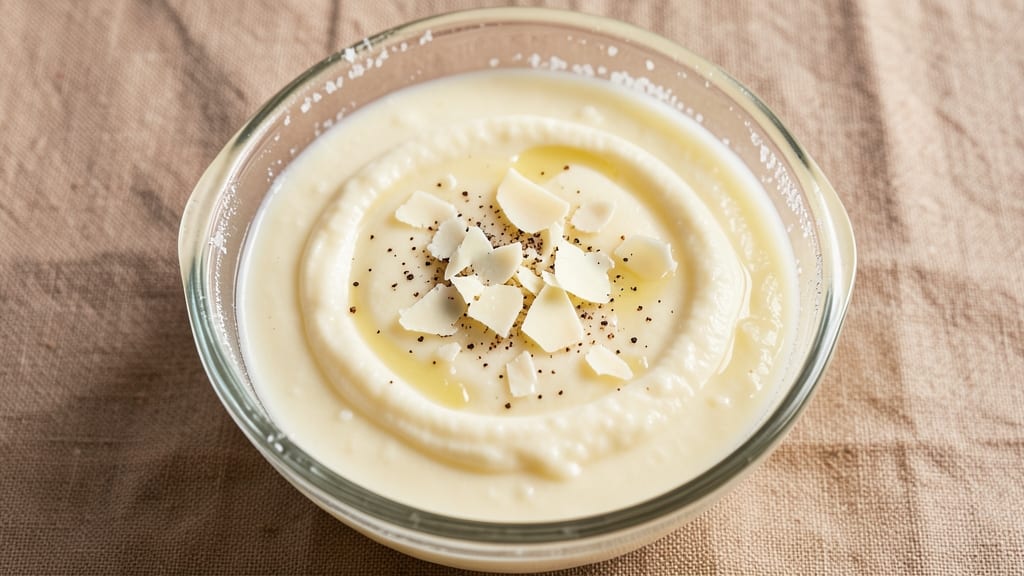
This steamed egg with milk recipe transforms simple ingredients into a luxurious breakfast experience that rivals gourmet dishes. The secret lies in steaming eggs in warm milk, creating a silky, custard-like texture that’s both comforting and elegant—perfect for those who appreciate refined flavors without complexity.
I developed this method after years of perfecting the balance between gentle heat and rich dairy infusion, ensuring every bite delivers that velvety mouthfeel.
The process is surprisingly straightforward: hard-boiled eggs are gently steamed in warm milk until the yolk transforms into a luscious, cloud-like center. This technique not only enhances tenderness but also infuses the eggs with subtle milk sweetness and creaminess.
What makes it truly special is how the milk’s natural fats and proteins meld with the egg proteins during steaming, resulting in a texture that’s impossibly smooth yet still holds its shape.
What you’ll achieve is a dish that’s both visually stunning and deeply satisfying—think of a perfect custard egg, but with the structure of a poached egg. The milk adds a gentle richness that pairs beautifully with toasted bread, fresh herbs, or a sprinkle of flaky salt.
This method also works wonders for those who prefer vegetarian-friendly breakfasts while still craving something indulgent.
Ready in just 15 minutes, this recipe proves that breakfast can be both quick and sophisticated. The key is patience during steaming—don’t rush it—and using whole milk for the best texture.
Whether you’re treating yourself to a special morning or preparing for guests, this dish delivers restaurant-quality results with minimal effort. Let’s get started!
Ingredients for steam egg with milk
Four eggs, two cups milk, and a touch of butter create restaurant-quality breakfast in just 15 minutes.
| Ingredient | Amount | Notes |
|---|---|---|
| Large Eggs 🥚 | 4 whole | Freshly laid for best texture |
| Whole Milk 🥛 | 2 cups | Full-fat for optimal creaminess |
| Unsalted Butter 🧈 | 2 tbsp | Cold, cut into small cubes |
| Diamond Crystal Kosher Salt 🧂 | ½ tsp | Fine grain for delicate seasoning |
| Freshly Ground Black Pepper 🌶️ | ¼ tsp | Freshly cracked for vibrant flavor |
| White Vinegar 🍶 | 1 tbsp | For easier peeling of boiled eggs |
| Ice Cubes ❄️ | 2 cups | For immediate egg cooling |
| Freshly Toasted Sourdough Bread 🍞 | 4 slices | For serving, crusts removed |
| Extra-Virgin Olive Oil 🫒 | 1 tbsp | For drizzling on toast |
| Flaky Sea Salt 🧂 | ¼ tsp | For finishing presentation |
| Fresh Chives 🌿 | 2 tbsp | Finely chopped for garnish |
The eggs are the star, so farm-fresh or organic makes all the difference—they steam into that luxurious cloud-like texture you crave. Trader Joe's or local farmers markets are my go-tos for the best quality. Whole milk is non-negotiable here—it delivers that velvety richness that separates this from regular boiled eggs. If you're using store-bought milk, let it sit out for 30 minutes to warm up naturally before steaming. The butter? European-style unsalted like Plugrá or Miyoko's melts beautifully, adding another layer of depth. Don't skip the vinegar bath—it makes peeling the eggs effortless later.
No whole milk? Heavy cream mixed with water (3 parts cream to 1 part water) works surprisingly well. Running short on butter? Ghee or coconut oil won't compromise the texture. The flaky sea salt is purely for finishing—use Maldon or Jacobsen if you want that perfect crunch. Fresh chives are ideal, but dried chives or parsley at half the amount will do in a pinch. Pro tip: If your eggs aren't perfectly round after steaming, gently press them with a spoon—they'll still taste incredible. This method is vegetarian-friendly but packs protein like a hearty breakfast.
Prep the eggs and milk mixture the night before—it's a 10-minute morning effort that feels luxurious. Store the prepared eggs in their steaming liquid in the fridge for up to 2 days, but they're best enjoyed fresh. The toast can be made ahead and reheated—just drizzle with olive oil right before serving. For extra indulgence, add a sprinkle of toasted sesame seeds or a drizzle of truffle oil (trust me, it's amazing). The leftovers reheat beautifully in warm milk for 2 minutes—like a creamy egg custard!
Why You'll Love This Recipe
- No-Fuss Technique: I swear by this method—just crack eggs into a pan, add milk and butter, and let steam do the work. No flipping, no fuss, just hands-off magic while you stir in that first crack of pepper.
- Creamy Luxury: That velvety milk-egg blend? It’s like a custardy hug in every bite. The butter melts into something rich, and the salt just enhances—no overpowering, just perfect balance.
- Breakfast or Snack: Honestly, I make this for lazy mornings and as a midnight craving fix. Serve it warm with toast, or let it cool slightly for a protein-packed snack—works every time.
- Pantry Staple Power: Five ingredients, zero waste. Whole milk and eggs are cheap, and butter stretches further than you’d think. Plus, leftovers reheat like a dream—just a splash of milk to loosen them up.
Step-by-step instructions for steamed egg with milk
This method delivers restaurant-quality silky eggs in under 20 minutes—no special equipment needed!
Prepare the Egg-Milk Mixture
In a medium heatproof bowl, gently whisk together the 4 whole Large Eggs and 2 cups Whole Milk until fully combined. The mixture should be smooth with no visible streaks of egg white. Add the 0.5 tsp Diamond Crystal Kosher Salt and 0.25 tsp Freshly Ground Black Pepper, whisking just until evenly distributed. This step ensures your eggs will be perfectly seasoned throughout.
Place the bowl in a saucepan filled with about 2 inches of water (enough to come halfway up the sides of the bowl). The water should not touch the mixture—this prevents the eggs from curdling. Bring the water to a gentle simmer over medium-low heat (around 180-190°F). You'll know it's ready when you see small bubbles forming around the edges of the bowl but not boiling vigorously.
Steam the Eggs to Perfect Silky Texture
Once the water reaches a gentle simmer, cover the saucepan with a tight-fitting lid. The steam will create a humid environment that cooks the eggs evenly without scrambling them. Steam for exactly 12-14 minutes—this timing guarantees a creamy, custard-like texture that's neither runny nor dry. Set a timer so you don't overcook them; the eggs will continue to set slightly as they cool.
Here's the pro tip: If you notice the water level dropping significantly during steaming, add a splash of hot water to maintain the gentle simmer. The key is consistent, even heat—any boiling will cause the eggs to curdle. When the time is up, remove the bowl from the saucepan and carefully transfer it to a bowl of ice water (the 2 cups Ice Cubes) to halt the cooking process immediately.
Cool and Prepare the Serving Components
While the eggs cool in the ice water, toast the 4 slices Freshly Toasted Sourdough Bread until golden and crisp. Drizzle each slice with 1 tablespoon Extra-Virgin Olive Oil and sprinkle with 0.25 tsp Flaky Sea Salt while still warm. The bread should have a delicate crunch that contrasts beautifully with the silky eggs. Set the toast aside on a warm plate.
Once the eggs have cooled completely in the ice water (about 5 minutes), carefully peel away the outer layer of the custard to reveal the smooth, glossy interior. The texture should be velvety and jiggly, almost like a cross between a poached egg and a silky custard. Use a spoon to gently fold or scoop the eggs onto the prepared toast. Garnish each serving with 2 tbsp Fresh Chives, finely chopped, for a pop of freshness and color.
Serve Immediately for Maximum Enjoyment
Serve the steamed eggs with milk right away while they're still warm. The contrast of the creamy eggs on crispy toast creates an incredible texture experience. If you prefer, you can also drizzle a little extra Extra-Virgin Olive Oil or sprinkle additional Flaky Sea Salt on top for extra flavor. This dish is best enjoyed fresh—it's a luxurious yet simple way to elevate your breakfast routine!
For extra richness, you can melt the 2 tbsp Unsalted Butter and drizzle it over the eggs just before serving. The butter adds a luxurious finish that complements the silky texture perfectly. Pair with a cup of freshly brewed coffee or a glass of cold milk for the ultimate breakfast indulgence.
Pro Tips For Making Steam Egg With Milk
- Crack Eggs Gently: I learned this the hard way—yolk breakage ruins everything. Use a spoon to lift eggs into the milk instead of pouring, and keep them whole. The goal is a silky custard, not scrambled bits.
- Heat Milk Slowly: Bring milk to a gentle simmer (180°F/82°C) before adding eggs—no boiling. I used to rush it, and the eggs would curdle like sad cottage cheese. A thermometer helps, but even a quick taste test works.
- Salt After Cooking: Add salt after the eggs are set, or you’ll toughen the proteins. A pinch of kosher salt in the milk is fine, but the real flavor comes from finishing with a crack of black pepper on top—trust me, it matters.
- Butter Last: Stir in cold butter at the very end, off heat. It melts into the custard like a rich, creamy hug. I skip this when lazy, but the dish is noticeably richer when I don’t. (Yes, even if it feels like overkill.)
Perfect pairings for this steam egg with milk
Breakfast Beverage Pairings
The creamy richness of steamed eggs with milk pairs perfectly with cold-brewed coffee—its bold, smooth notes cut through the custard-like texture beautifully. I love a light roast Ethiopian Yirgacheffe for its floral undertones, which complement the eggs' delicate sweetness.
For a dairy-free option, try oat milk latte with a sprinkle of cinnamon—it mirrors the milk's creaminess while adding warmth. ☕
Herbal Tea Harmony
Herbal teas enhance the dish's elegance without overpowering it. Chamomile tea with honey adds a soothing floral note that balances the eggs' richness, while jasmine green tea provides a subtle floral lift.
For something bolder, hibiscus tea with a squeeze of lemon offers tart contrast. Brew a fresh pot and serve warm for the best experience.
Toast Toppings
While the eggs shine on their own, adding avocado slices to your toast introduces healthy fats that enhance the dish's creaminess. I also love sautéed mushrooms with a pinch of thyme—their earthy flavor pairs wonderfully with the silky eggs.
For a sweet contrast, try fig jam or honey drizzle on the toast before adding the eggs. 🥑
Savory Additions
Elevate the dish with crispy prosciutto or smoked salmon on the side—the salty, savory notes create a perfect balance. I often add pickled onions for a tangy crunch that cuts through the richness.
For a vegetarian twist, marinated artichoke hearts or roasted red peppers work beautifully. These additions turn your breakfast into a full, satisfying meal.
Sweet Complements
If you prefer a sweeter breakfast, pair the eggs with warm apple compote or caramelized bananas. The natural sweetness contrasts beautifully with the eggs' mild flavor. For a more decadent touch, serve with vanilla bean ice cream on the side—it’s unexpected but absolutely delicious.
These pairings make the dish feel like a special treat. 🍌
Global Variations
In Japan, this dish resembles chawanmushi, often served with soy sauce and grated ginger. For a French twist, add crème fraîche and fresh tarragon to the eggs. In Mexico, chile de árbol flakes and queso fresco would transform it into a breakfast taco filling.
These variations keep the dish exciting while staying true to its silky foundation. 🌍
Nutrition facts
Frequently asked questions
Why does the milk make the eggs so creamy?
The milk's natural fats and proteins create a delicate emulsion during steaming, transforming the egg into a silky custard-like texture. The gentle heat allows the milk to infuse into the egg proteins without scrambling them, resulting in that luxurious mouthfeel. Whole milk works best, but you can substitute with heavy cream for even richer results.
Can I make this ahead of time?
Yes! Prepare the eggs up to 2 days in advance by storing them in their steaming liquid in the fridge. Reheat gently in warm milk for 2 minutes before serving—it'll taste like a creamy custard. The texture will be slightly firmer after refrigeration but still delicious. Just avoid reheating in the microwave to prevent rubberiness.
What if my eggs aren't perfectly round after steaming?
Don't worry—they'll still taste incredible! If the shape isn't perfect, gently press the eggs with a spoon to reshape them before serving. The key is the 12-14 minute steaming time at a gentle simmer. Overcooking causes them to spread, so keep a close eye on the timer. The texture is what matters most!
Can I use plant-based milk instead of dairy?
You can try, but the texture won't be as luxurious. Oat or soy milk may work for a lighter version, though they lack the fat content needed for that velvety finish. For best results, stick with whole milk or heavy cream. If you must substitute, use 3 parts heavy cream to 1 part water to mimic the fat content.
How do I know when the eggs are perfectly cooked?
The eggs are done when they've set into a jiggly, custard-like center with a smooth outer layer. After 12-14 minutes of steaming, they should hold their shape when gently shaken but still have a slight wobble. If you're unsure, test one by carefully peeling back the outer layer—it should be glossy and creamy, not dry or rubbery.