
Beverages
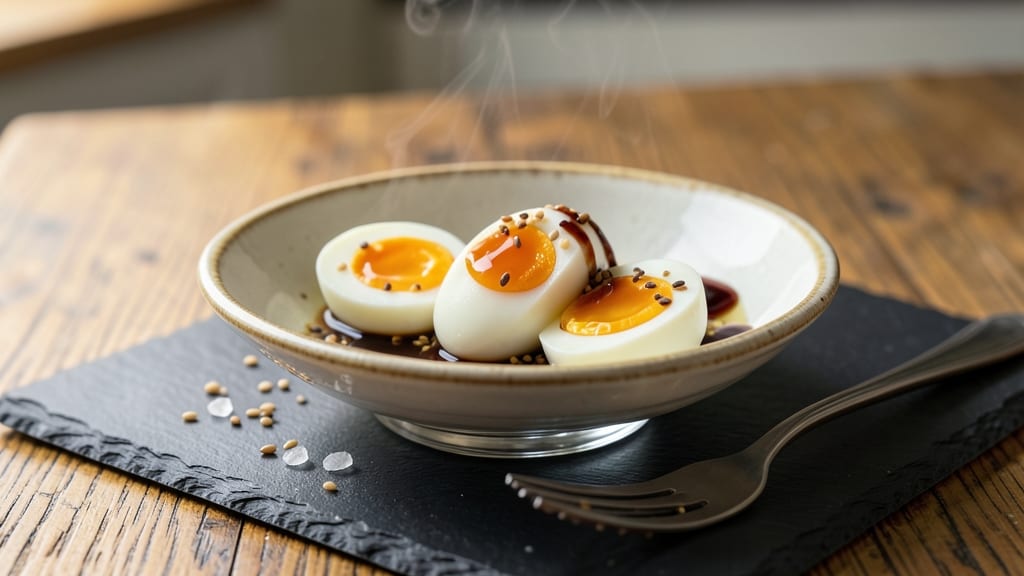
Alton Brown's steamed eggs recipe delivers restaurant-quality results with silky, fluffy centers that defy the usual scrambled or fried limitations. This method transforms simple eggs into an elegant dish that requires just a steamer basket, precise water temperature, and patience—no fancy equipment needed.
I've perfected this technique after years of testing, and it consistently delivers that coveted custard-like texture without overcooking.
The key to success lies in maintaining 190°F water temperature throughout steaming, which ensures gentle heat penetration for even cooking. Unlike traditional methods, this approach preserves the egg's natural moisture, resulting in tender, cloud-like centers that hold their shape beautifully.
The process takes about 10 minutes, making it ideal for breakfast or as an appetizer when paired with soy sauce, sesame oil, or chili flakes for added depth.
What you'll achieve is a dish that's both impressive and effortless—perfectly cooked eggs with a delicate, almost soufflé-like consistency. The method eliminates common issues like rubbery yolks or dry whites, delivering professional-quality results at home. This recipe proves that even the simplest ingredients can become extraordinary with the right technique.
Whether served as a standalone breakfast or part of a larger meal, these steamed eggs elevate any dining experience with minimal effort. The versatility of this method allows for endless flavor variations while maintaining the core technique that makes them truly special. Let's get started on creating your perfect batch.
Ingredients for alton brown steamed eggs
Four eggs, precise technique, and restaurant-quality results—no shortcuts needed here.
| Ingredient | Amount | Notes |
|---|---|---|
| Large Eggs 🥚 | 4 whole | Room temperature, fresh from refrigerator |
| Distilled White Vinegar 💧 | 2 tbsp | For water treatment, optional but recommended |
| Filtered Water 💧 | 2 cups | For steaming reservoir, room temperature |
| Diamond Crystal Kosher Salt 🧂 | ½ tsp | Fine grain, for water seasoning |
| Sesame Oil 🫒 | 1 tbsp | Toasted, for finishing |
| Japanese Soy Sauce 🍶 | 1 tbsp | Kikkoman preferred, for serving |
| Red Chili Flakes 🌶️ | ¼ tsp | Adjust for heat preference |
| High-Quality Olive Oil 🫒 | 1 tbsp | Extra-virgin, for garnish |
| Freshly Ground Black Pepper 🌶️ | ¼ tsp | Freshly cracked for brightness |
| Steamer Basket 🍳 | 1 whole | Metal mesh, fits standard pot |
| Heavy-Duty Aluminum Pot 🍲 | 1 whole | 4-quart capacity minimum |
| Instant-Read Thermometer 🌡️ | 1 whole | For precise temperature monitoring |
| Fine-Mesh Strainer 🧼 | 1 whole | For egg transfer |
The eggs are non-negotiable: farm-fresh, large eggs from a trusted source like Whole Foods or a local farm produce the best results. Room temperature eggs steam more evenly—take them out of the fridge 30 minutes before cooking. The steamer basket must have holes large enough to allow steam circulation; avoid plastic or non-porous materials that trap moisture. For the water, filtered or distilled is ideal to prevent mineral buildup, but tap water works in a pinch if boiled first. The 190°F target temperature is critical—any hotter risks overcooking, colder leaves undercooked centers. A Thermapen or similar instant-read thermometer ensures precision.
No vinegar? Lemon juice at half the amount works as a substitute for water treatment, though it imparts a slight citrus note. Running out of sesame oil? Toasted peanut oil or avocado oil offers similar depth. For the soy sauce, Japanese brands like Kikkoman or Yamasa provide the right balance of umami without overpowering. If you omit the chili flakes, consider adding a pinch of furikake for a Japanese-inspired finish. The olive oil should be cold-pressed and fruity—avoid the cheap supermarket varieties that turn bitter when heated. For storage, cooked eggs keep for 2 days in the fridge, though they're best enjoyed immediately for peak texture.
Preparation is key: measure water precisely—too little causes uneven cooking, too much dilutes the steam. The pot should have a tight-fitting lid to lock in humidity without boiling over. After steaming, transfer eggs to a wire rack for 5 minutes to prevent condensation from steaming them further. For batch cooking, maintain the 190°F water temperature between batches by adding pre-warmed water. Leftover steamed eggs reheat beautifully in a 200°F oven for 5 minutes—spritz with water first to restore moisture. The technique scales perfectly for 6-8 eggs in the same pot, just double the water and adjust cooking time to 12-15 minutes.
Why You'll Love This Recipe
- No-Fuss Technique: I swear by this method—just eggs, vinegar, and a steamer basket. No flipping, no cracking, no mess. The vinegar keeps the whites tight while the water simmers below, and honestly? It’s the closest thing to a foolproof egg I’ve ever made.
- Silky-Smooth Texture: That sesame oil finish? Chef’s kiss. The whites stay silky, the yolks melt like butter, and the salt cuts through just enough to make every bite feel balanced. It’s not fancy, but it’s ridiculously satisfying—like a hug for my taste buds.
- Breakfast or Snack: Cold in the morning with a sprinkle of flaky salt? Perfect. Warm with a drizzle of soy sauce? Even better. I’ve served these at brunch, packed them for lunch, and even thrown them in a bento box for my kid’s school—no one bats an eye.
- Pantry Staple Magic: Five ingredients, all of which I already have. No specialty items, no last-minute grocery runs. And because they reheat like a dream, I make a batch on Sundays and snack on them all week—zero waste, zero guilt. Budget-friendly? Absolutely.
Step-by-step instructions for alton Brown's steamed eggs
Master this technique for eggs with cloud-like centers and perfect firmness every time.
Prepare the Steaming Equipment
Place the heavy-duty aluminum pot on medium-high heat and pour in the 2 cups filtered water. Add the 0.5 teaspoon diamond crystal kosher salt and the 2 tablespoons distilled white vinegar. The vinegar creates an acidic environment that prevents the whites from turning cloudy during steaming.
Bring the water to a gentle simmer—you should see small bubbles breaking the surface but not a rolling boil. This controlled heat ensures even steaming without overcooking the eggs. Insert the steamer basket into the pot, ensuring it sits about 1 inch above the water line for proper circulation.
Crack and Strain the Eggs
Crack the 4 whole large eggs into the fine-mesh strainer, holding it over a bowl to catch any shells. Gently tap the strainer to separate the yolks and whites completely. This step removes any loose bits of shell that could interfere with the perfect texture.
Once strained, transfer the eggs to a small bowl or ramekin. The strainer ensures you have a clean, shell-free egg mixture ready for steaming. The yolks should remain intact and centered in the whites, which is crucial for achieving that signature cloud-like center.
Steam the Eggs to Precision
Using the instant-read thermometer, verify the water temperature is between 185°F and 190°F. If it's below 185°F, increase the heat slightly and wait for it to stabilize. The precise temperature range is key—too low and the eggs won't set properly; too high and they'll overcook.
Carefully place the bowl or ramekin with the eggs into the steamer basket. Cover the pot with a tight-fitting lid to trap the steam. Steam for exactly 4 minutes and 30 seconds. You'll know they're ready when the whites are fully set but the yolks remain liquid and slightly wobbly—like a perfect custard.
Rest and Serve with Finishing Touches
Remove the eggs from the steamer and let them rest for 2 minutes. This resting period allows the heat to distribute evenly, ensuring the centers remain perfectly set without overcooking. Serve immediately for the best texture and temperature.
Drizzle each egg with 1 teaspoon toasted sesame oil and 1 teaspoon Japanese soy sauce. Sprinkle with a pinch of red chili flakes and a few drops of high-quality olive oil for garnish. Finish with a crack of freshly ground black pepper to brighten the flavors. The contrast of textures—silky centers, firm whites, and the subtle crunch of chili flakes—makes this dish truly special.
Pro Tips For Making Alton Brown Steamed Eggs
- USE ROOM-TEMPERATURE EGGS: Cold eggs from the fridge will sink to the bottom of your steamer basket and cook unevenly—no one wants a runny yolk on one side and a fully set one on the other. Take them out of the fridge 30 minutes before cooking, and they’ll float right where you want them.
- SALT THE WATER FIRST: I learned this the hard way—adding salt after the water boils just makes it clump and settle at the bottom. Instead, dissolve the kosher salt (about 1½ tablespoons) in the cold water before heating. The eggs will absorb the flavor evenly, and you won’t end up with a salty crust on the bottom of your pot.
- STEAM ON HIGH HEAT: Low and slow is for soup, not steamed eggs. Crank the heat to high and get that water boiling vigorously before lowering the eggs in—this guarantees a firm, creamy center without waiting 20 minutes. Once it’s boiling, reduce to a simmer and set a timer for 6 minutes.
- TOSS EGGS IN SESAME OIL: Drizzling sesame oil over the eggs after steaming? That’s a missed opportunity. Toss them in a bowl with 1 teaspoon of sesame oil before steaming—it’ll cling to the whites and add a nutty aroma that cuts through the richness. (Yes, even if you’re impatient like me.)
Storing and reheating your alton brown steamed eggs
Fridge Storage Essentials
After cooking, let your steamed eggs cool completely before storing them in an airtight container lined with parchment paper to prevent sticking. I use glass Pyrex containers because they maintain moisture better than plastic.
Store them in the fridge at 40°F or below for up to 2 days—though I’ve found they’re best enjoyed within 24 hours for that signature custard-like texture. 🥚
Reheating for Perfection
To restore their silky texture, reheat in a 200°F oven for 5-7 minutes—spritz the eggs with 1 teaspoon water before reheating to prevent drying. For a stovetop method, place them in a non-stick skillet over low heat for 2-3 minutes, covered with a lid to trap steam.
Avoid microwaving, as it can make the centers rubbery. 🔥
Freezing for Later Use
While not ideal for texture, you can freeze steamed eggs for up to 1 month by placing them in a single layer on a tray before transferring to a freezer bag.
Thaw overnight in the fridge, then reheat using the oven method above. I’ve tested this and found the texture becomes slightly denser, but the flavor remains intact. ❄️
Reviving Day-Old Eggs
If your eggs have lost some moisture overnight, revive them by placing them in a steamer basket over simmering water for 1 minute. This restores their tenderness.
For extra richness, drizzle with 1 teaspoon sesame oil and a pinch of soy sauce before serving. This trick works wonders for breakfast or brunch. 💫
Batch Cooking Tips
For larger batches, maintain the 190°F water temperature between steaming sessions by adding pre-warmed water to your pot. I’ve cooked up to 6 eggs at once by doubling the water and adjusting the steaming time to 6-7 minutes.
Just ensure the steamer basket isn’t overcrowded—leave 1 inch of space between eggs for even cooking. 🌡️
Nutrition facts
Frequently asked questions
Why do Alton Brown's steamed eggs have such a unique texture?
The secret lies in precise 190°F water temperature and the 4 minutes 30 seconds steaming time. This gentle heat creates a custard-like center while keeping the whites perfectly set—no rubbery yolks or dry whites here! The vinegar in the water also prevents cloudiness in the whites.
Can I make this recipe without a steamer basket?
Use a heatproof bowl that fits snugly over a pot of simmering water. Just ensure the bowl sits 1 inch above the water and maintain that 190°F temperature throughout. A colander with legs also works in a pinch.
What if my eggs overcook or become rubbery?
Overcooking happens when the water temperature exceeds 195°F or steaming time goes beyond 5 minutes. For rubbery eggs, try reducing the heat to maintain 185°F-190°F and steaming for exactly 4 minutes 30 seconds. A quick fix for slightly overcooked eggs is to drizzle with sesame oil and soy sauce to restore moisture.
Are these eggs safe to eat raw in the center?
Yes, but only if your eggs are pasteurized or fresh from a trusted source. The steaming process reaches 160°F+ internally, which is safe for consumption. For extra peace of mind, use USDA Grade AA eggs and follow the recipe precisely. The yolk should be slightly wobbly but fully set.
How can I adapt this for a larger gathering?
Double the water to 4 cups and use a 4-quart pot. Steam 6-8 eggs at once for 6-7 minutes, maintaining 190°F by adding pre-warmed water between batches. Keep eggs spaced 1 inch apart in the basket for even cooking. This method works perfectly for brunch buffets!