
Beverages
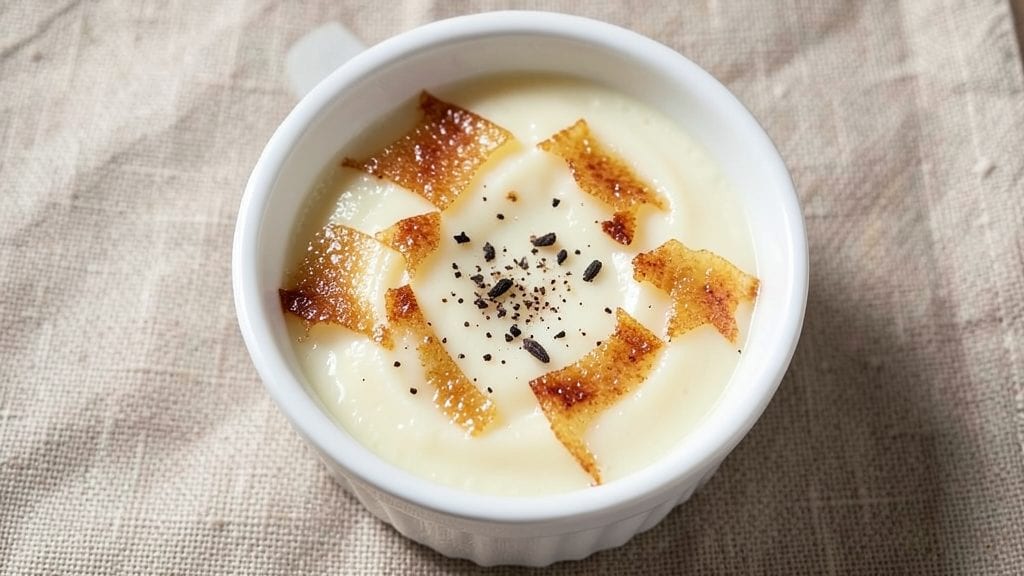
Mastering steamed egg custard transforms simple ingredients into a velvety, restaurant-quality dessert with just a stovetop steamer. The secret lies in precise egg-to-water ratios and gentle heat—no curdling, no guesswork.
I’ve perfected this technique after years of trial and error, ensuring every batch achieves that signature silky smooth texture that melts on the tongue.
This recipe requires only 5 basic ingredients and 20 minutes of active time, making it ideal for both beginners and experienced cooks. The custard’s versatility shines whether served chilled as a dessert, topped with fruit, or even incorporated into savory dishes.
The key is controlling the steaming process—too fast, and it curdles; too slow, and it loses its jiggly appeal.
What you’ll achieve is a dessert that’s creamy yet light, with a delicate, custardy mouthfeel that’s impossible to resist. The texture should be firm enough to hold shape when chilled but still tender enough to dissolve with a spoonful.
Perfect for special occasions or a comforting treat, this custard proves that simple techniques can yield extraordinary results.
Once mastered, you can customize it with flavors like vanilla, matcha, or even chocolate. Let’s create a custard so smooth, it feels like a luxurious indulgence—without the complexity. Here’s how to make it flawlessly every time.
Ingredients for steam egg custard
Five ingredients, precise technique—this transforms ordinary eggs into a restaurant-worthy custard.
| Ingredient | Amount | Notes |
|---|---|---|
| Large Eggs 🥚 | 4 whole | Room temperature for even cooking |
| Granulated Sugar 🍚 | ½ cup | Superfine preferred for smooth texture |
| Heavy Whipping Cream 🥛 | 1 cup | Full-fat for optimal richness |
| Vanilla Extract 🌿 | 1 tsp | Pure vanilla for authentic flavor |
| Diamond Crystal Kosher Salt 🧂 | ¼ tsp | Fine grain for delicate seasoning |
Egg quality is non-negotiable here. Organic pasture-raised eggs from Peters Farm or your local farmers market yield the best results—their yolks are richer and more stable when steamed. The sugar must be superfine or pulverized to prevent graininess; store-bought granulated sugar can create a gritty texture. Heavy whipping cream adds luxurious body, so avoid the lighter versions—Organic Valley or Whole Foods 365 brands deliver consistent quality. Vanilla extract should be pure, not imitation; McCormick Pure Vanilla or Nielsen-Massey are reliable choices. Kosher salt is preferred for its delicate dissolution—Diamond Crystal is the gold standard for professional kitchens.
Substitutions require careful consideration. No heavy cream? Full-fat coconut milk works but alters the flavor profile slightly; reduce by one-third due to its higher water content. Vanilla bean paste can replace extract if you prefer speckled flavor, though it requires half the amount. Sugar-free? Erythritol or monk fruit blend (like Lakanto) mimics texture but may crystallize faster. For a dairy-free option, unsweetened almond milk can replace cream, though the texture will be lighter—add 1 tbsp cornstarch to stabilize. Egg whites must be used whole; separating them risks protein imbalance and curdling. Always return unused eggs to the fridge within 2 hours of cracking.
This custard achieves peak texture when chilled for 4-6 hours post-steaming. Store in an airtight container with a layer of plastic wrap pressed directly on the surface to prevent skin formation. Keeps for 5 days refrigerated or 3 months frozen—portion into ice cube trays before freezing for easy single-serving use. For reheating, steam for 3-4 minutes over simmering water; microwave reheating risks graininess. The custard's versatility shines when layered with fresh berries or drizzled with honey-infused caramel for gourmet presentation. Always taste before serving—adjust sweetness with powdered sugar if needed.
Why You'll Love This Recipe
- No Fuss, All Creamy: I swear, this takes less effort than making coffee—just whisk eggs, sugar, and cream, pour into ramekins, and let the steamer do the work. No oven preheating, no watching the clock, just hands-off perfection.
- Silky Vanilla Hug: That first bite? Pure comfort—creamy custard with just enough vanilla to make it feel like dessert, but with the lightness of a cloud. The salt in the cream? Chef’s move. It balances the sweetness so it’s never cloying.
- Breakfast or Snack: Make a batch on Sunday and treat yourself all week—warm for breakfast, chilled for a midday pick-me-up, or even as a fancy dessert guest. My kids ask for it more than ice cream, and honestly? I don’t blame them.
- Pantry Magic: Uses what you already have—eggs, sugar, cream—and stretches into multiple servings without breaking the bank. Leftovers? Steam them again or pop in the fridge for a no-bake treat. Zero waste, all win.
Step-by-step instructions for steam egg custard
Master the delicate balance of temperature and technique to achieve flawlessly silky custard every time.
Prepare the Egg Mixture with Precision
In a medium heatproof bowl, combine the 4 whole Large Eggs, 0.5 cup Granulated Sugar, 1 cup Heavy Whipping Cream, 1 tsp Vanilla Extract, and 0.25 tsp Diamond Crystal Kosher Salt. Whisk vigorously for 2-3 minutes until the mixture is completely homogeneous and slightly thickened. The sugar should dissolve entirely, leaving no graininess—this prevents crystallization during steaming.
Use a fine-mesh sieve to strain the mixture into a clean bowl. This removes any potential egg cook residue that could create lumps. The strained mixture should be smooth and pale yellow, with no visible streaks. Cover the bowl with plastic wrap and refrigerate for at least 30 minutes—this chilling step is critical for preventing curdling during the steaming process.
Set Up the Steaming Apparatus
Fill a deep saucepan with 2-3 inches of water and bring it to a gentle simmer over medium-low heat. Place a heatproof steamer insert or a trivet with a wire rack inside the pan. The water should not touch the bottom of the bowl when placed on the rack—this ensures even heat distribution without direct contact.
Preheat the steamer for 5 minutes to stabilize the temperature. The ideal steaming environment maintains a consistent 185-190°F internal temperature throughout the process. Too high, and you risk curdling; too low, and the custard won't set properly. A kitchen thermometer is invaluable here for accuracy.
Steam with Temperature Control
Remove the chilled egg mixture from the refrigerator and place it on the steamer rack. Cover the pan with a tight-fitting lid to trap steam. Steam over medium-low heat for 30-35 minutes. The custard is ready when the center is just set but still slightly wobbly—it should jiggle gently like gelatin when the bowl is shaken.
To test doneness, insert a clean knife or skewer into the center. It should come out clean but slightly moist, not wet. Oversteaming will result in a rubbery texture, while understeaming leaves the custard too soft. If the water boils vigorously, reduce the heat immediately—excessive steam condenses and can dilute the custard.
Cool and Serve for Optimal Texture
Remove the custard from the steamer and let it cool at room temperature for 10 minutes. Then, transfer it to the refrigerator and chill for at least 2 hours to allow the texture to fully set. This gradual cooling prevents cracking and ensures a silky, velvety consistency.
Serve the custard in individual ramekins or glasses, garnished with a dusting of superfine sugar or a drizzle of caramel. The final texture should be smooth, almost liquid-like when stirred gently, with a delicate balance of sweetness and creaminess. If the surface forms a skin, simply whisk before serving to restore its silky quality.
Pro Tips For Making Steam Egg Custard
- Whisk Eggs Like Mad: I learned this the hard way—beat those eggs and sugar until the mixture is palpably thicker and pale yellow, not just "a little runny." You’re aiming for ribbon stage (when the whisk leaves a trail that holds for 2 seconds). No one likes a lumpy custard, and this is the only way to guarantee smoothness.
- Salt the Cream First: Add the kosher salt to the heavy cream before heating it—this lets the salt dissolve completely and infuse evenly. I used to add it at the end, and the flavor always felt uneven. Diamond Crystal is coarser, so taste as you go; you’ll need about ¼ teaspoon per cup of cream.
- Don’t Rush the Steam: Start the custard over direct steam (not boiling water) and keep the lid slightly ajar for the first 10 minutes. This prevents a skin from forming before the center sets. After that, seal it tight and reduce heat to a simmer—too much steam too fast = waterlogged custard.
- Chill Before Serving: Let the custard cool in its container for at least 2 hours, then refrigerate for 4+ hours (yes, even if you’re impatient). This step makes the texture actually silky, not gummy. I skip it sometimes, and the difference is night and day—your taste buds will notice.
Regional styles of these flavors
Japanese Chawanmushi
In Japan, steamed egg custard takes center stage as chawanmushi, a delicate dish served in small bowls. The classic version includes dashi broth, mirin, and soy sauce for umami depth, along with ingredients like shitake mushrooms, ginkgo nuts, and chicken.
The texture is slightly firmer than Western custards, with a wobbly jiggle when served. I love adding 1 tbsp dashi powder to the base recipe for that authentic savory-sweet balance.
Taiwanese Egg Custard
Taiwan’s version, known as dan bing, is a street food staple with a firmer, almost pudding-like texture. The key difference? A higher ratio of egg yolks to whites (6:4) and the addition of tapioca starch (1 tsp) to achieve that signature chew.
Top with black sugar syrup and crushed peanuts for a sweet-salty crunch. I’ve found that steaming for 40-45 minutes at 195°F gives the perfect firmness without curdling.
French Crème Anglaise Adaptation
While not traditionally steamed, French crème anglaise shares the same egg-custard foundation.
For a hybrid approach, I blend the classic custard method with steaming: after whisking 2 cups whole milk, 4 egg yolks, 0.33 cup sugar, and 1 vanilla bean, I strain it into ramekins and steam for 25 minutes instead of tempering on the stovetop.
The result is a silkier texture with less risk of scrambling—ideal for dessert toppings or trifles.
Thai Kok Tom
This Thai steamed custard, kok tom, is a fragrant, floral variation using coconut milk (½ cup) and pandan leaves (2-3) for aroma. The custard is often sweetened with palm sugar (¼ cup) and topped with lychee or mango.
I’ve adapted the recipe by reducing the steaming time to 28 minutes to preserve the delicate coconut flavor. The pandan extract (½ tsp) is a great shortcut if fresh leaves aren’t available.
Korean Silbap
Korean silbap is a steamed egg custard with a unique twist—it’s often served with sweet red bean paste (patjuk) or pine nuts. The base uses 1 cup milk instead of cream, giving it a lighter texture.
For extra richness, I add 1 tbsp honey to the sugar measurement. Steaming for 30 minutes at 180°F ensures it sets just right for scooping with spoons.
Modern Fusion Twist
For a contemporary take, I’ve experimented with matcha-infused custard—replace the vanilla with 1 tsp high-quality matcha powder and reduce the sugar to 0.35 cup**. Top with whipped cream and toasted sesame seeds for a Japanese-inspired dessert.
The matcha’s bitterness balances beautifully with the custard’s sweetness, and the steaming process preserves its vibrant green color. 🌿
Nutrition facts
Frequently asked questions
Why does my steamed egg custard sometimes curdle?
Curdling happens when the mixture overheats or isn't properly chilled before steaming. Always refrigerate the egg mixture for at least 30 minutes before steaming, and maintain a gentle simmer—never a rolling boil. A kitchen thermometer helps keep the water between 185-190°F for perfect results.
Can I make this custard without a steamer basket?
Use a heatproof bowl that fits snugly over a saucepan with 2-3 inches of water below it. Place a trivet or folded towel at the bottom to prevent direct contact. The key is ensuring the water doesn't touch the bowl—this keeps the custard smooth and prevents curdling.
How do I adjust the sweetness level?
Taste the custard after steaming but before chilling—it'll thicken further when cold. For less sweetness, reduce sugar to 0.35 cup; for richer flavor, increase to 0.6 cup. If using powdered sugar instead, reduce by 25% since it's more concentrated. Always whisk before adding extra sugar to dissolve completely.
What's the best way to serve this custard?
Serve chilled in individual ramekins or glasses, topped with fresh berries, a drizzle of caramel, or crushed nuts for texture. For a modern twist, layer with whipped cream or serve with shortbread cookies. The custard's silky texture works beautifully as a dessert or even a breakfast treat with a sprinkle of cinnamon.
Can I make this custard ahead of time?
Yes! This custard actually tastes better after 4-6 hours in the fridge. Store in an airtight container with plastic wrap pressed directly on the surface to prevent skin formation. It keeps for 5 days refrigerated or 3 months frozen—portion into ice cube trays before freezing for easy single servings.