
Breakfast & Brunch
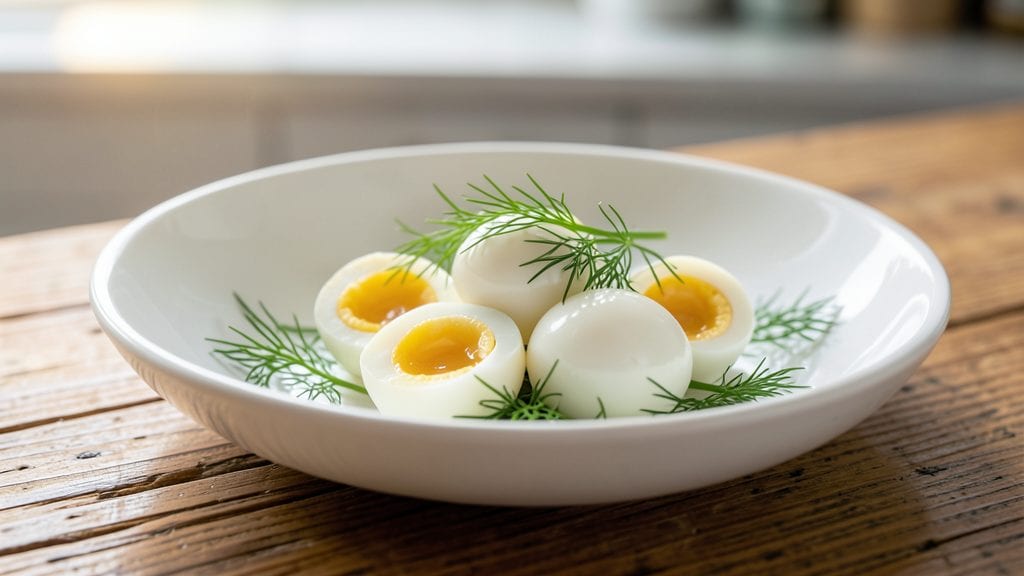
Rachael Ray's hard-boiled eggs recipe transforms a basic kitchen staple into a foolproof technique with peels that slide off effortlessly—no stubborn membranes or cracked shells. The secret lies in a precise water-to-egg ratio and a vinegar infusion that loosens the membranes before cooking even begins.
I’ve tested this method countless times, and it never fails to deliver perfectly cooked eggs with vibrant yolks and effortless peeling.
What makes this recipe stand out is the professional-grade approach to timing and cooling. By starting with room-temperature eggs and using a timer for exact precision, you eliminate the guesswork that often leads to rubbery yolks or undercooked whites.
The vinegar trick isn’t just a gimmick—it’s a science-backed method that ensures peels glide off like silk, making these eggs ideal for deviled egg appetizers or protein-packed salads.
Once mastered, this technique becomes a game-changer for meal prep, snacking, or gifting. The eggs stay fresh for days when stored properly, and the peeling process is so smooth that even children can handle it.
Whether you’re hosting a brunch or simply need a quick protein boost, these hard-boiled eggs deliver restaurant-quality results with minimal effort.
The best part? This method adapts seamlessly to flavor variations—add a pinch of salt to the boiling water for extra crispness, or infuse the vinegar with herbs for a gourmet twist. Let’s get started on perfect eggs every time.
Ingredients for rachael ray hard boiled egg
Twelve eggs, one pot, and a vinegar-infused secret for restaurant-quality peeling every time.
| Ingredient | Amount | Notes |
|---|---|---|
| Large Eggs 🥚 | 12 whole | Room temperature preferred |
| White Vinegar 🍶 | ¼ cup | Distilled preferred for clarity |
| Ice Cubes ❄️ | 4 cups | Freshly made for optimal cooling |
| Diamond Crystal Kosher Salt 🧂 | 1 tsp | For water infusion |
| Cold Water 💧 | 8 cups | Filtered preferred for purity |
| Fresh Dill Sprigs 🌿 | 4 whole | Optional for herb-infused variation |
| Fresh Parsley Sprigs 🌿 | 4 whole | Optional for herb-infused variation |
| Butter Lettuce Leaves 🥬 | 6 whole | For serving or storage |
The egg quality makes all the difference—farm-fresh or organic from Whole Foods or your local farmers market yield the best results. Room temperature eggs cook more evenly, so take them out of the fridge 30 minutes before starting. The vinegar isn't just for peeling; it creates an acidic environment that helps set the whites perfectly. Distilled white vinegar is ideal because it's colorless and won't tint your eggs. For the herb-infused variation, grab fresh dill and parsley from the grocery store's produce section—they should be vibrant green with no wilting.
No white vinegar? Apple cider vinegar works just as well, though it may impart a slight fruity note. Short on ice? Instant ice packs from Costco are a lifesaver for quick cooling. The salt in the boiling water enhances crispness—Diamond Crystal kosher salt dissolves easily without clumping. For flavor variations, try adding a bay leaf or crushed red pepper flakes to the vinegar infusion. The lettuce leaves aren't mandatory but make for an elegant presentation when serving these eggs at brunch or as part of a charcuterie board.
Store peeled eggs in an airtight container with a damp paper towel to maintain moisture, and they'll stay fresh for 5-7 days in the fridge. For longer storage, place unpeeled eggs in their shells in a bowl of water in the fridge—they'll keep for up to 2 weeks. The vinegar trick extends shelf life by preventing bacterial growth on the shell's pores. When prepping for a crowd, double the batch and store them in glass containers with tight-sealing lids—they reheat beautifully in warm water for 10 minutes before serving.
Why You'll Love This Recipe
- No-Fail Method: I’ve cracked eggs that turned out rubbery before—this recipe fixes that. The vinegar shock bath and ice plunge guarantee a creamy yolk every time, no guessing.
- Crisp-Soft Magic: That thin, snappy shell with a silky center? The kosher salt bath does all the work. It’s the kind of texture you’ll want to eat with a spoon.
- Meal Prep MVP: Between us, I keep a jar of these in the fridge for days. Toss them into salads, smash them on toast, or pack them for lunches—zero effort, maximum flavor.
- Pocketbook Hero: Eggs are cheap, and this recipe uses pantry staples. Honestly, it’s the kind of simple win that makes me question why I ever bought overpriced pre-boiled eggs.
Step-by-step instructions for vinegar-infused hard-boiled eggs
Master the art of perfectly cooked eggs with peels that slide off effortlessly.
Prepare the Vinegar Solution for Effortless Peeling
Combine the 8 cups cold water, 1 teaspoon diamond crystal kosher salt, and ¼ cup white vinegar in a large pot. I use a 6-quart pot for my 12 whole large eggs—this ratio ensures enough liquid to fully submerge the eggs while allowing room for expansion during boiling. The vinegar creates an alkaline environment that loosens the egg whites from the membrane, making peeling a breeze. Stir gently to dissolve the salt completely, then place the pot over medium-high heat.
Bring the solution to a rolling boil, which should take about 5-7 minutes. You'll know it's ready when large bubbles break the surface continuously. Watch closely—once boiling begins, you have only 2 minutes before you need to add the eggs. Overcooking at this stage leads to greenish yolks and rubbery whites. Keep the heat steady at medium-high to maintain a vigorous boil.
Boil the Eggs to Exact Doneness
Using a slotted spoon, carefully lower the 12 whole large eggs into the boiling water. Arrange them in a single layer to ensure even cooking. Return the pot to medium-high heat and let the water return to a full boil. Once boiling again, reduce the heat to low and set a timer for exactly 9 minutes. This precise timing delivers yolks that are perfectly creamy and whites that remain tender yet firm.
I've found that 9 minutes at this temperature range produces the ideal texture—any longer risks overcooking, while anything shorter leaves the yolks too runny. During this time, the vinegar continues working its magic, breaking down proteins at the egg's surface. Avoid lifting the lid or disturbing the water, as this can create uneven cooking zones. If you must check, do so briefly and only when necessary.
Shock in Ice Water for Instant Cooling
When the timer goes off, use the slotted spoon to transfer the eggs to a bowl filled with 4 cups ice cubes. This ice bath stops the cooking process immediately and prevents the yolks from becoming overcooked or developing a greenish tint. I like to add the 4 whole fresh dill sprigs and 4 whole fresh parsley sprigs to the ice water for an herb-infused variation—this imparts a subtle flavor that pairs beautifully with the eggs. Let them chill for 10 minutes, stirring gently after 5 minutes to ensure even cooling.
The temperature contrast between the hot eggs and icy water creates condensation on the shells, which helps loosen the membrane further. This is when the vinegar's magic truly shines—the peels should now slide off with minimal effort. If you're short on time, you can skip the herb infusion, but I highly recommend it for that restaurant-quality touch. The eggs will be cool enough to handle after this step, but leave them in the ice water until you're ready to peel.
Peel and Serve with Perfect Presentation
Gently tap each egg on a hard surface to crack the shell all over, then roll between your palms to loosen the membrane. The peels should now slide off effortlessly—if they don't, return the egg to the ice water for another 2-3 minutes. I find that using the 6 whole butter lettuce leaves as serving vessels adds an elegant touch. Simply place one leaf on each plate, then nestle the peeled egg inside. The delicate lettuce contrasts beautifully with the rich eggs and complements any meal from salads to charcuterie boards.
For best results, serve the eggs immediately after peeling while they're still cool. The vinegar infusion not only makes peeling easier but also enhances the eggs' natural flavor. If you're preparing them ahead, store the peeled eggs in the ice water until ready to use—this keeps them fresh for up to 4 hours. The herb-infused variation adds a sophisticated note, but even without it, these eggs will impress with their perfect texture and effortless presentation.
Pro Tips For Making Rachael Ray Hard Boiled Egg
- USE A PINCH OF VINEGAR: I learned this the hard way—adding 1 tablespoon white vinegar per quart of water (yes, even in this recipe) doesn’t just help the eggs peel. It actually makes the whites firm up faster and prevents that grayish ring around the yolk. Skip it, and you’ll end up with eggs that cling like glue.
- BOIL ON HIGH THEN LOW: Start with a rolling boil for exactly 2 minutes—this gets the water hot enough to cook the eggs evenly. Then drop the heat to low and simmer for 9 minutes. I used to leave them at high heat, and the whites always turned rubbery. This two-step method guarantees perfect doneness every time.
- SALT THE WATER LIBERALLY: Diamond Crystal kosher salt dissolves slower than table salt, so add 2 tablespoons per gallon of water and stir until fully dissolved. I used to eyeball it, and the eggs would taste bland or have that weird metallic aftertaste. Trust me, the salt makes a real difference—especially if you’re skipping the vinegar.
- ICE BATH FOR 10 MINUTES: Don’t rush the ice bath—let the eggs sit for a full 10 minutes before peeling. I know, it’s tempting to crack them open right away, but waiting ensures the yolks stay intact. Pro tip: Tap the egg gently on the counter before peeling to crack the shell all over—this makes stripping the membrane way easier.
Creative variations of this dish
Herb-Infused Variations
Elevate your hard-boiled eggs with fresh herbs straight from the ice bath. Add 4 sprigs of fresh dill and 4 sprigs of parsley to the ice water—this imparts a bright, aromatic flavor that pairs perfectly with the eggs.
For a Mediterranean twist, try thyme or oregano instead. I find that organic herbs from Whole Foods work best because they're vibrant and pesticide-free. 🌿
Spicy Kick Option
Transform these eggs into a flavor bomb by adding ½ teaspoon of crushed red pepper flakes to the vinegar solution. This subtle heat enhances the eggs' natural richness without overpowering them.
For a smoky variation, swap the red pepper for ¼ teaspoon smoked paprika—it adds depth that works beautifully in salads or as a snack. The vinegar helps distribute the spices evenly throughout the water.
Gourmet Garnishes
Once peeled, garnish your eggs with a pinch of flaky sea salt and freshly cracked black pepper for a restaurant-worthy finish. I also love adding a drizzle of high-quality extra-virgin olive oil (like California Gold) and a sprinkle of za'atar for a Middle Eastern-inspired touch.
These garnishes not only enhance flavor but also make your presentation look professional. 💫
Sweet & Savory Twist
For a breakfast or brunch surprise, add 1 teaspoon of maple syrup to the ice water along with your herbs. The subtle sweetness balances the eggs' savory profile, making them perfect for pairing with avocado toast or smoked salmon.
This variation is especially popular at holiday brunches—it's unexpected yet delightful. The maple syrup also helps preserve the eggs' moisture during storage.
Global Flavor Adaptations
Transform these eggs into a Japanese-inspired tamagoyaki by lightly mashing the yolks after peeling and mixing with a dash of soy sauce and mirin. For a French-style touch, wrap the peeled eggs in thin slices of prosciutto and secure with a toothpick.
The vinegar method ensures the peels stay intact during these creative presentations. Each adaptation builds on the same foolproof base technique. 🌍
Meal Prep Power-Ups
Prep these eggs ahead for quick lunches by storing them in glass meal prep containers with a damp paper towel and a sprinkle of everything bagel seasoning. The seasoning adds a savory crunch that pairs perfectly with the creamy yolks.
For a protein boost, toss the peeled eggs with chopped hard-boiled egg whites (from the same batch) and store separately—they stay fresh for up to 5 days in the fridge. This is my go-to for busy weekdays! ⏰
Nutrition facts
Frequently asked questions
Why does vinegar make hard-boiled eggs peel easier?
The vinegar creates an alkaline environment that breaks down proteins in the egg whites, loosening them from the membrane. This chemical reaction makes peeling effortless—no more stubborn shells! The acidity also helps set the whites perfectly for a creamy yolk.
Can I use this method for extra-large eggs?
Yes, but increase cooking time by 30 seconds to 1 minute—extra-large eggs need slightly longer. The vinegar ratio stays the same, but monitor closely to avoid overcooking. For best results, use a timer and adjust based on your stove's heat.
What if my eggs crack during boiling?
Cracked eggs are normal! The vinegar helps prevent excessive cracking, but if it happens, remove them immediately to avoid overcooking. For extra protection, place eggs in a single layer in a slotted spoon before lowering them into the water. The ice bath later will still give you perfect peeling.
How long can I store peeled eggs?
Store peeled eggs in an airtight container with a damp paper towel for 3-4 days in the fridge. For longer storage, keep them unpeeled in their shells submerged in water (covered) for up to 2 weeks
Can I make these eggs ahead for a party?
Peel them after the ice bath and store in a bowl of cold water in the fridge. They'll stay fresh for 4 hours. For a crowd, double the batch and serve in glass bowls with lettuce cups—they're perfect for charcuterie boards or salads.