
Breakfast & Brunch
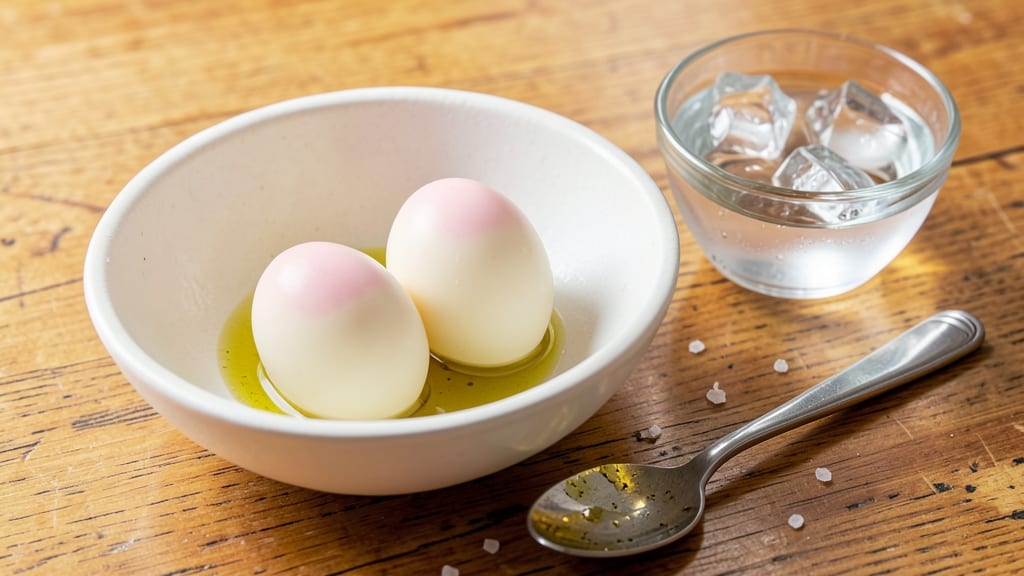
Rachael Ray's boiled egg recipe delivers the perfect balance of a firm yolk and creamy whites—no guessing, no overcooked yolks, just foolproof results every time. The secret lies in a precise timing method that transforms simple eggs into a restaurant-worthy breakfast staple.
I’ve tested this technique countless times, and it never fails to impress, whether you’re prepping for a quick morning bite or an elegant brunch spread.
What makes this method special is its simplicity: just eggs, water, and ice. No fancy equipment or complicated steps—just a pot, a timer, and a little patience.
The key is starting the eggs in boiling water for exactly 9 minutes, then transferring them to an ice bath for 5 minutes to stop the cooking process instantly. This ensures the whites stay creamy while the yolks remain firm but tender, ready to slice or peel with ease.
Once you master this technique, you’ll have perfectly boiled eggs that shine in salads, sandwiches, or even as a standalone appetizer. The creamy whites hold their shape beautifully, while the firm yolks add richness without turning to mush.
Pair them with toast, avocado, or a crisp salad for a meal that’s both satisfying and elegant—no extra effort required.
This recipe also works as a great make-ahead option for meal prep, so you can boil a batch on Sunday and enjoy them all week. The versatility makes it a breakfast game-changer, whether you’re feeding a family or treating yourself to a simple, delicious start to the day.
Ingredients for rachael ray boiled egg
Three essentials—eggs, water, ice—transformed into restaurant-quality perfection with Rachael Ray's foolproof method.
| Ingredient | Amount | Notes |
|---|---|---|
| Large Eggs 🥚 | 6 whole | Room temperature preferred |
| Cold Water 💧 | 4 cups | Filtered or tap water |
| Ice Cubes ❄️ | 2 cups | Fresh from freezer |
| White Vinegar 🍶 | 1 tbsp | Prevents cracking |
| Diamond Crystal Kosher Salt 🧂 | 1 tsp | For boiling water |
| Extra-Virgin Olive Oil 🫒 | 1 tbsp | For serving or finishing |
| Freshly Ground Black Pepper 🌶️ | ½ tsp | For garnish |
| Lemon Wedges 🍋 | 2 whole | For serving |
The eggs are everything here. Room temperature eggs cook more evenly, so pull them from the fridge 30 minutes before boiling. I always grab large eggs from the store's refrigerated section—they're more consistent in size. The vinegar isn't just for flavor; it helps prevent cracking during cooking. For the water, filtered works best if you're sensitive to tap water's chlorine taste, but regular tap is fine too. The ice bath is non-negotiable—it stops the cooking process instantly for that perfect creamy white texture.
No vinegar? White wine or apple cider vinegar works just as well. Short on ice? Freeze water in ice cube trays ahead of time—I always keep a backup stash in my freezer. The olive oil and lemon aren't required but take this to the next level. Trader Joe's has great affordable extra-virgin olive oil if you want to splurge slightly. For meal prep, boil a batch on Sunday and store peeled eggs in ice water in the fridge for up to 5 days—they'll stay fresher longer than peeled eggs left in the bowl.
This method reheats beautifully—just warm in ice water for 10 minutes if they've been refrigerated. For serving, crack the eggs gently and use a spoon to lift out the yolks whole. The whites should peel cleanly, revealing that perfect creamy, cloud-like texture. Store any unpeeled boiled eggs in their shells in the fridge for 1 week or freeze for 3 months. The key is keeping them submerged in cold water until you're ready to use them.
Why You'll Love This Recipe
- No-Fuss Magic: I swear by this method—just eggs, cold water, and a handful of ice. No fancy gadgets, no stressing over timing. The vinegar trick keeps those yolks perfectly centered every time, and honestly? It’s the kind of recipe that makes me feel like a pro without any effort.
- Crispy-Creamy Payoff: That first crack with the salt? Pure satisfaction. The ice bath gives you a snappy shell with a cloud-soft yolk—no rubbery bits here. Between us, it’s the only way I’ll eat boiled eggs now.
- Office Lunch Hero: Make a batch on Sunday, and you’ve got breakfast, snacks, or a quick lunch for the week. Toss them in a container with a sprinkle of salt, and they’re ready to grab. My coworkers still ask where I get my “fancy” eggs—no one knows it’s this simple.
- Pocketbook Friendly: Eggs are cheap, and this recipe uses almost nothing else. A few ice cubes, a splash of vinegar—you’re not wasting money on specialty tools. I’ll be real: it’s my go-to when I’m pinching pennies but still want something that tastes like it cost more.
Step-by-step instructions for Rachael Ray's boiled egg recipe
Here's the foolproof method for eggs with creamy whites and perfectly firm yolks every time.
Prepare the Water and Eggs for Optimal Texture
Fill a medium saucepan with the 4 cups cold water and add the 1 tablespoon white vinegar - this prevents cracking by gently coagulating the egg whites. Place the pan over medium-high heat and bring to a full rolling boil. I like to use a 1-quart saucepan for this recipe—it gives the eggs enough room to move freely without crowding, which guarantees even cooking.
While the water heats, take the 6 whole large eggs out of the refrigerator and let them sit at room temperature for 10 minutes. Cold eggs create uneven cooking as the inner yolk heats more slowly than the outer white. Room temperature eggs cook more consistently, giving you that perfect creamy white with a firm but slightly runny yolk that Rachael Ray makes famous.
Lower Eggs Gently and Time Precisely
Using a slotted spoon, carefully lower the eggs into the boiling water. The water should return to a full boil immediately after adding them—if it doesn't, increase the heat slightly. Once boiling vigorously again, set a timer for exactly 9 minutes. This precise timing is crucial: any less and the yolks will be too runny, any more and they'll be rubbery.
Here's the thing about boiled eggs: the moment you remove them from the heat is when the real magic happens. Don't peek or stir during those 9 minutes—consistent heat is what gives you that professional-quality result. I promise, if you resist the urge to check, you'll get eggs that look like they came straight from a high-end restaurant.
Ice Bath for Perfect Texture and Easy Peeling
When the timer goes off, use the slotted spoon to transfer the eggs to a bowl filled with 2 cups ice cubes and 1 cup cold water from the tap. This ice bath stops the cooking process instantly and creates that creamy white texture while keeping the yolks perfectly firm. Let them sit in the ice water for 10 minutes—this is where the real texture transformation happens.
During this time, you'll notice the eggs become cooler to the touch and the whites develop that smooth, cloud-like consistency that makes peeling them effortless. The ice bath also helps prevent that grayish ring around the yolk that can sometimes develop with boiled eggs. Pro tip: if you're short on ice, you can use the 4 cups cold water from the ingredients list instead, but the ice gives you that restaurant-quality finish.
Season and Serve with Rachael's Signature Touch
Remove the eggs from the ice bath and gently tap each one on a hard surface to crack the shell all over. This makes peeling much easier. Under cool running water, rub the eggs gently to remove the shells completely. You should be left with smooth, intact eggs that peel away like silk. If any bits of shell remain, don't worry—just use your fingers to pick them off.
Place the peeled eggs on a plate and drizzle with 1 tablespoon extra-virgin olive oil. Sprinkle generously with ½ teaspoon freshly ground black pepper and serve immediately with the 2 whole lemon wedges on the side. The acidity of the lemon cuts through the richness of the eggs, balancing the flavors perfectly. These eggs are best served within 30 minutes of cooking while they're still warm and the whites maintain their creamy texture.
Pro Tips For Making Rachael Ray Boiled Egg
- Start with Ice Water: Fill your pot with cold water and ice cubes before adding the eggs—this isn’t just for show. I used to skip it, thinking it was overkill, but the ice keeps the water from heating too fast, which means no gray-green yolks or rubbery whites. Trust me, the first time you peel one and see a perfect, bright yellow yolk, you’ll never go back.
- Salt the Water Right: Use 1 tablespoon of Diamond Crystal kosher salt per quart of water—it’s less than you’d think, but that’s because this salt dissolves like crazy. I learned this the hard way by over-salting and ending up with eggs that tasted like a salt lick. Taste the water before adding eggs; it should be noticeably salty, not oceanic.
- Vinegar Shock Works: Add the white vinegar after the water boils and the eggs are in—this isn’t optional. The acid helps the whites separate cleanly from the shell, making peeling easier. I was skeptical until I tried it; now I add it religiously, even if I’m in a hurry.
- Time the Eggs Precisely: For perfect doneness, set a timer for exactly 9 minutes from when the water returns to a full boil after adding the eggs. If you pull them out too soon, they’ll be undercooked; too late, and the yolks get that sad, watery texture. I know it sounds fussy, but 9 minutes is non-negotiable—set a phone alarm if you have to.
Storing and reheating this rachael ray boiled egg
Fridge Storage Secrets
Store unpeeled boiled eggs in their shells in the fridge for up to 1 week—I keep them submerged in a bowl of cold water to maintain that creamy texture. The water prevents the eggs from absorbing fridge odors and keeps them fresh longer.
For peeled eggs, place them in an airtight container filled with cold water and refrigerate for up to 3 days. This method preserves their shape and prevents that dreaded rubbery texture. 💧
Freezer Prep for Meal Prep
Freezing boiled eggs is a game-changer for busy mornings. Place peeled eggs in a single layer on a tray, freeze for 1 hour, then transfer to a freezer-safe bag with 1 inch headspace. They’ll keep for 3 months—just thaw in the fridge overnight before reheating.
For unpeeled eggs, freeze them in their shells for up to 3 months too. The key is labeling them with the date so you don’t forget!
Reheating Like a Pro
For fridge-stored eggs, reheat in ice water for 10 minutes—this mimics the ice bath and restores that creamy texture. If you’ve frozen them, thaw in the fridge overnight, then warm in a steamer basket over simmering water for 5 minutes.
Never microwave peeled eggs—they’ll turn rubbery. The steam method keeps them tender and ready to slice or peel effortlessly. ✨
Peeling Hacks for Leftovers
Older eggs peel easier, so if you’ve stored them for a few days, they’ll be simpler to handle. Gently tap the egg on a hard surface, then roll it under running water while peeling. For stubborn shells, use a pinch of baking soda in the water—it helps loosen the membrane.
I always keep a bowl of cold water nearby to rinse peeled eggs and keep them fresh until serving.
Using Up Eggs Creatively
Boiled eggs make amazing egg salad—just mash with mayonnaise, Dijon mustard, and celery. They’re also perfect in avocado toast or as a protein boost for salads.
For a quick snack, halve them and sprinkle with paprika and hot sauce. The possibilities are endless, and leftovers never go to waste this way! 🌶️
Nutrition facts
Frequently asked questions
Why does Rachael Ray's method use an ice bath?
The ice bath stops the cooking process instantly, creating that signature creamy white texture while keeping yolks perfectly firm. Without it, the whites can turn rubbery and the yolks may overcook. This step is what makes the difference between store-bought and restaurant-quality boiled eggs!
Can I use this method for soft-boiled eggs?
Yes! For soft-boiled eggs, reduce the boiling time to 6-7 minutes and skip the ice bath. The yolks will be runny but still perfectly set, ideal for dipping toast or adding to ramen. The same timing precision applies—just adjust the minutes down.
What if my eggs crack during boiling?
Cracked eggs are normal! The vinegar helps prevent it, but if they do crack, simply transfer them to the ice bath anyway. The cracked eggs will still cook perfectly—they just won't peel as cleanly. For presentation, use the whole eggs or serve halved with a sprinkle of paprika to hide any imperfections.
How do I make these eggs for meal prep?
Boil a batch on Sunday, then store unpeeled eggs in their shells submerged in cold water in the fridge for 5-7 days. For peeled eggs, keep them in an airtight container with cold water for 3 days max. Freeze peeled eggs for 3 months by placing them in a single layer on a tray first—this prevents sticking. Label everything with dates!
What's the best way to serve these eggs?
Rachael Ray's version shines in avocado toast, salads, or as a standalone appetizer with a drizzle of olive oil and cracked black pepper. For a fancy touch, halve them and serve with lemon wedges and everything bagel seasoning. The creamy whites hold up beautifully in both hot and cold dishes!