
Breakfast & Brunch
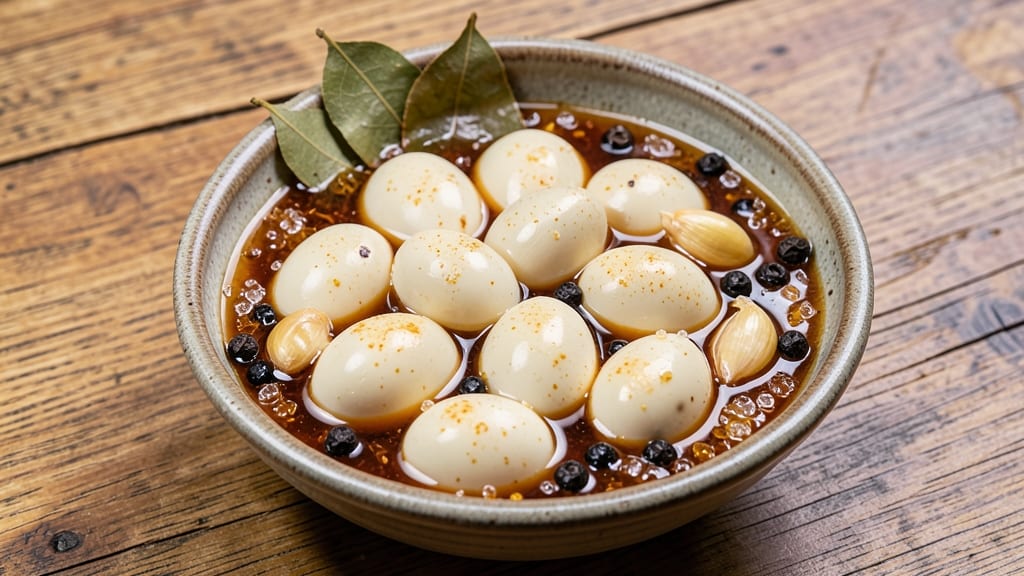
This Filipino recipe for pickled quail eggs delivers a tangy, garlicky punch that transforms simple meals into festive bites. This traditional recipe transforms delicate quail eggs into vibrant, vinegar-infused bites that pair perfectly with rice or crispy pork.
I first discovered this dish at a family celebration, where the bright crimson eggs became the star of the spread.
The process is straightforward but requires patience—hard-boiling the eggs, then curing them in a garlic-vinegar brine for at least 24 hours. The key lies in balancing sweetness, acidity, and aromatic spices like black peppercorns and bay leaves.
What makes these eggs special is their versatility: serve them as a snack, appetizer, or even a topping for noodle dishes.
By the time you crack open the jar, you’ll find eggs with a glossy sheen and a tangy bite that cuts through rich dishes. The garlic infusion adds depth, while the vinegar preserves their delicate texture.
This recipe delivers restaurant-quality flavor with minimal effort—just 15 minutes of prep followed by hands-off curing.
Store them in the refrigerator for up to two weeks, and they’ll keep getting better as the flavors meld. Perfect for holiday feasts or everyday snacking, these pickled quail eggs prove that simple ingredients can create something extraordinary. Let’s get started on this Filipino classic!
Ingredients for pickled quail eggs filipino
Sixteen ingredients transform delicate quail eggs into vibrant Filipino pickled bites.
| Ingredient | Amount | Notes |
|---|---|---|
| Quail Eggs 🥚 | 24 whole | Fresh, unwashed preferred |
| White Vinegar 🍶 | 2 cups | Distilled or apple cider |
| Granulated Sugar 🍚 | 1 cup | Light brown sugar for depth |
| Garlic Cloves 🧄 | 6 cloves | Thinly sliced, peeled |
| Black Peppercorns 🌶️ | 1 tbsp | Whole, lightly crushed |
| Bay Leaves 🍃 | 2 whole | Fresh or dried |
| Salt 🧂 | 1 tsp | Kosher or sea salt |
| Red Chili Peppers 🌶️ | 2 whole | Dried, halved lengthwise |
| Water 💧 | 2 cups | Filtered preferred |
| Lemon Peels 🍋 | 1 whole | Organic, thinly sliced |
| Cilantro Leaves 🌿 | ¼ cup | For garnish, optional |
The quail eggs are the foundation, so freshness is critical. Look for eggs with clean, unbroken shells—local farms or specialty markets often carry them. If you can't find quail eggs, substitute duck eggs, but the texture and flavor will differ slightly. The vinegar is non-negotiable for authentic tang; Filipino brands like Calza or regular distilled vinegar both work well. For the garlic, peel and slice it thinly—this ensures even infusion without overpowering the eggs. Black peppercorns should be lightly crushed to release their aroma, and bay leaves add subtle earthiness. If using dried bay leaves, toast them briefly in a dry pan to enhance their flavor.
No white vinegar? Apple cider or rice vinegar work in a pinch, though the flavor profile shifts slightly. Short on garlic? Garlic powder at half the amount can substitute, but fresh is ideal. Dried chili peppers can be swapped for red pepper flakes at one-third the quantity, but they lack the same depth. The sugar balances acidity—brown sugar adds subtle molasses notes, while white sugar keeps it crisp. For extra brightness, add 1 tbsp of lemon juice to the brine. If you're feeling adventurous, a pinch of turmeric (1/4 tsp) will give the eggs a stunning golden hue, though it’s not traditional.
This recipe requires patience—the eggs need at least 24 hours to develop their signature tang. Store them in an airtight jar in the fridge for up to two weeks, though they’ll keep improving in flavor for the first week. The brine can be reused for 2-3 batches if strained and refreshed with vinegar and water. For serving, let the eggs sit at room temperature for 10 minutes before cracking to enhance their glossy sheen. Garnish with cilantro just before serving to keep it vibrant—add it to the jar only if you’re serving immediately, as it wilts quickly in the brine.
Why You'll Love This Recipe
- No-Fuss Assembly: I swear by this recipe because it’s basically hands-off after the initial chop. Just crack the eggs, toss them in the vinegar-sugar mix with garlic and peppercorns, and let time do the work—no stirring, no babysitting, no stress.
- Tangy Crunch: That first bite? The vinegar cuts through the quail egg’s richness while the garlic and peppercorns add a sharp, aromatic punch. It’s like a little flavor explosion in every tiny shell—no bland moments here.
- Party Snack Star: Honestly, these are my go-to for gatherings. Serve them chilled with beer, pair them with grilled meats, or just let guests pop them straight from the jar. They disappear fast, and no one ever asks what they’re called.
- Lasts All Week: Between us, I make a big batch and keep it in the fridge for days. The eggs stay perfectly preserved, and the vinegar brine gets even more flavorful over time—great for lazy lunches or when you just don’t feel like cooking.
Step-by-step instructions for Filipino pickled quail eggs
Here's how to create these vibrant, tangy quail eggs with a perfect balance of garlic, chili, and citrus.
Prepare the Quail Eggs for Pickling
Begin by gently washing the 24 whole quail eggs under cool running water, being careful not to crack them. Place them in a single layer in a medium saucepan and cover with cold water by about 1 inch. Bring to a gentle boil over medium heat and cook for exactly 9 minutes. This timing ensures the eggs are fully cooked but still firm.
Immediately transfer the eggs to an ice bath to stop the cooking process. Once completely cooled, peel the eggs carefully, removing any loose shell fragments. Set them aside in a clean bowl - you'll use all 24 whole quail eggs for this recipe.
Create the Pickling Liquid
In a separate saucepan, combine the 2 cups white vinegar, 1 cup granulated sugar, 2 cups water, 1 tsp salt, 6 cloves garlic cloves (thinly sliced), 2 whole bay leaves, 2 whole red chili peppers (halved lengthwise), and 1 whole lemon peels (thinly sliced). Bring to a gentle simmer over medium heat, stirring occasionally until the sugar completely dissolves - this should take about 5 minutes.
Remove from heat and let the mixture cool completely to room temperature. This cooling process allows the flavors to meld together, creating that signature tangy, aromatic base for your pickled eggs. The liquid should be clear with visible garlic slices and chili peppers floating throughout.
Assemble the Pickling Jars
Place the peeled quail eggs in a clean glass jar, arranging them in a single layer. Pour the cooled pickling liquid over the eggs, ensuring they are completely submerged. The liquid should cover the eggs by at least ½ inch. Add the 1 tbsp black peppercorns (lightly crushed) to the jar as well.
Seal the jar tightly and let it sit at room temperature for 24 hours before transferring to the refrigerator. This initial room temperature period allows the flavors to penetrate the eggs more deeply. After the 24 hours, the eggs will be ready to eat and can be stored in the refrigerator for up to 3 months.
Serve and Garnish
When ready to serve, remove the eggs from the jar and pat them dry with paper towels. Arrange them on a platter and garnish with the 0.25 cup cilantro leaves, chopped finely. The vibrant green of the cilantro contrasts beautifully with the deep red of the chili peppers in the pickling liquid, creating an appealing presentation.
Serve these Filipino pickled quail eggs chilled as an appetizer or side dish. They pair wonderfully with rice dishes, grilled meats, or fresh salads. The tangy, garlicky flavor will complement a variety of meals, making them a versatile addition to your culinary repertoire.
Pro Tips For Making Pickled Quail Eggs Filipino
- BOIL EGGS FIRST: Skip the raw-in-brine trick—hard-boil the quail eggs for 6 minutes in salted water before pickling. I learned this the hard way when my first batch turned rubbery after soaking; boiling first keeps them firm while letting the vinegar do its magic.
- USE FRESH GARLIC: Crush the garlic cloves just before adding them to the vinegar mix—don’t chop ahead. Stale garlic turns bitter in vinegar, and this recipe relies on its bright, sharp punch. A quick smash with the flat side of a knife works best.
- COVER THE JAR: Press a clean cloth or parchment over the jar before sealing to keep the eggs submerged. I used to ignore this, and the top eggs would float, leaving them bland and under-seasoned. A small weight (like a spoon) helps too.
- ADJUST SUGAR TO VINEGAR RATIO: If your vinegar is cheap or cloudy, bump the sugar to 1:1 with vinegar (instead of 1:2) to balance acidity. I was skeptical until I tried it—now my pickles stay crisp and never taste harsh. Taste the brine before adding eggs.
Serving suggestions for this recipe
Rice Pairings
Filipino pickled quail eggs shine alongside steamed jasmine rice—the neutral base lets their tangy, garlicky flavors take center stage. For extra richness, serve with garlic fried rice where the eggs can be cracked directly into the pan during the final stir-fry.
I love pairing them with sinangag (garlic rice) for a classic Filipino breakfast combo. 🍚
Protein Complements
Grilled or crispy proteins elevate these eggs perfectly. Try them with lechon kawali (Filipino crispy pork), adobo chicken, or grilled shrimp skewers. The eggs’ acidity cuts through the fat, balancing flavors beautifully. For a vegetarian option, serve with tofu adobo or eggplant in garlic sauce.
Salad Pairings
A fresh Filipino ensaladang talong (eggplant salad) or green mango salad provides a crisp, refreshing contrast. The creamy texture of avocado in a salad also pairs wonderfully with the eggs’ tang. For a quick lunch, toss them with mixed greens, shredded carrots, and a sweet vinegar dressing.
Party Platter Ideas
Arrange the eggs on a platter with cheese cubes, cured meats, and fresh fruit for a festive appetizer spread. Filipinos often serve them at gatherings like fiestas or holiday banquets. For a modern twist, pair with crudités and hummus for a casual but elegant setup. 🥂
Breakfast Boost
Crack the eggs directly onto pancit (Filipino noodles) or tapsilog (tapsi rice, silog-style) for a flavorful breakfast. Their briny tang enhances the savory noodles or crispy pork. For a lighter option, serve with garlic toast and a soft-boiled egg on the side.
Garnish & Presentation
For a restaurant-worthy look, garnish with thinly sliced cucumber, radish roses, or edible flowers. A drizzle of chili oil or soy-vinegar dip on the side adds extra flair. Serve in small bowls or on a banana leaf for an authentic Filipino touch. 🌸
Nutrition facts
Frequently asked questions
Can I use chicken eggs instead of quail eggs?
While chicken eggs work in a pinch, they won't have the same delicate texture or vibrant presentation. Quail eggs are smaller and more tender, absorbing the pickling flavors beautifully. If substituting, use 12 large chicken eggs (peeled) and adjust the jar size accordingly. The flavor will be similar, but the texture will be slightly firmer.
How long should I pickle the eggs for best flavor?
The minimum curing time is 24 hours, but the flavor improves with time. For optimal tang and depth, pickle them for 3-5 days in the refrigerator. After a week, the eggs will be fully infused but may become slightly softer. The longer they pickle, the more intense the garlic and vinegar flavors become!
What if my pickling liquid isn't covering the eggs completely?
Add more liquid by mixing ½ cup vinegar, ½ cup water, and 1 tbsp sugar until dissolved. Pour it over the eggs to ensure full submersion. The eggs must stay covered to prevent spoilage and maintain even pickling. If needed, use a smaller jar to reduce air space.
Can I make this recipe without vinegar?
Vinegar is essential for authentic flavor and preservation. However, you could experiment with lemon juice or lime juice for a milder tang, though the texture and shelf life won't be the same. For a vinegar substitute, use 3 cups juice (about 6-8 lemons) plus 1 tbsp citric acid to mimic the acidity. The flavor will be brighter but less complex.
How do I store leftover pickling liquid?
Strain the liquid through a fine-mesh sieve to remove solids, then store it in an airtight container in the fridge. It keeps for 1 month and can be reused for 2-3 more batches of eggs. To refresh, add 1 tbsp vinegar and 1 tbsp sugar per cup of liquid before reuse. This reduces waste and maximizes flavor!