
Breakfast & Brunch
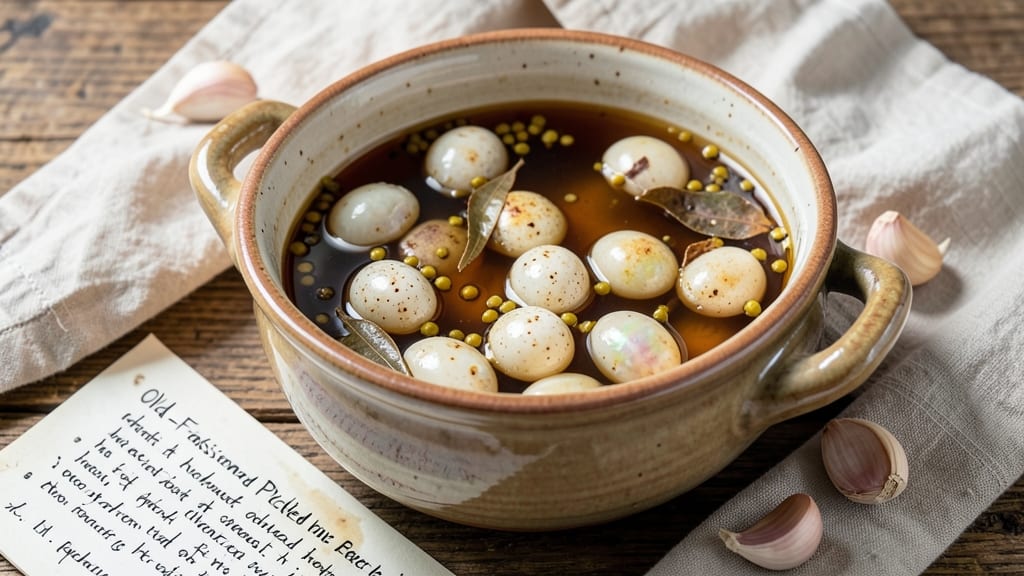
This old-fashioned pickled quail eggs recipe transforms delicate quail eggs into tangy, vinegar-bright bites that elevate any charcuterie board or brunch spread. The traditional method preserves their natural flavor while adding a satisfying crunch and bright acidity that cuts through rich meats and cheeses.
I first discovered this technique at a Southern farmhouse kitchen, where the eggs were served alongside cornbread and smoked sausage—an unforgettable combination.
The process begins with hard-boiling the quail eggs, then carefully cracking their shells to create those signature marbled patterns. A simple vinegar brine with mustard seeds, garlic, and bay leaves infuses them with deep, aromatic flavors over just a few days.
The key to success lies in precise timing and ingredient balance—too much vinegar makes them sour, while too little leaves them bland.
What you’ll end up with are quail eggs that are perfectly firm yet tender, their yolks still vibrant and their shells marbled with delicate cracks. The tangy pickling liquid clings to each bite, offering a refreshing contrast to creamy cheeses or crispy meats.
These eggs keep beautifully in the refrigerator for up to two weeks, making them an ideal make-ahead appetizer for gatherings.
Serve them on a rustic wooden board with smoked salmon, crusty bread, and sharp cheddar for a classic Southern-inspired spread. The bright acidity of the pickling solution also makes them a perfect palate cleanser between rich dishes. Let’s get started on this timeless recipe—your taste buds will thank you.
Ingredients for old fashioned pickled quail eggs
Twenty-four delicate quail eggs transform into vinegar-bright bites for any charcuterie board or brunch spread.
| Ingredient | Amount | Notes |
|---|---|---|
| Fresh Quail Eggs 🥚 | 24 whole | Room temperature for even cooking |
| White Vinegar 🍶 | 2 cups | Distilled preferred for clarity |
| Water 💧 | 1 cup | Filtered preferred for taste |
| Granulated Sugar 🍚 | ½ cup | White or raw preferred |
| Yellow Mustard Seeds 🌶️ | 1 tbsp | Whole seeds for texture |
| Garlic Cloves 🧄 | 4 cloves | Smashed for infusion |
| Dried Bay Leaves 🍃 | 2 whole | Fresh preferred if available |
| Coarse Kosher Salt 🧂 | 1 ½ tbsp | For brine balance |
| Black Peppercorns 🌶️ | 1 tsp | Crushed for aroma |
| Fresh Dill Sprigs 🌿 | 3 sprigs | Optional for herbal note |
| Ice Cubes ❄️ | 1 cup | For quick cooling |
The quality of quail eggs makes all the difference here. Local farm markets often carry them in season, but specialty grocery stores like Whole Foods or Trader Joe's stock them year-round. Look for eggs that are plump and unbroken—size consistency matters for even pickling. The vinegar should be white distilled vinegar for clarity and mild flavor; apple cider vinegar adds complexity but may darken the brine. Sugar is essential for balance, but raw cane sugar dissolves more smoothly than white. For the mustard seeds, Penzeys carries high-quality varieties—yellow mustard seeds provide the classic crunch.
No yellow mustard seeds? Ground mustard at 1 tsp works in a pinch, though texture will differ. Substitute dried mustard powder if needed, but fresh seeds are ideal. Fresh bay leaves are superior but dried work fine—just remove them after pickling. The garlic and peppercorns can be minced or crushed lightly for faster infusion. For a herb-forward twist, swap dill for fresh tarragon or thyme. The sugar-to-vinegar ratio is critical: too much sugar makes them sweet, too little leaves them bland. Taste the brine before adding eggs—adjust with 1 tsp more sugar or vinegar as needed.
Store the pickled eggs in an airtight jar submerged in their brine for up to 2 weeks in the fridge. The flavor deepens over time, so they taste even better after 3-5 days. For longer storage, transfer to a sterile jar with fresh brine and refrigerate for up to 3 months. Serve chilled as part of a charcuterie spread, pairing with smoked salmon, sharp cheddar, and crusty bread. The eggs can be removed from the jar 1 hour before serving to let them firm up slightly—this prevents soggy shells.
Why You'll Love This Recipe
- Five-Minute Miracle: I swear, this takes less time than boiling water for tea. Crack those eggs, toss them in a jar with vinegar, sugar, and mustard seeds, then let the fridge do the work—no babysitting required.
- Tangy Crunch Perfection: That bright vinegar punch with the subtle pop of mustard seeds? It’s like a little flavor explosion in every bite. The eggs stay snappy inside, creamy out—honestly, I reach for these before chips any day.
- Party Snack Hero: Between us, these disappear at gatherings. Serve them on charcuterie boards, toss them in salads, or just let guests pop them straight from the jar. They’re fancy enough for a dinner party but zero effort to pull together.
- Fridge Stash Gold: Make a big batch—these keep for weeks. I keep a jar in my fridge for lazy lunches, last-minute appetizers, or when I’m too tired to cook. Three ingredients do all the heavy lifting.
Step-by-step instructions for perfectly pickled quail eggs
Here's how to achieve restaurant-quality pickled quail eggs with vibrant color and delicate flavor.
Prepare the Brine Mixture
In a medium saucepan, combine the 2 cups white vinegar, 1 cup water, 0.5 cup granulated sugar, 1.5 tablespoons coarse kosher salt, 1 teaspoon black peppercorns, 2 whole dried bay leaves, and 1 tablespoon yellow mustard seeds. Bring to a gentle simmer over medium heat, stirring until the sugar and salt fully dissolve—this should take about 5 minutes. You'll notice the mixture becomes clear and slightly syrupy in texture.
While heating, lightly crush the 4 garlic cloves with the side of a chef's knife to release their oils without turning into a paste. Once the brine reaches a gentle simmer, remove it from heat and let it cool to room temperature—about 30 minutes. This cooling step prevents cracking the delicate quail eggs when they're added later. The aroma should be sharp and aromatic, with notes of vinegar, garlic, and subtle herbal undertones.
Prepare the Quail Eggs for Pickling
Gently place the 24 whole fresh quail eggs in a single layer in a clean glass jar with a tight-sealing lid. The eggs should fit snugly but not be forced—if they're too crowded, use two jars. I recommend using a quart-sized jar for this quantity. Arrange the eggs with their wider ends down to ensure even pickling and prevent cracking during the process.
Add the 3 sprigs fresh dill sprigs to the jar, tucking them around the eggs. The dill will infuse subtle herbal notes without overpowering the primary flavors. If using fresh bay leaves instead of dried, add them now as well. The jar should feel full but not packed—this allows the brine to fully submerge the eggs and circulate properly.
Combine Eggs and Brine
Pour the cooled brine into the jar, ensuring all eggs are completely submerged. If any eggs float to the surface, gently press them down with a clean spoon. The liquid should cover the eggs by at least 1 inch—this prevents mold growth and ensures even pickling. Seal the jar tightly and place it in the refrigerator.
Let the eggs pickle for at least 48 hours before tasting. I find 72 hours yields the perfect balance of tangy flavor and tender texture. During this time, the eggs will absorb the vinegar's acidity while the spices infuse their aromatic qualities. The color will shift from pale yellow to a vibrant, translucent hue with subtle pink undertones—this visual transformation indicates proper pickling.
Chill and Finish
After the initial 48-72 hour period, remove the jar from the refrigerator and add the 1 cup ice cubes to the brine. This rapid cooling step helps set the texture and enhances the crispness of the egg whites. Return the jar to the refrigerator and let it chill for an additional 12 hours—this final cooling ensures the eggs reach their ideal consistency.
Once fully chilled, the pickled quail eggs should have a firm yet tender texture with a bright, tangy flavor profile. The whites should be translucent with a delicate pink tint, while the yolks remain vibrant. Store in the refrigerator for up to 2 weeks, though they're best enjoyed within the first week when the flavors are most vibrant. Serve as an elegant appetizer or charcuterie board accent—each bite delivers a perfect balance of tangy, garlicky, and herbal notes.
Pro Tips For Making Old Fashioned Pickled Quail Eggs
- Boil Eggs 7 Minutes: DESCRIPTION:
- Sterilize Jars First: DESCRIPTION:
- Use 1:1 Vinegar Ratio: DESCRIPTION:
- Add Seeds Last: DESCRIPTION:
Creative variations of this recipe
Southern Farmhouse Style
Inspired by my first experience with these eggs at a rural Southern farmhouse, this variation adds ½ cup apple cider vinegar to the brine and includes 2 slices of smoked bacon wrapped around each egg before pickling.
The bacon adds a smoky depth that pairs beautifully with the tangy vinegar. Serve with cornbread muffins and sharp cheddar for an authentic Southern spread. 🌶️
Herb-Infused Mediterranean
Swap the dill for 1 tbsp fresh oregano and 1 tbsp fresh thyme along with 2 sprigs rosemary. Add 1 tsp red pepper flakes to the brine for a subtle heat.
This variation works beautifully with feta cheese, olives, and grilled halloumi on a Mediterranean platter. The herbs brighten the flavor profile while keeping the classic tang.
Spicy Asian Fusion
For a bold twist, replace the yellow mustard seeds with 1 tbsp whole Sichuan peppercorns and add 1 tbsp goji berries to the brine. Include 1-inch fresh ginger slices and 1 star anise pod for depth.
This version pairs wonderfully with duck confit or steamed dumplings. The numbing heat from Sichuan peppercorns creates a unique contrast to the vinegar's sharpness. 🌶️
Sweet & Smoky BBQ Style
Add ¼ cup BBQ sauce (like Sweet Baby Ray's) to the brine along with 1 tbsp smoked paprika. This variation gives the eggs a sweet, smoky flavor that works perfectly with pulled pork sandwiches or grilled sausages.
The sweetness balances the vinegar's acidity, creating a unique flavor profile that's perfect for game day spreads.
Citrus-Forward Bright
Brighten the brine with zest from 1 lemon and 1 orange, plus 2 tbsp fresh citrus juice. Add ½ tsp ground coriander for warmth. This variation shines when paired with goat cheese, fig jam, and toasted walnuts.
The citrus notes elevate the eggs' natural flavor while keeping them refreshing and light. Perfect for spring and summer gatherings. 🍊
Smoky Chipotle Heat
Infuse the brine with 2 chipotle peppers in adobo sauce and 1 tsp ground cumin. This smoky, spicy version pairs beautifully with queso fresco, avocado slices, and warm tortilla chips.
The chipotle adds a deep, smoky heat that contrasts beautifully with the vinegar's brightness. Ideal for those who love a little kick with their appetizers. 🔥
Nutrition facts
Frequently asked questions
Why do the quail eggs need to be cracked before pickling?
The delicate cracking creates those signature marbled patterns while allowing the vinegar brine to penetrate evenly. This traditional technique ensures each bite has that perfect balance of tangy crunch and tender yolk. The cracks also help release natural flavors during pickling, creating a more complex taste profile.
Can I use chicken eggs instead of quail eggs?
While possible, quail eggs are ideal because their small size and delicate texture absorb the pickling flavors perfectly. Chicken eggs would require adjusting the brine quantity and pickling time significantly—typically 2-3 hours instead of 48-72 hours. The flavor intensity would also differ due to the larger surface area.
How do I prevent the eggs from floating to the surface?
Gently press down any floating eggs with a clean spoon to ensure full submersion. For extra security, add 1-2 ice cubes to the jar before sealing—this creates slight negative buoyancy. Never overcrowd the jar, as this prevents proper brine circulation. The eggs should be completely covered by at least 1 inch of liquid.
What's the best way to serve these pickled eggs?
Arrange them on a rustic wooden board with smoked salmon, sharp cheddar, and crusty bread for a classic Southern spread. They also shine as a palate cleanser between rich dishes or as a garnish for creamy soups and salads. The tangy flavor pairs beautifully with fatty meats and creamy cheeses.
Can I make this recipe without mustard seeds?
Yes! Substitute with 1 tsp ground mustard or 1 tbsp whole black mustard seeds for texture. For a different flavor profile, try 1 tsp coriander seeds or ½ tsp fennel seeds. The key is maintaining the 1 tbsp total seed/spice quantity to balance the brine. Always adjust other spices proportionally to avoid overpowering the delicate egg flavor.