
Breakfast & Brunch
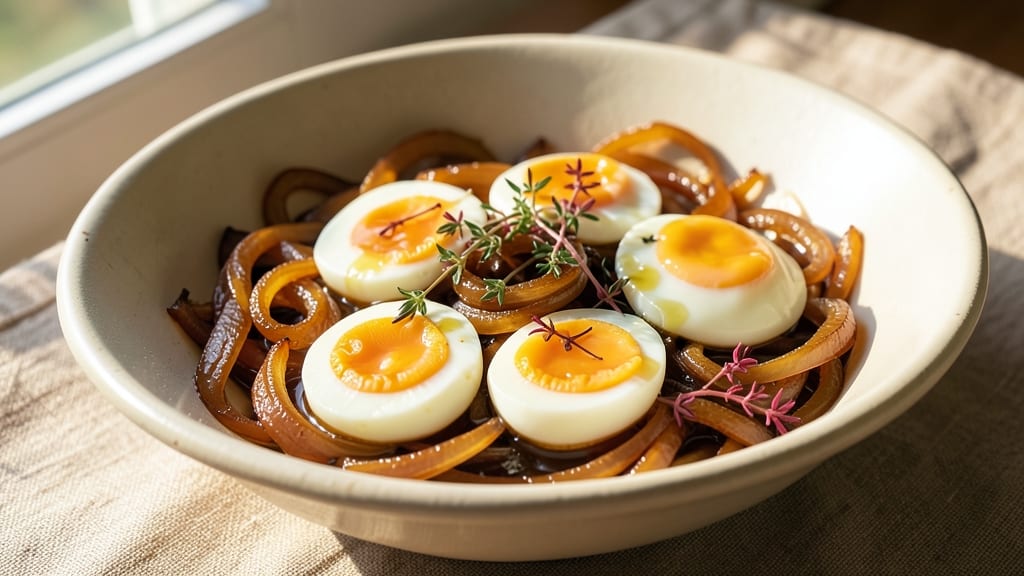
This onion and egg boil recipe transforms simple ingredients into a comforting dish that balances silky soft eggs with caramelized onion bites—perfect for a hearty breakfast or light lunch.
The technique involves slow simmering to develop deep, savory flavors without overcooking the eggs, creating a dish that feels both rustic and refined.
I first discovered this method while searching for a way to use up leftover onions, and it quickly became a staple in my rotation for its simplicity and satisfying texture.
The beauty of this recipe lies in its minimal prep and hands-off cooking. You'll start by caramelizing onions until they reach that perfect balance of sweetness and depth, then gently poach eggs in the same pot to absorb those rich flavors.
The result is eggs with a tender, custardy center and a subtle onion-infused richness, paired with crisp-tender caramelized onions that add both texture and complexity. It's the kind of dish that feels indulgent yet remains light enough for any meal.
What makes this recipe stand out is how it elevates basic ingredients into something extraordinary with just two key techniques: patience in caramelizing the onions and precise temperature control when poaching the eggs.
The slow simmer ensures the eggs cook evenly without becoming rubbery, while the onions develop layers of flavor that transform the dish from ordinary to memorable. This is the kind of recipe that proves great food doesn’t require complicated steps—just thoughtful execution.
Serve this dish with crusty bread to soak up the eggy broth, or pair it with a simple green salad for a balanced meal. The flavors only deepen as it sits, making it ideal for meal prep or a spontaneous breakfast when you're craving something warm and comforting.
Let’s get started on creating this harmonious blend of textures and flavors.
Ingredients for onion and egg boil
Transform simple pantry staples into a luxurious breakfast with tender eggs and sweet caramelized onions.
| Ingredient | Amount | Notes |
|---|---|---|
| Yellow Onions 🧅 | 2 large | Thinly sliced, yellow or red |
| Large Eggs 🥚 | 6 whole | Fresh, room temperature |
| Vegetable Stock 💧 | 2 cups | Low-sodium preferred |
| Extra-Virgin Olive Oil 🫒 | 2 tbsp | High quality, fruity |
| Diamond Crystal Kosher Salt 🧂 | 1 tsp | For seasoning |
| Fresh Thyme Leaves 🌿 | ¼ cup | Chopped, stems removed |
| Black Peppercorns 🌶️ | ½ tsp | Freshly cracked |
| Fresh Parsley Leaves 🌿 | ⅛ cup | Chopped, for garnish |
| Crusty Bread 🍞 | 1 loaf | For serving |
| White Vinegar 🍶 | 1 tbsp | For egg poaching |
| Unsalted Butter 🧈 | 1 tbsp | For finishing |
The onions are the foundation—yellow or red work equally well, but avoid sweet varieties like Vidalia for this application. Trader Joe's and Whole Foods carry excellent fresh onions year-round, though local farmers markets often provide the freshest options during peak season. For optimal flavor development, use onions with dry, papery skins and firm texture. Thinly slice them evenly to ensure consistent caramelization throughout the cooking process. The vegetable stock should be rich and well-seasoned—homemade stock or high-quality brands like Pacific Foods or Imagine will elevate the dish significantly.
No fresh thyme? Dried thyme at one-third the amount works in a pinch, though fresh provides superior aroma. For the eggs, room temperature eggs poach more evenly—simply remove them from the fridge 30 minutes before starting. The white vinegar is crucial for creating a gentle acidity that helps the eggs coagulate properly without breaking. If you prefer a richer finish, substitute the butter with extra-virgin olive oil, though the butter adds a delightful depth. For those avoiding dairy entirely, vegan butter or additional olive oil maintains the same luxurious texture.
Store any leftover caramelized onions in an airtight container in the refrigerator for up to 5 days, though they're best used within 2 days for peak texture. The poached eggs should be consumed immediately or stored in the fridge for no more than 2 days, though reheating them will compromise their delicate texture. For meal prep, assemble the dish just before serving to maintain the perfect balance of silky eggs and crisp onions. The crusty bread should be served immediately alongside to soak up the flavorful broth, as it loses its ideal texture after a few hours.
Why You'll Love This Recipe
- Zero-Cut Prep: I swear, you’ll only need a knife to slice those onions—no dicing, no mincing, just even half-moons. Toss them in the pot with stock and oil, and the rest is hands-off. Honestly, this is the kind of recipe that makes me feel like a lazy genius.
- Caramelized Magic: The onions turn golden and sweet as they simmer, then those eggs drop in like little surprises—creamy yolks cracking open in the rich, salty broth. Between us, that first bite of tender onion wrapped in runny egg? It’s the kind of flavor that sticks with you until the next meal.
- Leftovers for Days: Make a big batch on Sunday, and you’ve got lunch sorted all week. The broth keeps the eggs and onions tender even after reheating, and the flavors only deepen. My college kid still texts me for the recipe—proof it’s a keeper.
- Pantry Staple Power: You’re probably already staring at these ingredients in your fridge. Onions, eggs, stock, oil, salt—nothing fancy, just real food that doesn’t break the bank. It’s the kind of meal that makes me proud of my grocery list.
Step-by-step instructions for silky soft eggs with caramelized onion bites
This method delivers perfectly poached eggs with tender centers and crisp caramelized onion bites.
Prepare the Caramelized Onion Base
Heat the 2 tablespoons extra-virgin olive oil in a deep skillet over medium-low heat. Add the 2 large yellow onions, sliced into thin rounds, and cook slowly for 25-30 minutes, stirring occasionally. You want the onions to soften and develop a deep golden color—this takes patience, but it's worth it for that sweet, jammy texture.
After 15 minutes, sprinkle with ½ teaspoon freshly cracked black peppercorns and ½ teaspoon diamond crystal kosher salt. The slow cooking process will concentrate their flavors beautifully. When the onions are tender and beginning to caramelize at the edges, remove them from the pan and set aside, leaving the rendered oil behind—this is where the magic happens next.
Poach the Eggs to Silky Perfection
In a separate saucepan, combine the 2 cups vegetable stock and 1 tablespoon white vinegar, bringing it to a gentle simmer over medium heat. The vinegar lowers the surface tension, helping the egg whites hold their shape. Crack the 6 whole large eggs into small bowls—this prevents accidental shell fragments from falling into the poaching water.
Using a slotted spoon, gently lower one egg at a time into the simmering liquid. Poach for 3-4 minutes until the whites are set but the yolks remain soft and runny. Remove each egg with the spoon and drain briefly on a paper towel before transferring to a warm plate. The residual heat will keep them warm while you finish the remaining eggs.
Assemble the Dish with Finishing Touches
Return the caramelized onions to the skillet over low heat and stir in the ¼ cup chopped fresh thyme leaves. Let them warm through for 1-2 minutes—this infuses their flavor with the herb's aromatic oils. In a small bowl, whisk together the 1 tablespoon unsalted butter with a pinch of diamond crystal kosher salt until smooth.
To serve, divide the warm crusty bread among plates. Top each portion with 1½ poached eggs and a generous spoonful of the thyme-infused caramelized onions. Drizzle with the butter mixture and finish with 1 tablespoon chopped fresh parsley leaves. The contrast of silky eggs, crisp onion bites, and herbed butter creates a harmonious balance of textures and flavors.
Pro Tips For Making Onion And Egg Boil
- Slice Onions Evenly: Cut the onions into ¼-inch thick slices—not too thin (they’ll burn), not too thick (they’ll stay raw). I learned this the hard way after one batch turned into a sad, charred mess while another stayed undercooked. A sharp knife and steady hand make all the difference.
- Salt the Stock First: Season the vegetable stock before adding onions—at least ½ teaspoon salt per cup. The onions absorb the liquid, and if the stock tastes bland, so will your dish. (Yes, even if you’re using low-sodium stock, a little extra salt upfront matters.)
- Poach Eggs Separately: If you’re adding whole eggs to the pot, poach them first in a separate bowl of simmering water for 4-5 minutes. This keeps them intact instead of turning into scrambled bits when tossed in with the onions. (Trust me, your future self will hate mushy eggs in this dish.)
- Finish with Olive Oil: Stir in 1 tablespoon of extra-virgin olive oil at the very end—it coats the onions and eggs, making everything silky and rich. Skip it, and the dish tastes dry, even if the stock was perfect. (This is the thing that actually changes the outcome.)
Storing and reheating this dish
Refrigerator Storage Tips
Store the caramelized onions in an airtight glass container with a lid, allowing them to cool completely first. They’ll keep well in the fridge for up to 5 days, though their texture remains best within 2 days.
The poached eggs, however, should be eaten immediately or stored separately for no more than 2 days—their delicate texture breaks down quickly when reheated. 🥬
Freezing Caramelized Onions
If you’re prepping ahead, freeze the caramelized onions in a single layer on a parchment-lined tray for 1 hour to prevent clumping. Transfer them to a freezer-safe bag with all air removed, then store for up to 3 months.
Thaw overnight in the fridge before reheating gently in a skillet with a splash of water to restore crispness.
Reheating Poached Eggs
While reheating poached eggs isn’t ideal, you can gently warm them in a microwave-safe bowl on 50% power for 10 seconds to maintain some creaminess. For the best results, assemble the dish fresh—silky yolks and crisp onions lose their magic when reheated.
If you must reheat, add a spoonful of warm caramelized onions to the eggs to revive their flavor.
Meal Prep Assembly
Prep the caramelized onions and store them separately, then poach eggs fresh when ready to serve. Keep the vegetable stock and white vinegar mixture refrigerated in a sealed container for up to 3 days, reheating it gently before poaching.
This approach ensures you always enjoy the perfect balance of textures without compromising quality. 💡
Reviving Stale Onions
If your stored caramelized onions lose their crispness, revive them by reheating in a dry skillet over medium heat for 2-3 minutes. Add a pinch of salt and a pat of butter to restore their rich, jammy texture. This trick works wonders for leftovers that have softened overnight.
Serving Suggestions
Serve this dish immediately with warm crusty bread to soak up the flavorful broth. For a complete meal, pair it with a simple mixed greens salad dressed with a light vinaigrette. The contrast of cool greens and warm eggs makes every bite feel fresh and satisfying. 🍽️
Nutrition facts
Frequently asked questions
Why do the onions need to caramelize for so long?
Slow caramelization (25-30 minutes) transforms onions from sharp to sweet and jammy—a key flavor foundation. The long cook time develops deeper, complex sugars that balance the eggs' richness. Rushing this step results in bitter or watery onions that won't complement the dish.
Can I substitute poached eggs with another cooking method?
Yes! For a quicker version, use soft-boiled eggs (6 minutes in boiling water) or scrambled eggs cooked low-and-slow. However, poaching creates the signature silky texture that absorbs the onion's flavor best. The vinegar in the poaching liquid also helps set the whites more cleanly.
What if my eggs turn out rubbery?
Rubbery eggs usually mean overcooking. Keep the poaching water at a gentle simmer (not a rolling boil) and time them precisely—3-4 minutes for runny yolks. For extra tenderness, add 1 tablespoon cornstarch to the poaching water to stabilize the proteins.
Can I make this dish ahead of time?
Prepare the caramelized onions 1-2 days ahead and store them in an airtight container. However, poach the eggs fresh—their texture degrades when reheated. The onions can even be frozen for 3 months! Reheat them in a dry skillet to restore crispness before serving.
What's the best way to serve this dish?
Pair it with crusty sourdough bread to soak up the eggy broth, or serve over toasted baguette slices for extra crunch. For a complete meal, add a simple side salad with a light lemon vinaigrette to balance the richness.