
Breakfast & Brunch
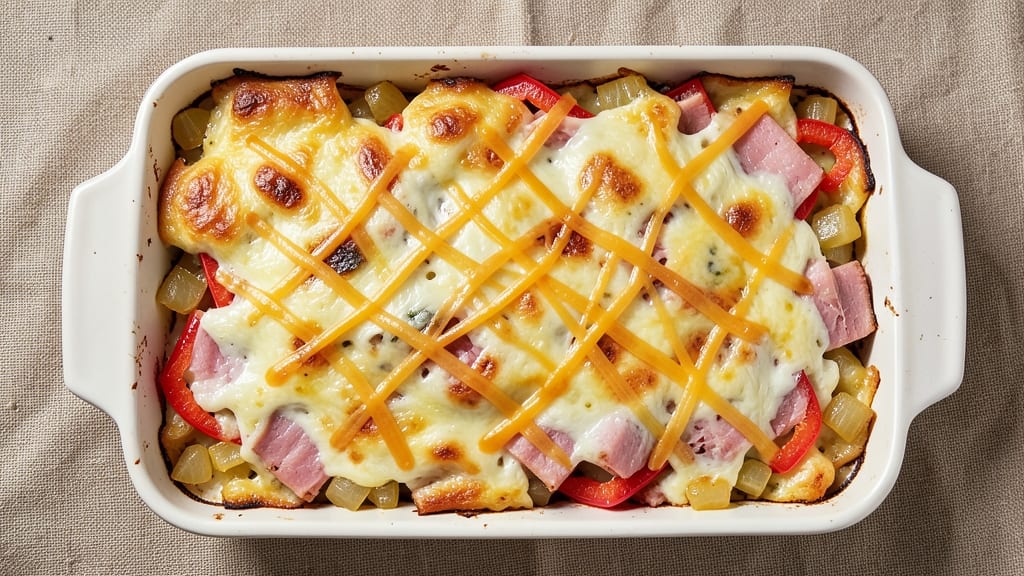
The Betty Crocker egg casserole recipe delivers that classic comfort food experience with fluffy, cheese-packed bites in one simple dish. This recipe brings back the nostalgia of homemade breakfast casseroles, where every layer of eggs, cheese, and savory ingredients comes together perfectly in the oven.
I've refined this version to ensure crispy edges and a tender interior, just like the ones we all grew up with. The secret lies in the proper layering technique and baking at the right temperature to achieve that iconic texture.
What makes this recipe stand out is its versatility and ease—ideal for busy mornings or meal prep. You'll start by sautéing vegetables like onions and peppers to build flavor, then layer them with beaten eggs, cheese, and any optional additions like ham or spinach.
Baking at 350°F ensures even cooking, while broiling at the end adds that golden, crispy finish that makes it irresistible. This method guarantees a dish that's both hearty and satisfying, perfect for feeding a crowd or preparing ahead for the week.
The result is a casserole with a golden crust, fluffy egg centers, and melted cheese that pulls just enough to create those satisfying, gooey bites. Each forkful delivers a balance of creamy, savory, and slightly crispy textures that make it a breakfast staple.
The best part? It's ready in under an hour, with minimal cleanup, so you can enjoy a restaurant-quality meal without the fuss. Whether you're serving it for brunch or a quick dinner, this recipe is a game-changer for any meal.
For those looking to adapt it further, try adding cooked bacon, sautéed mushrooms, or even a sprinkle of hot sauce for a kick. The possibilities are endless, but the foundation remains the same—simple, foolproof, and packed with flavor. Let's get started on creating this timeless classic for your table.
Ingredients for betty crocker egg casserole
Twelve eggs, two cups cheese, and a handful of pantry staples transform into nostalgic breakfast bites.
| Ingredient | Amount | Notes |
|---|---|---|
| Large Eggs 🥚 | 12 whole | Room temperature for even baking |
| Shredded Cheddar Cheese 🧀 | 2 cups | Sharp cheddar for best melt |
| Milk 🥛 | 1 ½ cups | Whole milk for creaminess |
| Yellow Onion 🧅 | 1 whole | Diced, sautéed until soft |
| Bell Pepper 🍆 | 1 whole | Any color, diced small |
| Cooked Ham 🐷 | 1 cup | Diced, optional but recommended |
| Salt 🧂 | 1 tsp | Kosher or sea salt |
| Black Pepper 🌶️ | ½ tsp | Freshly ground preferred |
| Garlic Powder 🧄 | ½ tsp | For added savory depth |
| Butter 🧈 | 2 tbsp | Unsalted, for greasing dish |
| All-Purpose Flour 🌾 | 1 tbsp | For crispy topping |
| Baking Powder 🍞 | ¼ tsp | For extra fluffiness |
The cheese is non-negotiable here—sharp cheddar melts best and delivers that classic pull-apart texture. Kraft or Cabot brands work perfectly, but avoid pre-shredded with anti-caking agents. For the ham, Black Forest or Honey Ham adds sweetness that pairs beautifully with the savory eggs. The onions and bell peppers should be diced uniformly (about 1/4-inch pieces) so they cook evenly without turning mushy. Trader Joe's often has pre-diced frozen veggies that save time—just thaw and drain them first.
No ham? Cooked bacon or sausage crumbles work just as well, though they'll add more fat. Fresh spinach or mushrooms can replace the peppers if you prefer. For the eggs, room temperature is key—they'll whip up fluffier. If you're short on time, use liquid egg whites instead of whole eggs, but reduce the milk to 1 cup. The baking powder might seem odd, but it lightens the egg mixture just like in pancakes—don't skip it. For extra richness, stir in 1/4 cup sour cream with the eggs (it keeps the texture tender).
This casserole reheats beautifully—350°F for 15-20 minutes until bubbly. Store leftovers in the fridge for 4 days or freeze portions for 3 months. I always make a double batch: one for breakfast, one for lunches. The dish keeps its best texture when stored in a glass baking dish with a tight lid. For crispier edges, broil for 2-3 minutes at the end—just watch it like a hawk to avoid burning.
Why You'll Love This Recipe
- Here’s what sold me: that golden, crackly top from the melted cheddar while the inside stays creamy. The milk gives it a rich, custardy texture, but the cheese? Oh, it’s dangerously good—especially when you pull it out and the edges are so crispy they could stand up on their own.
- One-Pan Magic: I swear by this recipe because it’s the only breakfast casserole that doesn’t require three dishes. Toss in the pre-chopped veggies (onion and bell pepper) straight from the fridge, crack in those eggs, pour on the milk, and let the cheese do the rest. No measuring cups, no fuss—just dump, mix, and bake.
- Cheesy Crispy Edge: Here’s what sold me: that golden, crackly top from the melted cheddar while the inside stays creamy. The milk gives it a rich, custardy texture, but the cheese? Oh, it’s dangerously good—especially when you pull it out and the edges are so crispy they could stand up on their own.
- Meal Prep MVP: Between us, this is my go-to for busy mornings. Make a big batch Sunday night, and you’ve got grab-and-go breakfasts all week. The flavors actually improve the next day—yes, even on a Tuesday night—because the cheese gets even more melty and the veggies soften just right.
Instructions for Betty Crocker egg casserole recipe
Here's the straightforward method for creating fluffy, cheesy egg bites that bake up perfectly every time.
Prepare the Vegetable and Ham Mixture
In a large skillet, melt the 2 tablespoons butter over medium heat. Add the 1 whole yellow onion and 1 whole bell pepper, both diced into small, even pieces. Sauté for 5-7 minutes until the vegetables soften and begin to release their moisture. You'll know they're ready when they're tender enough to pierce easily with a fork.
Add the 1 cup cooked ham and continue cooking for another 2 minutes, just until everything is heated through. Remove the skillet from heat and stir in the 0.5 teaspoon garlic powder, 1 teaspoon salt, and 0.5 teaspoon black pepper. Let the mixture cool slightly before transferring it to a large mixing bowl. This step ensures your vegetables are fully cooked and seasoned, preventing any raw spots in the final casserole.
Combine Eggs and Milk for a Smooth Batter
In the same mixing bowl with the vegetable mixture, crack in the 12 whole large eggs and add the 1.5 cups milk. Use a whisk to beat the mixture until the eggs and milk are fully combined and no streaks of egg remain. This step is crucial for creating a light, fluffy texture in your casserole.
Next, stir in the 2 cups shredded cheddar cheese until it's evenly distributed throughout the mixture. The cheese should melt into the egg mixture, creating a smooth batter. If the batter appears too thick, add 1-2 tablespoons of milk to reach a pourable consistency. This ensures the casserole will bake evenly and have a tender, creamy texture.
Assemble and Bake the Casserole
Preheat your oven to 350°F. Grease a 9x13-inch baking dish with a small amount of butter or line it with parchment paper for easy removal. Pour the egg mixture evenly into the prepared dish, spreading it out to create an even layer. The batter should fill the dish about ¾ full—this allows room for expansion as it bakes.
In a small bowl, mix together the 1 tablespoon all-purpose flour and 0.25 teaspoon baking powder. Sprinkle this evenly over the top of the egg mixture. The baking powder will help create a slightly crispy, golden-brown crust on top of the casserole, adding texture and visual appeal. Bake for 35-40 minutes until the center is set and the top is golden brown.
Rest and Serve for Maximum Fluffiness
Once the casserole is fully baked, remove it from the oven and let it rest for 5-10 minutes before serving. This resting period allows the casserole to set slightly, making it easier to slice and serve without falling apart. The internal temperature should reach 160°F at the center, ensuring the eggs are fully cooked and safe to eat.
Use a sharp knife or spatula to cut the casserole into 6 equal servings (as directed for 6 servings). Each bite should be fluffy, cheesy, and packed with the flavors of sautéed vegetables and ham. Serve immediately while warm for the best texture and flavor. This dish reheats well, but it's even more enjoyable fresh out of the oven.
Pro Tips For Making Betty Crocker Egg Casserole
- SAUTÉ THE VEGETABLES FIRST: I learned this the hard way—raw onions and peppers in that egg-milk mix make the casserole watery. Sauté them for 5-6 minutes until soft and slightly caramelized, then drain almost all the liquid. The residual flavor stays, but the excess moisture disappears—trust me, your casserole won’t turn into soup.
- USE FULL-FAT CHEESE: That pre-shredded cheddar from the bag melts like a sad, greasy puddle. If you’re using it, buy the block version and shred it yourself—it’s less processed and melts into a golden blanket. No block cheese? At least pick the "melting" labeled kind, not the "grated" one. Your top layer will thank you.
- WHISK EGGS UNTIL THICK: Don’t just crack them in. Whisk the eggs with milk until the mixture coats the back of a spoon—about 2 minutes of vigorous stirring. This ensures a silky texture instead of that rubbery, curdled mess that happens when eggs and dairy aren’t properly emulsified. (Yes, even if you’re impatient like me.)
- BAKE UNTIL SET, NOT JUST BROWNED: The recipe might say "brown," but stop when the center reaches 160°F (60°C)—that’s when it’s done, not when it’s crispy on top. Overbaking dries it out fast. If the edges brown too quickly, tent foil over them for the last 5 minutes. Your casserole will be creamy, not leather-like.
Storing and reheating this dish
Fridge Storage Tips
Store your egg casserole in an airtight container or cover it tightly with plastic wrap and aluminum foil to preserve moisture. I always use glass Pyrex dishes because they seal better than plastic.
Keep it refrigerated at 40°F or below for up to 4 days—the flavors actually deepen overnight, making it even more delicious for leftovers. 💡
Freezer-Friendly Prep
For longer storage, divide the baked casserole into single-serving portions in freezer-safe containers or wrap tightly in parchment paper before placing in a ziplock bag. Label with the date—it stays fresh for 3 months at 0°F.
Thaw overnight in the fridge before reheating for best texture. I like to freeze extras right after baking while they're still warm. ❄️
Oven Reheating Method
Preheat your oven to 350°F and place the casserole in a lightly greased baking dish. Cover with foil and bake for 15-20 minutes until bubbly and heated through.
For extra crispiness, remove the foil for the last 2-3 minutes—just watch it like a hawk to avoid over-browning. This method restores that golden crust perfectly. 🔥
Microwave Shortcut
For quick reheating, cover the casserole with a damp paper towel and microwave on medium power (50%) in 1-minute intervals, stirring between each. Total time should be 3-4 minutes until it reaches 160°F internally.
Add a splash of milk or water if it looks dry—this prevents a rubbery texture. I use this when I'm in a rush but still want that comforting flavor. ⏱️
Broiler Crisp Finish
If you want that restaurant-style crispy top, transfer the reheated casserole to a broiler-safe dish and broil on high for 2-3 minutes. Keep a close eye—it can burn quickly!
This step adds a satisfying crunch that makes it feel fresh out of the oven. I only do this with portions I plan to eat immediately. 🌟
Texture Preservation
Avoid reheating in the microwave uncovered—it dries out the eggs. For best results, always cover the dish with foil or a lid to trap steam. If storing leftovers, divide them into smaller portions before freezing or refrigerating.
This prevents uneven reheating and keeps every bite tender. The secret to perfect texture is patience! 💪
Nutrition facts
Frequently asked questions
Can I make this egg casserole without ham?
The ham adds flavor but isn't essential. Swap it for diced bacon, sausage crumbles, or even extra veggies like spinach or mushrooms. For a vegetarian version, use tofu cubes or black beans. The key is maintaining the same volume (about 1 cup) to keep the texture balanced.
Why did my casserole come out rubbery?
Overmixing the egg batter or baking too long can create a rubbery texture. Always whisk eggs just until combined, and bake until the center reaches 160°F (about 35-40 minutes at 350°F). For extra fluffiness, stir in 1/4 cup sour cream with the eggs. The baking powder also helps prevent denseness—don't skip it!
Can I use this recipe for a crowd?
Yes! Double the recipe and use a 9x13-inch or 11x17-inch baking dish. For larger groups, bake in two dishes simultaneously. Preheat your oven to 350°F and rotate the pans halfway through baking. This ensures even cooking. Serve with toasted baguette slices or a simple green salad for a complete meal.
What’s the best cheese substitute if I don’t have cheddar?
Try Monterey Jack (melts smoothly) or Gruyère (adds nutty depth). For a sharper flavor, use Pepper Jack. Avoid pre-shredded cheese with anti-caking agents—they release moisture and can make the casserole soggy. Freshly grated cheese always delivers the best melt.
How do I make this ahead for meal prep?
Assemble the casserole the night before, cover tightly, and refrigerate. Bake straight from the fridge (add 5-10 minutes to the baking time). For freezing, bake it fully, then cool completely before storing in airtight containers for up to 3 months. Reheat covered with foil at 350°F for 15-20 minutes.