
Breakfast & Brunch
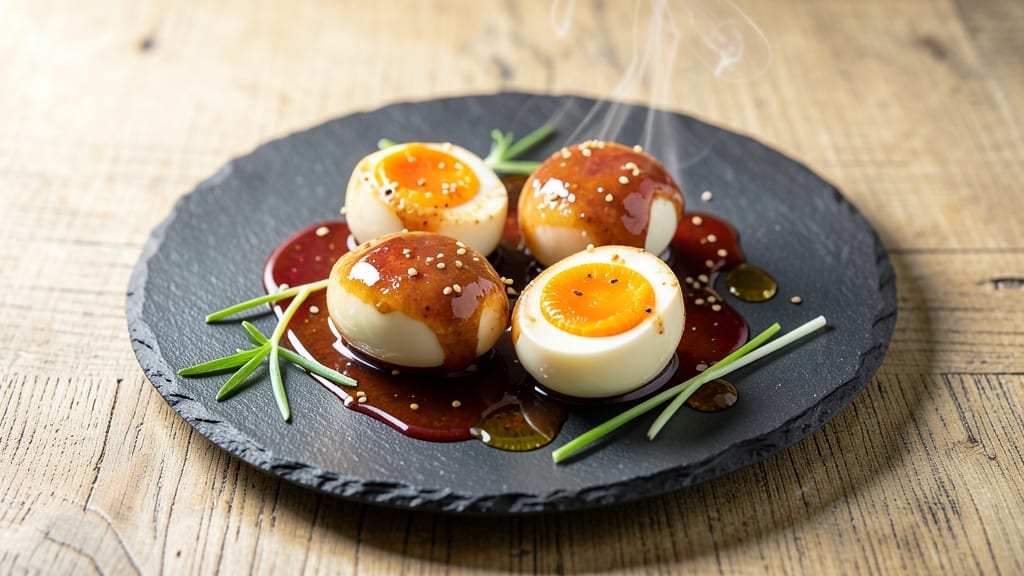
Transforming simple hard-boiled eggs into umami-packed miso marinated eggs unlocks a flavor profile that bridges Japanese tradition with modern breakfast appeal. The secret lies in a precise balance of miso paste, mirin, and soy sauce—creating a glossy, savory glaze that clings to each egg like liquid gold.
This isn’t just a side dish; it’s a restaurant-quality centerpiece that elevates any plate, from avocado toast to ramen bowls.
The process begins with perfectly hard-boiled eggs—no soft centers or green yolks here—then marinated in a warm miso glaze for at least 30 minutes (longer equals deeper flavor).
Traditional Japanese techniques ensure the eggs absorb the umami without losing their texture, while modern twists like adding sesame oil or chili flakes introduce heat or nutty depth. The result? Eggs with a velvety sheen, tender interiors, and a complex savory-sweet balance that lingers on the palate.
What makes this recipe stand out is its versatility—serve them whole for an elegant appetizer, slice them for ramen toppings, or chop them into salads for a protein punch.
The miso glaze keeps them fresh in the fridge for up to 5 days, making it ideal for meal prep. Whether you’re hosting brunch or craving a savory snack, these eggs deliver professional results with minimal effort.
For those new to miso, white miso works best here—its mild sweetness complements the eggs without overpowering. Pair with toasted nori, pickled ginger, or a drizzle of spicy mayo for the full experience. Let’s get cooking—your taste buds will thank you.
Ingredients for miso egg
Eight simple ingredients transform basic eggs into restaurant-worthy umami bites.
| Ingredient | Amount | Notes |
|---|---|---|
| Large Eggs 🥚 | 8 whole | Room temperature for even cooking |
| White Miso Paste 🧈 | ½ cup | Smooth texture preferred |
| Mirin 🍶 | ¼ cup | Sweet cooking rice wine |
| Soy Sauce 🥢 | ¼ cup | Light or regular preferred |
| Rice Vinegar 🍶 | 1 tbsp | White vinegar substitute |
| Sesame Oil 🥜 | 1 tbsp | Toasted for nutty depth |
| Sugar 🍬 | 1 tbsp | White granulated sugar |
| Toasted Sesame Seeds 🌾 | 1 tbsp | For garnish |
| Red Chili Flakes 🔥 | ½ tbsp | Optional for heat |
| Ice Cubes ❄️ | 2 cups | For ice bath |
| Salt 🧂 | 1 tsp | For boiling water |
The miso is non-negotiable here—white miso is your best bet for that mild, sweet umami without overpowering. Miso Katsu or Hajime are solid brands, but the tubs at Trader Joe's or bulk bins at Japanese markets work too. If you can only find red miso, use half the amount and add a pinch of sugar to balance. The eggs? Large eggs are ideal—they hold up better to boiling and marination. Grab a dozen, peel them fresh, and start cooking within 24 hours for the best texture.
No mirin? Dry sherry plus a splash of sugar gets you close, but mirin’s natural sweetness is key here. The sesame oil adds richness—toasted sesame oil has more depth than regular, but either works. Short on time? Skip the chili flakes, but toss in a pinch of black pepper for warmth. The sugar isn’t just for sweetness—it helps the glaze cling to the eggs. For the vinegar, apple cider vinegar works in a pinch, but rice vinegar’s mild tang is perfect. And if you’re feeling fancy, add a dash of grated ginger to the glaze for brightness.
Marinated eggs keep up to 5 days in the fridge, but the glaze thickens over time—stir before serving. For meal prep, store them peeled in a single layer, then pour the glaze over them right before eating. The sesame seeds and chili flakes? Save those until serving—sprinkle right before eating so they stay fresh. If you’re making a big batch, freeze the peeled eggs (unmarinated) for up to 3 months
Why You'll Love This Recipe
- Five-Ingredient Magic: I swear, this is the kind of recipe where you glance at the pantry and boom—you’ve got everything. The miso paste does all the flavor work while you simmer, and those eggs? They’re basically foolproof when poached or boiled.
- Umami Bomb: That white miso paste—it’s the secret weapon here. Sweet from the mirin, tangy from the rice vinegar, and deep from the soy sauce. The eggs soak up just enough to be ridiculously addictive, with that creamy yolk cutting through the savory-sweet glaze.
- Office Lunch Hero: Between us, this is my go-to for meal prep. Make a batch on Sunday, and you’ve got protein-packed lunches for the week. Pack them cold or reheat—either way, they’re a hit. (Yes, even on a Tuesday night.)
- Budget-Friendly Powerhouse: Eggs and miso are dirt cheap, but they taste like you spent hours. A single jar of white miso lasts forever, and you’ll use it in everything after this. Honestly, it’s the kind of recipe that makes grocery day feel like a win.
Step-by-step instructions for miso marinated eggs
Here's how to make perfectly marinated eggs with a rich, savory miso glaze that'll take your snacks to the next level.
Hard-Boil the Eggs to Perfection
Place the 8 whole large eggs in a saucepan and cover them completely with cold water. Add the 1 teaspoon salt to the water. Bring to a boil over high heat, then immediately reduce heat to medium-low and let it simmer for exactly 10 minutes. This timing ensures firm yolks without turning them greenish.
After 10 minutes, carefully transfer the eggs to a bowl filled with the 2 cups ice cubes. Let them cool in the ice bath for 10 minutes. This stops the cooking process and makes peeling easier later. Once cooled, peel the eggs under running water to remove any remaining shell fragments.
Create the Miso Marinade
In a small saucepan, combine the 0.5 cup white miso paste, 0.25 cup mirin, 0.25 cup soy sauce, 1 tablespoon rice vinegar, 1 tablespoon sugar, and 1 tablespoon sesame oil. Place over medium heat and stir constantly for 3-4 minutes until the sugar dissolves completely and the mixture thickens slightly.
Remove from heat and let cool to room temperature. This marinade should have a thick, glossy consistency with a deep umami aroma. If it's too thick, you can whisk in 1 teaspoon of hot water to loosen it slightly. This marinade is what will give your eggs their incredible flavor profile.
Marinate the Eggs for Maximum Flavor
Place the peeled eggs in a single layer in a shallow dish or baking pan. Pour the cooled miso marinade over the eggs, making sure each one is completely coated. Sprinkle the 0.5 tablespoon red chili flakes evenly over the top for a subtle heat.
Cover the dish with plastic wrap and refrigerate for at least 4 hours, or preferably overnight. This long marinating time allows the miso to penetrate the eggs, creating that signature umami-rich flavor throughout. The longer they marinate, the more intense the flavor becomes.
Garnish and Serve
Before serving, remove the eggs from the marinade and place them on a serving platter. Drizzle any remaining marinade over the top. Sprinkle the 1 tablespoon toasted sesame seeds evenly over the eggs for added texture and visual appeal.
These marinated eggs are perfect for snacking, adding to salads, or serving with rice. The miso glaze gives them a beautiful sheen and a complex flavor that balances sweet, salty, and umami notes perfectly. Enjoy them while still chilled for the best texture and flavor experience.
Pro Tips For Making Miso Egg
- Whisk the Miso First: Mix the white miso paste into the warm liquid before adding eggs—this prevents clumping and ensures a smooth, velvety texture. I used to toss in the eggs first, and half the time, I’d end up with miso lumps staring back at me like tiny betrayers.
- Use Room-Temp Eggs: Cold eggs sink like rocks and cook unevenly. Let them sit in warm water for 10 minutes before whisking—this guarantees a silky, consistent set without a single rubbery yolk. (Yes, even if you’re impatient like me.)
- Simmer, Don’t Boil: A gentle simmer at 180°F (82°C) keeps the eggs tender and lets the miso flavor meld instead of curdling. After burning two batches at a full boil, I finally cracked the lid and checked—low and slow is the only way.
- Reduce Vinegar Last: Add rice vinegar in the final 2 minutes to brighten the flavor without making the eggs tough. I learned this the hard way when my first batch tasted flat—turns out, acid needs time to wake up, not drown.
Troubleshooting your miso egg
Eggs Turn Green?
If your yolks develop a greenish ring after boiling, it’s a sign of overcooking or high iron levels reacting with sulfur compounds. To prevent this, never boil eggs for more than 10 minutes—stick to the exact timing in the recipe.
For extra insurance, use distilled or filtered water instead of tap water, which can contain minerals that accelerate the reaction. Once peeled, store eggs in cold water in the fridge until ready to marinate. 🌡️
Glaze Too Thin?
A runny marinade happens when the sugar doesn’t fully dissolve or too much water is added. Always heat the miso mixture over medium heat and stir constantly for 3-4 minutes until it thickens slightly. If it’s still too thin after cooling, simmer it uncovered for another 1-2 minutes to reduce.
For a thicker glaze next time, reduce the mirin by 1 tablespoon—it’s the most liquid component. Pro tip: Use a nonstick saucepan to prevent sticking while heating.
Eggs Absorb Too Much Glaze
If your eggs become soggy from absorbing too much marinade, reduce the marination time to 2-3 hours instead of overnight. For extra protection, place the peeled eggs in a single layer in a shallow dish and pour the glaze over them—this minimizes direct contact.
If you prefer longer marination, try wrapping each egg in plastic wrap before adding the glaze to create a barrier. The key is balance: enough time for flavor but not so long that texture suffers.
Miso Separates or Curdles
Miso can separate if exposed to sudden temperature changes or too much agitation. To prevent this, always let the marinade cool to room temperature before pouring it over the eggs. If it does separate, whisk in ½ teaspoon of hot water to re-emulsify it gently.
For extra stability, mix in ½ teaspoon of cornstarch with the sugar before heating—this helps bind the ingredients. Store any leftover marinade in an airtight container in the fridge for up to 1 week.
Peeling Difficulties
Older eggs peel more easily than fresh ones, but if yours are stubborn, try this trick: Roll the egg gently on a hard surface before peeling to crack the shell all over.
For extra help, use a small spoon or butter knife to gently tap the shell at both ends before peeling. If you’re still struggling, boil the eggs for 1 extra minute next time—the extra heat helps separate the membrane. Just don’t overdo it, or you’ll risk green yolks! 🥚
Fridge Storage Issues
If your marinated eggs develop an off smell or slimy texture within 5 days, they’ve gone bad. To maximize freshness, store them in a single layer in an airtight container with the glaze poured over them.
If the glaze thickens, stir it before serving or add 1 teaspoon of water to loosen. For longer storage, freeze the peeled, unmarinated eggs for up to 3 months, then boil and marinate as usual.
Always reheat marinated eggs in warm water for 10 minutes if they’ve been refrigerated overnight.
Nutrition facts
Frequently asked questions
Why does the marinade need to cool before using it on eggs?
Cooling the marinade prevents temperature shock to the eggs, which could cause the miso to separate or curdle. A sudden temperature drop can also make the glaze too thin or cause the eggs to absorb moisture unevenly. Always let the mixture reach room temperature before pouring it over the peeled eggs for the best texture and flavor absorption.
Can I use red miso instead of white miso for this recipe?
Red miso works but has a stronger, saltier flavor that can overpower the delicate egg texture. If using red miso, reduce the amount to ¼ cup and add ½ teaspoon extra sugar to balance the intensity. White miso is ideal for this recipe—its milder sweetness lets the umami shine without dominating.
How can I serve these miso eggs beyond just snacking?
These eggs are incredibly versatile! Halve or slice them for ramen toppings, chop them into grain bowls, or arrange them on avocado toast with a drizzle of spicy mayo. For a Japanese-inspired dish, serve them with steamed rice, pickled vegetables, and a side of miso soup. The glaze also makes them perfect for charcuterie boards or as a protein-packed addition to salads.
What’s the best way to reheat marinated eggs if they’ve been refrigerated?
Never microwave them—the texture becomes rubbery. Instead, place the eggs in a small saucepan with 1 cup of warm water and gently heat over low heat for 5-7 minutes. This keeps the yolks creamy and the glaze glossy. For extra flavor, add a splash of the leftover marinade to the water before reheating.
Can I make this recipe with duck eggs or quail eggs?
Duck eggs work beautifully—they’re richer and creamier, but scale the marinade to 6 duck eggs (use ¼ cup miso and halve all other ingredients). Quail eggs are too small for this method, but you could marinate them in 2 tablespoons of glaze for 1-2 hours instead of overnight. The technique stays the same, but adjust quantities for size!