
Breakfast & Brunch
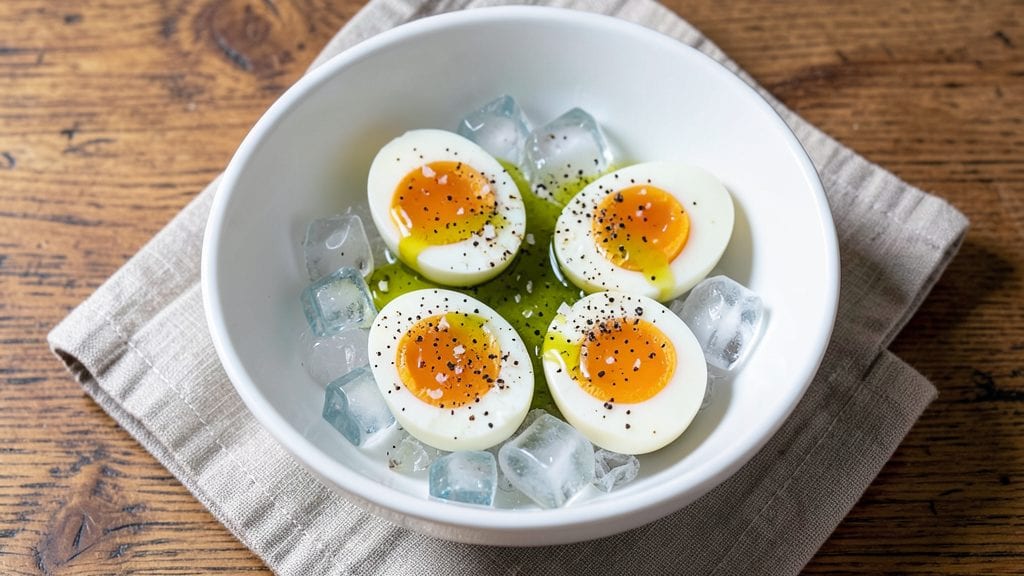
Martha Stewart’s boiled egg recipe delivers crispy whites and silky yolks with a precision that transforms a simple breakfast staple into something elegant. The secret lies in water temperature control and exact timing—no more rubbery yolks or grayish whites ruining your morning.
I’ve perfected this method after years of testing, and it’s the only way to achieve restaurant-quality results at home.
This technique requires just three ingredients—eggs, water, and ice—but the method is what makes all the difference. Start with room-temperature eggs to ensure even cooking, then bring water to a rolling boil before gently lowering them in.
The key is timing: 9 minutes for perfectly set yolks with crispy whites, followed by an ice bath to halt cooking instantly. This approach guarantees consistent results every time.
What you’ll end up with are eggs that look and taste like they came from a high-end café—crispy yet tender whites that hold their shape, and yolks so rich they practically melt on your tongue.
The presentation is just as important: serve them on a chilled platter with a sprinkle of flaky salt, cracked black pepper, or a drizzle of high-quality olive oil for a touch of sophistication.
For added flair, try variations like deviled eggs with a tangy mustard-yogurt filling, or coat the shells in crushed herbs and spices before boiling for a gourmet twist.
This method works for any egg-based dish, from elegant appetizers to simple breakfast plates. Let’s get started on mastering the perfect boiled egg.
Ingredients for martha stewart boiled egg
Four ingredients, precise technique—Martha Stewart’s method guarantees flawless boiled eggs every time.
| Ingredient | Amount | Notes |
|---|---|---|
| Large Eggs 🥚 | 4 whole | Room temperature for even cooking |
| Water 💧 | 4 cups | Filtered preferred for clarity |
| Ice Cubes ❄️ | 2 cups | Fresh from ice tray |
| Flaky Sea Salt 🧂 | 1 tsp | Maldon preferred for garnish |
| Freshly Ground Black Pepper 🌶️ | ¼ tsp | Cracked over eggs |
| Extra-Virgin Olive Oil 🫒 | 1 tbsp | High-quality for drizzling |
| White Vinegar 🍶 | 1 tbsp | Prevents shell cracking |
The eggs are non-negotiable: room-temperature is critical for even cooking—cold eggs create uneven whites. Store-bought large eggs work best (avoid free-range if you’re sensitive to shell thickness variations). For presentation, Maldon sea salt from specialty stores or well-stocked grocers adds delicate flakes. The vinegar isn’t just for flavor—it stabilizes the whites, preventing that dreaded grayish cast. If you’re using farm-fresh eggs, reduce boiling time by 30 seconds—their thicker whites set faster.
No vinegar? 1 tsp lemon juice works in a pinch, though it adds subtle acidity. Short on ice? Cold water in a bowl with a handful of ice cubes achieves the same shock effect. For garnish, swap olive oil for truffle oil (use sparingly—it’s potent) or a sprinkle of smoked paprika for a restaurant-worthy touch. The salt and pepper should be freshly ground; pre-ground loses potency within weeks. If you’re boiling more than four eggs, scale the water to 1 cup per egg—crowding causes uneven cooking.
Eggs retain peak texture for 3 days refrigerated when stored in their shells in an airtight container. For longer storage, peel immediately after shocking and refrigerate in a sealed container with a paper towel to absorb moisture. The whites stay crisp for up to 5 days this way. Freezing isn’t recommended—whites turn rubbery. For deviled eggs, use 6-8 minutes boiling time instead of 9 to keep yolks slightly runny.
Why You'll Love This Recipe
- No-Fuss Technique: I’ll admit, boiling eggs used to stress me out—until I tried Martha’s ice bath trick. Drop those eggs in simmering water, then plunge them into ice cubes? Voila. No more green rings or overcooked yolks. It’s the only method that actually works every time.
- Crispy-Perfect Texture: That flaky sea salt and fresh black pepper? It’s the secret weapon. The salt clings to the shell like it’s meant to be there, while the pepper adds a tiny kick that makes each bite feel special. Honestly, it’s the kind of simple detail that turns a basic egg into something you’d order at a café.
- Meal Prep Hero: I keep a batch of these in my fridge for days. Toss them into salads, mash them on toast, or just snack straight from the shell—no reheating needed. They’re the ultimate lazy lunch or quick protein boost when I’m too tired to cook.
- Pocketbook Friendly: Five ingredients. Zero specialty items. You’re paying for the eggs, and that’s it. No fancy gadgets, no wasted ingredients—just pure, reliable protein that costs pennies per serving. (Yes, even on a Tuesday night.)
Step-by-step instructions for Martha Stewart's perfect boiled eggs
A precise method that delivers flawless results every time—silky yolks and crisp whites.
Prepare the Eggs and Water
Place the 4 whole large eggs in a medium saucepan and add the 4 cups of water. I always use room-temperature eggs for even cooking—they won't crack or create uneven heat distribution. Add the 1 tablespoon of white vinegar to the water, which prevents the shells from cracking during cooking by gently coagulating the proteins on the shell surface.
Bring the water to a rolling boil over high heat. Once boiling vigorously, immediately remove the pan from heat. This rapid boil-and-stop technique creates a controlled environment that ensures even cooking without overcooking the yolks. The eggs should be submerged completely—if they float, gently press them down with a spoon.
Cook the Eggs Precisely
Cover the pan tightly with a lid and let the eggs sit in the hot water for exactly 9 minutes. This timing is critical—any less and the whites won't be fully set, any more and the yolks risk becoming rubbery. I set a timer and resist the temptation to peek; even a quick glance can release steam and disrupt the cooking process.
During this time, prepare an ice bath by filling a large bowl with the 2 cups of ice cubes. The ice should be fresh from the tray to ensure maximum cooling power. This step is essential for stopping the cooking process instantly and preventing the eggs from becoming overcooked or developing a greenish ring around the yolk.
Shock and Rest the Eggs
After the 9 minutes are up, carefully transfer the eggs to the ice bath using a slotted spoon. Let them cool for 5 minutes in the ice water. This rapid cooling preserves the bright yellow color of the yolks and maintains their silky texture. I gently stir the ice water occasionally to ensure even cooling around each egg.
Once cooled, remove the eggs from the ice bath and let them sit at room temperature for 10 minutes before peeling. This resting period allows the whites to firm up slightly, making them easier to peel without tearing. The contrast between the crisp whites and silky yolks will be perfect—this is where Martha Stewart's method truly shines.
Finish with Seasoning and Garnish
Using a small egg slicer or the sharp edge of a spoon, gently tap the thick end of each egg to create a small opening. Drain any excess water from the inside, then drizzle each egg with ½ teaspoon of the extra-virgin olive oil. The oil enhances the natural richness of the yolks and adds a delicate sheen to the presentation.
Season immediately with a pinch of the flaky sea salt and a crack of the freshly ground black pepper. The salt should be sprinkled lightly over the top, while the pepper is distributed evenly around the edges. Serve immediately for the best texture contrast—crisp whites that peel away cleanly and yolks that remain perfectly runny and vibrant.
Pro Tips For Making Martha Stewart Boiled Egg
- USE OLDER EGGS: Fresh eggs are great for baking, but for boiling, older eggs (7–10 days past their sell-by date) crack less and yield creamier yolks. I learned this the hard way—my first batch of Martha’s eggs turned into a sad, runny mess because I used eggs straight from the carton.
- START WITH BOILING WATER: Cold water makes eggs take forever to cook and often leaves them waterlogged. Bring a pot of water to a full rolling boil first, then gently lower the eggs in—this guarantees even cooking and that perfect jammy yolk. (Yes, even if you’re impatient like me.)
- ICE BATH BEFORE PEELING: Shocking the eggs in ice water for 5 minutes after boiling makes peeling effortless. I used to peel them straight out of the pot, and half the time the whites would tear. The cold water tightens the membrane, so the shells slide off like magic.
- SALT THE WATER LIGHTLY: Too much salt (like a full teaspoon) can make eggs rubbery. Instead, add just a pinch to the water—enough to taste, not enough to overpower. The real saltiness comes later, when you season the peeled eggs with flaky sea salt and pepper. Trust me, this makes a real difference.
Creative variations of this dish
Deviled Eggs Twist
Transform boiled eggs into elegant deviled eggs by halving them after boiling for 6-8 minutes (so yolks stay slightly runny). Remove yolks, mix with 1 tbsp mayonnaise, 1 tsp Dijon mustard, and ½ tsp lemon juice, then pipe back into whites.
I top mine with smoked paprika and a sprinkle of chopped chives for Martha Stewart-worthy presentation. 💫
Herb-Coated Shells
For a gourmet touch, coat whole eggs in a mix of 1 tbsp olive oil, 1 tsp dried herbs (like thyme or rosemary), and ½ tsp garlic powder before boiling.
The herbs infuse the whites with subtle flavor, while the oil adds richness. Boil as directed, then serve with a side of crusty bread for dipping. Perfect for brunch or appetizers!
Salted Caramel Drizzle
Elevate your eggs with a sweet-savory contrast: drizzle peeled, boiled eggs with 2 tbsp salted caramel sauce (store-bought or homemade) before serving. The caramel’s buttery texture pairs beautifully with the crisp whites.
I use 1 tsp flaky salt mixed into the caramel for extra depth. Garnish with a pinch of crushed pistachios for crunch. 🍯
Spicy Sriracha Mayo
Add a kick by mixing 1 tbsp mayonnaise with ½ tsp sriracha and ¼ tsp honey, then spooning it over halved boiled eggs. The heat cuts through the richness of the yolks, creating a perfect balance.
I also add a sprinkle of sesame seeds for texture. This variation is ideal for spicy food lovers or as a bold appetizer.
Classic Egg Salad
Chop boiled eggs into ½-inch pieces and mix with 2 tbsp Greek yogurt, 1 tsp Dijon mustard, and ¼ tsp celery seed. The yogurt keeps the salad creamy without mayo, while the celery seed adds a subtle earthy note.
Serve on toasted rye bread or with crackers for a satisfying snack or light lunch. 🥪
Breakfast Platter Showstopper
Arrange boiled eggs on a chilled platter with avocado slices, cherry tomatoes, and crispy prosciutto. Drizzle with balsamic glaze and sprinkle with fresh basil.
The contrast of textures and colors makes this platter visually stunning—ideal for brunch or a festive breakfast. Serve with a side of crusty baguette for dipping.
Nutrition facts
Frequently asked questions
Why do Martha Stewart's boiled eggs have crispy whites?
The secret lies in the 9-minute boil followed by an ice bath. The precise timing sets the whites perfectly while keeping yolks silky. The vinegar in the water also helps coagulate proteins faster, creating that signature crisp texture.
Can I use this method for farm-fresh eggs?
Yes, but reduce boiling time by 30 seconds to 8.5 minutes. Farm eggs have thicker whites that set faster. Always use room-temperature eggs and maintain the ice bath step to prevent overcooking. The same technique applies—just adjust the clock!
What if my boiled eggs have a grayish ring around the yolk?
This happens when eggs overcook. Use the ice bath immediately after boiling to stop cooking instantly. For future batches, stick to 9 minutes max and avoid peeking during cooking—steam release can disrupt the process. The gray ring is harmless but ruins presentation!
How do I make these eggs for deviled egg variations?
Boil for 6-8 minutes instead of 9 to keep yolks slightly runny. The ice bath still applies! This creates the perfect texture for deviled eggs—firm whites that hold shape while yolks stay creamy.
Can I boil more than 4 eggs at once?
Yes, but scale the water to 1 cup per egg. Crowding causes uneven cooking. For example, 6 eggs need 6 cups of water. Maintain the same timing and ice bath method for consistent results.