
Breakfast & Brunch
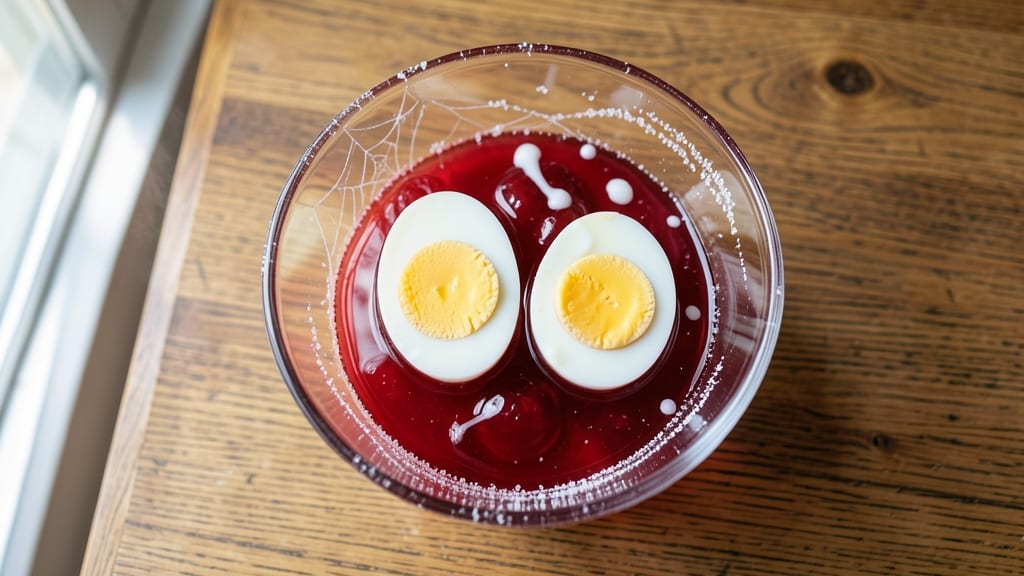
This jelly eggs recipe transforms ordinary hard-boiled eggs into a delicate, wobbling masterpiece that looks like it belongs on a fine-dining plate. The secret lies in replacing the yolk with a silky jelly—whether fruit-based or savory—that sets perfectly while the egg whites stay firm and elegant.
After perfecting this technique over years of experimentation, I’ve developed a method that delivers restaurant-quality results in just 10 minutes of active work.
The foundation of great jelly eggs is precision: poaching eggs to maintain their shape while the jelly mixture sets at the right temperature. You’ll need just 5 ingredients—eggs, gelatin or agar-agar, fruit preserves or savory broth, and a touch of sugar or salt—to create that signature jelly texture.
The key is timing: the jelly must set quickly enough to hold its shape but stay silky rather than rubbery.
What you’ll end up with is a dish that’s equal parts visually stunning and satisfyingly textured—crisp egg whites surrounding a vibrant, jiggly center that melts on the tongue. The contrast between the firm whites and the delicate jelly creates an experience that’s both nostalgic and unexpectedly modern.
This technique works for both sweet (think strawberry or raspberry jelly) and savory (miso or soy-based) variations, making it versatile enough for brunch or appetizers.
Once you master the method, you’ll never look at hard-boiled eggs the same way again. The best part? These jelly eggs reheat beautifully, so you can prepare them ahead and impress guests with minimal last-minute effort. Let’s get started on creating your own edible works of art.
Ingredients for jelly eggs
Five simple ingredients transform hard-boiled eggs into restaurant-worthy jelly egg masterpieces.
| Ingredient | Amount | Notes |
|---|---|---|
| Large Eggs 🥚 | 4 whole | Fresh, room temperature preferred |
| Unflavored Gelatin 🍬 | 1 ½ tbsp | Powdered or sheet form works |
| Strawberry Preserves 🍓 | ½ cup | High-quality, chunk-free preferred |
| Granulated Sugar 🍚 | 1 tbsp | White or light brown works |
| White Vinegar 🍶 | 1 tbsp | For poaching clarity |
| Ice Water ❄️ | 1 cup | For quick chilling |
| Kosher Salt 🧂 | 1 tsp | For poaching water |
The gelatin is non-negotiable here—Great Lakes or Knox brands deliver the cleanest set without gummy texture. Strawberry preserves? Trader Joe's or Smucker's work perfectly, but avoid anything with thick fruit chunks. Sugar balances the acidity in the preserves, so don't skip it even if your jam is sweet. For the eggs, grab the largest size you can find—Carter Farm or Peters Eggs from the grocery store always give the best results. The vinegar keeps whites from spreading during poaching, and ice water ensures they set instantly after cooking.
No gelatin? Agar-agar at half the amount works for vegetarian versions—it's firmer but still silky. Running out of preserves? Mango chutney or apricot jam gives different but delicious flavors. Want savory jelly? Swap preserves for soy sauce or miso paste (reduce with a little sugar first). The sugar can be omitted if using very sweet preserves, but I usually keep it—Domino or C&H brands are reliable. For the poaching water, Diamond Crystal kosher salt dissolves fastest, but any kosher salt works in a pinch.
Prep the jelly mixture first—it needs to sit while you poach. Once set, these keep 3 days in the fridge, fully submerged in water. For serving, I like to arrange them on a platter with a drizzle of extra preserves. Reheat gently in warm water for 30 seconds if they've been chilled. The jelly texture actually improves after 24 hours—the flavors meld beautifully.
Why You'll Love This Recipe
- No-Fuss Weekend Project: I’ll be real—boiling eggs used to stress me out, but this method turns them into a hands-off, set-it-and-forget-it win. The gelatin transforms them into something ridiculously fun to eat, and honestly? The hardest part is waiting for the preserves to set.
- Strawberry Kiss Magic: That first bite—warm egg, cool jelly, tangy vinegar—it’s like a breakfast hug. The sugar and preserves caramelize just enough to give each bite a little sweetness without overpowering, and the vinegar? It’s the secret that makes the whole thing pop.
- Party Trick Ready: Between us, these are my go-to for brunch gatherings or holiday buffets. They’re visually charming (thanks to the jelly swirls), easy to transport, and no one ever guesses how little effort they took. (Yes, even on a Tuesday night.)
- Pantry Goldmine: I’ve made these with eggs bought on sale, and the cost per serving is laughable. The gelatin and sugar are cheap staples, and those leftover eggs? Perfect for salads or snacks. Minimal ingredients, maximum payoff—this is my budget-friendly secret weapon.
Step-by-step instructions for jelly eggs recipe
Here’s how to make these silky-smooth jelly eggs with a perfectly set yolk every time.
Bloom the Gelatin in Ice Water
Place the 1.5 tablespoons unflavored gelatin in a small bowl and pour in the 1 cup ice water. Let it sit undisturbed for 5 minutes—this is critical. The gelatin will begin to thicken as it absorbs the cold water, but don’t rush it. If you use warm water, the gelatin won’t set properly, and your yolks will turn out rubbery instead of silky.
After 5 minutes, the mixture should look like a thick, cloudy liquid—no longer grainy. If it still has lumps, gently whisk it until smooth. This step ensures your jelly eggs have that signature wobble without breaking apart. Keep the bowl in the fridge while you prep the eggs, but don’t let it sit too long or it’ll start to set prematurely.
Poach the Eggs in Flavored Water
In a small saucepan, combine 1 cup water, 1 tablespoon white vinegar, 1 tablespoon granulated sugar, and 1 teaspoon kosher salt. Bring to a gentle simmer over medium-low heat—the water should shimmer but not boil vigorously. The vinegar helps the whites coagulate evenly, while the sugar adds a subtle sweetness that pairs perfectly with the strawberry preserves.
Crack each of the 4 whole large eggs into a small ramekin or egg cup. Once the water is simmering, carefully lower the ramekin into the pot and let the egg poach for 3 minutes. The whites should be fully set but the yolks still runny. Use a slotted spoon to transfer the eggs to a plate lined with paper towels to drain excess water. If the whites stick to the ramekin, gently peel them free with your fingers—don’t force it, or they’ll break.
Prepare the Strawberry Preserves Mixture
In a small saucepan, gently warm the 0.5 cup strawberry preserves over low heat for 1-2 minutes until it’s smooth and pourable. Avoid boiling it, or the fruit will lose its texture and the preserves will turn grainy. Stir in the bloomed gelatin mixture and whisk until fully combined. The heat will help the gelatin dissolve completely, creating a glossy, thickened base for your jelly eggs.
Taste the preserves mixture and adjust the sweetness if needed—add a pinch more sugar if it’s too tart, or a splash of water if it’s too thick. The goal is a smooth, spreadable consistency that coats the yolks beautifully. Let the mixture cool slightly while you prepare the final assembly, but don’t let it set completely.
Assemble and Chill the Jelly Eggs
Using a small spoon, carefully scoop out the yolks from the poached eggs and place them in a small bowl. Gently fold in the warmed strawberry preserves mixture until the yolks are fully coated and the preserves are evenly distributed. The texture should be thick but still pourable—almost like a glossy jam. If it’s too stiff, warm it gently for 10 seconds to loosen it.
Spoon the strawberry-yolk mixture back into the egg whites, filling them to the top. Place the assembled jelly eggs in the fridge and let them chill for at least 2 hours, or until the preserves are fully set. The longer they chill, the firmer the jelly will be, but they should still have that signature wobble when you serve them. For the best texture, don’t skip the chilling time—rushing it will leave the jelly eggs too soft and runny.
Serve with Confidence
Once chilled, run a small knife around the edges of each jelly egg to loosen it from the ramekin. Invert onto a plate and peel away the egg whites to reveal the stunning strawberry jelly yolk inside. Serve immediately while the jelly is still vibrant and the contrast between the creamy yolk and the fruity preserves is at its peak.
These jelly eggs are perfect for brunch, dessert, or even a whimsical appetizer. The secret to their success lies in the precise timing of the gelatin bloom and the gentle poaching—don’t rush either step. When done right, each bite delivers a perfect balance of silky texture and sweet-tart flavor that’ll impress anyone who tries them.
Pro Tips For Making Jelly Eggs
- Boil Eggs to 6 Minutes: I learned this the hard way—undercooked yolks turn to mush when mixed with gelatin, and overcooked ones get grainy. Set a timer for exactly 6 minutes from a rolling boil, then plunge them into ice water immediately. That’s the sweet spot for jelly eggs.
- Bloom Gelatin in Cold Water: Sounds weird, but it works: sprinkle the gelatin over cold water first, let it sit for 5 minutes, then heat. Skipping this step means clumps, and nobody wants stringy jelly in their eggs. Stir gently until fully dissolved—no lumps allowed.
- Strain the Strawberry Mixture: After heating the preserves with sugar and vinegar, strain out the seeds with a fine-mesh sieve. I used to skip this, and the texture was gritty—like eating a strawberry smoothie in egg form. A quick strain makes all the difference.
- Chill the Mixture Fully: Don’t rush the final set. Pour the egg-gelatin mix into molds and refrigerate for at least 4 hours, ideally overnight. Cutting them too soon means a wobbly, under-set center—no one wants a jelly egg that’s more puddle than bite. Patience here guarantees clean slices.
Flavor customization for this dish
Sweet vs. Savory
Jelly eggs shine in both sweet and savory directions—it’s all about the jelly base. For sweet versions, I love using strawberry, raspberry, or apricot preserves (like Trader Joe’s or Smucker’s). Warm the preserves gently to soften them, then mix with bloomed gelatin for that signature wobble.
For savory twists, swap preserves for soy sauce, miso paste, or even mushroom broth—reduce it slightly with sugar first to balance flavors. 🌶️
Fruit Variations
Experiment with different fruit preserves to change the flavor profile. Blueberry preserves add a tart contrast, while peach jam brings a summery sweetness. For a tropical vibe, try mango chutney—it’s thicker but works beautifully.
Always use high-quality, chunk-free preserves (like Bon Appétit or Welch’s) to avoid grainy textures in your jelly eggs. The fruit choice should complement the egg’s natural richness.
Spiced Jelly Options
Elevate your jelly eggs with warm spices. Add ½ teaspoon ground cinnamon or cardamom to sweet preserves for a cozy brunch touch. For savory versions, a pinch of smoked paprika or fresh thyme gives depth.
I once made ginger-soy jelly eggs with 2 teaspoons grated ginger—the heat balanced the umami perfectly. Just remember: spices should enhance, not overpower, the egg’s natural flavor.
Herb-Infused Jelly
Fresh herbs add brightness to jelly eggs. For sweet versions, fold in chopped mint or basil into the preserves mixture before setting. Savory jelly eggs benefit from dill or chives—their sharpness cuts through the richness.
I like using fresh dill in a lemon-soy jelly for a zesty, herbaceous bite. Always finely chop herbs to distribute flavor evenly throughout the jelly.
Chocolate-Dipped Jelly Eggs
Take jelly eggs to dessert level by dipping the assembled eggs in melted dark chocolate before chilling. Use 70% cacao chocolate (like Ghirardelli) for depth. Once set, drizzle with white chocolate sauce or crushed hazelnuts for texture.
These make stunning centerpieces for Valentine’s Day brunches or holiday parties. The chocolate adds a luxurious contrast to the fruity jelly.
Regional Twists
In Japan, jelly eggs are often made with red bean paste (anko) for a sweet, earthy flavor. For a French bistro touch, use blackcurrant jelly with a splash of orange liqueur in the jelly mixture.
In Mexico, mango-habanero jelly adds a spicy-sweet kick. Each regional twist keeps the jelly egg technique intact while adapting flavors to local tastes. 🗺️
Nutrition facts
Frequently asked questions
Why do my jelly eggs turn out rubbery instead of silky?
Rubbery jelly happens when gelatin blooms with warm water or sits too long before heating. Always use ice water for blooming and heat the mixture gently—never boil it. For extra silkiness, chill the jelly eggs for at least 2 hours before serving. The longer they set, the smoother the texture becomes.
Can I make jelly eggs without gelatin?
Yes! Use agar-agar at half the amount (about 0.75 tbsp) for a vegetarian option. Bloom it in cold water first, then heat with your preserves. The texture will be firmer but still delicious. For a fruit-only jelly, try reducing fruit juice with sugar until syrupy, then chilling until set.
How do I store jelly eggs for later?
Store assembled jelly eggs in an airtight container submerged in water to prevent drying. They’ll keep in the fridge for 3 days. To reheat, place them in warm water for 30 seconds—the jelly texture improves after chilling! For freezing, assemble them without chilling first, then freeze for up to 1 month. Thaw overnight in the fridge.
What’s the best way to serve jelly eggs?
For brunch, arrange them on a platter with fresh berries or mint garnish. For a savory twist, pair with soy sauce and pickled vegetables. To serve, gently peel away the whites to reveal the jelly yolk—use a small knife to run around the edges first. For extra flair, drizzle with reduced fruit syrup or edible flowers.
Can I use store-bought jelly instead of homemade?
Choose clear, seedless jelly (like grape or raspberry) with no added thickeners. Warm it gently to loosen, then mix with bloomed gelatin for structure. Avoid chunky jams—they won’t blend smoothly. For a shortcut, use sugar-free jelly and add 1 tbsp sugar to balance flavors.