
Breakfast & Brunch
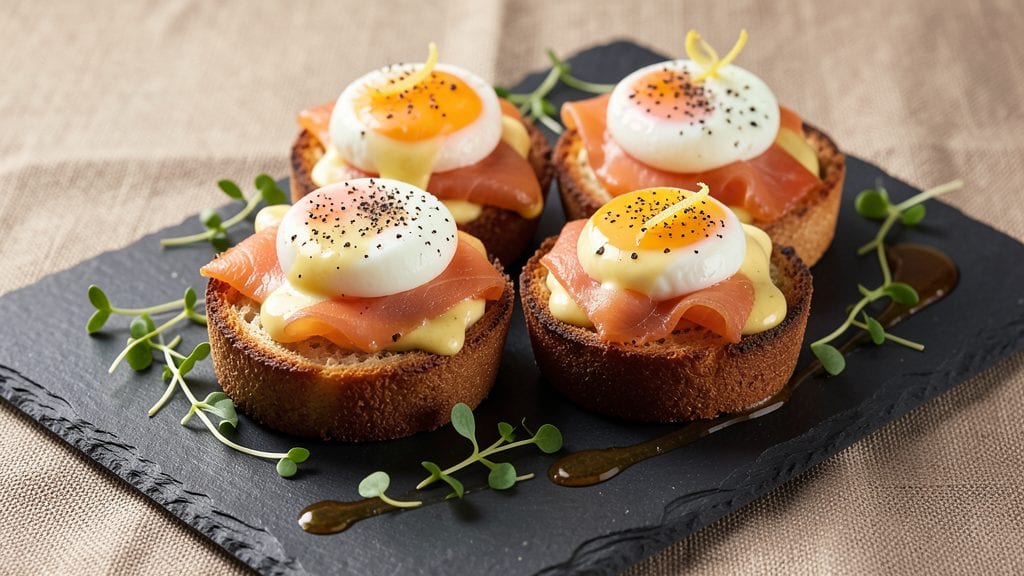
Mastering Gordon Ramsay's Eggs Benedict means conquering the hollandaise—a sauce that separates at the slightest misstep. After years of perfecting this dish in professional kitchens, I’ve developed a foolproof method that delivers silky, golden sauce every time, paired with perfectly poached eggs and crisp English muffins.
The secret lies in precise temperature control and timing, techniques Ramsay himself emphasizes to avoid the dreaded "broken" sauce.
This recipe transforms a weekend brunch staple into a restaurant-quality experience, starting with a rich hollandaise that stays velvety and never curdles. The key ingredients—fresh egg yolks, butter, and lemon juice—are combined at exact temperatures to create an emulsion that’s both stable and luxurious.
Meanwhile, the poached eggs achieve that signature runny yolk with a perfectly set white, while the ham or smoked salmon adds depth to each bite.
By following these steps, you’ll achieve a plate that’s visually stunning and packed with flavor—crisp muffins topped with tender protein, bright eggs, and a glossy hollandaise that ties everything together.
The result is a dish that feels indulgent yet balanced, perfect for impressing guests or treating yourself to a Sunday morning masterpiece.
Whether you’re serving this for a special occasion or a lazy weekend, the techniques here ensure consistency and confidence. Let’s break down each component so you can recreate Ramsay’s signature dish at home with professional precision.
Ingredients for gordon ramsay eggs benedict
Precision ingredients for restaurant-quality Eggs Benedict with foolproof hollandaise sauce.
| Ingredient | Amount | Notes |
|---|---|---|
| Large Egg Yolks 🥚 | 4 whole | Fresh, room temperature preferred |
| Unsalted Butter 🧈 | ½ cup | Cold, cut into 1/2-inch cubes |
| Fresh Lemon Juice 🍋 | 1 tbsp | From 1 large lemon, freshly squeezed |
| English Muffins 🍞 | 4 whole | Sliced in half, lightly toasted |
| Large Eggs 🥚 | 4 whole | Fresh, for perfect poaching |
| White Vinegar 💧 | 1 tbsp | For poaching water |
| Smoked Salmon 🐟 | 4 oz | High-quality, thinly sliced |
| Diamond Crystal Kosher Salt 🧂 | 1 tsp | For seasoning |
| Freshly Ground Black Pepper 🌶️ | ¼ tsp | For finishing |
| Chives 🌿 | 2 tbsp | Finely chopped, for garnish |
| Water 💧 | 4 cups | For poaching eggs |
| White Wine Vinegar 🍷 | 1 tbsp | Optional, for hollandaise acidity |
The hollandaise hinges on fresh egg yolks—never substitute powdered or dried. Trader Joe’s or high-end grocery stores carry the freshest, or separate yolks yourself within 24 hours of purchase. For butter, European-style unsalted (like Plugrá or Kerrygold) melts more smoothly than American varieties. The smoked salmon should be high-quality, center-cut—avoid pre-sliced vacuum-packed varieties, which often contain preservatives. Lemon juice must be freshly squeezed; bottled versions lack the bright acidity needed to stabilize the emulsion. Organic lemons from the produce section typically yield the most juice per fruit.
No white wine vinegar? Fresh lemon juice at double the amount works equally well for the hollandaise, though it imparts a slightly different tang. For poaching eggs, apple cider vinegar can replace white vinegar, though the flavor profile differs subtly. Substituting smoked salmon with high-quality ham (like Black Forest) requires slightly more seasoning—add an extra pinch of Diamond Crystal kosher salt and a crack of black pepper. English muffins should be stale or lightly toasted to achieve the perfect crunch; fresh muffins absorb too much hollandaise. If you must use fresh, toast them until golden brown and crisp.
Store hollandaise sauce in an airtight container over the poaching water (to maintain heat) for up to 2 hours—it reheats beautifully by gently whisking in warm water. Poached eggs keep for 1 hour in the fridge, submerged in their poaching liquid. Assemble the Benedicts just before serving to maintain crisp muffins and runny yolks. Leftover hollandaise freezes for 1 month when stored in a sealed container; thaw gently in warm water before reheating. For make-ahead convenience, prepare components separately—poach eggs and toast muffins in advance, then assemble with freshly made sauce.
Why You'll Love This Recipe
- No-Fuss Technique: I swear by the butter-poached yolks—no fancy equipment, just a small pot and a slotted spoon. The trick is keeping the water just below a simmer so those yolks stay silky, not scrambled. (Yes, even if I’m multitasking with toast.)
- Creamy-Lemon Zing: That bright lemon juice cuts through the richness of the butter and yolks like a breath of fresh air. Honestly? It’s the little splash that turns a good brunch into something you’ll fight over at the table.
- Brunch or Lunch: Split the recipe for two lazy mornings or double it for a weekend spread—English muffins toast up in minutes, and the yolks keep beautifully in the fridge. (Between us, I’ve even packed them for picnics when I’m feeling fancy.)
- Budget Breakfast: Eggs and butter are cheap staples, and this recipe stretches further than you’d think. Use day-old muffins? No problem. Leftovers? Reheat the yolks gently and serve them over avocado toast—suddenly, you’ve got dinner too.
Step-by-step instructions for gordon Ramsay's eggs benedict
A perfect hollandaise and poached eggs are the foundation of this classic dish. Here's how to execute it flawlessly.
Prepare the English Muffins and Smoked Salmon
Preheat your oven to 375°F and lightly toast the 4 whole English muffins on both sides until they're golden and crisp. The muffins should be warm but not burnt—just enough to provide structure for the hollandaise and poached eggs. While they toast, thinly slice the 4 oz smoked salmon into delicate layers. I like to arrange them on a plate to keep them flat and ready for assembly.
Season the smoked salmon lightly with a pinch of diamond crystal kosher salt and 0.125 tsp freshly ground black pepper—just enough to enhance its natural flavor without overpowering it. The salmon should remain tender, so avoid pressing down on it. This step is all about preparation; the salmon will stay fresh until you're ready to assemble the plates.
Poach the Eggs to Perfection
Bring 4 cups water to a gentle simmer in a deep skillet or saucepan. Add 1 tbsp white vinegar—this lowers the water's pH, helping the egg whites coagulate more evenly. Crack each of the 4 whole large eggs into a small bowl or ramekin, then gently slide them into the simmering water. They should float to the surface immediately.
Poach the eggs for 3 minutes for runny yolks or 3 minutes 30 seconds for slightly firmer yolks. Use a slotted spoon to remove them and place them on a paper towel-lined plate to drain excess water. The whites should be set but still tender, and the yolks should remain vibrant. If you see any stray egg whites floating in the water, fish them out—they'll make your hollandaise look cloudy if left in.
Make the Hollandaise Sauce
In a heatproof bowl, whisk together the 4 whole large egg yolks over a double boiler. The bowl should sit just above simmering water—never let it touch the water directly. Gradually add the 0.5 cup unsalted butter, cut into ½-inch cubes, while whisking constantly. The mixture should begin to thicken and turn a pale, creamy yellow. This is where precision matters: if the butter melts too quickly, the sauce will break.
Once the butter is fully incorporated, remove the bowl from the heat and whisk in 1 tbsp fresh lemon juice and 1 tbsp white wine vinegar (if using). The acidity balances the richness of the butter and yolks. Taste the sauce and adjust seasoning with diamond crystal kosher salt and freshly ground black pepper—it should be tangy, rich, and perfectly balanced. Cover the bowl with a clean kitchen towel to keep the sauce warm while you assemble the plates.
Assemble the Eggs Benedict
Place a toasted English muffin half on each plate. Spread a generous layer of the hollandaise sauce over the top, then arrange 2 slices of smoked salmon on each muffin. The salmon should fan out slightly for visual appeal. Gently place a poached egg on top of the salmon, ensuring the yolk is centered. Drizzle any remaining hollandaise around the egg, allowing it to cascade slightly down the sides of the muffin.
Finish with 0.5 tbsp finely chopped chives on each plate, sprinkled evenly over the egg and salmon. The chives add a fresh, bright contrast to the rich flavors. Serve immediately while the hollandaise is still warm and the poached eggs are at their peak texture. The combination of crispy muffin, creamy hollandaise, tender salmon, and runny yolk creates a harmonious balance of flavors and textures.
Pro Tips For Making Gordon Ramsay Eggs Benedict
- Whisk Yolks Cold: Start your hollandaise base with ice-cold yolks straight from the fridge—this prevents scrambling when the butter hits. I learned this the hard way when my first attempt turned into a sad, lumpy mess after adding the first pat of butter.
- Toast Muffins Low: English muffins burn faster than you think. Toast them on medium-low until just golden, then pull them off the heat while they’re still slightly underdone—they’ll crisp up more as they cool. (Yes, even if you’re impatient like me.)
- Strain the Lemon: Use a fine-mesh sieve to strain the lemon juice before mixing it into the hollandaise. This removes pulp that can make the sauce grainy—trust me, you’ll taste the difference, especially with fresh-squeezed juice.
- Keep Butter Warm: Melt your unsalted butter in a heatproof bowl over barely simmering water (not boiling) before adding it to the yolks. Butter straight from the fridge will shock the yolks and break the emulsion—smooth, glossy sauce depends on this step.
Best sauces and condiments for this dish
Classic Hollandaise
This is the star of your Eggs Benedict, and the recipe already delivers a restaurant-quality version using fresh egg yolks, European-style unsalted butter, and fresh lemon juice.
The key is maintaining a double boiler—place your whisking bowl over a pot of simmering water (not boiling) to keep the yolks at a steady 160-170°F. If the sauce breaks, don't panic: whisk in 1 tsp warm water to re-emulsify it. 💛
Spicy Sriracha Hollandaise
For a kick, stir in ½ tsp sriracha or 1 tsp gochujang paste along with the lemon juice. This adds a subtle heat that pairs beautifully with the richness of the salmon. I recommend using Huy Fong Sriracha for its balanced spice level.
For extra depth, add ½ tsp honey to balance the heat. This variation is perfect for brunch crowds who love a little spice with their indulgence.
Herb-Infused Hollandaise
Brighten the sauce with 1 tbsp finely chopped tarragon or 1 tsp dried chervil (whisked in at the end). These herbs add an anise-like note that complements the smoked salmon beautifully.
For a more robust flavor, infuse the butter with herbs by melting ½ cup butter with 1 tbsp chopped chives and 1 tsp dried dill before adding it to the yolks. Strain out the herbs before incorporating into the sauce.
Smoked Paprika Hollandaise
Add ¼ tsp smoked paprika and a pinch of cayenne pepper to the sauce for a smoky depth. This works especially well if you're using ham instead of smoked salmon, as the paprika enhances the cured-meat flavors.
For an extra layer of complexity, whisk in ½ tsp miso paste at the end—it adds umami that ties everything together. This variation is a crowd-pleaser for those who enjoy a touch of smokiness in their brunch dishes. 🌶️
Caviar Hollandaise
For a luxurious twist, stir in 1 tbsp crème fraîche and top with ½ tsp caviar (like Sturgeon or Salmon Roe) just before serving. The caviar adds a briny contrast that elevates the dish to fine-dining level.
This version is best served on a chilled plate, as the caviar maintains its texture better when cold. Pair it with a crisp Champagne or sparkling wine for a celebratory brunch.
Condiment Pairings
Serve with hot sauce (like Cholula) on the side for those who want extra heat. A sprinkle of everything bagel seasoning adds a savory crunch that cuts through the richness.
For a refreshing contrast, offer lemon wedges to brighten each bite. These condiments let guests customize their Eggs Benedict to their taste while keeping the dish cohesive and balanced. 💡
Nutrition facts
Frequently asked questions
Why does Gordon Ramsay's hollandaise stay so smooth?
Ramsay's method relies on precise temperature control—keeping the egg yolks at 160-170°F over a double boiler while gradually adding cold butter cubes. The slow melt creates stable emulsification. He also uses European-style unsalted butter (higher fat content) and fresh lemon juice for acidity, which prevents separation.
Can I make Eggs Benedict ahead of time?
Prepare components separately: poach eggs and toast muffins in advance, then assemble with freshly made hollandaise. Store poached eggs in their poaching liquid for 1 hour max, and keep hollandaise warm over simmering water. The key is reassembling just before serving to maintain crisp muffins and runny yolks.
What's the best protein substitute for smoked salmon?
High-quality Black Forest ham works perfectly—thinly sliced and lightly toasted. For a vegetarian option, use mushroom duxelles (sautéed mushrooms with shallots) or avocado slices. Ramsay often recommends crab meat for a seafood alternative that pairs beautifully with the hollandaise.
How do I fix broken hollandaise?
Remove from heat immediately and whisk in 1 tsp warm water to re-emulsify. If that fails, make a new batch using the remaining ingredients. Never add cold water—it causes the yolks to cook and thicken unevenly. Ramsay's trick: keep a small pot of simmering water nearby to reheat broken sauce gradually.
What's the secret to perfect poached eggs?
Use fresh eggs and a gentle simmer (180°F) with 1 tbsp white vinegar in the water. Crack eggs into ramekins first to control shape, and poach for exactly 3 minutes for runny yolks. Ramsay's pro tip: skim any stray egg whites from the water—they'll make your hollandaise look cloudy.