
Beverages
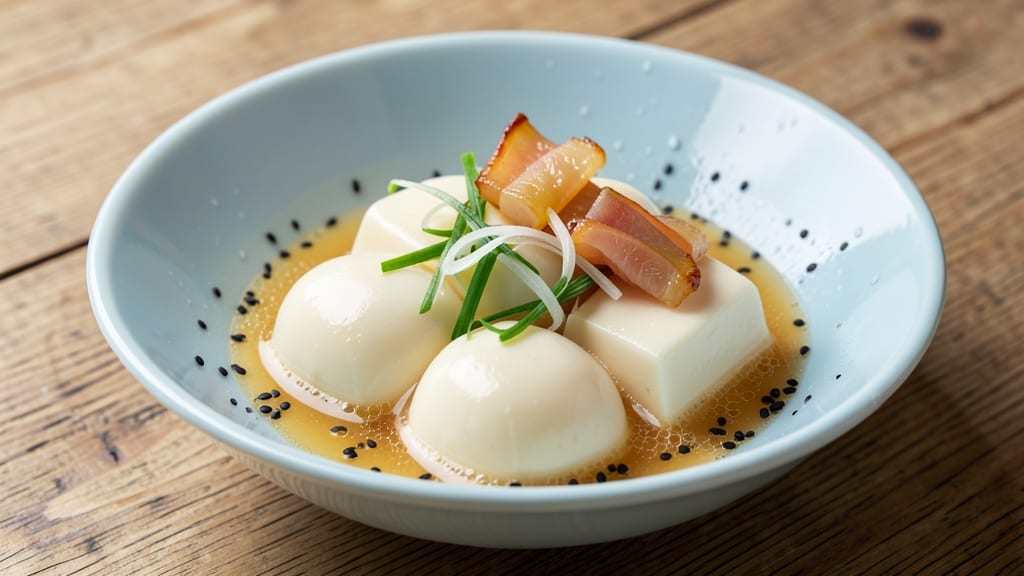
Creating Japanese steamed egg custard transforms a simple egg mixture into a luxurious, silky-smooth dish with a golden yolk crown that commands attention.
The delicate balance of dashi, soy sauce, and mirin creates a savory-sweet broth that cradles tender fillings like tofu, mushrooms, or shrimp—each bite is a symphony of textures and flavors.
I perfected this recipe after years of experimenting with traditional techniques, ensuring the custard remains perfectly set while staying rich and velvety.
What sets this dish apart is the precision in preparation: whisking the egg mixture until frothy, layering fillings carefully, and steaming just until the edges set. The result is a custard with a silky smooth interior and a golden yolk crown that glistens like liquid gold.
Vegetarian adaptations are simple—just omit shrimp and use kamaboko or extra mushrooms for depth. Every step is designed to deliver restaurant-quality results at home, with minimal fuss.
The steaming process is the secret to success—gentle heat ensures the custard sets evenly without curdling, while the fillings stay tender. Served in small bowls, this dish feels both elegant and comforting, perfect for brunch, light meals, or as a side with rice.
The aroma alone will draw everyone to the table, and the first bite delivers that perfect balance of savory, umami, and subtle sweetness.
Whether you're making this for a special occasion or a quiet weeknight dinner, the technique remains the same: patience and attention to detail. The custard’s velvety texture and delicate flavors make it a standout dish, proving that even the simplest ingredients can create something extraordinary.
Let’s begin with the foundational steps that will guide you to perfect results.
Ingredients for japanese steamed egg custard
Eight essential ingredients transform into a luxurious, restaurant-worthy Japanese custard with velvety texture and golden yolk crown.
| Ingredient | Amount | Notes |
|---|---|---|
| Large Eggs 🥚 | 8 whole | Room temperature for even whisking |
| Silken Tofu 🧈 | 8 oz | Drained and crumbled for texture |
| Dashi Stock 🍜 | 1 ½ cups | Homemade or quality bottled |
| White Miso Paste 🧈 | 1 tbsp | Sweet and mild variety preferred |
| Mirin 🍶 | 1 ½ tbsp | High-quality, not imitation |
| Soy Sauce 🥢 | 1 ½ tbsp | Japanese-style preferred |
| Sugar 🍚 | 1 ½ tbsp | Granulated, for subtle sweetness |
| Shiitake Mushrooms 🍄 | 4 whole | Fresh, stems removed, sliced |
| Kamaboko 🍣 | 4 oz | Vegetarian fish cake substitute |
| Vegetable Oil 🫒 | 1 tbsp | For greasing custard molds |
| Diamond Crystal Kosher Salt 🧂 | ½ tsp | For seasoning broth |
| Black Pepper 🌶️ | ¼ tsp | Freshly ground for finish |
The eggs are the star—use large, fresh eggs for maximum richness, and let them sit at room temperature for at least 30 minutes before whisking. Silken tofu adds silkiness without altering the custard's delicate structure, while shiitake mushrooms bring umami depth. For dashi, I recommend Hona Dashi from Japanese markets—it's the gold standard, though homemade kombu and bonito flakes work beautifully too. The miso should be sweet white miso (like Hokkaido miso) to avoid overpowering the delicate flavors. Kamaboko, that vibrant pink fish cake, is traditionally used, but for vegetarian versions, look for vegan kamaboko made from konjac or sweet potato.
No mirin? Substitute 1 tbsp sugar plus 1 tbsp water—it's not identical, but it works in a pinch. Fresh shiitake mushrooms are ideal, but dried shiitake rehydrated in hot water works too (just double the amount). The custard molds can be tricky to find—Japanese specialty stores or online retailers like Amazon carry them, but a ramekin or small heatproof bowl works in a bind. For extra richness, add a pinch of white miso to the egg mixture before steaming. And if you're feeling adventurous, try adding a few drops of safflower oil to the egg mixture for a luxurious sheen.
This custard keeps beautifully—reheat gently in a steamer for 5-7 minutes to restore its silky texture. Store in an airtight container in the fridge for up to 3 days, or freeze for 2 months (thaw overnight in the fridge). The golden yolk crown is best enjoyed fresh, but the custard itself reheats wonderfully. For make-ahead prep, whisk the egg mixture and store it in the fridge overnight—whisk again before steaming for perfect results.
Why You'll Love This Recipe
- No Fuss, One Bowl: I swear by this recipe because it’s literally just whisking eggs, blending tofu, and steaming—no straining, no layering, no stress. The silken tofu blends right into the custard, so you don’t even notice the extra step.
- Umami Bomb: That combo of dashi, white miso, and mirin? Chef’s kiss. The miso adds this deep, savory richness, while the mirin keeps it bright and just a little sweet—like a hug for your taste buds after a long day.
- Steam-and-Go Magic: Between us, this is my go-to for potlucks, brunch, or even a fancy dinner when I’m too tired to fuss. Serve it warm with a sprinkle of nori, or chill it for a protein-packed snack—it’s always a crowd-pleaser.
- Budget-Friendly Luxury: Eggs and tofu are cheap, but the flavor? Fancy. I make a big batch on Sundays, and it lasts all week—great for breakfast, lunch, or even a quick reheated meal when I’m skipping grocery runs. (Yes, even on a Tuesday night.)
Step-by-step instructions for Japanese steamed egg custard
Here's how to craft this luxurious custard with its signature golden yolk crown and velvety texture.
Prepare the Broth and Ingredients for Perfect Flavor Balance
In a medium saucepan, combine the 1.5 cups dashi stock, 1 tbsp white miso paste, 1.5 tbsp mirin, 1.5 tbsp soy sauce, 1.5 tbsp sugar, 0.5 tsp diamond crystal kosher salt, and 0.25 tsp black pepper. Bring to a gentle simmer over medium-low heat for 5 minutes until the sugar fully dissolves and the aromatics meld. You'll notice the broth develop a delicate umami sweetness with subtle salty depth—this is your flavor foundation.
While the broth heats, prepare the mushrooms and kamaboko. Slice the 4 whole shiitake mushrooms into thin strips (about 1/8-inch thick) and cut the 4 oz kamaboko into 1/4-inch cubes. Set aside—these will add texture and visual appeal to your custard. The silken tofu should be drained and crumbled into small, pea-sized pieces using your hands or a fork. This creates the signature silky texture that defines Japanese custard.
Whisk Eggs to Ribbon Stage for Silky Texture
In a separate bowl, whisk the 8 whole large eggs (at room temperature) until they form pale ribbons when the whisk is lifted. This takes about 2-3 minutes of vigorous whisking—you're incorporating air to create that signature light, airy texture. I like to use a fine-mesh strainer here to remove any potential egg whites that might have separated during whisking, ensuring completely smooth custard.
Gently fold in the crumbled 8 oz silken tofu using a spatula, being careful not to deflate the air you've just incorporated. The tofu will add body and prevent the custard from becoming too delicate. Here's a pro tip: work in two batches if needed to maintain the ribbons. The mixture should be completely homogeneous with no visible tofu chunks—this ensures that luxurious, cloud-like consistency we're after.
Assemble and Steam for Even Cooking
Grease four 4-ounce custard molds (or ramekins) with 1 tbsp vegetable oil, then divide the egg mixture evenly among them. Place the molds in a steamer basket, ensuring they don't touch each other or the sides. Pour the prepared broth into the steamer pot, bringing it to a gentle simmer—the water should not boil vigorously, or you'll risk breaking the custard's delicate structure.
Cover the steamer and cook for 12-15 minutes until the custard is just set but still slightly wobbly in the center. The key is patience here—overcooking will make the custard rubbery. You'll know it's perfect when the edges are firm but the center still has a slight give. The golden yolk crown forms naturally during this process, creating that beautiful contrast with the pale custard.
Finish with Garnishes and Serve Immediately
Remove the custards from the steamer and let them cool for 2-3 minutes before unmolding. Arrange each custard on a plate and garnish with the prepared shiitake mushroom slices and kamaboko cubes. The mushrooms should be arranged in a circular pattern around the custard, while the kamaboko cubes can be placed on top for both visual appeal and added texture.
Serve immediately while the custard is still warm—this is when it's at its most luxurious texture. The contrast between the creamy custard, the rich yolk crown, and the slightly chewy mushrooms creates an unforgettable eating experience. For maximum presentation, dust lightly with toasted sesame seeds or a sprinkle of fresh grated daikon if you have it on hand. This custard is best enjoyed fresh, as the texture begins to firm up as it cools.
Pro Tips For Making Japanese Steamed Egg Custard
- Whisk Eggs Until Cold: Stop when the mixture is just thickened—no need for a ribbon stage. Over-whisking adds air, which makes the custard sink or split during steaming. I learned this after watching my first batch collapse like a sad soufflé.
- Blend Tofu Smoothly: Puree the silken tofu until it’s completely silky—no lumps, not even tiny ones. I used to leave it slightly grainy, and the texture always felt off. A high-speed blender or food processor makes this non-negotiable.
- Don’t Rush the Steam: Start with a rolling boil, then lower to a gentle simmer—no vigorous bubbles. Too much heat curdles the eggs, and you’ll end up with a rubbery mess. Cover tightly and let the steam work its magic.
- Taste the Miso Early: Mix the white miso into the dashi before adding mirin—it dissolves better and balances the sweetness. I skipped this once and got a weird, cloying aftertaste. A pinch of salt here saves you from overcorrecting later.
Storing and reheating your japanese steamed egg custard
Refrigerator Storage
Store your steamed egg custard in an airtight container with a tight-fitting lid, pressing plastic wrap directly on the surface to minimize air exposure. Keep it refrigerated at 40°F or below for up to 3 days, though I recommend enjoying it within 2 days for the best texture.
The custard will firm up slightly in the fridge, so reheating is essential to restore its silky smoothness. 🥶
Freezer Preservation
For longer storage, freeze the custard in single-serving portions using silicone molds or small freezer-safe containers. Leave ½-inch headspace to prevent cracking, and wrap tightly with plastic wrap before sealing in a ziplock bag to block freezer burn.
Label with the date—this custard stays excellent for 2 months when frozen properly. Thaw overnight in the fridge before reheating. ❄️
Gentle Reheating Methods
For fridge-to-table reheating, place the custard in a steamer basket over simmering water for 5-7 minutes until warmed through. The steam restores its velvety texture without drying it out.
Alternatively, reheat in a microwave-safe dish on low power (50%) for 30-45 seconds, stirring halfway. Avoid high heat—it can make the custard grainy. 💫
Reviving the Yolk Crown
The golden yolk crown softens during storage, but you can restore its luxurious sheen by reheating the custard covered for 2-3 minutes longer than usual. For extra shine, place a damp paper towel over the custard while reheating to create a mini steaming effect.
The result? A custard that looks (and tastes) freshly made. 🌟
Vegetarian Adaptations
If you omitted shrimp and used vegan kamaboko, the custard reheats slightly faster due to the lack of fat. Adjust reheating time by 1 minute and check for doneness at 5 minutes.
The texture remains identical, but the umami depth may be slightly muted—balance it with an extra ½ tsp soy sauce when reheating. 🌱
Make-Ahead Tips
Prepare the egg mixture 1 day ahead and store it in the fridge. Whisk again before steaming to incorporate air properly. For fillings, slice mushrooms and cube kamaboko the night before and refrigerate in airtight containers.
This saves time on busy mornings while ensuring everything is ready for quick assembly. Time saved = more time to savor the results! ⏰
Nutrition facts
Frequently asked questions
Why does my custard turn out rubbery instead of silky?
Oversteaming is the most common cause. The custard should be just set with a slight wobble in the center (12-15 minutes max). For extra silkiness, whisk the eggs to pale ribbons and avoid vigorous stirring after adding tofu. If it's already rubbery, try reheating gently in a steamer for 2-3 minutes to restore moisture.
Can I make this custard without a special mold?
Use 4-ounce ramekins or small heatproof bowls instead. Grease them well with oil and place them in a steamer basket. The key is keeping the water at a gentle simmer—never boiling—to prevent cracking. For unmolding, run a knife around the edges first.
What's the best way to reheat leftover custard?
Steaming is ideal—place the custard in a steamer basket over simmering water for 5-7 minutes until warmed through. For microwave reheating, use 50% power for 30-45 seconds and stir halfway. Avoid high heat to prevent graininess. Cover with a damp paper towel for extra shine.
How do I adjust this recipe for a vegetarian version?
Omit the shrimp and use vegan kamaboko or extra mushrooms for texture. The custard reheats slightly faster without shrimp fat, so reduce reheating time by 1 minute. For umami depth, add an extra ½ tsp soy sauce when reheating. The texture remains identical!
What's the secret to getting that perfect golden yolk crown?
The crown forms naturally during steaming, but for extra richness, use fresh, room-temperature eggs and whisk them until pale ribbons. Avoid oversteaming—the custard should be just set with a slight wobble. For presentation, garnish with a sprinkle of toasted sesame seeds to enhance the golden effect.