
Sauces & Condiments
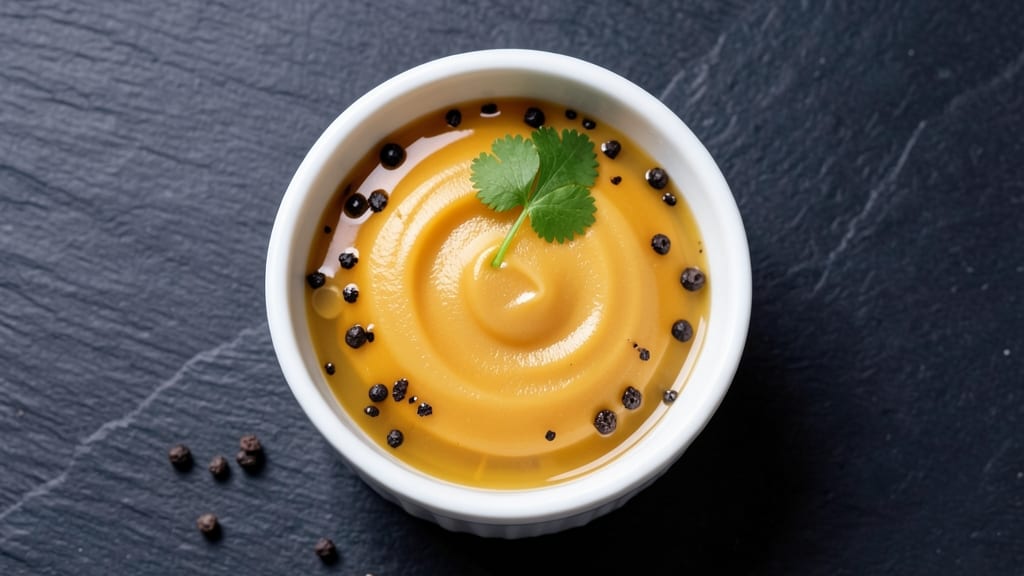
Creating a perfect Japanese egg yolk sauce transforms ordinary dishes into restaurant-worthy masterpieces with just a few simple ingredients.
This silky emulsion—known as taratoru—combines rich egg yolks, savory soy sauce, and delicate umami from dashi and mirin, resulting in a sauce that drizzles like liquid gold over hot ramen, sushi, or grilled fish. The key lies in gradual emulsification, ensuring a velvety texture without breaking.
The beauty of this sauce is its versatility: it elevates simple meals to gourmet status while requiring minimal effort. With just five core ingredients and 10 minutes of active time, you’ll achieve a balance of sweet, salty, and umami that’s impossible to resist.
The emulsion process might seem delicate, but following the step-by-step method guarantees a smooth, stable sauce every time—no culinary experience required.
What sets this sauce apart is its ability to enhance rather than overpower. Drizzled over steaming bowls of ramen, it melts into the broth for a luxurious finish, or paired with delicate sashimi, it adds depth without competing.
The sauce keeps beautifully in the fridge for up to 5 days, making it a perfect make-ahead condiment for busy weeks.
For those new to emulsification, don’t worry—this recipe includes a foolproof technique to avoid common pitfalls like curdling. Whether you’re a home cook or a seasoned chef, mastering this sauce will become your go-to secret weapon for adding professional flair to any dish. Let’s get started!
Ingredients for japanese egg yolk sauce
Five essential ingredients create this velvety Japanese emulsion for restaurant-quality drizzling.
| Ingredient | Amount | Notes |
|---|---|---|
| Large Egg Yolks 🥚 | 4 whole | Room temperature for smooth emulsion |
| Dashi Stock 🍜 | ½ cup | High-quality, unsalted preferred |
| Rice Vinegar 🍶 | 2 tbsp | Seasoned variety enhances flavor |
| Mirin 🍶 | 2 tbsp | Sweet cooking wine, not substitute |
| Soy Sauce 🍶 | 2 tbsp | Light or regular, not reduced |
| Granulated Sugar 🍚 | 1 tbsp | Fine grain for quick dissolution |
| Extra-Virgin Olive Oil 🫒 | ¼ cup | Light variety for neutral flavor |
The egg yolks are the foundation—use only the yolks from large eggs, separated meticulously to avoid any trace of white, which can cause curdling. Room temperature yolks emulsify far better than cold ones, so let them sit at room temperature for 15-20 minutes before beginning. For dashi, instant granules (like Hontou or Marukome) are convenient, but homemade kombu-based dashi delivers superior depth. The mirin should be genuine—avoid cheap substitutes like white wine mixed with sugar, as they lack the delicate sweetness and umami complexity required. Japanese market sections or specialty stores like Mitokado or Nijiya carry authentic mirin, but well-stocked Asian grocery stores will suffice. If using store-bought, check for no added preservatives and a sweet, fruity aroma—these are key indicators of quality.
No mirin? A 1:1 mix of dry white wine and sugar, dissolved together, mimics the flavor profile, though it won’t replicate the exact balance. Substitute dashi with light chicken or vegetable broth in a pinch, but reduce the soy sauce slightly to avoid over-salting. The rice vinegar can be swapped for apple cider vinegar if unavailable, though the flavor will be slightly sharper. For the olive oil, avoid strong, peppery varieties—mild Italian or Spanish oils work best to maintain the sauce’s delicate balance. The sugar is non-negotiable for emulsification; alternatives like honey or maple syrup may alter the texture. Toasting the sugar in a dry pan for 30 seconds before dissolving enhances caramel notes subtly, but it’s optional for beginners.
This sauce must be used within 5 days when refrigerated, stored in an airtight container with a thin layer of olive oil on top to prevent a skin from forming. Portion into small jars for easy drizzling—1 tablespoon per serving is ideal. If the sauce thickens upon refrigeration, gently reheat in a double boiler while whisking until smooth. Freezing is not recommended as it can alter the emulsion’s texture. For leftovers, re-emulsify by whisking vigorously with a splash of warm water before use. The sauce’s peak freshness is within the first 24 hours, so plan to use it immediately for optimal silky texture.
Why You'll Love This Recipe
- Five-Ingredient Magic: I swear, this sauce is the closest thing to a cooking shortcut I’ll ever use—just yolks, dashi, vinegar, mirin, and soy. No blenders, no straining, no stress. The only "work" is whisking until it thickens, which honestly takes less time than scrolling through my phone.
- Umami Bomb: That first spoonful? Chef’s kiss. The dashi brings deep savory richness, while the mirin and vinegar cut through with just enough tang. It’s the kind of flavor that makes you pause mid-bite—especially when drizzled over grilled fish or steamed veggies.
- Weeknight Swiss Army: I keep a jar of this in my fridge like ketchup, but way fancier. Slather it on ramen, toss it with noodles, or use it as a dip for tempura scraps. Even my picky husband asks for it when I’m "just making something quick."
- Leftovers That Last: Unlike sauces that separate or turn rubbery, this stuff stays silky for days. I’ve had it last a full week in the fridge—sometimes I forget it’s there until I remember how good it is. Plus, it’s cheap: a few eggs and pantry staples stretch for multiple meals.
Step-by-step instructions for Japanese egg yolk sauce
Master this delicate emulsion technique for a velvety sauce that elevates any dish.
Prepare the Base Ingredients for Emulsification
In a heatproof bowl, combine the 0.5 cup dashi stock, 2 tablespoons rice vinegar, 2 tablespoons mirin, 2 tablespoons soy sauce, and 1 tablespoon granulated sugar. Place this bowl over a pot of simmering water, ensuring the bottom doesn't touch the water—this gentle heat helps dissolve the sugar completely and infuse flavors without cooking the yolks prematurely.
Stir occasionally with a whisk until the mixture reaches 160°F, just below a simmer. You'll notice the sugar dissolve first, followed by a subtle aroma of umami from the soy sauce and sweetness from the mirin. Remove the bowl from heat and let it cool to room temperature—this prevents the yolks from scrambling when added later.
Whisk Egg Yolks to Ribbon Stage
Transfer the 4 whole large egg yolks to a separate bowl and whisk vigorously until they lighten in color and form a thick, ribbon-like consistency when the whisk is lifted. This process typically takes 3-5 minutes—patience here is critical. The yolks should be pale yellow and hold their shape when the whisk is tilted.
At this stage, the yolks should be triple their original volume, creating a smooth, glossy base. If any streaks of white remain, continue whisking until fully emulsified. This preparation ensures the sauce will achieve its signature silky texture rather than curdling.
Gradually Incorporate the Warm Base
With the yolks still whisking, slowly pour in the cooled dashi mixture in a thin, steady stream. Maintain a constant whisking motion to prevent the yolks from cooking. The mixture will initially look broken, but with continued whisking, it will gradually thicken into a creamy emulsion within 2-3 minutes.
Here's the key: the sauce should coat the back of a spoon smoothly without being overly thick. If it appears too thin, continue whisking for another 30 seconds—the heat from the dashi mixture will help it thicken further. Avoid rushing this step; the emulsion forms through gentle, persistent whisking.
Finely Incorporate the Olive Oil
Once the yolk mixture has emulsified, remove it from the heat and let it cool slightly. Slowly drizzle in the 0.25 cup extra-virgin olive oil while whisking continuously. Add the oil drop by drop at first, then in a thin stream as the emulsion stabilizes. You'll know it's working when the sauce becomes glossy and velvety, with no visible oil separation.
If the sauce breaks or separates, immediately add 1 teaspoon of hot dashi stock and whisk vigorously to re-emulsify. The final texture should be silky and pourable, with a consistency similar to heavy cream. This step requires precision—too much oil too quickly will cause the emulsion to fail.
Rest and Adjust for Perfect Texture
Transfer the completed sauce to a clean bowl and cover the surface with a thin layer of plastic wrap, pressing it directly onto the sauce to prevent a skin from forming. Let it rest at room temperature for 15 minutes—this allows the flavors to meld and the emulsion to fully stabilize.
Before serving, taste and adjust seasoning if needed. If the sauce tastes too sweet, add a pinch of soy sauce; if it needs more acidity, incorporate ½ teaspoon of rice vinegar. The final product should balance umami, sweetness, and acidity with a smooth, luxurious mouthfeel. Use immediately over sushi, noodles, or grilled fish for the best results.
Pro Tips For Making Japanese Egg Yolk Sauce
- Whisk Yolks Like Mad: Get that sauce silky by whisking the yolks briskly over a double boiler—don’t just stir. I learned this the hard way when my sauce turned grainy; the motion needs to be aggressive enough to emulsify those yolks into the hot liquid, not just lukewarm.
- Use Cold Yolks: Chill the egg yolks in the fridge for 10 minutes before whisking—this prevents scrambling when they hit the hot dashi. My grandmother swore by this, and she was right: cold yolks behave better, especially when you’re pouring in that first splash of stock.
- Reduce Stock Slowly: Simmer the dashi, vinegar, and mirin on low heat—even if it takes 15 minutes. Rushing it turns the sauce bitter, and you’ll end up with a thin, watery mess instead of a glossy, rich sauce. Patience here makes all the difference.
- Strain Through Fine Mesh: Skip the cheesecloth if you’re in a hurry, but always strain the finished sauce through a fine-mesh sieve—even if it looks smooth. I skipped this once and ended up with tiny bits of cooked yolk in my sauce. It’s a 30-second fix that saves embarrassment.
Common mistakes when making your japanese egg yolk sauce
Overcooking the Yolks
One of the most common mistakes is adding the warm dashi mixture to the yolks too quickly or at too high a temperature. Egg yolks begin to cook at 140°F, and if the base exceeds 160°F, they’ll scramble instead of emulsify.
I’ve ruined batches by rushing this step—always let the dashi mixture cool to room temperature before combining. If you’re unsure, test the temperature with a food thermometer. 🌡️
Skipping the Ribbon Stage
Many beginners under-whisk the yolks, leaving them too thick or unevenly blended. The yolks must reach the ribbon stage—when you lift the whisk, the stream should hold its shape for a moment.
I’ve seen recipes where people add the dashi mixture too soon, resulting in a grainy, broken sauce. Take your time here; this step ensures a smooth, velvety finish.
Adding Oil Too Quickly
The oil is the trickiest part of emulsification. Pouring it in too fast or in large amounts causes the sauce to break. Start with just a few drops while whisking vigorously, then gradually increase the stream.
If the sauce separates, don’t panic—just whisk in 1 teaspoon of hot dashi stock to re-emulsify. I’ve learned this the hard way after a batch curdled mid-whisking!
Using Cold Ingredients
Cold egg yolks or ingredients straight from the fridge won’t emulsify properly. Always use room-temperature yolks (let them sit for 15-20 minutes) and ensure your dashi, vinegar, and mirin are at least 60°F or warmer.
I keep my mirin and soy sauce in the fridge, so I transfer them to the counter before starting. This small step makes a huge difference in texture.
Ignoring the Resting Time
Rushing to use the sauce immediately after making it can lead to a thinner, less stable emulsion. Let it rest for 15 minutes at room temperature—this allows the flavors to meld and the sauce to thicken slightly.
I’ve drizzled freshly made sauce over ramen only to watch it pool instead of cling. Patience here ensures that perfect, glossy finish. ⏳
Substituting Key Ingredients
Mirin, dashi, and rice vinegar each play a critical role in flavor and texture. Swapping mirin for white wine or using low-quality dashi granules can throw off the balance. I once used a generic vinegar, and the sauce tasted harsh.
Stick to authentic ingredients—your taste buds (and guests) will thank you. For dashi, Hontou or Marukome granules are reliable choices.
Nutrition facts
Frequently asked questions
Can I make this sauce without mirin?
Yes, but the flavor will differ slightly. Replace mirin with a 1:1 mix of dry white wine and sugar, dissolved together. For extra depth, add ½ teaspoon of honey to mimic mirin's sweetness. The sauce will still emulsify well, though authentic mirin provides a unique balance of sweetness and umami that's hard to replicate.
How do I fix a broken emulsion?
If your sauce separates, whisk in 1 teaspoon of hot dashi stock while whisking vigorously. The heat helps re-emulsify the mixture. For stubborn separations, add ½ teaspoon of sugar to help stabilize the emulsion. Keep whisking until smooth—this technique works every time!
What are the best dishes to use this sauce with?
This silky sauce shines on hot ramen, sushi, grilled fish, and tempura. For extra flair, drizzle it over steamed rice with miso soup or use it as a dipping sauce for fried tofu. The rich, velvety texture complements both delicate and hearty dishes beautifully.
Can I make this sauce ahead of time?
Store it in an airtight container in the fridge for up to 5 days. To prevent a skin from forming, press plastic wrap directly onto the surface. Before using, whisk gently to restore its silky texture. For best results, use within 24 hours for peak freshness.
Why does my sauce taste too sweet?
Adjust the balance by adding ½ teaspoon of soy sauce or 1 teaspoon of rice vinegar to cut the sweetness. Taste as you go—this sauce should harmonize umami, sweetness, and acidity. If using lower-quality mirin, reduce sugar slightly in future batches to maintain equilibrium.