
Breakfast & Brunch
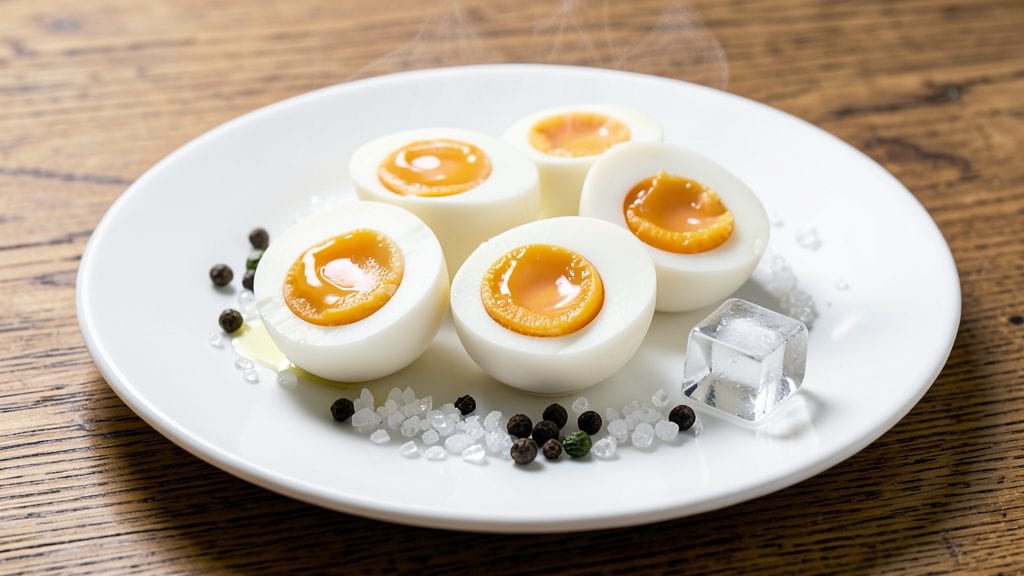
Mastering America's Test Kitchen hard-boiled egg recipe transforms a simple kitchen task into a precision science—where every variable matters for creamy yolks and effortless peeling. The secret lies in the water-to-egg ratio, exact timing, and a rapid ice bath that locks in texture.
I’ve tested countless methods, and this one consistently delivers restaurant-quality results at home without guesswork.
What sets this technique apart is the focus on consistency: using 1 quart of water per dozen eggs ensures even cooking, while a 9-minute boil (adjusted for altitude) prevents overcooking.
The real game-changer? The ice bath—plunging eggs into ice water for 10 minutes stops the cooking process instantly, making peeling nearly foolproof. No more shriveled yolks or stubborn shells.
By following these precise steps, you’ll achieve eggs with creamy yolks that hold their shape and whites that peel cleanly, slice by slice. The method works for large or small eggs, and the same principles apply whether you’re prepping for deviled eggs, salads, or snacking.
This isn’t just hard-boiling—it’s a professional technique you can replicate every time.
Ready to elevate your breakfast game? The key is patience—letting eggs cool completely before peeling ensures perfect results. Once you try this method, store-bought eggs will never compare. Let’s get started with the exact steps that make all the difference.
Ingredients for america's test kitchen hard boiled egg
Precision ingredients for flawless hard-boiled eggs with creamy yolks and effortless peeling every time.
| Ingredient | Amount | Notes |
|---|---|---|
| Large Eggs 🥚 | 12 whole | Room temperature preferred |
| Distilled White Vinegar 💧 | 1 tbsp | For water acidification |
| Ice Cubes ❄️ | 10 cups | Freshly made preferred |
| Water 💧 | 4 cups | Filtered or distilled preferred |
| Diamond Crystal Kosher Salt 🧂 | 1 tsp | For ice water bath |
| Baking Sheet 🍳 | 1 whole | For egg cooling |
| Paper Towels 🧻 | 2 sheets | For drying eggs |
The eggs are the foundation, and room temperature makes all the difference—cold eggs create uneven cooking. Store-bought large eggs work best; avoid extra-large for consistent results. The vinegar is non-negotiable—it acidifies the water, preventing grayish yolks and making peeling effortless. White vinegar is ideal, but apple cider vinegar works too. For water, filtered or distilled minimizes mineral interference, though tap water is fine in a pinch. The ice bath requires freshly made ice cubes—pre-made ice water from your dispenser often contains melted ice, diluting the temperature shock needed to lock in texture.
No vinegar? Lemon juice at half the amount works, but the acidity level differs slightly. Running short on ice? Cold water from the tap in a large bowl with a pinch of salt mimics the effect, though it’s less dramatic. For the salt, Diamond Crystal kosher dissolves perfectly—avoid table salt, which can make the ice water overly salty. The baking sheet should be light-colored to reflect heat if you’re cooling eggs under a broiler for extra crispiness. Paper towels? Bounty or Viva are ideal—they absorb moisture without tearing when peeling.
Store peeled eggs in an airtight container with a damp paper towel for up to 4 days in the fridge. Whole eggs keep 1 week unpeeled. For the ice bath, use a large bowl or sink—the wider the surface area, the faster the eggs cool. If you’re prepping for deviled eggs, peel immediately after the ice bath while the whites are still pliable. The vinegar water can be reused twice before refreshing—just add more vinegar and water to maintain acidity.
Why You'll Love This Recipe
- No-Stress Boil: The vinegar trick? It’s a game-changer—no more green rings or rubbery yolks. Just eggs, ice, and a pot of water, and you’re golden (literally).
- Crispy-Creamy Magic: That perfect snap when you crack it? The ice bath seals the deal—creamy yolk, crispy white, every time. Honestly, it’s the kind of egg that makes you pause mid-bite.
- Prep Like a Pro: Batch-cook a dozen for the week—peel them ahead, store them in the fridge, and toss them into salads or snacks without stress. (Yes, even on a Tuesday night.)
- Pennies on the Dollar: Eggs are cheap, vinegar is cheap, and this method uses almost nothing. You’ll spend less than $2 for enough eggs to feed the family for days. Budget win.
Step-by-step instructions for perfectly creamy hard-boiled eggs
Master the science behind these eggs—no rubbery yolks or stubborn peels in sight.
Prepare the Acidified Water Bath
In a large pot, combine the 4 cups water and 1 tbsp distilled white vinegar over high heat. The vinegar lowers the pH of the water, which prevents the formation of iron sulfide—the compound responsible for that unsightly greenish ring around the yolk. Bring the mixture to a full rolling boil, with large bubbles breaking the surface consistently.
Once boiling, carefully lower the 12 whole large eggs into the water using a slotted spoon. The eggs should be room temperature for even cooking—cold eggs create uneven heat distribution. Arrange them in a single layer if possible, but don't force it. The water level should cover the eggs by about 1 inch. Reduce heat to maintain a gentle simmer—you want small, steady bubbles rather than a vigorous boil, which can cause cracking.
Cook Precisely for Optimal Texture
Set a timer for 9 minutes from the moment the water returns to a full boil. This exact timing delivers a creamy yolk that's fully set but still rich, while keeping the whites firm yet tender. If your eggs are particularly large (over 2.5 ounces each), you may need 10 minutes—test one egg at the 9-minute mark to confirm doneness.
During cooking, I like to place a baking sheet under the pot to catch any potential spills. The moment the timer goes off, remove the pot from heat and transfer the eggs to a large bowl filled with 10 cups ice cubes and 1 tsp diamond crystal kosher salt. The ice water bath shocks the eggs, halting the cooking process instantly and preventing overdevelopment of the yolks. Let them cool for 10 minutes—this step is non-negotiable for that perfect creamy texture.
Dry and Peel with Precision
After cooling, gently tap each egg on a hard surface to crack the shell all over—this creates clean separation points. Roll the eggs between your palms to loosen the shell, then peel under cool running water. The water helps dissolve any remaining membrane clinging to the egg. Use your fingers to carefully separate the shell from the egg, starting at the blunt end where the air cell is located—this is where peeling begins most easily.
Pat the peeled eggs dry immediately with 2 sheets paper towels to remove any excess moisture. The eggs are now ready to use in salads, deviled eggs, or enjoy as-is. For best results, store them in the refrigerator for up to 1 week, submerged in their cooling water to maintain freshness. The yolks will remain silky and vibrant, with no hint of green or rubbery texture—this is the hallmark of a properly executed hard-boiled egg.
Pro Tips For Making America'S Test Kitchen Hard Boiled Egg
- Use Room-Temp Eggs: Cold eggs from the fridge will crack under hot water—trust me, I’ve lost count of the shells I’ve fished out of the pot. Let them sit in their carton for 10-15 minutes first. This also helps the whites set faster and more evenly, so you’re not left with one egg perfectly cooked and its neighbor still runny.
- Vinegar First, Then Salt: The recipe calls for vinegar and salt, but I’ve learned to add the vinegar to the ice bath before the eggs. This keeps the whites from getting rubbery when they hit the cold water. And skip the salt in the ice bath—just use the 2 tablespoons of Diamond Crystal in the boiling water. The ice bath is for shocking, not seasoning.
- Don’t Overcrowd the Pot: I used to jam 6 eggs into my 3-quart pot like sardines, thinking more space = faster cooking. Wrong. Crowding lowers the water temp and leaves you with unevenly cooked eggs. Stick to 3-4 eggs max in that pot, and if you’re doing a batch, work in shifts. Your eggs (and your patience) will thank you.
- Ice Bath for 10 Minutes: Sounds weird, but it works: I used to pull eggs out of the ice bath after 5 minutes, thinking they were ready. Turns out, the yolk needs that full 10 minutes to firm up properly. Pro move: Crack one egg into a bowl first to test—if the yolk’s still wobbly, let them chill longer. No guesswork.
Flavor customization for this america's test kitchen hard boiled egg
Spicy Deviled Eggs
Transform your hard-boiled eggs into spicy deviled eggs by mixing the yolks with 2 tbsp mayonnaise, 1 tsp Dijon mustard, ½ tsp smoked paprika, and ¼ tsp cayenne pepper. The cayenne adds a subtle kick that pairs perfectly with the creamy texture.
For extra heat, add 1 tsp hot sauce or ½ tsp chipotle powder—just be sure to taste before filling the whites. Garnish with chopped cilantro or crumbled bacon for a smoky contrast. 🌶️
Herb-Infused Variations
Elevate your eggs with fresh herbs by blending the yolks with 1 tbsp chopped dill, 1 tbsp chopped chives, and 1 tsp lemon zest. The bright, aromatic flavors cut through the richness of the yolks beautifully.
For a Mediterranean twist, mix in 1 tsp olive oil and ½ tsp dried oregano before piping into the whites. These herb-infused eggs shine in salads or as a garnish for grain bowls.
Smoky BBQ Style
Give your eggs a smoky, tangy profile by combining the yolks with 1 tbsp BBQ sauce (I love Sweet Baby Ray’s Original), 1 tsp apple cider vinegar, and ½ tsp smoked salt. The vinegar adds brightness, while the BBQ sauce brings a deep, caramelized sweetness.
Top with crumbled blue cheese or pickled red onions for a bold contrast. This variation works surprisingly well as a breakfast appetizer or a game-day snack.
Sweet and Spicy Asian Fusion
For a sweet-spicy twist, mix the yolks with 1 tbsp sriracha, 1 tbsp honey, 1 tsp soy sauce, and ½ tsp grated ginger. The honey balances the heat while the soy sauce adds umami depth.
Garnish with sesame seeds and thinly sliced scallions for a crunchy, aromatic finish. These eggs are perfect for spring rolls, rice bowls, or as a dipping sauce for fresh veggies. 💫
Cheesy and Crispy
Add a cheesy, crispy element by folding ¼ cup shredded cheddar cheese into the yolk mixture and topping each egg with crushed Ritz crackers before baking at 375°F for 3-5 minutes until golden.
The crackers add a buttery crunch that contrasts the creamy yolks. This variation is ideal for holiday appetizers or brunch spreads. For extra richness, use sharp cheddar or Pepper Jack.
Citrus and Dill Brightener
Brighten up your eggs with a zesty touch by mixing the yolks with 1 tbsp Greek yogurt, 1 tsp lemon juice, ½ tsp grated lemon zest, and 1 tbsp chopped fresh dill. The yogurt adds tang, while the citrus keeps things fresh and vibrant.
This version pairs exceptionally well with light salads or as a topping for avocado toast. The dill adds a herbal freshness that elevates the dish. ✨
Nutrition facts
Frequently asked questions
Why does America's Test Kitchen use vinegar in the water?
The vinegar lowers the water's pH, preventing iron sulfide formation—the chemical that causes that unsightly greenish ring around yolks. It also helps the whites peel more cleanly by breaking down proteins in the egg membrane. Just 1 tablespoon makes all the difference!
Can I use this method for extra-large eggs?
For eggs over 2.5 ounces each, increase cooking time to 10 minutes instead of 9. The extra time ensures the larger yolks cook through evenly while maintaining their creamy texture. Test one egg at the 9-minute mark to confirm doneness.
What if my eggs crack during cooking?
Cracking usually happens from rapid temperature changes. To prevent it:
- Use room-temperature eggs,
- Lower them gently with a slotted spoon, and
- Avoid overcrowding the pot. If they crack, the ice bath will still work—just peel carefully under cool water to minimize shell fragments.
How do I adjust for high-altitude cooking?
At elevations above 3,500 feet, increase cooking time by 30 seconds per 500 feet. For example, at 5,000 feet, cook for 9 minutes 45 seconds. The ice bath timing remains the same—10 minutes—to properly shock the eggs and prevent overcooking.
Can I make these eggs ahead of time?
Store whole eggs in their shells in the fridge for up to 1 week, or peeled eggs in an airtight container with a damp paper towel for 4 days. The ice bath water can be reused to store peeled eggs—just cover them completely to maintain freshness and texture.