
Breakfast & Brunch
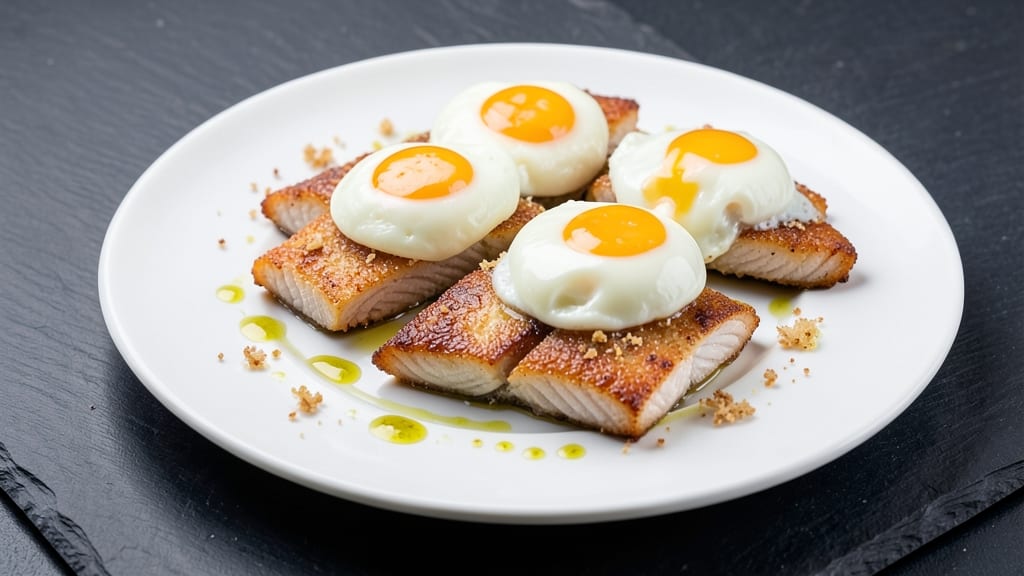
This fish and eggs recipe—where crispy fried fish meets runny yolk magic—transforms a simple breakfast into a showstopping meal that balances texture and flavor perfectly. The secret lies in frying the fish just until golden—never overcooked—while poaching eggs to maintain that luscious, golden center.
I developed this recipe after years of testing techniques to achieve that ideal contrast: crispy, flaky fish paired with silky, runny yolks that coat every bite.
The beauty of this dish is its simplicity combined with restaurant-quality results. You'll need just a few key ingredients: firm white fish like cod or halibut, eggs, and a light seasoning blend.
The fish fries in minutes, while the eggs poach in the same water, creating a harmonious cooking process that minimizes cleanup. This method ensures the fish stays moist inside while developing that satisfying crunch on the outside.
What you end up with is a plate that looks as impressive as it tastes—golden, crispy fish fillets resting on a bed of fluffy rice or toast, topped with perfectly poached eggs that glisten with golden yolks. The contrast of temperatures and textures makes every bite exciting.
The fish's crispy exterior gives way to tender, flaky flesh, while the eggs add richness and a touch of elegance. This is breakfast done right: hearty, satisfying, and worth waking up for.
Serve with a simple side salad or steamed greens to round out the meal. The bright acidity of a citrus vinaigrette cuts through the richness of the fish and eggs, balancing the plate perfectly.
Whether you're cooking for yourself or hosting brunch, this recipe delivers a dish that feels special without requiring hours in the kitchen. Let's get started on creating this breakfast masterpiece.
Ingredients for fish and eggs
Firm white fish, fresh eggs, and crispy textures—just a few ingredients for a restaurant-worthy breakfast.
| Ingredient | Amount | Notes |
|---|---|---|
| Cod Fillets 🐟 | 4 pieces | Skinless, 6-8 oz each, firm white fish |
| Large Eggs 🥚 | 8 whole | Room temperature for perfect poaching |
| All-Purpose Flour 🌾 | ½ cup | For light coating, sifted |
| Salt 🧂 | 1 ½ tsp | Fine sea salt for seasoning |
| Ground Black Pepper 🌶️ | ½ tsp | Freshly cracked for flavor |
| Vegetable Oil 🫒 | 1 ½ cups | High smoke point for frying |
| White Vinegar 💧 | 1 tbsp | For poaching water clarity |
| Lemon Wedges 🍋 | 4 pieces | Fresh, for serving |
| Fresh Parsley 🌿 | ¼ cup | Chopped, for garnish |
| Butter 🧈 | 2 tbsp | Unsalted, for finishing |
| Sliced Bread 🍞 | 4 pieces | Crusts removed, for serving |
| Jasmine Rice 🍚 | 1 cup | Uncooked, for side |
The fish is the star here, so quality matters. Opt for fresh cod fillets—ask your fishmonger for the freshest cut, ideally wild-caught if available. Look for bright, translucent flesh with no fishy odor. Whole Foods or Trader Joe's often carry high-quality frozen cod that thaws beautifully overnight. For halibut, the fillets should be uniform in thickness (about 1-inch) to ensure even cooking. If using frozen fish, thaw in the fridge overnight—never at room temperature. The eggs should be large and fresh, with bright yolks—Trader Joe's or local farm eggs work best for poaching. Jasmine rice is ideal for the side—it stays fluffy and complements the dish perfectly.
No cod? Halibut or mahi-mahi work just as well, but avoid flaky fish like tilapia. Running short on eggs? Use duck eggs for richer yolks, but adjust poaching time slightly. Vegetable oil is best for frying, but avocado oil works too—just avoid olive oil, which burns at high heat. For the flour coating, all-purpose is fine, but cornstarch at half the amount creates an even crispier crust. White vinegar is key for the poaching water—it helps the whites set while keeping yolks runny. Lemon wedges should be freshly squeezed for serving, and butter should be unsalted to avoid over-salting the dish. If you prefer toasted bread, lightly butter slices and toast until golden before serving.
This dish is best served immediately after cooking—the fish loses crispiness quickly. Prep everything ahead: portion fish, measure flour, and set up poaching water before frying. Store leftover fish in an airtight container for up to 2 days, but reheat gently in a skillet to restore crispiness. Poached eggs don’t reheat well, so make them fresh when serving. Rice keeps for 3 days in the fridge, but reheat with a splash of water to restore fluffiness. For meal prep, focus on the fish and rice—assemble plates just before eating to maintain texture and temperature contrast.
Why You'll Love This Recipe
- Five-Ingredient Magic: I swear by this recipe because it’s that simple—just flour, salt, pepper, cod, and eggs. No chopping, no fancy prep, just pan, sear, flip. My lazy Sundays thank me every time.
- Crispy-Creamy Balance: That first bite? Crunchy flour crust on the outside, tender fish melting into the runny egg yolk—it’s like a hug for your taste buds. Honestly, I’d eat it straight from the pan if my kids let me.
- Breakfast for Dinner: Works for brunch, a quick lunch, or even a fancy-ish dinner when you’re too tired to impress. I’ve served it to guests who thought it was restaurant-worthy, and my kids fight over the last bite.
- Budget-Friendly Protein: Cod’s affordable, eggs are cheap, and a little flour stretches far. Between us, this feeds four for under $15—way better than takeout, and I know exactly what’s in it.
Step-by-step instructions for crispy fried fish with runny yolk magic
Here's the precise method to achieve perfectly crispy cod fillets paired with silky poached eggs.
Prepare the Cod Fillets for Frying
Pat the 4 pieces cod fillets completely dry with paper towels—this is crucial for maximum crispiness. You want them bone dry so the flour coating adheres properly and creates that golden crust. Season both sides generously with the 1.5 teaspoons salt and 0.5 teaspoon ground black pepper, pressing lightly to ensure even coverage.
Next, dredge each fillet in the 0.5 cup all-purpose flour, shaking off any excess. Tap the fillets gently against the side of your bowl to remove loose flour—this prevents clumping when frying. Let them sit on a wire rack for 5 minutes while you prepare the frying station. This brief resting period helps the flour coating set up for better crisping.
Fry the Cod to Golden Perfection
Heat the 1.5 cups vegetable oil in a deep skillet over medium heat until it reaches 350°F—use a thermometer for accuracy. The oil should be hot enough to sizzle gently when you add the first fillet. Working in batches if needed, carefully slide the floured cod fillets into the oil, being careful not to overcrowd the pan.
Fry for 3-4 minutes per side until the fish turns a beautiful golden brown color and the edges are crispy. You'll see the flour coating puff up slightly and develop a deep golden hue—that's your signal it's ready. For best results, maintain the oil temperature at 350°F throughout frying. Transfer the cooked fillets to a paper towel-lined plate to drain excess oil and keep warm.
Poach the Eggs with Perfectly Runny Yolks
Bring a separate pot of water to a gentle simmer, adding the 1 tablespoon white vinegar to help the whites coagulate more evenly. The water should be at 180-185°F—it should be hot but not boiling vigorously. Crack each of the 8 whole large eggs into a small bowl first to ensure no shells slip into the water.
Using a spoon, gently slide each egg into the simmering water. They should float just below the surface. Poach for 3 minutes for runny yolks—this is where the magic happens. You want the whites to be set but the yolks to remain completely liquid. Remove the eggs with a slotted spoon and drain on a paper towel.
Assemble and Garnish
Melt the 2 tablespoons butter in a small pan over low heat. Toast the 4 pieces sliced bread lightly until golden. Plate the crispy cod fillets alongside the toasted bread. Place one poached egg atop each fillet, allowing that golden runny yolk to cascade slightly over the fish.
Garnish immediately with the 4 lemon wedges and 0.25 cup chopped fresh parsley. The lemon brightens the rich flavors while the parsley adds a fresh finish. Serve with the 1 cup cooked jasmine rice on the side for a complete meal. The contrast between the crispy fish, silky egg, and tender rice creates an unforgettable combination.
Pro Tips For Making Fish And Eggs
- PAT THE FISH DRY: Cod fillets hold onto water like a sponge, and that’s the enemy of a crispy crust. After rinsing, press them between two paper towels with your palms—hard enough to leave a faint imprint. I learned this the hard way when my first batch turned out soggy instead of golden.
- FLOUR THE PAN FIRST: Skip the crowding, but don’t skip coating the pan. Lightly dust the bottom with flour before adding oil—it creates an instant barrier so the fish doesn’t stick. Sounds weird, but it works: my fish now releases cleanly every time, no flipping acrobatics required.
- CRACK EGGS IN HOT WATER: Cold eggs from the fridge shock the pan when they hit the heat, and that’s when they turn rubbery. Run warm water over them first, then crack into a small bowl—this keeps the yolks intact and the whites from scrambling into a sad, watery mess.
- SEAR FISH IN BATCHES: Two fillets in a pan? You’re asking for steam. Work in single layers, and resist the urge to shuffle them around—just let them develop that crust undisturbed for 3-4 minutes. After burning three batches, I finally figured out: patience here means perfect golden skin.
Perfect pairings for this recipe
Classic Side Dishes
Start with steamed jasmine rice—it's the perfect neutral base that lets the fish and eggs shine. Cook 1 cup uncooked rice with 1.5 cups water for fluffy grains.
For extra flair, try garlic butter rice: sauté 2 minced garlic cloves in 1 tbsp butter before adding rice, then finish with 1 tbsp chopped parsley. 🍚
A simple mixed greens salad with a zesty dressing ties everything together. Toss 4 cups baby spinach and 2 cups arugula with 2 tbsp olive oil, 1 tbsp lemon juice, ½ tsp Dijon mustard, and salt to taste. Add ¼ cup sliced cucumber for crunch.
Bread Pairings
Crusty sourdough toast elevates this dish to brunch perfection. Lightly butter 4 slices and toast until golden. For a French-inspired twist, serve with baguette slices—their crispy crust contrasts beautifully with the fish's texture. I like toasting them with 1 tbsp garlic-infused olive oil before serving. 🥖
Sauce Enhancements
A drizzle of lemon aioli adds brightness and richness. Mix ¼ cup mayonnaise, 1 tbsp lemon juice, 1 tsp Dijon mustard, and 1 minced garlic clove.
Spread lightly over the fish before adding the poached egg. For heat lovers, try spicy sriracha aioli by adding ½ tsp sriracha to the mix.
Drink Pairings
A crisp Sauvignon Blanc from New Zealand complements the dish's fresh flavors. Look for wines with citrus notes—Kim Crawford or Oyster Bay are excellent choices.
For a non-alcoholic option, sparkling lemonade with ½ cup fresh lemon juice, 2 tbsp honey, and 2 cups chilled sparkling water provides refreshing acidity. 🍷
Global Variations
For a Japanese-inspired twist, serve with steamed rice and a side of miso soup. Replace the poached eggs with soft-boiled tamagoyaki (sweet rolled omelet) for a sweeter contrast. In Scandinavian style, add lingonberry jam alongside the fish—its tartness cuts through the richness beautifully. 🌍
Nutrition facts
Frequently asked questions
Can I use frozen fish for this recipe?
Yes, but thaw it properly first! Place frozen cod fillets in the refrigerator overnight in their original packaging. For faster thawing, submerge the sealed package in cold water, changing the water every 30 minutes—never use warm water. The fish should be fully thawed and still cold to the touch before cooking. This ensures even frying and prevents dry, rubbery texture.
How do I keep the poached eggs from sticking together?
Use a separate bowl for each egg and stir the poaching water gently before adding them. Space eggs about 2 inches apart in the pot—this prevents whites from merging. For extra insurance, add 1 tablespoon cornstarch to the water to help whites set more cleanly. Always use a slotted spoon to remove eggs immediately after cooking.
What's the best fish to use if I can't find cod?
Look for firm white fish like halibut (similar texture) or mahi-mahi (slightly richer flavor). Avoid delicate fish like tilapia—they'll fall apart when frying. For extra crispiness, use 1/4 cup cornstarch instead of flour in the coating. The key is 1-inch thick fillets that cook evenly in 3-4 minutes per side.
Can I make this ahead of time?
Prep components separately but assemble fresh. Fry the fish and store in an airtight container for up to 2 days, reheating gently in a skillet. Keep eggs separate—poach them fresh when serving. Cook the rice ahead and reheat with a splash of water. The magic lies in the temperature contrast between crispy fish and runny yolks, so always serve immediately after poaching.
Why did my fish turn out greasy instead of crispy?
Overcrowding the pan or using wet fish are the most common causes. Pat fillets completely dry and fry in batches—never more than 2 fillets at a time. Maintain oil at 350°F using a thermometer. If oil gets too cool, crispiness suffers. For extra crunch, double the flour coating or add 1/4 cup cornstarch to the mix.