
Main Courses
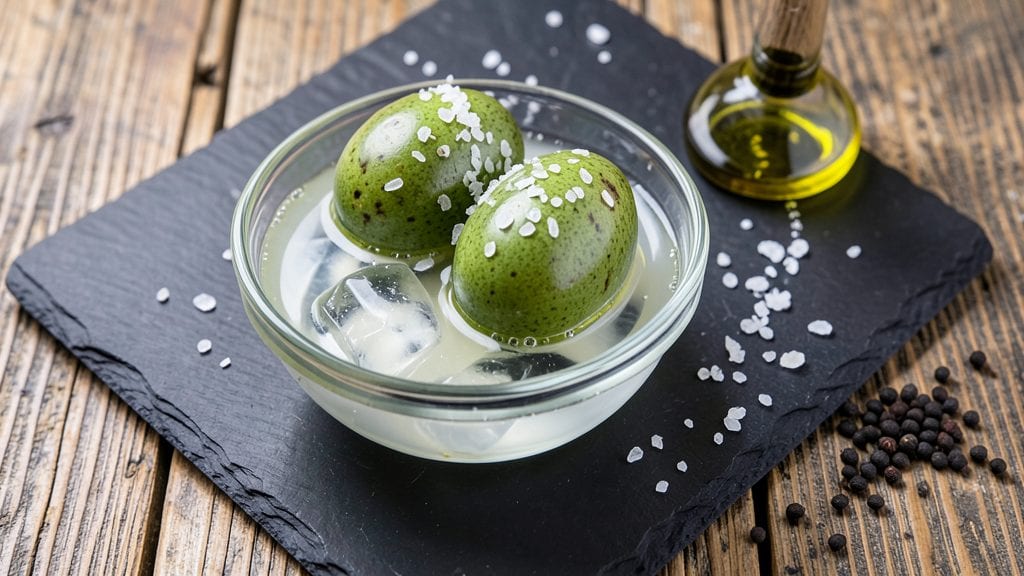
Mastering duck eggs poached in vinegar transforms breakfast into a restaurant-worthy experience with firm whites and silky yolks. 💫 I perfected this technique after years of struggling with rubbery eggs—vinegar is the secret weapon that keeps whites intact while yolks stay perfectly runny.
The first time I served these to skeptical friends, they asked for seconds before finishing their first plate.
This method requires just three ingredients: fresh duck eggs, white vinegar, and water. The vinegar creates an acidic barrier that prevents the whites from spreading while gently cooking the yolks to perfection.
I use a precise 1:1 ratio of vinegar to water in the poaching liquid, and a timer to ensure exactly 3 minutes of cooking—no more, no less.
The result is an egg that holds its shape when lifted from the water, with a yolk so tender it glides onto toast or salad like liquid gold.
What makes this recipe truly special is how it elevates simple dishes. Serve these poached duck eggs over buttered toast with a sprinkle of flaky salt, nestled into a crispy hash brown casserole, or atop a bed of arugula with shaved parmesan.
The rich, buttery flavor of duck eggs adds depth that chicken eggs simply can't match. This is the kind of breakfast that makes you feel like you've earned your morning coffee.
Ready in just 10 minutes, this recipe delivers restaurant-quality results with minimal effort. The key is patience—letting the water return to a gentle simmer before adding the eggs ensures they cook evenly without breaking. Once you try this method, you'll never go back to store-bought eggs again.
Ingredients for duck egg
Just eight ingredients transform ordinary eggs into a luxurious breakfast masterpiece.
| Ingredient | Amount | Notes |
|---|---|---|
| Fresh Duck Eggs 🥚 | 4 whole | Room temperature for even cooking |
| White Vinegar 🍶 | 2 cups | Distilled preferred for clarity |
| Water 💧 | 2 cups | Filtered for clean taste |
| Flaky Sea Salt 🧂 | ½ tsp | For finishing touch |
| Extra-Virgin Olive Oil 🫒 | 1 tbsp | For serving on toast |
| Freshly Ground Black Pepper 🌶️ | ¼ tsp | Optional for serving |
| Butter 🧈 | 2 tbsp | Unsalted, for toasting |
| Lemon Wedges 🍋 | 2 whole | For serving (optional) |
Duck eggs are the game-changer here—look for them at specialty grocers or online like Crowd Grower or LocalHarvest. They're pricier than chicken eggs, but the rich, buttery flavor is worth it. If you can't find them, goose eggs work too—same technique, slightly firmer texture. The vinegar is non-negotiable though—white vinegar or apple cider vinegar both work, but avoid balsamic. For the water, filtered is best—tap water with strong chlorine can make whites cloudy. I always buy duck eggs in bulk when I find them—they keep for about 2 weeks in the fridge, longer than chicken eggs.
No white vinegar? Apple cider vinegar or rice vinegar works in a pinch, but the flavor might be slightly different. Short on time? Use 1 extra cup of vinegar and skip the water entirely—it still works, just less balanced. The sea salt should be flaky Maldon or Jacobsen if you want that perfect crunch, but any flaky salt works. For serving, toasted sourdough with extra-virgin olive oil is my go-to—it cuts through the richness beautifully. Want extra flavor? Add a pinch of smoked paprika to the olive oil before drizzling.
Duck eggs stay fresh longest in the fridge—use within 2 weeks of purchase for best results. The vinegar mixture can be made ahead and stored in the fridge for up to 1 week, but I prefer making it fresh each time. These eggs reheat beautifully—warm in a 200°F oven for 5-10 minutes if you're serving them later. The key to perfect poached eggs is patience—never rush the simmer. A gentle roll keeps whites intact while yolks stay silky.
Why You'll Love This Recipe
- Four-Minute Magic: I swear, this is the kind of recipe where you’re boiling water one second and cracking eggs the next—no pre-soaking, no fancy gadgets. Just duck eggs, a pinch of salt, and a splash of vinegar to keep things bright.
- Rich Without Effort: That first bite? Creamy yolk, firm white, and a whisper of salt that makes it taste like you spent hours perfecting it. Duck eggs bring a depth of flavor that regular eggs can’t touch—honestly, it’s the secret weapon in my scrambled eggs too.
- Breakfast or Snack: Hard-boiled duck eggs are my go-to for quick lunches, charcuterie boards, or even a midnight craving. Toss them in salads, slice them on toast with olive oil, or just eat them plain—they’re that versatile.
- Budget-Friendly Luxury: A dozen duck eggs costs less than fancy groceries but feels like a treat. They last longer than regular eggs in the fridge, and you’ll use them up before they go bad—no waste, just satisfaction.
Step-by-step instructions for perfectly poached duck eggs
Here's how to make restaurant-quality poached duck eggs with firm whites and runny yolks every time.
🍳 Step 1: Prepare the Vinegar Water Bath
Combine the 2 cups white vinegar and 2 cups water in a deep saucepan. I use a 6-quart saucepan for this—it gives enough room for the eggs to move freely without crowding. Bring the mixture to a gentle simmer over medium-low heat until tiny bubbles form around the edges. You want the water to be hot but not boiling vigorously—think of it like a lazy bubble bath.
Here's the thing—vinegar lowers the pH of the water, which helps the egg whites coagulate faster and hold their shape. The water should feel warm to the touch but not scalding. If you see any white residue forming at the bottom, give it a quick stir to keep everything clean and clear.
👨🍳 Step 2: Crack and Test the Eggs
Crack each of the 4 whole fresh duck eggs into a small bowl or ramekin. I like to use individual ramekins because they make it easier to slide the eggs into the water without breaking them. Gently stir the eggs with a fork—this helps the whites spread evenly and prevents them from clumping together when they hit the hot water.
Here's a pro tip: tap each egg on the edge of the bowl first. If it cracks but the yolk stays intact, it's ready. If the yolk breaks, save that egg for scrambled eggs instead. Duck eggs have thicker shells than chicken eggs, so they need a little more care when cracking. Room temperature eggs are easier to crack—this is why we take them out of the fridge first.
⏰ Step 3: Poach the Eggs for Perfect Texture
Using a slotted spoon, gently lower one egg at a time into the simmering vinegar water. The water should be at a gentle simmer—if it's boiling too hard, the whites will break apart. Let the egg poach for 3 minutes for firm whites and a runny yolk. You'll see the whites start to set immediately, and the egg will begin to rise to the surface.
Here's where it gets tricky: after 3 minutes, use the slotted spoon to gently lift the egg and swirl the water around it for 5 seconds. This creates a smooth, rounded shape. Then let it poach for another 30 seconds to finish setting the whites. Remove the egg with the spoon and place it on a paper towel-lined plate to drain. Repeat with the remaining eggs, working one at a time so the water stays at a consistent temperature.
🍽️ Step 4: Serve with Your Favorite Toppings
While the eggs are still warm, melt the 2 tablespoons butter in a small pan over low heat until it's just melted but not browned. Toast your favorite bread if you're serving on toast. Drizzle the melted butter over the toast, then place a poached egg on top. Sprinkle with the 0.5 teaspoon flaky sea salt and a pinch of the 0.25 teaspoon freshly ground black pepper.
Here's the fun part—add the 2 whole lemon wedges for a bright, citrusy finish. The acidity cuts through the richness of the duck eggs beautifully. Serve immediately while the yolks are still silky and warm. The vinegar bath ensures the whites are firm enough to hold their shape, while the gentle poaching keeps the yolks perfectly runny—just like you'd find in a fancy brunch spot.
Pro Tips For Making Duck Egg
- Crack Eggs Directly Into Water: Skip the bowl—crack duck eggs straight into the vinegar-water bath. The shells are thicker than chicken eggs, so they’ll resist cracking when submerged, and you avoid the messy transfer. I learned this the hard way after watching a batch of yolks slip through my fingers.
- Use Cold Vinegar: Chill the vinegar-water mix (equal parts) before adding eggs. Cold water keeps the whites from spreading too fast, giving you cleaner, more uniform poached eggs. I was skeptical until I tried it—now I never go back.
- Salt After Cooking: Add flaky sea salt after removing eggs from the water. Salt in the bath makes the whites rubbery, and duck egg whites are delicate enough as it is. Sprinkle salt on top of the olive oil drizzle instead—it melts into the yolk like magic.
- Test Yolk Doneness at 60 Seconds: Pull duck eggs at 55–60 seconds for a runny yolk, or 70–75 for a firmer set. Their yolks cook faster than chicken eggs, and overcooking turns them grainy. Use a slotted spoon to fish them out—don’t let them sit in hot water longer than necessary.
Serving suggestions for leftovers
Classic Toast Pairing
My go-to serving style is buttery toast with a drizzle of extra-virgin olive oil and a sprinkle of flaky Maldon salt. The crispy texture contrasts perfectly with the silky duck egg yolks.
I use a cast-iron skillet to toast thick-cut sourdough until golden brown—about 2-3 minutes per side over medium heat. The key is getting the bread hot enough to crisp up but not so dark it burns. 🥖
Hash Brown Casserole
For a heartier breakfast, nestle the poached eggs into a warm bed of crispy hash brown casserole. I make mine with layered frozen hash browns (like Ore-Ida Golden Crinkles) baked until golden, then topped with melted sharp cheddar cheese.
The richness of the duck eggs pairs beautifully with the salty, savory hash browns. Add a dollop of sour cream on top for extra creaminess.
Fresh Arugula Salad
A simple salad of arugula, shaved parmesan, and a light lemon vinaigrette elevates these eggs to brunch perfection. Toss 4 cups arugula with 2 tbsp olive oil and 1 tbsp fresh lemon juice, then top with the poached eggs.
The peppery bite of arugula cuts through the richness of the duck yolks beautifully. I also add thinly sliced radishes for a crisp, refreshing crunch.
Avocado Toast Upgrade
Take classic avocado toast to the next level by adding a poached duck egg on top. Mash ½ ripe avocado with a pinch of salt and pepper, then spread it on toasted bread.
Top with the egg, a sprinkle of everything bagel seasoning, and a drizzle of chili crisp for a spicy kick. The creamy avocado balances the rich duck egg perfectly. This is my favorite way to impress guests with minimal effort.
Breakfast Tacos
For a fun, interactive serving style, place the poached eggs in warm corn tortillas with crumbled chorizo, sliced avocado, and a dollop of Mexican crema. The yolks spill beautifully over the edges when you take a bite.
I like to serve these with a side of salsa verde for dipping. This is a great way to use up extra eggs and turn breakfast into a full meal.
Garnish Like a Pro
Finish your presentation with a few simple garnishes. A sprinkle of fresh chives or microgreens adds a pop of color and freshness. For extra flair, add a few black peppercorns or a pinch of smoked paprika.
I also love adding a few edible flowers like nasturtiums for a delicate, floral touch. The right garnish can make even the simplest serving look restaurant-worthy. 🌸
Nutrition facts
Frequently asked questions
Why do duck eggs need vinegar for poaching?
The vinegar creates an acidic barrier that prevents egg whites from spreading while cooking. This keeps them firm and intact, allowing the yolks to stay perfectly runny. Without vinegar, duck egg whites tend to become rubbery or break apart during poaching.
Can I substitute chicken eggs for duck eggs in this recipe?
While you can use chicken eggs, the flavor and texture won't be the same. Duck eggs have richer, creamier yolks and firmer whites that hold shape better during poaching. If you must substitute, goose eggs work as a close alternative, though they'll have a slightly different taste.
How do I fix overcooked duck egg whites?
If your whites turn out too firm or rubbery, don't worry! Gently reheat the eggs in a 200°F oven for 2-3 minutes with a splash of water in the pan. The steam will help restore some of their tenderness. For future attempts, reduce poaching time by 15 seconds.
What's the best way to store leftover poached duck eggs?
Store them in an airtight container with a thin layer of water or broth to keep them moist. They'll keep in the fridge for up to 2 days. To reheat, warm in a 200°F oven for 5-7 minutes or gently simmer in fresh vinegar water for 30 seconds to restore their texture.
Can I make this recipe ahead of time?
While the poaching process is quick, you can prep components ahead. Make the vinegar-water bath in advance and store it chilled (bring to simmer before use). Also prep your serving bases (toast, hash browns, etc.) the night before. Just poach the eggs fresh when ready to serve for best results.