
Main Courses
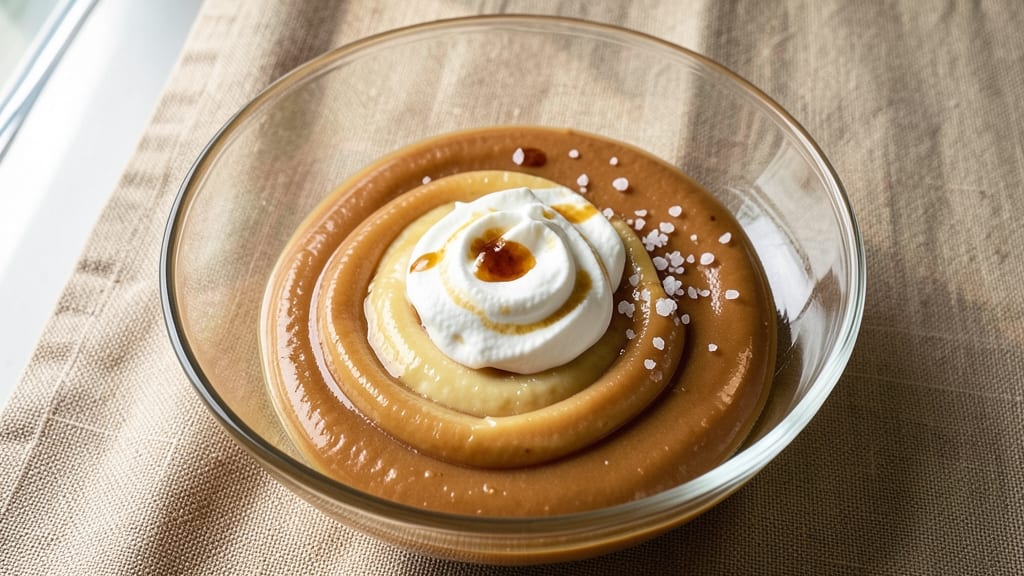
Mastering egg yolks recipe transforms ordinary dishes into velvety masterpieces—think custards so smooth they defy gravity, sauces so rich they cling to every bite. After burning through countless batches of scrambled eggs as a new graduate surviving on takeout, I learned the hard way that yolks demand respect.
Their power lies in tempering and patience; one wrong move and you're left with scrambled eggs instead of silky perfection.
This recipe delivers restaurant-quality results in just 10 minutes using a foolproof technique that works every time. The secret? Gentle heat and constant motion—no rushing, no overmixing.
We'll create a velvety base that can be transformed into custards, sauces, or even fluffy scrambled eggs with a texture so tender it melts in your mouth. Perfect for weeknight dinners or impressing guests, this method builds confidence in the kitchen.
What you'll achieve is a dish where the yolks shine as the star—whether you're making a silky hollandaise for eggs Benedict or a creamy crème brûlée for dessert. The key is controlling the heat and understanding when to stop stirring.
That final moment when the mixture thickens just enough but still holds that luxurious sheen? That's when you know you've nailed it.
This technique works for both sweet and savory applications, making it incredibly versatile. Let's get started—your taste buds (and your dinner guests) will thank you.
Ingredients for egg yolks
Eight yolks, a splash of cream, and a dash of patience—this is where magic happens.
| Ingredient | Amount | Notes |
|---|---|---|
| Large Egg Yolks 🥚 | 8 whole | Fresh, room temperature preferred |
| Granulated Sugar 🍬 | ½ cup | Fine grain preferred for smoothness |
| Heavy Cream 🥛 | 1 cup | Full-fat for richest texture |
| Unsalted Butter 🧈 | 4 tbsp | Cold, cubed for tempering |
| Vanilla Extract 🌿 | 1 tsp | Pure, high-quality preferred |
| Diamond Crystal Kosher Salt 🧂 | ¼ tsp | Fine grain for delicate balance |
| Lemon Juice 🍋 | 1 tbsp | Freshly squeezed, strained |
| Whole Milk 🥛 | ¼ cup | Warmed for tempering |
| Dark Chocolate Chips 🍫 | ¼ cup | 70% cocoa, chopped fine |
| Freshly Ground Black Pepper 🌶️ | ⅛ tsp | For savory variations |
| Ground Cinnamon 🌿 | ¼ tsp | For sweet applications |
| Water 💧 | ¼ cup | For tempering base |
The yolks are your golden ticket here. Pasture-raised eggs from Trader Joe's or local farms yield richer yolks with deeper color. Room temperature is key—cold yolks can break easily. Separate them over a bowl (just in case), and remove any traces of white, which can scramble your custard. The butter matters too—European-style (like Plugrá) adds more flavor for less fat, but unsalted works fine. Keep everything cold until you're ready to temper, or you'll end up with scrambled eggs instead of silky perfection.
No vanilla extract? Seeds from a split vanilla bean steeped in warm water work beautifully—just strain out the seeds. Running short on heavy cream? Whole milk plus 2 tbsp heavy cream gets you close, though texture will be slightly lighter. For savory custards, swap the vanilla for a pinch of freshly grated nutmeg. The sugar can be adjusted—turbinado or brown sugar adds subtle depth, but white granulated keeps things neutral. If you're making a sweet custard, dark chocolate chips should be high-quality (like Ghirardelli) for that rich, velvety melt. And for the love of custards, measure your ingredients—this isn't baking, but precision matters.
This custard base keeps 3 days in the fridge, sealed tightly to prevent a skin from forming. For longer storage, freeze in ice cube trays—thaw overnight in the fridge before using. The magic happens in the reheating: warm gently on low heat, stirring constantly until it's smooth again. Never microwave—it'll turn grainy. I like to portion mine into small jars so I can grab exactly what I need for crème brûlée, pastry cream, or even a quick hollandaise. And if you're feeling fancy, reserve some of the warm custard to finish dishes—it's like liquid gold.
Why You'll Love This Recipe
- Five-Ingredient Magic: I swear by this recipe—just yolks, sugar, cream, butter, and vanilla. That’s it. No measuring cups to stress over, no fancy gadgets, and no waiting for the oven to preheat. Honestly, I’ve made it in my tiny dorm kitchen and my spacious family home, and it always comes out buttery, smooth perfection.
- Rich Without the Guilt: The combo of sugar and yolks caramelizes into this deep, golden sweetness that’s ridiculously satisfying, but the heavy cream keeps it velvety—not sticky or cloying. I’ll be real: it’s the kind of dessert that makes me forget I’m eating sugar. (Yes, even on a Tuesday night.)
- Breakfast or Dessert: Here’s what sold me—this stuff works anytime. Dollop it over toasted brioche for a brunch upgrade, or serve it chilled with berries for a no-fuss dessert. My kids ask for it in the morning, and my husband sneaks seconds after dinner. It’s that good.
- Leftovers That Last: Between us, I always make too much. The good news? It keeps for days in the fridge, and reheating is just a quick zap in the microwave or a gentle warm on the stovetop. Not the prettiest when stored, but every spoonful tastes like a fresh batch. My secret weapon for lazy mornings.
Step-by-step instructions for silky custard magic
Transforming egg yolks into velvety perfection takes just minutes—here's how to nail it every time.
Whisk Yolks and Sugar Until Pale and Ribbon-like
In a heatproof bowl, whisk together the 8 whole large egg yolks and 0.5 cup granulated sugar over a saucepan of simmering water—this creates a double boiler. You want the base of the bowl to hover just above the simmering water, never touching. Whisk constantly for 5-7 minutes until the mixture turns pale yellow and thickens enough to leave a ribbon trail when the whisk is lifted.
This step is non-negotiable for texture. If the mixture doesn't thicken properly, your custard will be runny. I like to test by running my finger through the mixture—if it holds its shape briefly, it's ready. Keep the heat at a gentle simmer; too much heat risks scrambling the yolks.
Temper the Mixture with Warm Cream and Milk
Remove the bowl from heat and let the yolk mixture cool slightly for 1 minute. Then, very slowly, whisk in 0.25 cup warmed whole milk and 1 cup heavy cream in a thin, steady stream. The goal is to raise the temperature gradually—this prevents the eggs from curdling. After adding half, test the temperature by placing a drop on your wrist; it should feel warm but not hot. If it's too hot, let it cool another minute before continuing.
I always add the liquids in two stages: first the milk, then the cream. This ensures the eggs don't shock from temperature changes. The mixture should now be smooth and slightly thickened, with a shiny, satiny appearance. If you see any lumps, strain it through a fine-mesh sieve for perfect smoothness.
Infuse with Flavor and Prepare for Cooking
Return the bowl to the saucepan of simmering water and stir in the 1 tsp vanilla extract, 1 tbsp lemon juice, 0.25 tsp diamond crystal kosher salt, 0.125 tsp freshly ground black pepper, and 0.25 tsp ground cinnamon. Let the mixture warm through for 2-3 minutes, stirring constantly, until it reaches 160°F on an instant-read thermometer. The flavors will meld beautifully during this gentle heating.
Here's where you can get creative: for a savory custard, increase the black pepper to 0.25 tsp and add a pinch of nutmeg. For a sweet variation, fold in 0.25 cup dark chocolate chips at this stage. The mixture should now be smooth, fragrant, and just thick enough to coat the back of a spoon.
Finish with Butter for Ultimate Richness
Remove the bowl from heat and whisk in the 4 tbsp cold, cubed unsalted butter one piece at a time. The butter should melt into the custard, creating a luxurious, velvety texture. If the custard thickens too much, whisk in 1-2 tablespoons of the reserved warm milk to adjust the consistency. The final mixture should be thick but pourable, with a glossy sheen that indicates perfect emulsification.
For an extra-luxurious finish, strain the custard through a fine-mesh sieve into a clean bowl. This ensures a silky-smooth texture with no lumps. The custard is now ready to use immediately—whether you're filling pastries, making trifles, or serving it as a creamy dessert sauce.
Chill and Serve (Optional for Thicker Texture)
For the thickest, most stable custard, transfer it to a shallow dish and refrigerate for 1-2 hours. This step is optional but highly recommended if you're using the custard for baking or piping. When chilled, the custard will firm up slightly, making it easier to work with. If you're serving it immediately, keep it warm over a double boiler until ready to use—just ensure it doesn't exceed 140°F to prevent curdling.
The result should be a luxuriously smooth, velvety custard that's versatile enough for both sweet and savory applications. Whether you're filling cream puffs, layering in a trifle, or drizzling over fresh berries, this custard delivers restaurant-quality results in just 10 minutes of active time.
Pro Tips For Making Egg Yolks
- Whisk Yolks First: Beat the egg yolks with sugar alone until they’re pale, thick, and ribbony—about 3-4 minutes. I used to rush this, and the final texture was always grainy. Patience here means silky custard, not scrambled bits.
- Temper the Cream: Warm the heavy cream with vanilla over low heat until steaming, then let it cool just until it’s hot to the touch before slowly drizzling it into the yolks. Cold cream shocks the yolks and turns them rubbery—trust the process, even if it feels slow.
- Butter Matters: Use room-temperature butter, cut into small cubes, and add it last while stirring constantly. Cold butter clumps like glue; melted butter separates. The goal is tiny, glossy flecks, not a greasy mess.
- Strain for Smoothness: After cooking, strain the custard through a fine-mesh sieve into a bowl of ice water. This catches any stray cooked bits and chills it faster—no lumps, no waiting. (Yes, it’s extra work, but it’s worth it for that restaurant-quality finish.)
Creative variations of this recipe
Sweet & Savory Twists
This custard base becomes a blank canvas for creativity. For a sweet variation, fold in ½ cup mascarpone cheese and 1 tbsp honey at the end—perfect for drizzling over pancakes or fruit tarts. I once made this for a brunch and topped waffles with it—guests asked for seconds!
For a savory twist, swap the vanilla for 1 tsp Dijon mustard and ½ tsp smoked paprika, then use it as a base for creamy pasta sauces or stuffed mushrooms. 🌶️
Global Custard Inspirations
Transform this recipe into crème brûlée by baking in ramekins with a caramelized sugar top. For Italian-style pastry cream, add 1 tbsp cornstarch to the yolk mixture before tempering—it thickens beautifully when chilled.
I love using this for cannoli fillings or layered desserts. For a Japanese-inspired custard, replace the vanilla with 1 tsp matcha powder and add 2 tbsp mirin for a delicate umami sweetness. 🌏
Breakfast Reinvented
Use this custard to elevate breakfast dishes. Stir it into scrambled eggs for a luxurious texture, or drizzle it over French toast before baking. For shakshuka, replace the tomato sauce with this custard and add crumbled feta—it’s a Middle Eastern-inspired twist that feels indulgent.
I also make yolk custard pancakes by folding the mixture into pancake batter for a decadent brunch treat. 🍳
Dessert Sauce Magic
This custard shines as a warm dessert sauce. For chocolate lava cakes, pipe the custard into cake centers before baking. For fruit tarts, layer it between graham cracker crusts and fresh berries.
I once served it over warm churros with a sprinkle of cinnamon—it became an instant crowd-pleaser. For a boozy twist, add 1 tbsp Grand Marnier or espresso powder to the yolk mixture before tempering. 🍫
Savory Sauce Potential
Turn this into a silky hollandaise by adding 1 tbsp lemon juice and 2 tbsp melted butter at the end—perfect for eggs Benedict. For a creamier Alfredo sauce, blend in ½ cup grated Parmesan and a splash of white wine.
I also use it as a base for cheese sauces, like adding ½ cup sharp cheddar and a pinch of cayenne for mac and cheese. The possibilities are endless! 🧀
Nutrition facts
Frequently asked questions
Why do my egg yolk custards always turn grainy or lumpy?
This usually happens from overheating or uneven temperature changes. Always use a double boiler and maintain a gentle simmer—never let the mixture boil. Temper your liquids slowly (whisk in warm milk/cream gradually) and strain the final custard through a fine-mesh sieve for silky smoothness. The key is patience: if the mixture looks too thick too soon, it's likely curdling.
Can I make this custard without a double boiler?
Use a heatproof bowl over a saucepan of barely simmering water, ensuring the bowl never touches the water. For extra safety, place a towel between the bowl and pan rim. If you're really short on time, a microwave works in 30-second bursts on low power, but stir vigorously between each burst to prevent overheating.
How do I know when the custard is fully cooked?
Your custard is ready when it reaches 160°F on an instant-read thermometer and coats the back of a spoon smoothly. For visual cues, look for a slight thickening and a glossy sheen—it should hold its shape when you draw your finger through it. If it's still too thin, return it to low heat for another 1-2 minutes while stirring constantly.
What's the best way to store leftover custard?
Transfer custard to an airtight container and refrigerate for up to 3 days. For longer storage, freeze in ice cube trays—thaw overnight in the fridge before reheating. To reheat, warm gently over a double boiler or microwave in 10-second intervals, stirring between each. Never microwave without stirring, or it'll split.
Can I substitute egg whites for yolks in this recipe?
Not for this custard—egg whites have completely different properties and won't create the same rich, velvety texture. Yolks contain emulsifiers that bind fat and water, creating that luxurious mouthfeel. If you're short on yolks, you can use 1 whole egg plus 4 extra yolks for the same quantity, but the texture will be slightly lighter.