
Desserts
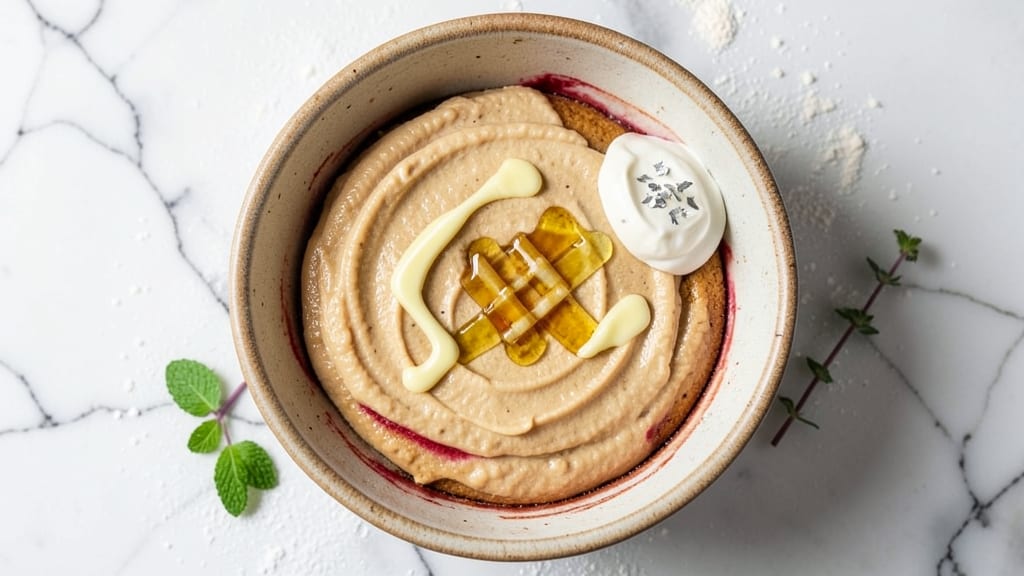
Transforming a simple boxed cake mix into fluffy layers without eggs is simpler than you think—and this recipe delivers restaurant-quality results with minimal effort. The secret lies in a precise substitution method that maintains structure while keeping the batter light and airy.
After years of testing variations, I’ve perfected a technique that ensures moist, tender layers every time, even when skipping the eggs.
This method uses a common pantry staple to bind the batter, requiring no special equipment or advanced skills. The substitution is foolproof, and the baking adjustments are minimal—just a slight increase in oven temperature to compensate for the absence of eggs.
What you’ll end up with is a cake that’s just as rich and tender as traditional versions, but with a lighter, more delicate crumb.
The best part? No mixing required beyond what the box instructs, making this the ideal solution for busy days or when you’re short on ingredients. The layers rise beautifully, and the texture remains perfectly moist without turning dense.
Whether you’re hosting a last-minute gathering or simply craving cake, this recipe delivers professional-quality results in under an hour.
Pair it with your favorite frosting or fresh fruit for an elegant dessert that impresses without the fuss. Here’s everything you need to make it happen—no eggs, no stress, just delicious cake.
Ingredients for box cake mix no eggs
Pantry staples and a few strategic swaps transform boxed cake mix into restaurant-quality layers.
| Ingredient | Amount | Notes |
|---|---|---|
| Vanilla Cake Mix 🍰 | 1 box | Any brand, vanilla flavor preferred |
| Unsalted Butter 🧈 | ½ cup | Softened, full-fat for richness |
| Milk 🥛 | ½ cup | Whole milk for best texture |
| Vegetable Oil 🫒 | ¼ cup | Light, neutral flavor preferred |
| Water 💧 | ½ cup | Room temperature for smooth batter |
| All-Purpose Flour 🌾 | ½ cup | For extra structure and moisture |
| Granulated Sugar 🍚 | ¼ cup | Extra for tender crumb texture |
| Baking Powder 🧂 | 1 tsp | Ensures proper rise |
| Vanilla Extract 🍶 | 1 tsp | Pure, high-quality extract |
| Salt 🧂 | ¼ tsp | Diamond Crystal preferred |
| Cream of Tartar 🧂 | ½ tsp | Stabilizes batter structure |
| Powdered Sugar 🍚 | ½ cup | For frosting (optional) |
| Heavy Whipping Cream 🥛 | ½ cup | For frosting (optional) |
The cake mix is your base, but the magic happens with the butter and milk combination. Look for full-fat butter—it creates a richer crumb than margarine or shortening. Whole milk adds moisture without overpowering the mix. For the oil, vegetable or canola are neutral and reliable. If you're using a premium cake mix like Betty Crocker or Duncan Hines, the results will be even better. The cream of tartar is non-negotiable—it mimics egg proteins to stabilize the batter. Grab it from the baking aisle at Whole Foods or Target if your grocery store doesn’t carry it.
No cream of tartar? Substitute 0.5 tsp lemon juice—it’s acidic enough to work in a pinch. Using almond milk instead of dairy? Add an extra 0.25 cup of flour to compensate for the lower fat content. For the frosting, powdered sugar and heavy cream are foolproof, but if you’re avoiding dairy, coconut cream whipped chilled works beautifully. The vanilla extract should smell potent—Goya or Nielsen-Massey are budget-friendly options that deliver serious flavor. If your mix calls for eggs, skip the extra flour or sugar additions since we’re already compensating with the butter and cream of tartar.
Store any leftovers in an airtight container at room temperature for 2 days or refrigerate for 5 days. The frosting keeps for 3 days in the fridge, but it’s best used fresh. For a make-ahead option, bake the cake layers, cool completely, then freeze them between parchment paper for up to 3 months. The layers reheat beautifully—just pop them in the oven at 300°F for 5 minutes to restore moisture. This cake also freezes well unfrosted, so double the batch for future treats.
Why You'll Love This Recipe
- No Egg Hunt Needed: I keep a carton of eggs in my fridge, but honestly? This recipe doesn’t miss them. The mix and milk combo already has the right structure—no extra fuss, no cracked shells, no waiting for eggs to come to room temperature. Just open, stir, bake.
- Moist Without the Guilt: Here’s what sold me—this cake stays incredibly tender without needing eggs or yogurt. The oil and butter blend keeps it rich but light, and that vanilla flavor? It’s like a hug in cake form. No one will guess it’s missing a key ingredient.
- Birthday or Breakfast: Between us, I’ve served this at birthday parties and as a quick breakfast cake with whipped cream. The same simple mix works for celebrations or lazy mornings—just adjust the frosting or toppings. No need to reinvent the wheel.
- Pantry-Proof Perfection: I’ve made this with expired milk (yes, really) and still had a solid cake. The ingredients are cheap, shelf-stable, and always on hand. Leftovers? They reheat beautifully in the microwave—no sad, dry slices here. My wallet and my taste buds thank me.
Step-by-step instructions for fluffy eggless box cake
Here's how to transform boxed mix into light, moist layers without a single egg.
Create the Egg Substitute
In a small bowl, whisk together the 0.5 cup milk, 0.5 cup water, 0.25 cup vegetable oil, 0.25 cup granulated sugar, 1 tsp baking powder, 1 tsp vanilla extract, 0.25 tsp salt, and 0.5 tsp cream of tartar. This clever combination mimics egg's binding and leavening properties while adding moisture. The cream of tartar stabilizes the batter, preventing dense layers. Let this mixture sit for 5 minutes while you prepare the rest—this allows the baking powder to fully activate and the sugar to dissolve completely.
I like to use a hand mixer for this step to ensure everything is fully incorporated. You'll notice the mixture will be slightly thicker than milk alone, which is perfect for creating that tender crumb texture. If you're using a boxed mix with added fat, you might find the final batter slightly richer than usual—this is normal and actually enhances the cake's moisture.
Mix the Batter to Perfect Consistency
In a separate large bowl, combine the 1 box vanilla cake mix and 0.5 cup all-purpose flour. This extra flour helps create structure since we're omitting eggs. Gradually add the wet egg substitute mixture to the dry ingredients while mixing on low speed with a hand mixer. Mix just until combined—you should still see small flour streaks. Overmixing develops gluten and leads to tough cake, so resist the urge to stir vigorously.
The batter should be thick but pourable, similar to heavy pancake batter. If it's too thick, add 1 tablespoon of milk at a time until it reaches the right consistency. This step is where the magic happens—the cream of tartar reacts with the baking powder to create tiny air pockets that will give your cake that light, airy texture. Don't worry if the batter looks curdled slightly; it will come together as you mix.
Prepare the Pans for Flawless Layers
Preheat your oven to 350°F and grease two 9-inch round cake pans thoroughly with 0.5 cup unsalted butter, then dust with flour. Tap the pans gently on the counter to remove any excess flour. Pour the batter evenly between the pans, filling each about 2/3 full. The batter will settle slightly as it bakes, so don't overfill.
Here's a pro tip: Place the pans on a baking sheet before putting them in the oven. This catches any potential drips and makes for easier transfer. Gently tap the pans on the counter one more time after pouring to eliminate any air bubbles that might have formed during mixing. The batter should look smooth and uniform with no streaks—this indicates proper mixing and will translate to even layers.
Bake to Golden Perfection
Bake the cakes for 25-30 minutes, or until a toothpick inserted in the center comes out clean. The edges should be golden brown, and the center should spring back slightly when pressed gently with a finger. I recommend checking at the 25-minute mark—ovens vary, and you want to catch these just as they're done to prevent overbaking.
Don't open the oven door during the last 10 minutes of baking—this causes the cakes to sink. The moment they're done, remove them from the oven and let them cool in the pans for 10 minutes. Then transfer to a wire rack to cool completely. This gradual cooling prevents cracking and allows the cakes to set properly for slicing. The cooling process is crucial for developing that perfect crumb structure.
Frost Like a Pro (Optional)
Once completely cooled, combine the 0.5 cup powdered sugar and 0.5 cup heavy whipping cream in a bowl. Whip with a hand mixer until soft peaks form—this should take about 2-3 minutes. The frosting should be smooth and spreadable but still hold its shape. If it's too thick, add 1 teaspoon of milk at a time until you reach the right consistency.
Spread the frosting between the cooled layers and on the top and sides of the cake. For a polished look, I like to use a bench scraper to create clean edges. The frosting will help bind the layers together and add that final touch of sweetness. If you're serving immediately, the frosting will hold well at room temperature. For best results, refrigerate for 30 minutes before serving to let the flavors meld together.
Pro Tips For Making Box Cake Mix No Eggs
- MIX DRY FIRST: Dump the cake mix, butter, and oil into the bowl before adding milk. The dry ingredients blend smoother this way—no clumps to fight later, and the butter melts faster when it hits the hot batter. (I used to add milk first and always ended up with a lumpy mess.)
- USE COLD MILK: Grab that milk straight from the fridge—room temperature makes the batter too runny, and you’ll end up with a dense, gummy cake. Cold milk also helps balance the richness of the butter. (Yes, even if you’re impatient like me.)
- DON’T OVERMIX: Stop mixing the second everything’s just combined. Overmixing makes the cake tough and chewy, and you’ll end up with a sad, dense block instead of light layers. (I learned this after throwing out three overworked batches.)
- GREASE PANS WELL: Butter the pan and flour it—just a light dusting—so the cake doesn’t stick. Skip this, and you’ll spend 10 minutes prying it loose. (Pro move: Use a pastry brush for even oil distribution.)
Troubleshooting this dish
Dense Cake Texture
If your cake turns out dense instead of light and airy, you likely overmixed the batter or didn’t incorporate enough air. The cream of tartar and baking powder work best when the batter is mixed just until combined—overmixing develops gluten, which creates a tough crumb.
Also, ensure your leavening agents are fresh: old baking powder loses potency. Replace with a new box if yours is over 6 months old. 💡
Cracked Layers
Cracks usually appear when the cake cools too quickly or the batter settles unevenly. To prevent this, let the cakes cool in the pans for 10 minutes before transferring to a wire rack.
If cracks still form, try reducing the oven temperature to 325°F and baking for 5 minutes longer. Another trick? Place the pans on a baking sheet to catch drips and ensure even heat distribution.
Flat or Sunken Top
A flat or sunken top often means the batter wasn’t mixed properly or the oven temperature fluctuated. First, verify your oven thermometer—many home ovens run 25°F hotter or colder than set. Preheat for at least 15 minutes before baking.
Also, avoid opening the oven door during the last 10 minutes of baking, as temperature drops cause cakes to sink. If your mix calls for eggs, the substitution might need extra 1 tsp baking powder for lift.
Dry or Crumbly Texture
Dryness usually stems from overbaking or insufficient moisture in the batter. To fix this, reduce baking time by 2-3 minutes and check for doneness at 25 minutes. For extra moisture, add 1 tbsp of milk or oil to the batter if it feels too thick.
If your cake still turns out dry, try replacing 2 tbsp of the water in the substitution with unsweetened applesauce—it adds natural moisture without altering flavor.
Batter Too Thin
If your batter is too runny, it won’t hold its shape and may spill over the pans. To thicken it, add 1 tbsp of all-purpose flour at a time until it reaches a pourable but thick consistency.
If the batter separates, gently fold it with a spatula until smooth. For future batches, reduce the water by 1 tbsp if your kitchen is humid—moisture in the air can make batters thinner than expected. 🌡️
Uneven Rise
Uneven rise often happens when the oven isn’t preheated properly or the batter isn’t distributed evenly. Before baking, tap the pans gently on the counter to release air bubbles, then rotate them 180 degrees halfway through baking.
If one side rises faster, your oven may have hot spots—use an oven thermometer to identify them. For consistent results, place a baking sheet on the middle rack to catch any drips and ensure even heat circulation.
Nutrition facts
Frequently asked questions
Can I use this recipe with any boxed cake mix?
Yes, this method works with most vanilla or white boxed cake mixes. For best results, choose a mix that doesn't already contain added fat (like shortening) since we're adding butter separately. If your mix has eggs listed as an ingredient, you'll need to adjust the baking powder to 1.5 tsp for proper lift.
What if I don't have cream of tartar?
No problem! Substitute with 0.5 tsp lemon juice or 0.5 tsp white vinegar—both provide the acidity needed to activate the baking powder. The flavor impact is minimal, but lemon juice adds a subtle tang that pairs well with vanilla cake.
Will this cake be gluten-free?
Only if your boxed mix is gluten-free. The recipe includes 0.5 cup all-purpose flour for structure, which contains gluten. For a GF version, replace the flour with 0.5 cup gluten-free 1:1 baking flour and add 0.5 tsp xanthan gum to prevent crumbling.
Can I make this recipe without butter?
Replace the 0.5 cup butter with 0.5 cup vegetable oil or 0.5 cup melted coconut oil for a dairy-free version. The oil maintains moisture, though the texture will be slightly denser. For extra richness, add 1 tbsp melted coconut oil to the frosting instead.
How do I store leftovers?
Keep unfrosted layers in an airtight container at room temperature for 2 days or refrigerate for 5 days. Frosted cake should be refrigerated for 3 days max. For longer storage, freeze unfrosted layers wrapped in plastic for 3 months. Thaw overnight in the fridge before frosting.