
Breakfast & Brunch
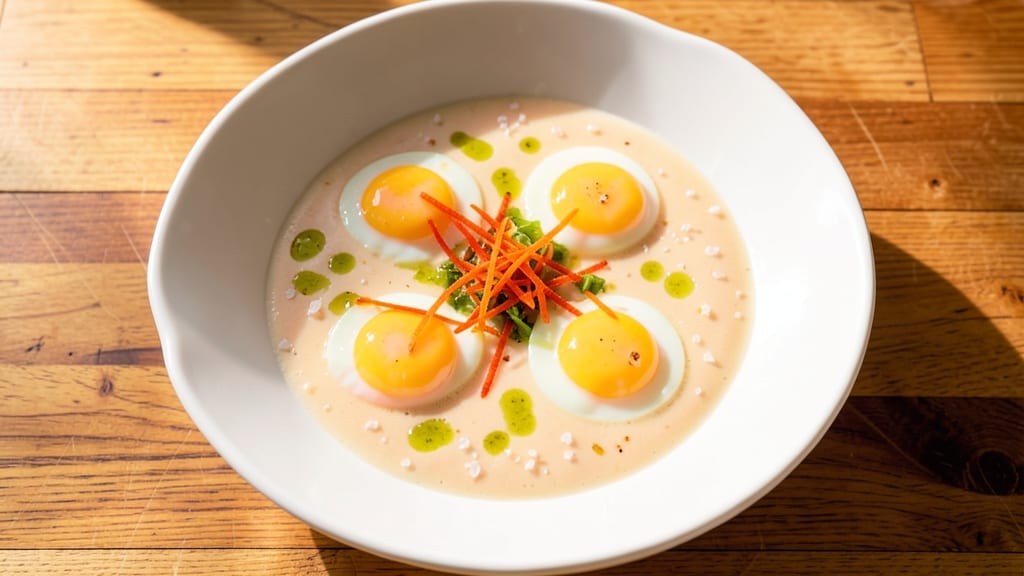
Transforming simple eggs into fluffy coconut-curdled clouds is the secret breakfast game-changer I discovered while searching for a lighter, tropical-inspired dish. This recipe combines the richness of eggs with the delicate sweetness of coconut, creating a texture that's impossibly light yet satisfying.
The process is straightforward but requires precise timing to achieve that signature airy, almost custard-like consistency.
What makes this dish truly special is how it balances simplicity with professional results—no special equipment needed, just a few key ingredients and a method that ensures perfect curdling every time.
The coconut milk adds a subtle sweetness and creaminess, while the eggs provide structure, resulting in a dish that's both elegant and effortless to prepare. Ready in just 15 minutes, it’s ideal for busy mornings or weekend brunch gatherings.
The outcome is a dish that’s visually stunning with its golden, cloud-like appearance and a flavor profile that’s rich yet refreshing. Each bite delivers a harmonious blend of creamy coconut and tender egg, making it a standout option for breakfast lovers seeking something beyond the ordinary.
Whether served on its own or paired with fresh fruit, this recipe is sure to become a staple in your morning routine.
Perfect for those who enjoy experimenting with global flavors while keeping breakfast simple, this coconut egg dish offers a taste of the tropics without the fuss. Let’s get started on creating your own fluffy, coconut-infused masterpiece.
Ingredients for coconut egg
Four eggs, one cup coconut milk, and a touch of tropical brightness transform into ethereal coconut-curdled clouds.
| Ingredient | Amount | Notes |
|---|---|---|
| Large Eggs 🥚 | 4 whole | Room temperature for even curdling |
| Full-Fat Coconut Milk 🥥 | 1 cup | Canned, unsweetened for authentic flavor |
| Extra-Virgin Olive Oil 🫒 | 2 tbsp | Light, fruity variety for delicate balance |
| Granulated White Sugar 🍬 | 2 tbsp | Fine grain for smooth dissolution |
| Diamond Crystal Kosher Salt 🧂 | ¼ tsp | Fine grain for precise seasoning |
| Fresh Lime Juice 🍋 | 1 tbsp | Bright, freshly squeezed for acidity |
| Unsalted Butter 🧈 | 1 tbsp | Cold, cubed for precise melting |
| Fresh Coconut Flakes 🥥 | 2 tbsp | Toasted for enhanced aroma |
| Vanilla Extract 🌿 | ½ tsp | Pure, high-quality for depth |
| All-Purpose Flour 🌾 | 1 tbsp | Lightly sifted for smooth texture |
| Fresh Mint Leaves 🌿 | 4 whole | Chopped, for vibrant garnish |
The coconut milk is non-negotiable for authentic flavor—opt for full-fat canned brands like Thai Kitchen or Goya for optimal creaminess. Fresh coconut flakes elevate the dish further, but unsweetened desiccated coconut from Trader Joe's works beautifully if you prefer convenience. Eggs should be room temperature (30 minutes out of the fridge) to ensure even curdling. The Diamond Crystal kosher salt is preferred here for its fine grain, allowing precise seasoning without graininess. Fresh lime juice is critical for brightness; Mexican Key limes add a more intense citrus note if available at specialty markets.
No full-fat coconut milk? Light coconut milk plus 1 tbsp heavy cream mimics the texture, though the flavor will be subtly milder. Substituting almond milk isn’t recommended—it lacks the necessary fat content for proper curdling. For a dairy-free alternative, coconut yogurt can replace the butter, though the texture will be slightly denser. Fresh mint is ideal for garnish, but dried mint at half the amount works in a pinch. The vanilla extract should be pure Madagascar bourbon for the deepest flavor profile, though imitation will suffice if you're on a budget. If you lack lime juice, lemon juice at equal measure provides a similar acidity boost.
Store any leftovers in an airtight container in the refrigerator for up to 3 days, though this recipe yields just enough for immediate serving. The dish reheats beautifully—30 seconds in the microwave on low power restores its airy texture. For make-ahead prep, whisk the dry ingredients (flour, sugar, salt) and store separately; combine with wet ingredients just before cooking. The coconut flakes and mint should be added fresh post-cooking to preserve their vibrant qualities. Freezing isn't recommended due to the delicate egg-coconut emulsion.
Why You'll Love This Recipe
- Five-Ingredient Magic: The pantry already has what you need—no specialty shopping, no last-minute grocery runs. Just eggs, coconut milk, olive oil, sugar, and salt. That’s it. Honestly, I keep a can of coconut milk in my cabinet just for this.
- Creamy-Crispy Balance: That golden crust from the olive oil and sugar? It shatters like a dream, but the inside stays rich and velvety from the full-fat coconut milk. Between us, it’s the kind of texture that makes you slow down mid-bite.
- Weeknight or Guest Night: Make a batch on Sunday for grab-and-go breakfasts all week—or whip up a tray when friends drop by unexpectedly. The coconut milk adds a subtle sweetness that feels fancy, but it’s still breakfast you’d serve in pajamas.
- Budget Breakfast Hack: A single can of coconut milk stretches to four servings, and eggs are the cheapest protein around. I’ll be real: this recipe saved me $20 a month when I stopped buying overpriced yogurt parfaits. (Yes, even on a Tuesday night.)
Step-by-step instructions for coconut eggs recipe
Here's the method to create silky, tropical-inspired coconut curds with perfect texture and balance.
Whisk Eggs and Coconut Milk to Homogeneous Mixture
In a medium heatproof bowl, combine the 4 whole large eggs and 1 cup full-fat coconut milk. Whisk vigorously for 2-3 minutes until the mixture becomes uniformly pale yellow and slightly thickened. This step is critical for even curdling—you'll notice the mixture will gradually increase in volume as air incorporates.
Add the 2 tablespoons granulated white sugar, 0.25 teaspoon diamond crystal kosher salt, and 0.5 teaspoon vanilla extract to the egg mixture. Continue whisking for another 30 seconds until fully dissolved. The sugar will help stabilize the curds, while the salt and vanilla extract provide essential flavor balance. Set the bowl aside while you prepare the cooking vessel.
Heat Olive Oil and Butter for Gentle Curdling
In a 10-inch nonstick skillet, heat 2 tablespoons extra-virgin olive oil and 1 tablespoon unsalted butter over medium-low heat until the butter melts completely and the oil shimmers lightly. This gentle heat is crucial—too high a temperature will cause the eggs to scramble rather than curdle properly.
Once the oil is hot (you should see small bubbles forming around the edges), carefully pour the egg mixture into the skillet. Stir gently with a silicone spatula, working from the center outward, for 3-4 minutes. You'll see the mixture begin to thicken and form soft, custard-like curds. The key is consistent, gentle stirring to prevent any parts from overcooking.
Incorporate Lime Juice and Flour for Texture
After 3-4 minutes of stirring, add 1 tablespoon fresh lime juice and 1 tablespoon all-purpose flour to the skillet. The lime juice will brighten the flavor, while the flour helps create a slightly thicker, more stable texture. Continue stirring gently for another 2 minutes, allowing the mixture to cook through completely.
You'll know it's ready when the curds have thickened to a soft, pudding-like consistency and pull away cleanly from the sides of the pan. The mixture should coat the back of a spoon smoothly without being runny. Remove the skillet from heat at this point—overcooking will make the curds rubbery rather than silky.
Fold in Coconut Flakes and Garnish with Mint
Transfer the coconut egg mixture to a serving bowl or individual ramekins. Using a spatula, gently fold in the 2 tablespoons fresh coconut flakes, reserving a small portion for garnish. The toasted coconut flakes will add both texture and aroma, enhancing the tropical profile of the dish.
Chop the 4 whole fresh mint leaves finely and sprinkle them evenly over the top of the coconut eggs. The mint provides a refreshing contrast to the rich coconut flavor. Serve immediately while the curds are still warm and silky, or chill for 1 hour if you prefer a cooler presentation. The texture will remain creamy either way, though warm serves best for the full experience.
Pro Tips For Making Coconut Egg
- Whisk Eggs Cold: Crack eggs straight from the fridge into a chilled bowl—this keeps them from scrambling when they hit the hot pan. I used to add them at room temp, and they’d turn rubbery before the coconut milk even had a chance to shine.
- Heat Oil Slow: Warm olive oil on medium-low until it shimmers—just enough to coat the pan without smoking. Too hot, and the coconut milk burns before the eggs set. Too cool, and you’ll be waiting forever for that silky texture.
- Salt the Coconut Milk: Stir in half the salt with the coconut milk, not just at the end. The salt dissolves better into the fat, and the eggs absorb that flavor evenly. I learned this after tasting a bland edge on the first bite—annoying, but fixable.
- Sweeten Last: Add sugar after the eggs are just set but still slightly runny—this lets it caramelize into the coconut without burning. Dump it in too early, and you’ll end up with a sticky, uneven glaze. (Yes, I’ve done that.)
Make-ahead tips for coconut egg
Prep Ahead Essentials
Whisk the dry ingredients—1 tbsp flour, 2 tbsp sugar, and ¼ tsp salt—in a small bowl and store them in an airtight container for up to 5 days.
This pre-mix saves time and ensures your coconut eggs always start with perfectly balanced seasoning. I keep mine in a glass jar with a silicone lid to maintain freshness. 💡
Coconut Milk Prep
Open the canned coconut milk and refrigerate it overnight—this separates the thick cream from the water. The next morning, scoop out just the thick cream (½ cup) and use it in place of the full cup called for in the recipe.
This ultra-rich version creates even silkier curds with deeper coconut flavor. Discard the water or save it for smoothies. 🥥
Egg Pre-Tempering
Place your 4 large eggs in a bowl of warm water for 10 minutes before using them. This brings them to room temperature, ensuring even curdling. I do this while prepping other ingredients—it’s a simple step that makes a noticeable difference in texture.
Room-temp eggs also prevent the curds from becoming grainy. 🥚
Toasted Coconut Stash
Toast 4 tbsp unsweetened coconut flakes in a dry skillet over low heat for 3-4 minutes, stirring constantly, until golden and fragrant. Let them cool completely, then store in an airtight container for up to 1 week.
This prepped coconut adds instant tropical aroma to your coconut eggs—just sprinkle 2 tbsp on top when serving. ✨
Make-Ahead Serving Bowls
Assemble your serving dishes in advance by lining ramekins with toasted coconut flakes and a sprinkle of mint leaves. Store these empty bowls in the fridge until ready to use.
When you’re ready to serve, simply pour the warm coconut egg mixture into the prepared bowls. This shortcut makes plating effortless and adds that restaurant-quality presentation. 🍽️
Chilling for Brunch
For a brunch crowd, prepare the coconut egg mixture up to Step 3 (after adding lime juice and flour) and chill it in an airtight container for up to 24 hours.
When ready to serve, gently reheat in a skillet over low heat for 2-3 minutes, stirring constantly, until warmed through. The texture remains creamy, and the flavors deepen after chilling. Perfect for lazy weekend mornings! ⏰
Nutrition facts
Frequently asked questions
Can I make this coconut egg recipe without fresh coconut flakes?
Yes! Use 2 tablespoons unsweetened desiccated coconut instead, but toast it first in a dry skillet for 3-4 minutes to enhance flavor. For convenience, store-bought toasted coconut flakes work perfectly too—just check the label for added sugar or oils.
Why did my coconut eggs turn out grainy instead of silky?
Graininess usually happens from overcooking or using cold eggs. Keep heat at medium-low and whisk eggs with coconut milk for 2-3 minutes until fully combined. Always use room-temperature eggs (place them in warm water for 10 minutes before cooking).
How can I make this recipe vegan?
Replace eggs with 4 tablespoons aquafaba (chickpea brine) whipped to stiff peaks, plus 1 tablespoon cornstarch for binding. Use 1 cup full-fat coconut milk and 1 tablespoon coconut oil instead of butter. The texture will be lighter but slightly denser than traditional curds.
Can I prepare this ahead of time for brunch?
Cook the mixture up to Step 3 (after adding lime juice and flour), then chill for up to 24 hours. Reheat gently in a skillet over low heat for 2-3 minutes, stirring constantly. The flavors actually deepen after chilling, making it perfect for make-ahead brunch prep.
What's the best way to serve these coconut eggs?
Try serving them warm in toasted coconut-lined ramekins with fresh mint garnish. For a tropical twist, pair with mango slices or passionfruit coulis. They also work beautifully as a filling for coconut crepes or alongside grilled pineapple for a full brunch spread.