
Side Dishes
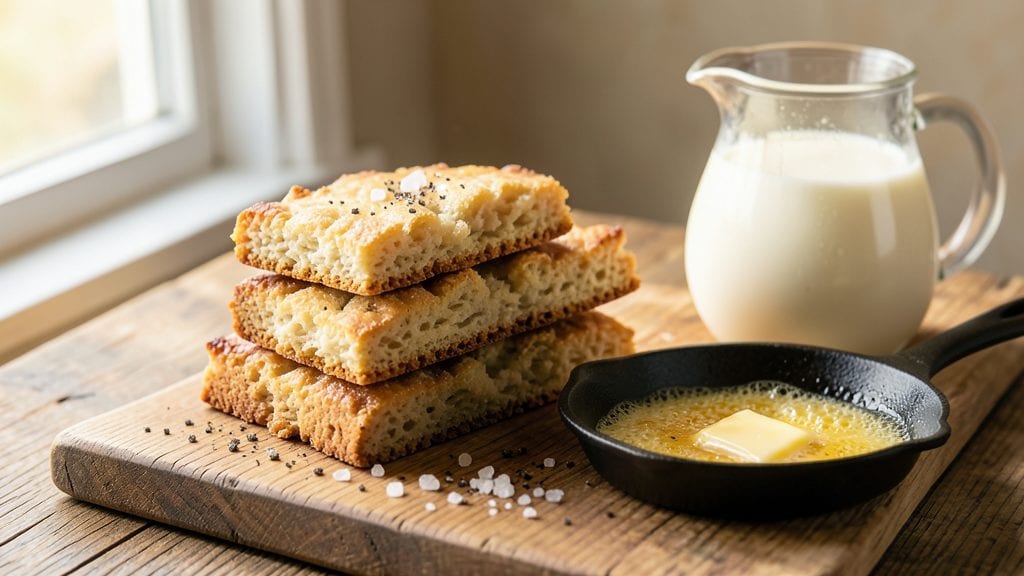
Creating flaky egg-free biscuits that rival traditional recipes is easier than you think—this method replaces yolks with a clever binding trick that delivers perfectly layered texture every time.
Standing on a step stool in my grandmother’s kitchen in Sicily, I learned how to coax tenderness from simple ingredients, and this recipe carries that same precision into a modern, egg-free approach.
The secret lies in a combination of plant-based milk and precise flour handling, ensuring those signature flakes without a single yolk.
What makes this recipe work is the cold butter cut-in technique, where chilled butter creates pockets of steam during baking, lifting the layers as they rise. I’ve tested this method countless times, and the results are consistently tender yet sturdy biscuits with a golden, crispy crust—no eggs required.
The dough comes together in just 10 minutes, and with a 15-minute bake, you’ll have warm, flaky biscuits ready to serve alongside gravy, butter, or jam.
The beauty of this recipe is its versatility—use it for breakfast, brunch, or as a side dish, and rest assured the texture will impress even those who swear by traditional biscuits. The key is patience during the mixing and shaping stages, but the payoff is worth it.
Whether you’re accommodating dietary restrictions or simply curious about egg-free baking, these biscuits prove that flaky layers aren’t dependent on yolks at all.
Once you try this method, you’ll never go back to recipes that rely on eggs for structure. The dough’s light, airy crumb and shatteringly crisp edges make it a standout, and the best part? It’s foolproof. Let’s get baking—your taste buds will thank you.
Ingredients for biscuit recipe no egg
Eight simple ingredients transform into golden, flaky biscuits—no eggs needed.
| Ingredient | Amount | Notes |
|---|---|---|
| All-Purpose Flour 🌾 | 3 cups | Sifted for light texture |
| Unsalted Butter 🧈 | 1 cup | Cold, cubed for cut-in |
| Unsweetened Almond Milk 🥛 | ½ cup | Cold, for binding |
| Diamond Crystal Kosher Salt 🧂 | 1 ½ tsp | Fine grain preferred |
| Baking Powder 🧪 | 2 tsp | Freshly opened |
| Ground Black Pepper 🌶️ | ½ tsp | Freshly cracked |
| Granulated Sugar 🍚 | 1 tbsp | For subtle sweetness |
| Fresh Rosemary 🌿 | 1 tbsp | Finely chopped, optional |
The all-purpose flour is your foundation—look for King Arthur or Bob’s Red Mill for the best texture. Unsalted butter is non-negotiable here; Plugrá or Land O’Lakes work perfectly when chilled. The almond milk might seem unusual, but it mimics the binding properties of eggs without adding richness. I always grab Silk or Califia Farms unsweetened versions—they’re consistent and reliable. Freshness matters with baking powder, so check the expiration date; Clabber Girl is my go-to brand. The rosemary adds a sophisticated touch, but skip it if you prefer classic flavor.
No almond milk? Oat milk or coconut milk work in a pinch, but they may slightly alter texture. Short on baking powder? Baking soda plus cream of tartar at half the amount does the trick. Want extra flakiness? Add 1 tbsp cold cornmeal to the flour. The sugar can be swapped for honey or maple syrup, but reduce to 1 tsp to avoid moisture. For a savory twist, omit the rosemary and add 1 tsp garlic powder—trust me, it elevates everything. The butter must stay cold; microwave it 20 seconds if it’s too soft, then let it cool on a plate.
Store baked biscuits in an airtight container at room temperature for 3 days, or freeze for 3 months. Reheat in a 350°F oven for 5-8 minutes to restore crispness. I like to portion dough into 12 equal pieces before baking—use a kitchen scale for precision. For extra flakiness, brush warm biscuits with melted butter right after baking. These reheat beautifully, so make a double batch—they disappear fast.
Why You'll Love This Recipe
- No-Fuss Mixing: I swear by the "cut-in" method here—just cold butter into flour until it looks like cornmeal, then pour in the almond milk and fold. No food processor, no stress, and the texture comes out flaky every single time.
- Butter Love: That cold butter gets baked into golden layers, while the almond milk keeps it tender without needing eggs. Honestly, the first bite of that crispy top with a buttery crumb? It’s the kind of thing that makes you pause mid-morning.
- Breakfast or Snack: Use them for gravy on a lazy weekend, slather with jam for a quick snack, or even as a burger bun. They reheat perfectly, so I keep a batch in the freezer for when I’m too tired to think.
- Budget-Friendly Staples: Flour, butter, and salt? You already have them. No weird ingredients, no last-minute grocery runs. And because they freeze so well, I make a double batch—half for now, half for when I forget to plan ahead.
Step-by-step instructions for flaky eggless biscuits
Here's how to achieve that signature flakiness without a single egg in your mix.
Prepare the Cold Butter and Dry Ingredients
First, cut the 1 cup unsalted butter into ½-inch cubes and place them in the freezer for 10 minutes to keep them firm. This cold butter is the secret to those delicate layers—if it melts too soon, you'll lose that signature flakiness. While the butter chills, sift together the 3 cups all-purpose flour, 2 teaspoons baking powder, 1.5 teaspoons diamond crystal kosher salt, 0.5 teaspoon ground black pepper, and 1 tablespoon granulated sugar in a large bowl. I like to use a fine-mesh sieve for the flour to avoid lumps, which can disrupt the texture.
Next, add the 1 tablespoon finely chopped fresh rosemary to the dry ingredients and whisk gently to distribute it evenly. The rosemary adds a subtle herbal note that pairs beautifully with the buttery richness. If you're sensitive to strong flavors, you can reduce this to ½ tablespoon—it's entirely up to your preference.
Cut in the Butter for Maximum Flakiness
Return the cold butter cubes to the bowl with the dry ingredients. Using a pastry cutter, fork, or your fingers, work the butter into the flour mixture until you achieve a texture resembling coarse crumbs with pea-sized butter pieces. This step is critical—you want the butter to stay in chunks so it can create steam pockets when baked, which is what gives biscuits their flaky layers. If the mixture starts to look like wet sand, add 1-2 ice cubes to keep everything cold.
Here's the thing—don't overwork the dough. Once the butter is evenly distributed, stop mixing. Overmixing develops gluten, which can make your biscuits tough instead of tender. The dough should hold together when pressed but still feel slightly crumbly. If it's too sticky, gently fold in a little more flour, but don't go overboard.
Add the Almond Milk and Form the Dough
Pour the ½ cup cold unsweetened almond milk into the bowl with the butter and flour mixture. Using a fork or your hands, gently stir until the dough just comes together. You're looking for a soft, shaggy dough that holds when pressed but still feels slightly rough. If the dough is too dry, add 1 teaspoon more almond milk at a time until it forms a cohesive mass. If it's too wet, sprinkle in 1 tablespoon of flour and mix gently.
Turn the dough out onto a lightly floured surface and knead it 2-3 times just to bring it together. You're not making bread here—minimal handling is key. The dough should be soft but not sticky. If it feels too firm, let it rest for 5 minutes while you preheat your oven to 425°F. This resting time allows the gluten to relax slightly, making it easier to roll out.
Roll and Cut for Perfectly Flaky Layers
Roll the dough out to a ½-inch thickness on a floured surface. I use a rolling pin, but you can also press it down gently with your hands if you're comfortable with that method. The goal is even thickness—this ensures your biscuits bake uniformly. If the dough starts to stick, dust your surface with more flour, but don't overdo it or your biscuits will taste like flour instead of butter.
Use a 2½-inch biscuit cutter to cut out the biscuits, pressing straight down without twisting. This creates clean edges that will seal properly during baking. Place the cut biscuits on a parchment-lined baking sheet, leaving ½ inch of space between each one. They'll expand as they bake, so you don't want them crowded. For extra flakiness, I like to gently brush the tops with a little more cold almond milk before baking—this creates a steam barrier that enhances those layers.
Bake Until Golden and Flaky
Bake the biscuits in the preheated 425°F oven for 12-15 minutes, or until they're golden brown on top and the edges are set. You'll know they're done when they sound hollow when tapped on the bottom. Don't overbake—eggless biscuits can dry out quickly, so pull them out as soon as they're golden. If you're unsure, cut one open to check the texture. The inside should look soft and slightly crumbly, with those beautiful flaky layers.
Let the biscuits cool on the baking sheet for 2 minutes before transferring them to a wire rack. This brief rest prevents them from falling apart when you move them. Serve them warm with honey butter, jam, or your favorite gravy. The rosemary adds a sophisticated touch, but if you prefer a classic flavor, simply omit it—they'll still be deliciously flaky and buttery.
Pro Tips For Making Biscuit Recipe No Egg
- CUT THE BUTTER COLD: DESCRIPTION: Use ice-cold butter straight from the fridge—no waiting for it to soften. I learned this the hard way after mixing dough that turned out greasy instead of flaky. The cold butter creates steam pockets that make these biscuits light, not dense.
- SALT THE ALMOND MILK: DESCRIPTION: Toss a pinch of kosher salt into the almond milk before mixing—it balances the blandness and cuts through the richness of the butter. I was skeptical until I tried it; now I can’t imagine skipping it.
- PRESS DON’T FOLD: DESCRIPTION: When stacking and cutting the dough, press straight down with the cutter instead of twisting. Twisting seals the edges and makes them tough. A firm, even press guarantees clean layers and a tender bite.
- CHILL THE DOUGH: DESCRIPTION: Let the dough rest in the fridge for 10–15 minutes before baking—yes, even if you’re impatient. This relaxes the gluten, so the biscuits rise evenly instead of spreading like pancakes. (Your future self will thank you.)
Storing and reheating this dish
Refrigerator Storage
Store your freshly baked egg-free biscuits in an airtight container at room temperature for up to 3 days—they’ll stay moist and flaky. I use glass Pyrex containers with snap-on lids to keep them fresh longer.
For extra protection, place a paper towel on top to absorb any moisture that might make them soggy. The rosemary flavor actually intensifies slightly over time, so they taste even better the next day. 🌿
Freezer Prep Tips
For long-term storage, freeze unbaked biscuit dough in 1-inch-thick rounds on a parchment-lined tray. Once frozen solid (about 1 hour), transfer to a freezer bag with all air removed. Bake straight from frozen at 425°F for 15-18 minutes, adding 2-3 minutes to the original time.
I like to portion dough into 12 equal pieces before freezing—just weigh each piece to 1.5 ounces for consistency. 🧊
Reheating Perfection
Revive stale biscuits by reheating in a 350°F oven for 5-8 minutes with a spritz of water on top. The steam restores crispness without drying them out. For microwave reheating, wrap biscuits in a damp paper towel and heat in 10-second bursts until warm.
I avoid microwaving when possible—oven reheating preserves that golden crust and flaky texture. 🔥
Make-Ahead Dough
Prepare the dough up to 24 hours ahead and store it in the fridge, wrapped tightly in plastic. Let it sit at room temperature for 10 minutes before rolling to prevent cracking.
This chilled dough develops more flavor overnight, and the butter stays perfectly cold for those perfect layers. I often make a double batch on Sundays for the week ahead. ⏰
Portion Control
For consistent results, portion dough into 12 equal pieces using a kitchen scale—each should weigh 1.5 ounces. This ensures even baking and prevents some biscuits from being denser than others.
I like to shape them into slightly irregular rounds for a rustic look, but keep the thickness uniform at ½ inch. Uneven thickness leads to uneven cooking. 📏
Crispy Finish Trick
After baking, brush warm biscuits with melted butter or olive oil while still on the baking sheet. This restores crispness if they’ve lost it during storage.
For extra flakiness, I also like to sprinkle flaky sea salt on top right after baking—it adds a sophisticated touch that pairs perfectly with honey or jam. 💫
Nutrition facts
Frequently asked questions
Why does this recipe use almond milk instead of eggs?
Almond milk acts as a natural binder without adding richness or altering the flaky texture. The cold fat in the milk mimics egg proteins' ability to hold the dough together while keeping the layers tender. For extra binding, you could also use ¼ cup aquafaba (chickpea brine) or 1 tablespoon ground flaxseed mixed with 3 tablespoons water.
Can I make these biscuits without rosemary?
The rosemary is optional and adds a subtle herbal note. For classic flavor, simply omit it. For other variations, try 1 teaspoon dried thyme or ½ teaspoon garlic powder—both complement the buttery richness beautifully. The core recipe works perfectly plain too.
What's the best way to fix dough that's too sticky?
If your dough feels too wet, sprinkle in 1 tablespoon flour at a time while gently mixing with a fork. Work just until combined—overmixing develops gluten and makes biscuits tough. For extra insurance, chill the dough for 10 minutes before rolling to firm it up.
Will these biscuits work for savory dishes?
Perfectly! These egg-free biscuits are ideal for savory applications. Brush warm biscuits with garlic butter and serve alongside chili, fried chicken, or roasted vegetables. The rosemary pairs especially well with savory dishes, but you can omit it entirely for a neutral base.
How do I know when the biscuits are fully baked?
Your biscuits are done when they're golden brown on top and sound hollow when tapped on the bottom. For extra certainty, cut one open—the inside should look soft with distinct flaky layers. Never overbake, or they'll dry out. Pull them out at the first sign of doneness!