
Breakfast & Brunch
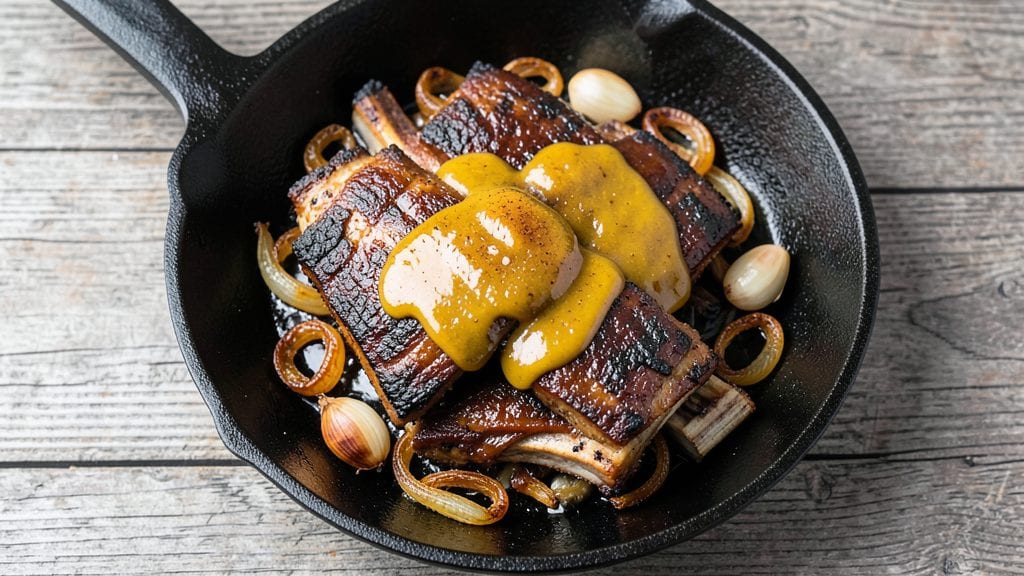
Cooking beef ribs in a Big Green Egg transforms tough cuts into melt-in-your-mouth perfection—all while harnessing the egg’s signature smoky heat and precise temperature control. The secret lies in low-and-slow cooking with indirect heat, where the ribs develop a deep, caramelized bark and tender, pull-apart texture.
I’ve perfected this method over countless weekends, ensuring every bite delivers that restaurant-quality tenderness without the guesswork.
This recipe delivers fall-off-the-bone results in just 3 hours, using a combination of dry rub, apple wood chips, and careful temperature management. The Big Green Egg’s insulated design keeps heat consistent, so you won’t waste time monitoring flames or adjusting vents.
Whether you’re a seasoned pitmaster or a weekend griller, this method guarantees success with minimal effort—just set it and let the egg do the work.
The ribs emerge with a glossy, dark mahogany crust and a juicy interior that practically dissolves at the touch of a fork. Pair them with classic sides like tangy baked beans or crisp coleslaw for a full meal that feels like a backyard feast.
The smoky aroma alone will have everyone gathering around the table, and the leftovers? Even better the next day.
Ready to master this technique? We’ll cover everything from trimming the ribs to managing the egg’s heat zones, so you can achieve professional-quality results every time. Let’s get started.
Ingredients for beef ribs big green egg
Four pounds of ribs, a handful of spices, and the Big Green Egg's magic heat.
| Ingredient | Amount | Notes |
|---|---|---|
| Beef Ribs (Baby Back) 🍖 | 4 lb | Bone-in, meaty ends trimmed |
| Yellow Mustard 🍯 | ¼ cup | For base coating |
| Brown Sugar 🍚 | ½ cup | Packed, light brown preferred |
| Smoked Paprika 🌶️ | 2 tbsp | For deep smoky flavor |
| Garlic Powder 🧄 | 1 tbsp | Freshly ground preferred |
| Onion Powder 🧅 | 1 tbsp | For sweet depth |
| Ground Black Pepper 🌶️ | 1 tbsp | Freshly cracked |
| Kosher Salt 🧂 | 1 tbsp | Diamond Crystal preferred |
| Apple Wood Chips 🌳 | 1 lb | Unsoaked, premium grade |
| Apple Cider Vinegar 🍎 | ¼ cup | For bark development |
| Beef Broth 🍲 | 1 cup | Low-sodium preferred |
| Charcoal Briquettes 🔥 | 20 lbs | Lump charcoal preferred |
| Aluminum Foil 📄 | 1 sheet | Heavy-duty, 18"x12" |
| Butter (Unsalted) 🧈 | ½ cup | Melted, for basting |
| Fresh Rosemary 🌿 | ¼ cup | Chopped, for aroma |
The ribs are the star—baby back cuts with meaty ends deliver the best balance of tenderness and flavor. Costco or Whole Foods carry premium cuts, but your local butcher can trim them perfectly. Look for good marbling (white flecks within the meat) and avoid cuts with excessive silver skin. The apple wood chips? Traeger or Cookshack sell the best quality—avoid the pre-soaked kind. Fresh rosemary from the grocery store's produce section adds that extra aromatic punch, but dried works in a pinch (use half the amount).
No smoked paprika? Regular paprika plus a pinch of liquid smoke gets you close. Short on apple wood chips? Cherry or hickory work too, but apple gives that classic BBQ sweetness. The beef broth can be bouillon powder mixed with hot water if you're in a hurry. For the bark, apple cider vinegar is key—it helps create that glossy, caramelized crust. If you don't have it, white vinegar at half the amount works. The butter for basting? Full-fat, unsalted is non-negotiable here—it adds richness and helps carry the flavors.
Store any leftover ribs in an airtight container with a paper towel to absorb moisture—keeps 3-4 days in the fridge. The dry rub mix? Store in a sealed jar for up to 3 months. I always make extra rub and keep it in my pantry for future smoky projects. The Big Green Egg's heat lingers, so clean the grill grate thoroughly after cooking to avoid flavor transfer. Wrap ribs tightly in foil before refrigerating to maintain moisture.
Why You'll Love This Recipe
- I’ll be real: baby back ribs aren’t cheap, but this recipe stretches them further than you’d think. The mustard and spices bulk up the flavor, so you’re not just feeding mouths—you’re feeding satisfaction.
- Big Green Egg Magic: The smoky-sweet aroma alone makes my kitchen feel like a backyard cookout. That rich brown sugar and smoked paprika blend? It clings to the ribs like a second skin, turning them into something restaurant-worthy without the fuss.
- One-Pan, Zero Stress: Honestly, this is the kind of recipe where I can set up in 10 minutes—just ribs, mustard, and spices on a sheet pan. The Big Green Egg does the rest while I sip my drink and pretend I’m not cooking.
- Tailgate-Ready Flexibility: Between us, these ribs are my go-to for game days, potlucks, or lazy Sundays. Double the batch, wrap them in foil, and they stay juicy for hours—no one even notices if I pull them out cold.
Step-by-step instructions for beef ribs on the Big Green Egg
Here's how to transform tough baby back ribs into fork-tender perfection using your Big Green Egg.
Prepare the Ribs and Seasoning
Start by removing the ribs from the refrigerator and letting them sit at room temperature for 30 minutes. This ensures even cooking. In a small bowl, combine 0.25 cup yellow mustard, 0.5 cup packed brown sugar, 2 tbsp smoked paprika, 1 tbsp garlic powder, 1 tbsp onion powder, 1 tbsp ground black pepper, and 1 tbsp kosher salt. Mix until the brown sugar dissolves completely and the mixture forms a thick paste.
Spread this seasoning mixture evenly over all sides of the ribs, pressing it into the meat so it adheres well. Place the ribs on a wire rack set over a baking sheet and refrigerate uncovered for 30 minutes. This step is crucial for developing flavor and creating that coveted bark. The mustard acts as a binder, while the brown sugar helps form a caramelized crust during cooking.
Set Up the Big Green Egg
While the ribs are resting, prepare your Big Green Egg by filling the charcoal chamber with 20 lbs charcoal briquettes. Arrange them in a pyramid shape with a small hole in the center for airflow. Place 1 lb apple wood chips on top of the charcoal. Close the lid and let the charcoal heat up for 15 minutes to establish a strong smoke base.
After 15 minutes, open the lid and check for blue smoke (not white steam). This indicates proper combustion. If needed, add a few more wood chips to maintain smoke throughout the cook. Once you see steady blue smoke, you're ready to cook. The apple wood adds subtle sweetness that complements the savory ribs beautifully.
Smoke the Ribs Low and Slow
Place the seasoned ribs on the cooking grate of your Big Green Egg, bone-side down. Close the lid and maintain a temperature of 225°F throughout the cook. This low-and-slow method is essential for achieving tender meat. You'll need to monitor the temperature closely, adding more charcoal as needed to maintain heat.
Smoke the ribs for 2 hours before adding any liquid. This initial dry smoke phase helps develop that dark, flavorful bark. After 2 hours, pour 0.25 cup apple cider vinegar and 1 cup beef broth into a small pan placed on the cooking grate. The vinegar helps tenderize the meat while the broth adds moisture and depth of flavor.
Wrap and Finish Cooking
After 2 hours of smoking, check the internal temperature of the ribs using a meat thermometer. If it hasn't reached 165°F yet, continue cooking. When the temperature reaches 165-170°F, you'll hit "the stall"—a period where the temperature stops rising. This is normal and expected.
At this point, wrap the ribs tightly in 1 sheet aluminum foil, sealing all edges completely. This technique, known as the "Texas crutch," helps the ribs overcome the stall while retaining moisture. Return the wrapped ribs to the Big Green Egg and continue cooking until the internal temperature reaches 203°F, which typically takes another 1.5 to 2 hours. The ribs should now be fork-tender and ready for serving.
Rest and Serve
Remove the ribs from the Big Green Egg and let them rest for 15 minutes before unwrapping. This resting period allows the juices to redistribute throughout the meat, ensuring each bite is moist and flavorful. While resting, melt 0.5 cup unsalted butter in a small saucepan over low heat. Stir in 0.25 cup chopped fresh rosemary and let it infuse for 2 minutes.
Unwrap the ribs and brush them generously with the rosemary butter. The butter adds richness and helps carry the flavors of the rosemary into the meat. Serve the ribs immediately, cutting them between the bones for easy access to the tender meat. Each bite should be succulent, with a perfect balance of smoky, sweet, and savory flavors.
Pro Tips For Making Beef Ribs Big Green Egg
- Trim the Fat First: Baby back ribs have that thick fat cap—don’t just leave it. Use kitchen shears to snip it down to about ¼-inch thick before cooking. I learned this the hard way after my first batch steamed instead of caramelized in the Green Egg, and the ribs ended up greasy rather than sticky-sweet.
- Mix Wet and Dry: Combine the yellow mustard, brown sugar, smoked paprika, and garlic powder before slathering it on the ribs. The sugar dissolves better this way, and the spices cling like glue. I used to just sprinkle them dry, and half the seasoning ended up on the grill grate instead of the meat.
- Wrap at 165°F: Don’t rush the wrap—wait until the ribs hit an internal temp of 165°F (about 2–2.5 hours in the Green Egg). Wrapping too early turns them mushy; too late, and you’ll fight dryness. I now set a timer for 160°F and check with a thermometer—no guesswork.
- Save the Mustard: Reserve 2 tablespoons of plain mustard for the final glaze. Brush it on after unwrapping and broil for 2–3 minutes. The acid cuts through the sugar’s richness and adds a bright finish. I skipped this once and regretted the one-note sweetness.
Serving suggestions for leftovers
Classic BBQ Sides
No ribs feast is complete without creamy baked beans—my go-to is a slow-cooked version with cinnamon, brown sugar, and a splash of molasses for depth.
I simmer 2 cans of navy beans with 1 cup BBQ sauce, 2 tbsp apple cider vinegar, and 1 tsp smoked paprika for 2 hours on the Big Green Egg’s side shelf. The smoky aroma from the ribs infuses the beans naturally. 🌶️
For a refreshing contrast, serve crisp apple slaw with a tangy dressing.
Toss 4 cups shredded green cabbage and 2 cups thinly sliced apples (like Honeycrisp) with 3 tbsp mayonnaise, 2 tbsp apple cider vinegar, 1 tbsp Dijon mustard, 1 tsp celery seed, and ½ tsp salt.
Chill for 30 minutes before serving to let flavors meld.
Bread and Butter Pairings
Warm cornbread muffins cut into wedges are perfect for soaking up the smoky juices. I use a Jiffy mix (or homemade with 1 cup cornmeal, 1 cup flour, 1 tbsp baking powder, and 1 egg) baked at 375°F for 15 minutes.
Brush the tops with melted butter and sprinkle with coarse sugar while hot. 🍞
For a heartier option, serve honey butter rolls—soft, pillowy dough brushed with ½ cup melted butter mixed with 2 tbsp honey and a pinch of cayenne. Bake at 350°F for 12-15 minutes until golden. These rolls elevate the meal with their buttery richness.
Drink Recommendations
A sweet tea with lemon slices and a hint of peppermint cuts through the richness of the ribs. Brew 4 tea bags in 4 cups hot water, sweeten with ½ cup sugar, and add 2 tbsp lemon juice and 2 drops peppermint extract.
Serve over ice for a refreshing sip. 🍹
For beer lovers, a craft IPA like Fat Tire Amber Ale (from New Belgium) complements the smoky-sweet flavors. The hoppy bitterness balances the ribs’ richness, while the caramel notes echo the apple wood smoke. Keep it cold—40°F or below—to enhance the experience.
Garnish and Finishing Touches
Before serving, garnish the ribs with chopped fresh rosemary and a drizzle of honey for a sweet-savory finish. The rosemary adds an aromatic touch, while the honey enhances the caramelized bark. I also sprinkle flaky sea salt (like Maldon) over the top for a pop of texture.
For a showstopper presentation, arrange the ribs on a wooden board with wilted arugula as a bed. The greens add color contrast, making the ribs look even more inviting. Serve family-style so everyone can dig in together—ribs are meant to be shared! 🍽️
Nutrition facts
Frequently asked questions
Can I use pork ribs instead of beef ribs in this Big Green Egg recipe?
The technique works for pork ribs, but you’ll need to adjust cooking time and temperature. Pork ribs cook faster—aim for 225°F for 2.5 hours (instead of 3) and wrap them at 190°F internal temp instead of 165°F. Pork ribs are more forgiving, but monitor closely to avoid drying out.
Why does my Big Green Egg struggle to stay at 225°F?
This usually happens when the lid isn’t sealed properly or airflow is inconsistent. Check for gaps in the gasket, and adjust the vents—start with the top vent ½ open and bottom vent ¼ open. Use lump charcoal (not briquettes) for better heat retention, and avoid opening the lid too often during the cook.
What’s the best way to reheat leftover ribs in the Big Green Egg?
Wrap the ribs in aluminum foil with a splash of apple cider vinegar and beef broth, then reheat at 275°F for 15-20 minutes. The foil traps moisture, and the vinegar revives the bark. Never reheat uncovered—it dries out the meat quickly. For extra flavor, add a few fresh wood chips during reheating.
Can I substitute apple wood chips for another type of wood?
Yes, but choose wisely! Cherry or hickory work well for a stronger smoky flavor, while pecan adds a sweeter note. Avoid mesquite or oak—they can overpower the ribs. If using a different wood, soak the chips for 30 minutes to prevent flare-ups, and use ½ lb instead of 1 lb to match the apple wood’s mild profile.
How do I know when the ribs are done without a meat thermometer?
Look for these cues: The ribs should pull apart easily when you gently tug the meat near the bone, and the bark should be dark mahogany with slight charring. The meat should also spring back very slowly when pressed with tongs (like jelly). If in doubt, cook 30 minutes longer—beef ribs are hard to overcook with this method.