
Breakfast & Brunch
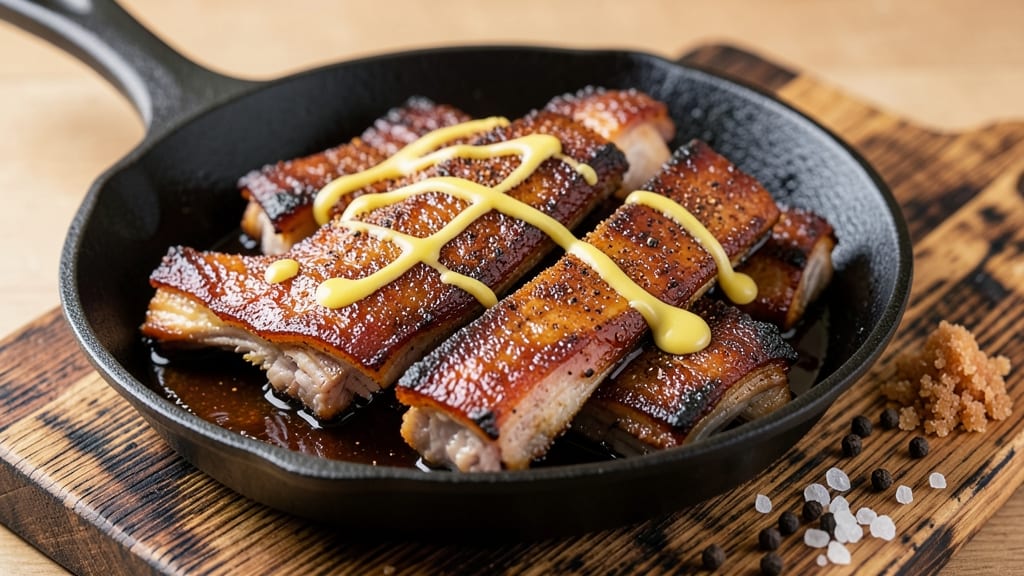
Mastering Big Green Egg baby back ribs transforms backyard cooking into a smoky, tender masterpiece that rivals any restaurant. The key lies in precise temperature control and indirect heat—techniques that unlock that coveted fall-off-the-bone tenderness while building a deep, caramelized bark.
I’ve perfected this method over countless cookouts, ensuring every rib delivers restaurant-quality results without the guesswork.
The secret starts with a proper charcoal setup: a two-zone fire for indirect heat that maintains 225°F consistently. Baby back ribs benefit from a dry rub applied generously, letting the spices penetrate while the meat rests before hitting the heat.
This isn’t just about time—it’s about patience, as the ribs slowly transform from tough cuts into melt-in-your-mouth perfection over 3 to 4 hours.
By the time you’re ready to serve, the ribs will have developed a glossy, dark bark that cracks under gentle pressure, revealing juicy layers beneath. The meat should pull away cleanly from the bone, signaling it’s reached its peak.
Slicing against the bone ensures each bite stays intact, and a final spritz of apple cider vinegar or a dusting of smoked paprika elevates the flavor profile to new heights.
This recipe isn’t just about the cooking—it’s about the experience. Whether you’re hosting a summer gathering or treating yourself to a solo cookout, these ribs deliver smoky, tender satisfaction that turns every meal into an event. Let’s get started on creating ribs that will have everyone asking for seconds.
Ingredients for big green egg baby back ribs
Four pounds of meat, a handful of spices, and the perfect Big Green Egg setup.
| Ingredient | Amount | Notes |
|---|---|---|
| Baby Back Ribs 🍖 | 4 lb | Bone-in, meaty ends included |
| Yellow Mustard 🍯 | ¼ cup | For adhesive base layer |
| Smoked Paprika 🌶️ | ¼ cup | High-quality for deep color |
| Brown Sugar 🍚 | ¼ cup | Light or dark preferred |
| Kosher Salt 🧂 | ¼ cup | Diamond Crystal preferred |
| Black Pepper 🌶️ | 1 tbsp | Freshly cracked for bite |
| Garlic Powder 🧄 | 1 tbsp | Freshly ground preferred |
| Onion Powder 🧅 | 1 tbsp | Finely milled for even distribution |
| Apple Cider Vinegar 🍎 | ½ cup | For final spritz (optional) |
| Charcoal Briquettes 🔥 | 20 lb | Lump charcoal preferred |
| Apple Wood Chips 🍎 | 1 package | For smoky flavor infusion |
| Aluminum Foil 📄 | 1 sheet | Heavy-duty for wrapping |
| Water 💧 | ½ cup | For dampening rub |
The ribs are the star—look for baby backs with a thick layer of fat along the bone line, which translates to juicier results. Costco or local butcher shops often carry the best quality, but don’t overlook the meat section at Walmart or Kroger for budget-friendly options. If you can’t find lump charcoal, Kingsford briquettes work fine, though lump burns hotter and adds a more natural smoke. The apple wood chips? Traeger or Butcher’s Broom brands deliver consistent, aromatic smoke—avoid the pre-soaked kind, as they burn too quickly and create excess moisture.
No smoked paprika? Sweet paprika plus a pinch of liquid smoke gets you close, though the flavor won’t be identical. Running short on brown sugar? White sugar plus a splash of molasses mimics the depth. For the mustard base, Dijon mustard adds a tangier kick, while yellow mustard keeps it classic. If you’re short on time, skip the apple cider vinegar spritz—just dust with extra smoked paprika for that restaurant-quality finish. The rub can be made a day ahead and stored in an airtight container, so there’s no last-minute prep stress. Just remember: wet your fingers when applying the rub to help it stick better.
The ribs will keep in the fridge for 2 days before cooking, but plan ahead—this isn’t a last-minute meal. Once cooked, they reheat beautifully wrapped in foil with a splash of apple juice for 3-4 days. For leftovers, slice against the bone and store in portions for easy sandwiches or salads. The rub itself? Freeze any extras in ice cube trays for future BBQs—just thaw before using. And if you’re cooking for a crowd, double the batch and use two racks to maintain even heat distribution.
Why You'll Love This Recipe
- One-Pan Magic: I swear by this method—just ribs, a quick rub of smoked paprika and brown sugar, and a slather of yellow mustard. No basting, no flipping, no stress. The Big Green Egg handles the work while I sip lemonade.
- Sweet-Smoky Crunch: That caramelized crust? Pure satisfaction. The smoked paprika and brown sugar team up to create a sticky, crackly exterior that falls apart at the touch, while the mustard keeps it bright and tangy. It’s the kind of flavor that makes people ask for seconds before dessert.
- Tailgate Ready: Honestly, this is my go-to for game days, BBQs, or when friends drop by unannounced. The ribs cook through in about 2 hours, leaving me time to set up the cooler or grill burgers. Plus, they reheat like a dream—no dryness, just juicy perfection.
- Budget-Friendly Feast: Between us, baby back ribs aren’t cheap, but this recipe stretches them further than you’d think. The mustard and spices make every bite taste like a splurge, and leftovers? They’re even better the next day—ideal for lunchboxes or a lazy Sunday brunch. Smart, right?
Step-by-step instructions for smoky Big Green Egg baby back ribs
Master these techniques and you'll achieve ribs with a perfect bark and melt-in-your-mouth tenderness every time.
Prepare the Ribs and Create the Dry Rub
Remove the baby back ribs from the package and pat them dry thoroughly with paper towels. You want them completely dry so the rub adheres properly and creates that coveted bark. I like to work in batches if they're still cold from the fridge—room temperature ribs cook more evenly.
In a medium bowl, combine the 0.25 cup yellow mustard, 0.25 cup smoked paprika, 0.25 cup brown sugar, 0.25 cup kosher salt, 1 tablespoon black pepper, 1 tablespoon garlic powder, and 1 tablespoon onion powder. Mix well until the mustard is completely incorporated and the spices are evenly distributed. This mustard-based rub serves as both an adhesive and flavor foundation.
Generously coat the ribs with the dry rub, pressing it into every crevice and bone. The mustard helps it stick better than a traditional dry rub alone. I use my hands for this—it's more thorough than a brush. Once coated, place the ribs on a wire rack set over a baking sheet and refrigerate uncovered for at least 1 hour (or up to 24 hours). This resting period allows the rub to penetrate the meat and develop deeper flavor.
Set Up the Big Green Egg for Indirect Heat
While the ribs rest, prepare your Big Green Egg. Fill the charcoal chimney with 20 pounds of lump charcoal briquettes and light them according to the manufacturer's instructions. Once the coals are fully ignited and producing clean blue flames (not white or orange), distribute them evenly in the bottom half of the Egg, leaving the top half empty for indirect heat.
Add the 1 package of apple wood chips to the hot coals and let them smoke for 5-10 minutes until you see thin, blue smoke filling the Egg. This is your signal that the wood is producing flavorful smoke. The ribs will cook in this indirect heat zone, allowing them to cook slowly and evenly without burning.
I like to use a meat probe thermometer inserted into the thickest part of the ribs to monitor temperature. Preheat the Egg until the internal temperature reaches 225°F—this ensures consistent cooking once you add the ribs. The smoke should be gentle but noticeable, filling the Egg with that irresistible aroma.
Smoke the Ribs Low and Slow
Once the Egg reaches 225°F and you have that steady smoke, carefully place the ribs on the grill grates in the indirect heat zone. Close the lid and resist the urge to peek—every time you open it, you lose 15-20 minutes of cook time and heat. The ribs will need about 3-4 hours to reach an internal temperature of 195-203°F, depending on their size and your Egg's heat retention.
Around the 2-hour mark, I check for the "stall"—when the internal temperature stops rising despite the ribs continuing to cook. This happens because moisture is evaporating, creating a barrier. When you notice this, it's time to wrap the ribs in 1 sheet of heavy-duty aluminum foil with a light spritz of 0.5 cup apple cider vinegar mixed with 0.5 cup water. This technique, known as the "Texas crutch," helps push the ribs through the stall while maintaining moisture.
Return the wrapped ribs to the Egg and continue cooking until they reach 203°F internally. The probe should slide in like butter with no resistance. This is your signal that the ribs are fall-off-the-bone tender. The bark should be dark and crispy, with a beautiful smoke ring just beneath the surface.
Rest and Serve for Maximum Juiciness
Remove the ribs from the Egg and let them rest on a cutting board for 15-20 minutes before serving. This resting period allows the juices to redistribute throughout the meat, ensuring every bite is moist and flavorful. I know it's tempting to cut into them immediately, but patience here makes all the difference.
To serve, slice the ribs between each bone, cutting through the meat but leaving the bones intact. Arrange them on a platter and drizzle with any accumulated juices from the foil packet. The ribs should be tender enough to pull apart with a gentle tug, with a crispy, smoky bark that contrasts beautifully with the melt-in-your-mouth meat.
Serve with classic barbecue sides like coleslaw, cornbread, or baked beans. The ribs will continue to steam slightly, keeping them warm and juicy for at least 30 minutes after serving. This method guarantees ribs that are tender, smoky, and packed with flavor—exactly what you're after for your Big Green Egg cook.
Pro Tips For Making Big Green Egg Baby Back Ribs
- CRANK THE HEAT FIRST: Your Green Egg can’t handle 500°F, but start as hot as it’ll go—this sears the ribs fast and locks in juices before the long cook. After 15 minutes, drop to 225°F (yes, even if the ribs aren’t brown yet). I learned this the hard way—rushing the low-and-slow phase leaves them dry.
- SALT THE RIB RACKS BEFORE SEASONING: Generously coat the ribs with kosher salt before brushing on yellow mustard or sprinkling smoked paprika. Let them sit uncovered in the fridge for at least 30 minutes (or overnight if you’re patient). This isn’t just for flavor—it breaks down proteins for tender ribs, and the crust sticks better.
- SKIP THE CROWDED GREEN EGG: Your Green Egg’s heat zone is small. If you stack ribs or cram them in too tight, the center stays cold and the edges burn. Arrange them in a single layer, bone-side down, with space between racks. Trust me, I’ve seen ribs turn to shoe leather from overpacking.
- USE THE MUSTARD SPARINGLY: That yellow mustard isn’t just for glaze—it’s a binder for the dry rub. Brush it on lightly (about 1 tablespoon per rack) after seasoning, then pat it dry with a paper towel. Wet mustard makes the rub slide off, and you’ll end up with a sticky mess instead of a crisp crust.
Make-ahead tips for this big green egg baby back ribs
Prep Ahead
Start your dry rub the night before—mix all ingredients in an airtight container and store at room temperature. This saves time and lets flavors meld. I like to pre-portion the mustard base separately so it doesn’t dry out.
The ribs themselves can rest in the fridge for 24 hours with the rub applied, enhancing flavor penetration. 💡
Charcoal Prep
Set up your charcoal the evening before if possible. Fill the chimney with 20 pounds of lump charcoal and light it, then let it burn down to ash stage (gray embers).
Store the cooled coals in a metal bucket with a lid—this keeps them ready for quick ignition the next day. I’ve found this cuts my cook time by 30 minutes on busy weekends. 🔥
Slow Smoke Timeline
For a full day of cooking, start the ribs in the morning and use the "Texas crutch" wrap at lunch. This staggered approach lets you monitor the stall without rushing.
If you’re short on time, aim for 203°F internal temp by early afternoon, then rest and serve. The ribs will stay warm for hours while you enjoy other dishes. ⏰
Leftovers Strategy
Slice ribs against the bone and store in airtight containers with a splash of apple cider vinegar. They reheat beautifully wrapped in foil at 300°F for 15 minutes.
For sandwiches, keep the meat separate until serving to maintain crispiness. I portion leftovers into quart-sized containers for easy grab-and-go meals. ❄️
Equipment Prep
Clean your Big Green Egg thoroughly after each use—scrape off debris and store the grill grates with a wire brush. Keep your meat probe thermometer calibrated and a spare foil sheet handy.
I also pre-measure all wood chips and store them in a sealed bag to maintain freshness. This prep ensures your next cookout starts smoothly. 💪
Flavor Boost
Make a simple apple cider glaze ahead of time by simmering 1 cup apple cider vinegar, 2 tbsp brown sugar, and 1 tsp smoked paprika for 5 minutes.
Brush this on ribs during the last 30 minutes of cooking for extra shine and tang. Store the glaze in the fridge until ready to use. 🍎
Nutrition facts
Frequently asked questions
Why does my Big Green Egg struggle to maintain 225°F for ribs?
The Egg's dome shape creates heat pockets. Use 20 pounds of lump charcoal in a two-zone fire, with coals only on one side. Check for drafts near vents, and avoid opening the lid—each peek drops internal temp by 15-20°F. A meat probe thermometer in the thickest rib helps monitor consistency.
Can I use store-bought BBQ sauce instead of the dry rub?
While possible, it won’t create the same deep bark or texture. The mustard-based rub forms a flavorful crust during cooking. For sauce lovers, brush on 1-2 tablespoons during the last 30 minutes of cooking instead. Try a vinegar-based sauce to complement the smoky profile.
What’s the best way to slice Big Green Egg ribs for serving?
Always cut between the bones, not across them. Use a sharp knife to slice through the meat while leaving bones intact. For sandwiches, pull meat apart with tongs—this preserves the crispy bark. Serve with a side of tangy coleslaw to cut through the richness.
How do I fix ribs that cooked too fast and dried out?
If ribs hit 203°F too quickly, wrap them in foil with 0.5 cup apple cider vinegar and 0.5 cup water immediately. Return to the Egg for 30-45 minutes to rehydrate. For extra moisture, baste with beef broth during the last hour. The "Texas crutch" method prevents this in future attempts.
What’s the secret to getting that perfect smoky bark?
The bark forms from a combination of indirect heat, apple wood smoke, and the mustard-based rub. Maintain 225°F for 3-4 hours without wrapping, and avoid peeking at the ribs. The bark should be dark, crispy, and crack when pressed—this signals ideal doneness.