
Breakfast & Brunch
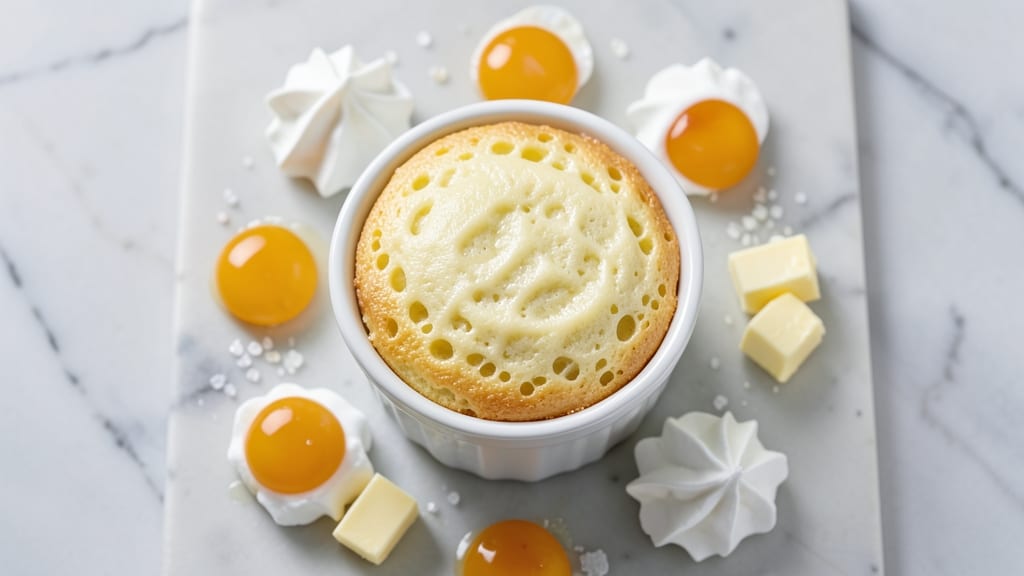
Mastering a basic egg souffle recipe starts with precision—whisked eggs, gentle heat, and timing that transforms simple ingredients into something magically light. This isn’t just dessert; it’s a lesson in patience, where every degree and minute matters for that signature rise.
I’ve perfected this technique after years of trial (and collapse), so you won’t end up with a sad, flat pancake in a ramekin.
The secret lies in the whites: whipped to stiff peaks at room temperature, then folded with yolks and seasonings just enough to keep the air intact. Baking at 375°F for 15–20 minutes ensures a golden crust while the center stays silky—no rubbery texture here.
This recipe delivers restaurant-quality results with just 6 ingredients and 20 minutes of active work, plus 10 minutes of baking.
What you’ll achieve is a soufflé that rises dramatically, then holds its shape with a crisp exterior and custardy interior—no sagging, no deflating. The texture is what makes it special: airy yet rich, delicate yet sturdy enough to slice.
Serve immediately with a dusting of powdered sugar or fresh berries for a breakfast or dessert that feels indulgent.
Fair warning: soufflés demand respect. The oven must be preheated, ramekins must be buttered and floured, and the door should never be opened mid-bake. But when it works—when that dome holds perfectly—it’s worth every careful step. Let’s get started on your first successful rise.
Ingredients for basic egg souffle
Six ingredients transform into restaurant-worthy soufflés with perfect rise and silky texture.
| Ingredient | Amount | Notes |
|---|---|---|
| Large Eggs 🥚 | 8 whole | Room temperature for best volume |
| Granulated Sugar 🍚 | ¼ cup | Superfine preferred for smooth texture |
| Unsalted Butter 🧈 | ½ cup | Cold, cubed for ramekin preparation |
| All-Purpose Flour 🌾 | 1 tbsp | For dusting ramekins thoroughly |
| Vanilla Extract 🌸 | ½ tsp | Pure Madagascar for authentic flavor |
| Salt 🧂 | ¼ tsp | Diamond Crystal kosher preferred |
| Powdered Sugar 🍚 | 2 tbsp | For final dusting only |
| Fresh Berries 🍓 | ½ cup | Optional garnish, sliced strawberries |
The eggs are non-negotiable—use large, fresh eggs from the middle of the carton for consistent quality. Room temperature is critical; cold eggs won't whip properly. For sugar, superfine dissolves instantly, but regular granulated works if pulsed in a food processor first. Penzeys or Whole Foods carry the best vanilla extract—avoid imitation. The butter must be cold when cubing ramekins; softened butter creates soggy bottoms. Flour should be sifted through a fine-mesh sieve to eliminate lumps that can weigh down the soufflé. Diamond Crystal kosher salt dissolves cleanly without graininess.
No vanilla extract? Almond extract at half the amount works in a pinch, though it alters the flavor profile. Substitute powdered sugar with sifted confectioners' sugar—cornstarch-free for best results. For garnish, fresh berries add elegance, but toasted nuts or citrus zest provide savory alternatives. The key to folding is gentle, deliberate strokes—overmixing deflates the whites. If your kitchen lacks a thermometer, test egg whites by touching the bowl: it should feel warm to the touch but not hot. Trader Joe's often carries pre-sifted flour and superfine sugar, saving prep time.
Prep ramekins in advance: butter generously, then dust with flour, tapping out excess. Store ramekins upside-down in the fridge until ready to use. Whipped egg whites hold their volume for 15–20 minutes at room temperature—no longer. Leftover egg whites? Freeze in ice cube trays for future meringues. Soufflés must be served immediately—they deflate rapidly. For make-ahead planning, bake in greased, floured ramekins with a water bath (place ramekins in a larger baking dish filled halfway with hot water), then reheat briefly at 350°F for 5–7 minutes before serving.
Why You'll Love This Recipe
- No Fancy Tools Needed: I swear by this—just a bowl, a whisk, and a preheated oven. The eggs and butter come together in minutes, and the flour just thickens things up without overpowering. Honestly, my soufflé looks like it’s from a bakery, but I’m standing there in my pajamas the whole time.
- That Crispy-Creamy Magic: The sugar caramelizes on the edges while the inside stays light and airy—it’s the kind of contrast that makes you close your eyes. A splash of vanilla ties it all together, so it’s sweet but not cloying, rich but not heavy. (Yes, even on a Tuesday night.)
- Breakfast or Dessert?: Serve it warm with a drizzle of honey for breakfast, or dust it with powdered sugar for a quick dessert. I’ve even packed it in lunchboxes—it holds up surprisingly well. The flour gives it structure, so it doesn’t deflate like I feared it would.
- Pantry Staples Only: You’re already buying these ingredients, so this recipe costs next to nothing. A dozen eggs, a stick of butter, a bag of flour—no specialty items, no markup. And if you make a double batch? Leftovers reheat beautifully, or you can freeze the batter for spontaneous soufflés later. My secret weapon for lazy Sundays.
Step-by-step instructions for light-as-air egg soufflé
Mastering soufflé requires precision and patience—here's how to achieve perfect rise and silky texture every time.
Separate Eggs and Whip Yolks to Ribbon Stage
Begin by separating the 8 whole large eggs into yolks and whites at room temperature. Place yolks in a heatproof bowl set over a saucepan of simmering water (double boiler). Add 0.25 cup granulated sugar, 0.5 cup unsalted butter cut into cubes, 0.5 teaspoon vanilla extract, and 0.25 teaspoon salt to the yolks.
Whisk the yolk mixture constantly over medium-low heat until it thickens to a pale, creamy consistency that coats the back of a spoon—about 5-7 minutes. This ribbons stage is critical; the mixture should leave visible trails when whisked. Remove from heat immediately to prevent overheating, which would curdle the eggs.
Incorporate Flour and Whip Egg Whites to Stiff Peaks
Strain the warm yolk mixture through a fine-mesh sieve into a separate bowl to remove any cooked bits. Gently fold in 1 tablespoon all-purpose flour using a spatula, being careful not to deflate the air incorporated during cooking. This creates a stable base for the soufflé structure.
In a separate, spotlessly clean bowl, beat the egg whites with an electric mixer on high speed until soft peaks form. Gradually add 2 tablespoon powdered sugar while whipping, continuing until the whites form glossy, stiff peaks that hold their shape when the whisk is lifted. This step requires patience—under-whipped whites won't provide enough lift, while over-whipped whites become dry and brittle.
Fold Whites Into Yolk Mixture Gently
Using a rubber spatula, carefully fold one-third of the whipped egg whites into the yolk mixture in three additions. Change to a spatula and gently fold the remaining whites until just combined—no more than 15 strokes. This technique preserves the air incorporated into both components, ensuring maximum rise. Avoid overmixing; the batter should resemble thick, pale ribbon candy.
Real talk: This is where most soufflés fail. If you see deflation or streaks of white, you've overmixed. The batter should be smooth with no visible lumps, but still hold its shape when spooned onto a plate. Your oven should be preheated to 350°F while you work—every minute counts for proper rise.
Prepare Ramekins and Bake Immediately
Lightly butter 4 ramekins (about 6-ounce size) and dust thoroughly with 1 tablespoon all-purpose flour, tapping out any excess. Divide the batter evenly among the ramekins, filling each about two-thirds full. Smooth the tops with a spatula and place the ramekins on a baking sheet.
Bake in the preheated oven for 15-18 minutes until the soufflés have risen to nearly double their original size and are golden brown at the edges. The center should still appear slightly soft—this is normal and indicates proper cooking. Opening the oven door too early causes collapse, so resist the temptation to peek until the time is up.
Serve Immediately with Fresh Berries
Remove the soufflés from the oven and serve immediately, as they begin deflating within minutes. Dust generously with 2 tablespoon powdered sugar and garnish with 0.5 cup sliced fresh berries for color and acidity. The texture should be light, airy, and custard-like with a delicate crust at the edges.
For best results, serve each portion directly from the ramekin to preserve the dramatic presentation. If you must refrigerate, do so immediately after baking and reheat briefly in a 325°F oven for 5-7 minutes—though nothing compares to the fresh-from-oven experience. The berries add a bright contrast to the rich, buttery custard, balancing the sweetness perfectly.
Pro Tips For Making Basic Egg Souffle
- WHISK EGGS COLD: Pull the eggs straight from the fridge—room temperature eggs lose volume faster when folded. I used to rush this, and my soufflés would collapse like sad pancakes. Give the yolks and whites 10 minutes in the fridge before separating, and don’t overbeat the whites once you start.
- MELT BUTTER SLOW: Use low heat to melt the butter for the ramekins—just enough to coat the bottom. High heat burns it fast, and burned butter tastes like regret. If you’re impatient, melt it in the microwave for 20 seconds, then stir and let it cool slightly before adding to the eggs.
- SIFT FLOUR FIRST: Sift the flour into the egg mixture before folding in the whites—this prevents lumps that kill the lightness. I learned this the hard way after scraping half my soufflé off the ramekin walls. A fine sieve or even a fork works in a pinch, but don’t skip it.
- BAKE UNTIL SET: Pull the soufflés when the outside is golden but the center still jiggles slightly—it’ll finish cooking while you plate. Overbaking dries them out, and underbaking leaves them sad and wobbly. If you’re nervous, use an instant-read thermometer: 160°F at the center is perfect.
Dietary considerations for basic egg souffle
Gluten-Free Adaptations
Soufflés are naturally gluten-free, but the flour used to coat ramekins must be swapped for gluten-free all-purpose flour blends like King Arthur Measure for Measure or Bob's Red Mill 1-to-1. Dust ramekins generously with 2 tablespoons gluten-free flour, tapping out excess to prevent clumping.
The texture remains identical when using quality blends, but avoid almond or coconut flour—they can add grittiness. 🌾
Dairy-Free Options
Replace butter with vegan butter (like Miyoko's or Earth Balance) and use coconut cream instead of heavy cream for richness. The custard base will still set beautifully, though the flavor shifts slightly toward tropical notes.
For extra stability, add 1 teaspoon cornstarch to the yolk mixture before folding in the whites. Test your oven's heat distribution—dairy-free versions can sometimes brown faster.
Egg Allergy Workarounds
For those avoiding eggs, a chickpea flour soufflé is a clever alternative. Whisk 1 cup chickpea flour with 1 cup water, 2 tablespoons olive oil, and 1 teaspoon baking powder until smooth.
Fold in 1 cup whipped coconut cream (chilled) and proceed with the same baking method. The texture will be denser but still impressive. Always use certified egg-free facilities for safety.
Lower-Carb Modifications
Cut carbs by eliminating sugar entirely and using erythritol or monk fruit sweetener instead. For the yolk mixture, reduce sugar to 1 tablespoon and increase vanilla to 1 teaspoon.
The soufflé will still rise but with a subtler sweetness. Pair with raspberries or blackberries for natural fruit sweetness. Keep portions to ½ cup per serving to maintain low-carb benefits.
Nut-Free Considerations
If nut allergies are a concern, skip nut-based flour substitutes and stick to certified gluten-free blends. For extra stability, add 1 teaspoon xanthan gum to the yolk mixture before folding in the whites.
Xanthan gum mimics gluten's binding properties without adding flavor. Always check labels on all ingredients—even vanilla extract can sometimes be processed in nut facilities.
Vegetarian-Friendly Tips
This recipe is already vegetarian, but for vegan versions, use aquafaba (chickpea brine) to replace egg whites. Whip ½ cup aquafaba with 1 teaspoon apple cider vinegar until stiff peaks form, then fold into the dairy-free yolk mixture.
The texture will be slightly denser but still impressive. For best results, use a stand mixer—hand whisks struggle with aquafaba's viscosity. 💡
Nutrition facts
Frequently asked questions
Why do my egg soufflés always collapse?
Most collapses happen from opening the oven door too early or overmixing the egg whites. The batter needs to set for 15-18 minutes at 375°F without interruption. Also, ensure your egg whites are whipped to stiff peaks and folded gently—overmixing deflates the air bubbles. Preheat your oven thoroughly and avoid placing ramekins on cold trays.
Can I make egg soufflés ahead of time?
Soufflés must be served immediately after baking—they begin deflating within minutes. For make-ahead prep, bake the soufflés in greased ramekins with a water bath (place ramekins in a baking dish filled halfway with hot water). Cool completely, refrigerate for up to 2 hours, then reheat briefly at 325°F for 5-7 minutes before serving.
What’s the secret to getting that perfect golden crust?
The golden crust comes from baking at 375°F until the edges are just set but the center remains soft. Use a dark-colored baking sheet to help conduct heat evenly. Brush the tops with a little melted butter before baking for extra browning, or sprinkle with a pinch of sugar for caramelization. Avoid overbaking—soufflés should be served immediately when they’ve nearly doubled.
How do I fix under-whipped egg whites?
If your egg whites don’t hold stiff peaks, they won’t provide enough lift. Start over with fresh whites—whisk them in a spotlessly clean bowl (even grease can prevent proper whipping). Add a pinch of cream of tartar to stabilize them, and whip on high speed until glossy and firm. For best results, use room-temperature eggs and avoid overfilling the bowl (whisking capacity matters!).
Can I use a different flavor in this recipe?
Swap vanilla for almond extract, lemon zest, or chocolate (melted and cooled). For savory variations, omit sugar and add herbs like thyme or parsley, cheese, or smoked paprika. The key is balancing flavors—start with ½ teaspoon of your chosen extract or spice and adjust to taste.