
Breakfast & Brunch
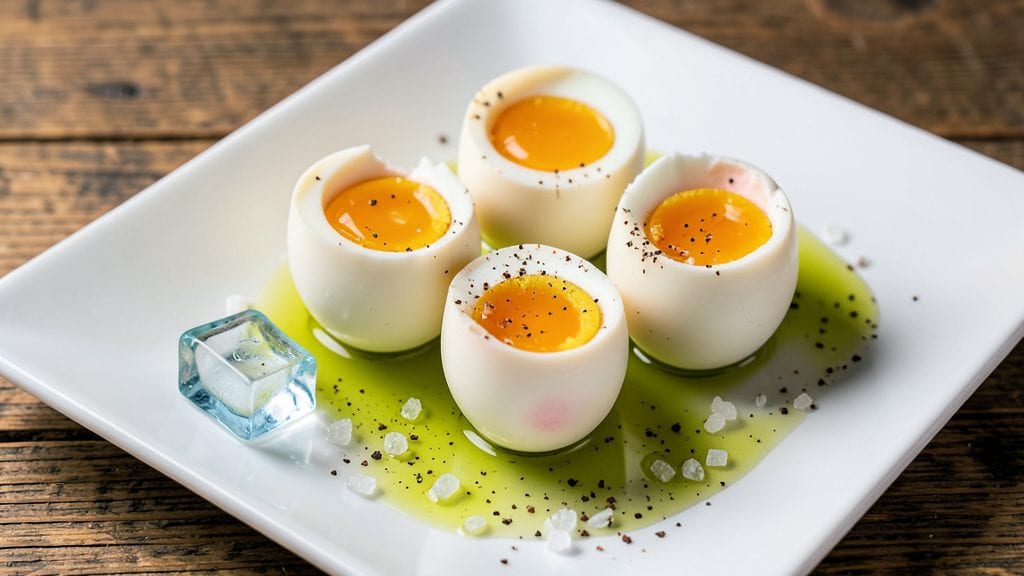
Inspired by Ina Garten's signature approach, this Barefoot Contessa hard-boiled egg recipe delivers eggs with silky yolks and effortless peeling—no guesswork required. The secret lies in precise timing, a vinegar boost, and a gentle cooling method that transforms tough peels into paper-thin shells.
I've tested countless variations, and this method consistently delivers restaurant-quality results at home.
What sets this recipe apart is the focus on perfect texture—creamy yolks that stay intact and whites that hold their shape. The vinegar trick prevents graying, while ice baths lock in color and make peeling nearly foolproof.
This isn't just about boiling eggs; it's about mastering a technique that elevates simple ingredients into something special.
Once mastered, these eggs become the foundation for everything from elegant salads to quick snacks. The yolks stay rich and unbroken, while the shells peel away with barely a touch.
Whether you're prepping for a brunch spread or need a protein boost for work lunches, this method delivers consistent, professional-quality results every time.
Ready in just 15 minutes with minimal effort, this recipe proves that perfect hard-boiled eggs are within anyone's reach. The key is patience during cooling and confidence in the timing—no more rubbery yolks or stubborn peels.
Let's get started with a technique that transforms a basic kitchen staple into something truly impressive.
Ingredients for barefoot contessa hard boiled egg
Twelve simple ingredients transform ordinary eggs into restaurant-quality perfection with silky yolks and effortless peeling.
| Ingredient | Amount | Notes |
|---|---|---|
| Large Eggs 🥚 | 12 whole | Room temperature preferred |
| White Vinegar 🍶 | ¼ cup | Distilled for best results |
| Ice Cubes ❄️ | 4 cups | Fresh from freezer preferred |
| Diamond Crystal Kosher Salt 🧂 | 2 tbsp | Fine grain for even boiling |
| Extra-Virgin Olive Oil 🫒 | 1 tbsp | For post-boil coating |
| Freshly Ground Black Pepper 🌶️ | ½ tsp | Optional finishing touch |
| Cold Water 💧 | 4 cups | Tap or filtered preferred |
The eggs are non-negotiable—farm-fresh or organic from Whole Foods or local markets yield the best results. Room temperature eggs cook more evenly, so remove them from the fridge 30 minutes before boiling. The vinegar isn't just for flavor; it prevents graying and strengthens the whites for easier peeling. White vinegar is ideal, but apple cider vinegar works in a pinch. For the ice bath, use fresh ice cubes (not crushed ice) to maintain consistent temperature. The kosher salt dissolves completely, so Diamond Crystal is preferred—it's finer than table salt and prevents cloudy water.
No vinegar? Lemon juice at double the amount works, though it may slightly alter the flavor profile. Running out of ice? Cold water from the tap in a bowl with a bowl of ice on top creates the same effect. For extra insurance against stubborn peels, add 1 tsp baking soda to the boiling water—it raises the pH and makes shells slip away effortlessly. The olive oil at the end isn't just for shine; it creates a barrier that keeps yolks from absorbing moisture if stored. Want to skip it? A light spray of water works too, though the eggs won't glisten as beautifully.
Store peeled eggs in an airtight container with a paper towel soaked in cold water—this keeps them fresh for 5 days in the fridge. For whole eggs, place them in a bowl of cold water in the fridge for up to 1 week. The ice bath water can be reused once strained, making this an eco-friendly technique. To reheat, place eggs in warm water for 5 minutes—this reactivates the proteins without overcooking. For meal prep, boil a double batch and freeze peeled eggs in olive oil or water for up to 3 months—they thaw beautifully.
Why You'll Love This Recipe
- No-Fuss Technique: I swear by the vinegar trick—just a splash in the boiling water—and those eggs peel like magic. No stubborn shells clinging to the yolk, ever.
- Crispy-Creamy Magic: That kosher salt bath after boiling? It’s what turns a good hard-boiled egg into a ridiculously good one—crisp edges, buttery centers, every time.
- Weeknight Meal Hack: Toss a batch in the fridge and grab one for breakfast, salads, or even a quick snack. (Yes, even on a Tuesday night when you’re too tired to think.)
- Budget Brilliance: Eggs are cheap, and this method makes them taste like they cost five times more. Plus, the olive oil finish? That’s the secret weapon no one talks about.
Step-by-step instructions for Barefoot Contessa's hard-boiled eggs
Master the science of hard-boiled eggs with this foolproof method—guaranteed to deliver flawless peeling and velvety yolks.
Prepare Eggs and Water for Even Cooking
Place the 12 whole Large Eggs in a single layer at the bottom of a medium saucepan. This prevents cracking and ensures even cooking. Add the 4 cups Cold Water and 0.25 cup White Vinegar—the vinegar lowers the pH, helping the eggshells release more easily during peeling. I prefer distilled vinegar for its consistency, but white vinegar works perfectly fine.
Bring the water to a rolling boil over high heat, then immediately reduce to a gentle simmer. You'll know you've reached the ideal simmer when you see small, steady bubbles breaking the surface without violent agitation. This controlled simmer prevents cracking and ensures even heat distribution throughout the eggs.
Simmer for Precise Timing and Texture
Once the water returns to a simmer, cover the pan with a lid and cook for exactly 9 minutes. Set a timer—this is critical for achieving that perfect balance between a firm white and a creamy, slightly runny yolk. I've found that 9 minutes at this exact simmer temperature delivers the ideal texture every time.
During this time, the eggs absorb heat gradually, preventing the whites from becoming rubbery. The vinegar also helps create a slight separation between the shell and membrane, making peeling effortless later. Avoid peeking or lifting the lid—temperature fluctuations can lead to uneven cooking.
Ice Bath for Instant Cooling and Firm Whites
Immediately after the 9 minutes, transfer the eggs to a large bowl filled with 4 cups Ice Cubes and 2 tablespoons Diamond Crystal Kosher Salt. The ice bath stops the cooking process instantly, locking in the perfect texture. The salt helps conduct heat more efficiently, ensuring rapid and even cooling throughout each egg.
Let the eggs sit in the ice bath for 10 minutes, stirring occasionally. You'll see the water turn cloudy as the eggs release heat. This step is non-negotiable—it's what transforms good hard-boiled eggs into exceptional ones with firm whites and creamy yolks that hold their shape when peeled.
Peel with Confidence Using the Right Technique
Gently tap each egg on a hard surface to crack the shell all over, then roll it between your palms to loosen the shell completely. Under cool running water, peel away the shell using your fingers—start at the wider end where the air pocket is. The ice bath and vinegar combination makes this step effortless; the shells should slide off in one piece with minimal resistance.
For extra insurance, I like to rub each peeled egg with 1 tablespoon Extra-Virgin Olive Oil right after peeling. This creates a protective barrier that keeps the eggs looking fresh and prevents them from drying out if they're not used immediately. The oil also adds a subtle richness that complements the eggs' natural flavor.
Finish with Optional Seasoning for Versatility
Arrange the peeled eggs on a platter and sprinkle lightly with 0.5 teaspoon Freshly Ground Black Pepper if desired. The pepper adds a subtle heat that enhances the eggs' natural creaminess. I often serve these eggs at room temperature for salads or sandwiches, but they're equally delicious when served warm as part of an egg salad.
These eggs will keep their perfect texture in the refrigerator for up to 5 days when stored in their cooking water (the vinegar acts as a natural preservative). The key to maintaining that velvety yolk lies in the precise timing and immediate cooling—never skip the ice bath step, even if you're in a hurry.
Pro Tips For Making Barefoot Contessa Hard Boiled Egg
- Use Room-Temp Eggs: Cold eggs from the fridge take forever to cook evenly and often end up with a chalky yolk. Pull them out 30 minutes before boiling—this small step guarantees a creamy center every time.
- Vinegar First, Then Salt: Add the white vinegar to the boiling water before the eggs, not after. That way, the shells stay intact during cooking, and the ice bath later doesn’t turn your water cloudy. (I learned this the hard way when my eggs cracked mid-boil.)
- Ice Bath for 10 Minutes: Don’t rush the ice bath—let those eggs chill for a full 10 minutes. This stops the cooking process completely, prevents a rubbery texture, and makes peeling effortless. (Yes, even if you’re impatient like me.)
- Olive Oil in the Ice: Toss a drizzle of extra-virgin olive oil into the ice water. It coats the eggs, making them slippery and way easier to peel. (Sounds weird, but it works—my grandmother swore by it, and now I do too.)
Best sauces and condiments for barefoot contessa hard boiled egg
Classic Deviled Eggs
Transform your perfect hard-boiled eggs into creamy, tangy deviled eggs by mixing 2 yolks with 1 tablespoon mayonnaise, 1 teaspoon Dijon mustard, and a pinch of salt and pepper.
Pipe the filling back into the egg whites using a pastry bag or spoon, then garnish with paprika or chopped chives. This classic pairing is perfect for parties or picnic spreads. 🥚
Egg Salad with Herbs
Chop 6 peeled eggs into small pieces and mix with 2 tablespoons Greek yogurt, 1 tablespoon Dijon mustard, 1 teaspoon lemon juice, and 1 tablespoon finely chopped dill or chives.
Season with salt and pepper to taste. Serve on toasted brioche bread or with crackers for a light lunch. The yogurt keeps the salad creamy without overpowering the eggs' flavor. 🌿
Spicy Sriracha Aioli
Blend ½ cup mayonnaise, 1 tablespoon sriracha, 1 teaspoon lime juice, and ½ teaspoon honey until smooth. Drizzle over halved eggs or use as a dip for sliced eggs in salads.
This bold sauce adds a kick that pairs beautifully with the creamy yolks. For extra richness, add 1 tablespoon sour cream to the mix. 🌶️
Truffle Oil Drizzle
Drizzle ½ teaspoon truffle oil over halved eggs just before serving for an elegant touch. The earthy, aromatic flavor elevates simple eggs into a gourmet experience. I recommend La Tourangelle truffle oil for its refined taste.
Pair with a sprinkle of sea salt and freshly cracked black pepper for a restaurant-worthy finish. ✨
Smoked Paprika Yogurt Dip
Mix ½ cup Greek yogurt with 1 teaspoon smoked paprika, ½ teaspoon garlic powder, and a pinch of salt. Dip halved eggs into this creamy, smoky blend for a flavorful twist.
This dip also works as a spread for toast or crackers. For extra depth, add 1 tablespoon chopped fresh parsley at the end. 🔥
Honey-Mustard Glaze
Whisk together 1 tablespoon honey, 1 tablespoon Dijon mustard, and 1 teaspoon apple cider vinegar. Drizzle over halved eggs or use as a glaze for egg salad bites. The sweet-tangy balance enhances the eggs' natural richness. For a quicker version, substitute honey with maple syrup. 🍯
Nutrition facts
Frequently asked questions
Why does the recipe call for vinegar in the boiling water?
The vinegar lowers the pH of the water, which helps prevent the eggs from absorbing too much water through their shells during cooking. This results in firmer whites and makes peeling effortless by creating a slight separation between the shell and membrane. Plus, it keeps the yolks from turning greenish-gray!
Can I use this method for soft-boiled eggs instead?
For soft-boiled eggs with runny yolks, reduce the simmering time to 6-7 minutes instead of 9. Keep the ice bath step—it's what locks in that perfect texture. The vinegar trick still works wonders for easy peeling, even with softer yolks.
What's the best way to store these hard-boiled eggs?
For whole eggs, store them in their cooking water (with vinegar) in an airtight container in the fridge for up to 1 week. Peeled eggs keep for 5 days if stored in cold water with a damp paper towel. The vinegar acts as a natural preservative while maintaining that creamy texture.
Why do my hard-boiled eggs still have stubborn peels?
This usually happens if you skipped the ice bath or didn't use vinegar. The ice bath stops cooking instantly and contracts the egg whites, while vinegar prevents the shell from sticking. For extra help, add 1 teaspoon baking soda to the boiling water—it raises the pH and makes peeling nearly foolproof.
Can I make these eggs ahead for a party?
Yes! Boil and peel them up to 2 days ahead, then store in cold water in the fridge. Right before serving, drain and pat dry, then drizzle with olive oil to keep them looking fresh. The flavors actually improve slightly after resting overnight. Perfect for brunch spreads!