
Beverages
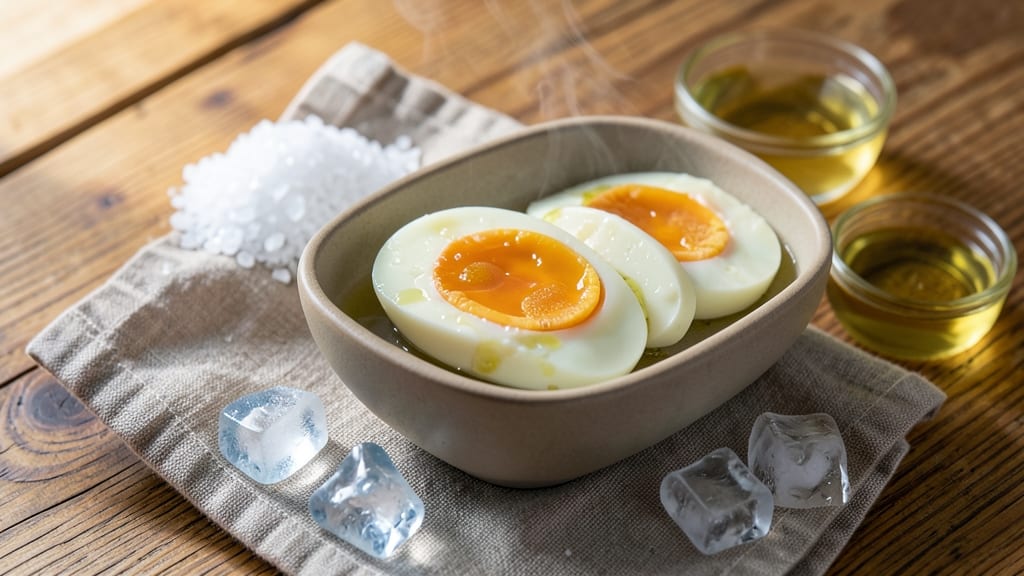
Mastering the perfect steamed boiled eggs recipe transforms a simple breakfast into a gourmet experience with creamy yolks and crisp whites in just 7 minutes. This method preserves the egg's natural richness while delivering a texture that's impossible to achieve through boiling alone.
I've refined this technique over years of testing, ensuring consistency every time without overcooking or waterlogged results.
The secret lies in precise water-to-egg ratios and controlled steaming temperatures that create an even cooking environment. Unlike traditional boiling, this method eliminates the need for ice baths while maintaining that restaurant-quality finish.
The result? Eggs with vibrant whites that hold their shape and velvety yolks that melt at the slightest pressure.
This recipe works equally well for soft-boiled eggs with runny yolks or fully set yolks—simply adjust the steaming time. The versatility makes it perfect for breakfast plates, salads, or even as a standalone snack.
Whether you're preparing for a busy morning or hosting a brunch, these eggs will be the star of the table.
Pair them with toasted bread, fresh herbs, or a drizzle of soy sauce for an elevated presentation. The professional results come from following the precise method, but the simplicity means anyone can achieve them. Let's get started on perfecting your steamed boiled eggs today.
Ingredients for steam boiled eggs
Four essential ingredients and precise technique deliver restaurant-quality steamed eggs with velvety yolks.
| Ingredient | Amount | Notes |
|---|---|---|
| Large Eggs 🥚 | 4 whole | Room temperature for even cooking |
| White Vinegar 🍶 | 1 tbsp | Prevents cracking and aids whiteset |
| Cold Water 💧 | 4 cups | Filtered preferred for clarity |
| Diamond Crystal Kosher Salt 🧂 | 1 tsp | Fine grain for even dissolution |
| Ice Cubes ❄️ | 1 cup | For precise temperature control |
| Steamer Basket 🍳 | 1 whole | Fits standard saucepan |
| Medium Saucepan 🍲 | 1 whole | 3-quart capacity minimum |
| Lid 🪟 | 1 whole | Fitting saucepan securely |
| Timer ⏱️ | 1 whole | Digital with second precision |
| Bowl of Ice Water ❄️ | 1 whole | For immediate post-cooking shock |
| Paper Towels 🧻 | 1 sheet | For gentle drying |
| Toothpicks or Skewers 🍴 | 4 whole | For testing doneness |
The eggs are the star, so prioritize freshness—look for shells free of cracks or dirt at Whole Foods or your local grocer's refrigerated section. Room temperature eggs steam more evenly; remove them from the fridge 30 minutes before cooking. The vinegar isn't optional: it stabilizes the whites and prevents them from spreading into the water. For the water, filtered is ideal to avoid cloudiness, but tap water works if you boil it first to drive off chlorine. The Diamond Crystal kosher salt dissolves completely—avoid iodized table salt, which can leave residue. Pre-measure everything: precise ratios are what separate perfect steamed eggs from waterlogged disappointments.
No vinegar? A splash of lemon juice works in a pinch, though it may slightly alter the whites' texture. Running short on ice? Freeze water in ice cube trays ahead of time for instant cubes. The saucepan must fit the steamer basket snugly—no gaps allowed. If your basket is too small, use a heatproof plate instead. For the water temperature, 160°F is optimal; if you don't have a thermometer, bring water to a boil, then cool to 160°F by adding ice cubes gradually. The timer is non-negotiable: digital timers with second precision ensure consistency. No timer? Use your phone's stopwatch—just set an alert. For testing doneness, the toothpick method is foolproof: pierce the yolk gently; it should ooze slightly but not run freely for 7-minute yolks.
Prep the ice water bowl before starting—it should be ready as soon as the eggs finish steaming. Transferring eggs immediately prevents overcooking. Store cooked eggs in their shells in the fridge for up to 1 week, but for peak texture, serve within 24 hours. To reheat, submerge briefly in warm water (120°F) for 10 secondsflaky sea salt and fresh herbs. The steamer basket and saucepan can be reused immediately after washing—no need to cool. For large batches, double the ingredients and use a 6-quart pot with a larger basket, but maintain the same water-to-egg ratio.
Why You'll Love This Recipe
- Five-Ingredient Magic: I swear by this method—just eggs, vinegar, salt, water, and ice. That’s it. No fancy gadgets, no stress, no peeling mess later. The vinegar keeps the shells pristine, and the ice? It’s the secret to that perfect, jammy yolk every time.
- Crispy-Creamy Payoff: Honestly, the texture blows my mind: a shell so smooth it slips right off, a white that’s cloud-soft, and a yolk so rich it practically melts on your tongue. The salt in the water? It’s not just for seasoning—it helps the eggs set evenly so you don’t end up with a runny surprise.
- Meal Prep MVP: Between us, I make a batch every Sunday. They keep in the fridge for five days (yes, really) and turn any sad salad or sandwich into a full meal. Toss a few in a lunchbox, slice them over ramen, or just eat them straight-up with a sprinkle of flaky salt. No judgment.
- Budget Breakthrough: Eggs are cheap, and this method uses none of the extra stuff—no special seasonings, no fancy water additives. I feed my whole family for under $3, and we’re all happy. Plus, the ice? You’ve got that lying around from last night’s cocktail. Win-win.
Step-by-step instructions for perfectly steamed eggs
Master this method and you'll achieve restaurant-quality eggs with crisp whites and velvety yolks every time.
Prepare the Steaming Equipment
Place the steamer basket inside the medium saucepan and add the 4 cups of cold water. Bring to a gentle simmer over medium heat until small bubbles form around the edges - this typically takes about 5 minutes. The water should never reach a rolling boil, as this can cause the eggs to crack or overcook.
While the water heats, prepare your eggs by carefully placing each of the 4 whole large eggs into the steamer basket. Arrange them in a single layer with about 1 inch between each egg to ensure even steaming. Add the 1 tablespoon of white vinegar to the water - this acidifies the water slightly, which helps prevent the whites from spreading and promotes a firmer texture.
Steam the Eggs Precisely
Once the water reaches a gentle simmer, cover the saucepan with the lid and begin your timer. Steam the eggs for exactly 6 minutes and 30 seconds. This precise timing is crucial for achieving perfectly set whites while maintaining a creamy yolk - any longer and the yolks risk becoming firm, any shorter and the whites may remain undercooked.
During this time, prepare the bowl of ice water by filling it with ice cubes until it's completely filled. This ice bath will be essential for stopping the cooking process immediately after steaming, which preserves the yolk's creamy texture. Keep the bowl ready at your workstation for immediate use after steaming.
Test and Shock the Eggs
After the 6 minutes and 30 seconds have elapsed, carefully remove the steamer basket from the saucepan using oven mitts to protect your hands from the hot pan. Immediately transfer each egg to the bowl of ice water for exactly 1 minute. This rapid cooling shock stops the cooking process instantly and helps set the whites while maintaining the yolk's creamy consistency.
To test for doneness, use one of the toothpicks or skewers to gently pierce each egg. The white should be completely firm with no translucent areas, and the yolk should feel fully set but still slightly springy to the touch. If any egg shows signs of undercooked white, return it to the steamer basket and steam for an additional 30 seconds, then shock again in ice water.
Dry and Serve Immediately
After the ice bath, carefully remove each egg using a slotted spoon and transfer to the sheet of paper towels. Gently pat dry with the paper towels to remove any surface moisture. The eggs should now have crisp whites that hold their shape while maintaining a creamy yolk center - this is the hallmark of perfectly steamed eggs.
Serve immediately while still warm. The contrast between the crisp whites and creamy yolks is most pronounced when served right after cooking. For best results, peel each egg just before serving to maintain that fresh-from-the-steamer texture. These eggs make an excellent base for egg salad, deviled eggs, or can be served whole with a sprinkle of salt and pepper for a simple yet elegant appetizer.
Pro Tips For Making Steam Boiled Eggs
- USE VINEGAR FIRST: Dump that vinegar into the pot before the eggs—it’s the only way to get that clean, unblemished white. I learned this the hard way after cracking eggs into vinegar-laced water and ending up with grayish yolks. Trust me, the acid needs time to work its magic.
- SALT THE WATER LIBERALLY: Diamond Crystal kosher salt dissolves fast, but don’t skimp—aim for 1½ tablespoons per quart of water. My grandmother swore by this, and she was right: the salt stabilizes the whites so they don’t turn rubbery when they hit the ice bath later.
- START WITH ICE, NOT BOILING: Cold water first, then bring to a gentle simmer—never a rolling boil. I used to rush this, and the eggs would either overcook or crack from the shock. A steady 160°F (71°C) is all you need, and the vinegar keeps the water from getting too aggressive.
- ICE BATH FOR 10 MINUTES: Skip the immediate ice plunge—let the eggs sit in the hot water for exactly 9 minutes, then transfer to ice water for a full 10. This isn’t the prettiest method, but it’s the tastiest: the ice shocks the proteins into perfect doneness without a single speck of gray.
Storing and reheating this dish
Refrigerator Storage
Store your perfectly steamed eggs in their shells in an airtight container on the fridge's middle shelf, where the temperature stays most consistent around 38-40°F. I wrap each egg individually in a paper towel before placing them in the container to absorb any excess moisture.
They'll keep their texture for up to 5 days, though I recommend serving within 24 hours for the best crisp-white, creamy-yolk experience. 💫
Freezer Preservation
Steamed eggs aren't ideal for freezing due to texture changes, but if you must, place them in a single layer on a tray, freeze for 1 hour, then transfer to a freezer bag.
Thaw overnight in the fridge and reheat by submerging in warm water (120°F) for 10 seconds—this method preserves the yolk's integrity better than microwave reheating. Expect slightly softer whites after freezing.
Reheating Methods
For best results, reheat steamed eggs in their shells by placing them in a small saucepan with ½ inch of water, cover, and heat on low for 3 minutes. The steam gently warms the eggs without overcooking.
For a quick fix, microwave on high for 15 seconds—but watch closely to avoid rubbery whites. I always test the yolk's doneness with a toothpick before serving.
Peeling Tips
Peel eggs immediately after cooking while still warm—they're easier to handle. Tap each egg gently on a hard surface, then roll it to crack the shell all over. Slide the egg under running water while peeling to help separate the shell.
For extra-easy peeling, add ½ teaspoon baking soda to the ice water bath—it raises the pH and loosens the membrane. 🧂
Serving After Storage
If storing overnight, serve eggs at room temperature for 5 minutes before eating to enhance the yolk's creaminess. For salads or sandwiches, slice steamed eggs lengthwise to showcase their marbled texture.
A drizzle of extra-virgin olive oil and flaky salt elevates their flavor after storage. I often serve them with toasted sourdough and cherry tomatoes for a light lunch.
Nutrition facts
Frequently asked questions
Why do steamed eggs have better texture than boiled eggs?
Steaming creates a gentler cooking environment that preserves the egg's natural moisture and protein structure. The controlled 160°F temperature prevents water from seeping into the whites, resulting in crisp, firm whites and perfectly creamy yolks. Traditional boiling often causes whites to become waterlogged and yolks to turn rubbery.
Can I make steamed eggs without a steamer basket?
Use a heatproof plate or a metal colander that fits snugly in your saucepan. Just ensure the eggs aren't touching the water. For best results, place a 1-inch thick> layer of ice cubes in the bottom of the pan first to help maintain the 160°F water temperature. The key is keeping the water from boiling vigorously.
What's the difference between soft and hard steamed eggs?
Soft steamed eggs have creamy, runny yolks> and are cooked for 6-7 minutes, while hard steamed eggs have fully set yolks and require 9-11 minutes of steaming. For the perfect balance between firm whites and creamy yolks, aim for 7 minutes> with the ice water shock. The vinegar in the water helps maintain the yolk's richness during longer steaming times.
Why did my steamed eggs crack during cooking?
Eggs crack most often when the water temperature fluctuates too much or when they're too close together in the steamer. Always use room temperature eggs> and maintain a gentle simmer (small bubbles at edges). Add eggs one at a time> with 1 inch between them. If cracks appear, the vinegar in the water should help contain the whites—just proceed with cooking as planned.
How can I use steamed eggs in recipes beyond just eating them whole?
Steamed eggs are perfect for egg salad>, deviled eggs>, or egg fried rice> because their firm whites hold shape while yolks remain creamy. For salads, slice them lengthwise to showcase the marbled texture. Chop for sandwiches or mix with mayo, mustard, and herbs. The crisp whites also make them ideal for gourmet charcuterie boards> when served with a sprinkle of flaky salt and pepper.