
Beverages
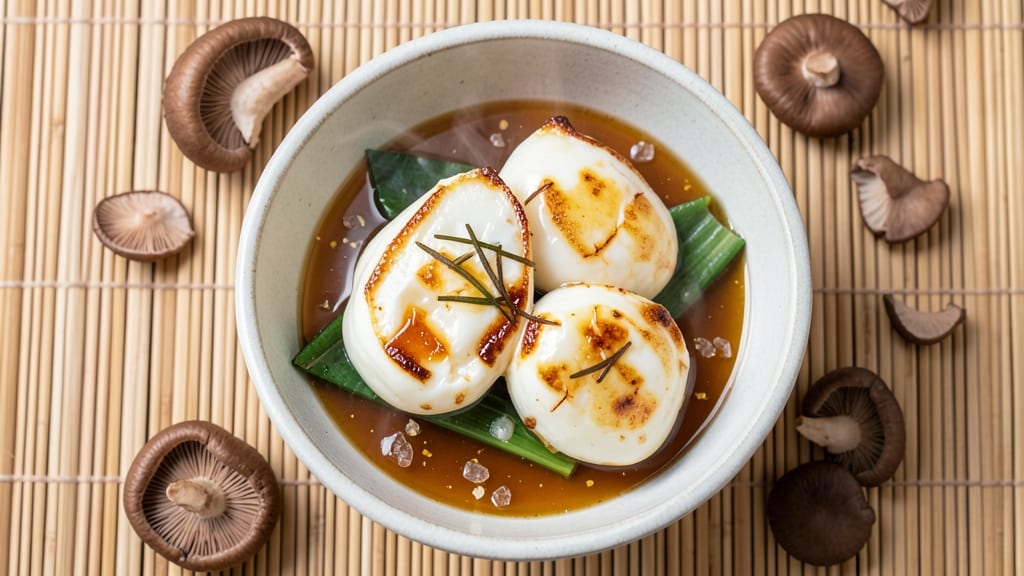
Mastering this Asian steamed egg recipe transforms simple eggs into a luxurious, silky custard with layers of herbal umami—just like in Japanese chawanmushi. The secret lies in precise steaming and a delicate balance of soy, mirin, and dashi, creating a dish that’s both elegant and deeply satisfying.
I’ve perfected this technique after years of testing, ensuring every bite delivers that signature tender texture and savory depth.
What sets this recipe apart is its versatility—whether you prefer a classic savory version with mushrooms and shrimp or a lighter vegetarian take with tofu and scallions. The custard achieves its signature silky consistency through gentle steaming, while the aromatic fillings infuse flavor without overpowering the eggs.
This dish is perfect for brunch, light lunches, or impressing guests with minimal effort.
The result is a golden, jiggly custard that melts in your mouth, encasing delicate fillings in a cloud of herbal richness. Garnished with fresh herbs or a drizzle of soy glaze, it’s a dish that balances sophistication with approachability.
Ready in just 20 minutes, it’s ideal for weeknight dinners or special occasions where you want restaurant-quality results without the fuss.
For those new to steaming, don’t worry—this method is foolproof once you understand the key steps: proper liquid ratios, controlled heat, and patience. The variations are endless, from adding ginger and shiitake to experimenting with sweet fillings like red bean paste.
Whether you’re serving it as a side or the main event, this recipe will elevate your table effortlessly.
Ingredients for asian steamed egg
Six eggs, aromatic herbs, and delicate fillings transform into restaurant-quality chawanmushi.
| Ingredient | Amount | Notes |
|---|---|---|
| Large Eggs 🥚 | 6 whole | Room temperature preferred |
| Vegetable Dashi Stock 🍜 | 2 cups | Homemade or quality store-bought |
| Dry White Wine 🍷 | ¼ cup | Sake or dry sherry works too |
| Soy Sauce 🍶 | 2 tbsp | High-quality, reduced-sodium preferred |
| Mirin 🍶 | 1 tbsp | Sweet cooking wine essential |
| Fresh Shiitake Mushrooms 🍄 | 4 whole | Sliced thin, stems removed |
| Silken Tofu 🧀 | 8 oz | Soft, cut into small cubes |
| Green Onions 🧅 | 4 whole | White and green parts separated |
| Fresh Ginger 🌿 | 1 tbsp | Finely grated, aromatic |
| Sesame Oil 🫒 | 1 tsp | Toasted sesame for aroma |
| Extra-Virgin Olive Oil 🫒 | 1 tsp | For drizzling on top |
| Diamond Crystal Kosher Salt 🧂 | ½ tsp | Fine grain for delicate seasoning |
| Fresh Parsley 🌿 | ¼ cup | Chopped, for garnish |
The eggs are the foundation—use large, room-temperature eggs for the silkiest texture. Trader Joe's or Whole Foods carry high-quality vegetable dashi stock, but homemade is ideal (just kombu and shiitake). For the mushrooms, fresh shiitake from an Asian market delivers the best umami, but dried rehydrated works in a pinch. The silken tofu should be soft and unpressed—Natto brand is my go-to. Ginger matters here: freshly grated (not paste) adds that bright herbal note without overpowering.
No mirin? Substitute 1 tbsp sugar plus 1 tbsp dry white wine—it won’t be identical, but close. Running out of shiitake? Cremini mushrooms at double the amount work surprisingly well. The tofu can be swapped for extra-firm tofu pressed for 20 minutes, but texture will differ. For the green onions, scallions from the Asian aisle have more delicate flavor. Sesame oil is non-negotiable—Kadoya brand is worth the splurge for authentic aroma. The olive oil on top? High-quality extra-virgin prevents the custard from becoming greasy.
Prep the fillings first—grate ginger and slice mushrooms while eggs heat to save time. The custard reheats beautifully—steam for 5-7 minutes to restore that jiggly texture. Keeps 3 days refrigerated in sealed containers, but best served fresh. For make-ahead, assemble and refrigerate overnight, then steam straight from the fridge. Garnish with parsley right before serving—fresh herbs brighten the dish.
Why You'll Love This Recipe
- No-Chop Needed: I swear by this—just crack eggs, pour liquid, steam. Zero prep, zero fuss. The dashi and mirin do all the work while you sip your morning coffee.
- Umami Bomb: That combo of soy, mirin, and white wine? It’s like a flavor explosion in your mouth. Silky eggs with a savory-sweet depth that’ll make you reach for another slice.
- Leftover Hero: Steamed eggs reheat like a dream—microwave or pan-fry, they’re still tender. Pack them for lunch or serve them cold over rice when you’re too tired to cook.
- Budget Magic: Eggs are cheap, stock is cheap, wine and mirin stretch far. Honestly, this feeds four for under $5 and still feels fancy enough for guests. (Yes, even on a Tuesday night.)
Step-by-step instructions for Asian steamed egg custard
Here's how to create a luxurious steamed egg with velvety texture and layered flavors.
Prepare the Steaming Base
Combine the 2 cups vegetable dashi stock, 0.25 cup dry white wine, 2 tablespoons soy sauce, 1 tablespoon mirin, and 0.5 teaspoon diamond crystal kosher salt in a heatproof bowl that fits snugly inside your steamer basket. Stir gently until the salt fully dissolves. The liquid should be clear with a delicate golden hue—this is your flavor foundation.
Place this bowl on the bottom rack of your steamer, ensuring it doesn't touch the sides. The liquid level should be about halfway up the bowl's sides. If using a bamboo steamer, line it with parchment paper cut to fit snugly. This preparation creates the perfect environment for even steaming and flavor infusion.
Create the Egg Custard Mixture
In a separate bowl, whisk together the 6 whole large eggs until they're completely homogeneous with no streaks of white. Gradually add the 8 ounces silken tofu, whisking constantly to create a silky, uniform mixture. The tofu will help create that signature custard-like texture we're after.
Add the 1 tablespoon finely grated fresh ginger and continue whisking until fully incorporated. The ginger will infuse subtle warmth and aroma throughout the custard. At this stage, you'll notice the mixture becomes slightly thicker and more cohesive—this is ideal for achieving that perfect steamed consistency.
Assemble and Steam the Custard
Pour the egg mixture evenly into a heatproof ramekin or small ceramic bowl that fits comfortably in your steamer. The custard should fill the container about 75% full to allow for expansion during steaming. Place the ramekin on the steamer rack above the flavor base you prepared earlier.
Bring a separate pot of water to a gentle simmer and place the steamer on top. Cover and steam for exactly 12-14 minutes. You'll know it's ready when the custard has set but still has a slight wobble in the center—this indicates perfect doneness. The top should be smooth and slightly domed with no visible liquid separation.
Prepare the Garnish Components
While the custard steams, prepare the garnish elements. Slice the 4 whole fresh shiitake mushrooms thinly and set aside. Separate the 4 whole green onions, slicing the white parts into ¼-inch pieces and cutting the green parts into ½-inch lengths. Finely chop the 0.25 cup fresh parsley.
In a small pan, heat 1 teaspoon extra-virgin olive oil over medium heat. Add the sliced shiitake mushrooms and cook for 2-3 minutes until they release their moisture and begin to soften. Remove from heat and set aside. In a separate bowl, lightly toss the green onion whites with 1 teaspoon sesame oil.
Finish and Serve
Once the custard is perfectly set, carefully remove it from the steamer and let it rest for 2 minutes. This brief rest allows the internal temperature to stabilize and prevents it from shifting when you add the toppings. Using a small spoon, create a well in the center of the custard.
Spoon the sautéed shiitake mushrooms into the well, then arrange the green onion whites and greens around the edges. Drizzle with any remaining sesame oil from the bowl and sprinkle with the chopped fresh parsley. Serve immediately while the custard is still warm, cutting into wedges to reveal the beautiful layered texture.
Pro Tips For Making Asian Steamed Egg
- Use Room-Temperature Eggs: Cold eggs from the fridge will sink to the bottom and steam unevenly, giving you a lumpy mess. Let them sit in warm water for 5 minutes first—this keeps the whites from breaking apart when you pour them into the hot broth.
- Steam on Medium-Low: I learned this the hard way—blasting the eggs with high heat makes the whites rubbery before the yolks set. Keep the lid slightly ajar for the first 3 minutes to let steam escape, then seal it for gentle cooking. The broth should simmer, not boil.
- Balance the Broth: Too much soy sauce or mirin? Your eggs will taste harsh. Aim for 1 tablespoon soy sauce, 1 tablespoon mirin, and 2 tablespoons white wine per 4 cups broth—adjust to taste after cooking. The dashi stock should be the dominant flavor, not the seasonings.
- Skip the Crowding: Stacking eggs in the steamer traps heat and makes the bottom ones waterlogged. Space them at least 1 inch apart—yes, it means fewer eggs per batch, but they’ll hold their shape and stay silky. Use a slotted spoon to transfer them to the broth.
Pro cooking tips for this recipe
Steam Control Secrets
The key to perfect silky texture lies in maintaining a gentle, consistent steam—never a rolling boil. I use a double steamer (bamboo or metal) with 1-2 inches of water in the bottom pot.
Keep the lid slightly ajar during the first 2 minutes to release excess heat, then close it completely. This prevents the custard from curdling or developing a skin. 🌡️
For even cooking, place a wire rack inside your steamer basket to elevate the ramekin. This ensures heat circulates around the custard instead of pooling at the bottom. If your steamer lacks a rack, use a heatproof plate with small feet (like a trivet) to achieve the same effect.
Avoid metal containers—they conduct heat unevenly and can cause the edges to set too quickly.
Egg Temperature Matters
Room-temperature eggs are non-negotiable for silky results. Cold eggs create uneven cooking—whites set too quickly while yolks stay runny. To speed this up, place your eggs in a bowl of warm water for 10 minutes before whisking.
For extra insurance, whisk them in a microwave-safe bowl for 20 seconds at 50% power—this gently warms them without scrambling. 💡
Never over-whisk the eggs! A light, silky mixture with just a few small streaks is ideal. Over-whisking introduces too much air, which can cause the custard to puff up unevenly during steaming.
I use a whisk with rounded wires (like the OXO Good Grips) to minimize aeration while still creating a homogeneous blend.
Filling Timing Tricks
Your fillings should be prepped and ready before steaming begins. Shiitake mushrooms release moisture when cooked—pat them dry with a paper towel before adding to the custard. For extra umami, sauté them in 1 tsp toasted sesame oil for 1 minute before assembling.
This concentrated flavor prevents them from steaming into oblivion during the 12-14 minute cook time. 🍄
Green onions add freshness but can get soggy. Slice the whites into thin half-moons and the greens into ½-inch pieces, then toss with ½ tsp sesame oil before arranging on top.
This creates a crisp contrast against the creamy custard. For a smoky twist, add ½ tsp smoked paprika to the egg mixture before steaming.
Doneness Test
The perfect steamed egg has a jiggly center that wobbles slightly when shaken. To test, gently press the center with a spoon—it should hold its shape but still feel soft and yielding.
If it springs back immediately, it's overdone. If it still looks liquid, steam for 1-2 more minutes. The edges should be fully set with a smooth, domed surface. 🔥
Never cut into the custard to check doneness—this disrupts the texture. Instead, use a small offset spatula to gently probe the center through the side of the ramekin.
The custard should be opaque (not translucent) with a velvety sheen on top. If you see any weeping liquid, it needs 1-2 more minutes of steaming.
Nutrition facts
Frequently asked questions
Can I make this recipe without a bamboo steamer?
Use a metal double steamer with a heatproof bowl or ramekin that fits snugly inside. Line the bottom with parchment paper to prevent sticking. The key is maintaining gentle, consistent steam—never a rolling boil—which you can achieve with any steamer setup by keeping the lid slightly ajar for the first 2 minutes before closing completely.
What makes the texture so silky?
The secret lies in three factors: room-temperature eggs, silken tofu, and gentle steaming. The tofu adds body without graininess, while the controlled steam prevents curdling. Over-whisking or cold eggs can create air pockets, so whisk just until combined and let eggs sit at room temperature for 10 minutes before starting.
Can I make this vegetarian without shrimp?
Yes! Replace shrimp with extra-firm tofu pressed for 20 minutes or diced king oyster mushrooms. For extra flavor, marinate the tofu in 1 tbsp soy sauce + 1 tsp sesame oil for 15 minutes before adding. The recipe already includes silken tofu and shiitake mushrooms, which provide plenty of umami without meat.
How do I fix if my custard comes out watery?
Watery custard usually means undercooking or too much liquid. If this happens, return it to the steamer for 2-3 more minutes with the lid slightly open to evaporate excess moisture. For future attempts, reduce the dashi stock by ¼ cup or whisk the eggs longer to thicken the mixture slightly before steaming.
Can I prepare this ahead of time?
Yes! Assemble the custard mixture in ramekins and refrigerate overnight. When ready to cook, steam straight from the fridge for 15-17 minutes (2-3 minutes longer than usual). The cold start helps prevent overcooking. For best texture, serve immediately after steaming—though it reheats beautifully for up to 3 days refrigerated.