
Breakfast & Brunch
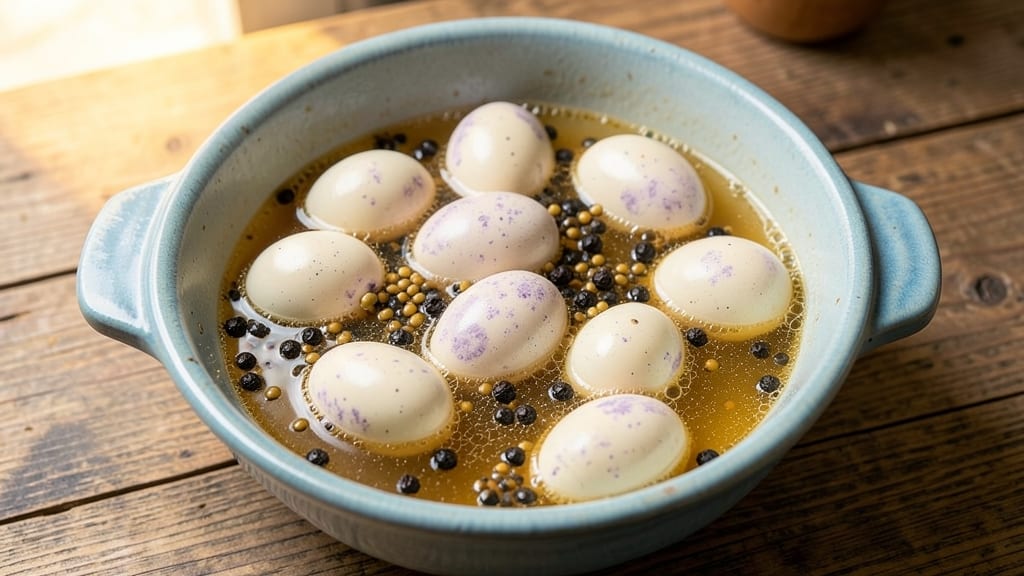
This Amish pickled eggs recipe preserves fresh eggs in tangy vinegar brine with just a handful of pantry staples, delivering restaurant-quality crunch in under 10 minutes of active prep.
The Amish tradition of vinegar pickling transforms ordinary eggs into a crunchy, tangy snack that keeps for months—perfect for breakfast, charcuterie boards, or emergency pantry staples during power outages.
I first discovered this method while researching Amish preservation techniques, where vinegar's natural acidity creates that signature crisp shell and bright flavor without artificial preservatives.
The beauty of this recipe lies in its simplicity: hard-boiled eggs, white vinegar, water, salt, and a few classic spices come together in a foolproof process that requires no special equipment.
The key is the 10-minute prep followed by a 48-hour curing period, during which the eggs develop their signature texture and flavor. Unlike store-bought pickled eggs, this method delivers a crisp shell and tender interior that stays fresh for up to 6 months in the refrigerator when stored properly.
What you'll end up with are eggs that are crunchy on the outside and creamy in the center, infused with a bright, tangy flavor that cuts through rich breakfast meats or cheese platters.
The vinegar brine enhances the eggs' natural richness while adding a satisfying crunch that disappears as you eat—it's the kind of snack that disappears faster than you can say "breakfast fix." This recipe isn't just about preservation; it's about transforming a simple ingredient into something extraordinary with minimal effort.
The Amish approach to food preservation emphasizes simplicity, durability, and resourcefulness—qualities that make this recipe perfect for modern home cooks.
Whether you're prepping for a week of breakfasts or stocking your pantry for emergencies, these pickled eggs deliver restaurant-quality flavor with just 5 ingredients and 10 minutes of hands-on time. Let's get started on preserving your next batch!
Ingredients for amish pickled eggs
Five simple ingredients transform ordinary eggs into Amish-style crunchy delights with restaurant-quality tang.
| Ingredient | Amount | Notes |
|---|---|---|
| Large Eggs 🥚 | 12 whole | Fresh, organic preferred for best texture |
| White Vinegar 💧 | 3 cups | Distilled, 5% acidity minimum |
| Water 💧 | 1 cup | Filtered or distilled preferred |
| Diamond Crystal Kosher Salt 🧂 | ½ cup | Coarse grain for proper dissolution |
| Mustard Seeds 🌶️ | 1 tbsp | Yellow or brown, whole seeds |
| Black Peppercorns 🌶️ | 1 tbsp | Freshly cracked for optimal flavor |
| Dried Dill Weed 🌿 | 1 tbsp | Organic preferred, finely crushed |
| Garlic Cloves 🧄 | 3 cloves | Fresh, peeled, lightly crushed |
The eggs form the foundation of this recipe, so freshness is critical. Opt for organic or free-range eggs from local farms when possible, as their thicker shells hold up better during the pickling process. The vinegar must be distilled white vinegar with at least 5% acidity—apple cider vinegar lacks sufficient acidity for proper preservation. For the salt, Diamond Crystal kosher salt dissolves completely without leaving grainy residue. Mustard seeds and peppercorns should be whole and organic to maintain their distinct flavors, while the dill should be finely crushed to release its aromatic oils. Garlic cloves add depth but must be freshly peeled to prevent bitterness in the brine.
Substitutions are possible but may alter texture or flavor. For vinegar, rice vinegar works in a pinch but lacks the sharp tang of white vinegar. If you lack mustard seeds, 1 tsp ground mustard can substitute, though texture will differ. For dill, 1 tbsp fresh dill finely chopped provides a brighter flavor. Garlic can be omitted entirely if you prefer a milder taste. The salt can be substituted with Morton kosher salt, though it may leave slight graininess. For a spicier profile, add ½ tsp cayenne pepper to the brine. Always ensure your vinegar maintains at least 4% acidity for safe preservation—store-bought white vinegar typically meets this standard.
Store the pickled eggs in an airtight glass jar submerged in their brine, refrigerated at 40°F or below. The eggs develop optimal texture after 48 hours but remain safe to eat for up to 6 months when properly stored. For longer storage, transfer eggs and brine to freezer-safe containers and freeze for up to 12 months. The brine can be reused for up to 3 batches if stored properly. When ready to serve, drain eggs and serve chilled—their crisp shell and creamy interior will impress at any gathering.
Why You'll Love This Recipe
- No-Fuss Preservation: I swear by this method—just hard-boil eggs, crack them into jars, and pour the vinegar brine. No fancy gadgets, no peeling required. The salt and mustard seeds do all the work while I’m scrolling through my phone.
- Tangy Crunch Surprise: That first bite? The eggs stay creamy but develop a crispy shell from the vinegar, while the mustard seeds add a tiny, satisfying pop. Honestly, it’s the kind of flavor that makes you reach for another one without thinking.
- Picnic & Party Hero: Between us, these are my go-to for potlucks or lazy summer days. Cold from the fridge, they’re perfect with crackers, in salads, or straight from the jar. My kids even ask for them at school—yes, I pack them in bento boxes.
- Pantry Magic on Repeat: One batch lasts weeks, and the ingredients cost pennies. I make a big jar every few months, stash it in the fridge, and forget about it until I need a quick protein boost. Zero waste, zero stress.
Step-by-step instructions for Amish pickled eggs
Follow this precise method to create eggs with a satisfying crunch and bright, tangy flavor.
Prepare the Eggs for Pickling
Begin by placing the 12 whole large eggs in a large bowl and covering them completely with cold water. Let them soak for 10 minutes—this softens the shells slightly, making them easier to peel later. After soaking, gently tap each egg against the edge of the bowl to crack the shell all over without breaking the yolk. This creates tiny fractures that allow the pickling liquid to penetrate deeply.
Once cracked, transfer the eggs to a large, clean glass jar with a tight-fitting lid. The jar should be large enough to hold the eggs in a single layer, with about 2 inches of headspace remaining at the top. This ensures the pickling liquid can fully submerge the eggs and prevents spoilage. If your jar doesn’t have a lid, use a clean, airtight container with a rubber seal.
Combine the Pickling Brine
In a separate bowl, whisk together the 3 cups white vinegar, 1 cup water, and 0.5 cup diamond crystal kosher salt until the salt dissolves completely. The vinegar should be distilled with at least 5% acidity—this ensures proper preservation and a sharp, clean flavor. Stirring vigorously helps dissolve the salt evenly, preventing clumps that could settle at the bottom of the jar.
Next, add the 1 tablespoon mustard seeds, 1 tablespoon black peppercorns, 1 tablespoon dried dill weed, and 3 cloves garlic cloves (lightly crushed) to the brine. The mustard seeds add a subtle heat, while the peppercorns and dill contribute earthy, aromatic depth. The garlic cloves infuse the liquid with a delicate, savory note. Let the mixture steep for 5 minutes to allow the spices to release their oils into the brine.
Pour the Brine Over the Eggs
Carefully pour the prepared brine over the eggs in the jar, ensuring they are fully submerged. Use a clean spoon or spatula to gently press down on the eggs, pushing them deeper into the liquid if necessary. The brine should cover the eggs by at least 1 inch—this prevents mold growth and ensures even pickling. If the eggs float, weigh them down with a small, sterilized plate or a clean stone.
Seal the jar tightly and let it sit at room temperature for 24 hours. This initial resting period allows the flavors to meld and the eggs to begin absorbing the tangy, spiced brine. After 24 hours, transfer the jar to the refrigerator, where the eggs will continue to pickle for at least 3 days before reaching peak flavor. The longer they sit, the more pronounced the crunch and tang become.
Store and Serve
Once fully pickled, the eggs should have a firm, crunchy texture and a bright, vinegary tang. They will keep in the refrigerator for up to 3 months, though their flavor intensifies over time. To serve, remove an egg from the jar and rinse it briefly under cold water to remove excess brine. The shell should peel away easily, revealing a yolk with a slightly marbled appearance and a clean, tangy taste.
Pair these eggs with crusty bread, sharp cheeses, or cured meats for a classic Amish-style appetizer. The contrast of the crunchy shell and the creamy yolk creates a satisfying texture, while the vinegar and spices deliver a bold, savory punch. For best results, use fresh, organic eggs—their high-quality yolks hold up better during the pickling process.
Pro Tips For Making Amish Pickled Eggs
- Boil Eggs Until Cool: Don’t pull the eggs out of boiling water when they’re still hot—wait until they’re fully cooled to room temperature. I learned this the hard way when I cracked one too soon and ended up with a watery mess instead of clean, intact eggs for pickling.
- Use 1:1 Vinegar-to-Water Ratio: Stick to equal parts white vinegar and water (like 1 cup each) for the brine—any more vinegar and the eggs get too sharp, too soon. My grandmother swore by this balance, and she was right: the flavor develops gradually, not harshly.
- Pack Mustard Seeds Tight: Stuff the mustard seeds into the egg yolks before pickling—it’s not just for looks. The seeds release their flavor directly into the egg, making every bite tangy and textured. I used to skip this, but now I do it religiously (yes, even if it feels tedious).
- Store in Fridge, Not Counter: Amish pickled eggs need a cold, dark spot—they won’t keep well at room temperature. Pop them in the fridge within 24 hours, and they’ll stay crisp and tangy for weeks. I ignored this once and came back to rubbery eggs—don’t make my mistake.
Creative variations of amish pickled eggs
Spicy Cajun Twist
Add 1 tbsp Cajun seasoning (like Tony Chachere's) and ½ tsp cayenne pepper to the brine for a bold Southern kick. The heat penetrates the eggs beautifully, creating a fiery contrast to the creamy yolk.
I like to add 1 sliced jalapeño to the jar for extra heat and visual flair. These spicy eggs pair perfectly with cooling ranch dip or smoked gouda cheese. 🌶️
Herb Garden Infusion
Swap the dried dill for 1 tbsp each of fresh thyme and rosemary for a fragrant Mediterranean twist. The herbs infuse the brine with earthy notes that complement the vinegar perfectly. I also add 2 sprigs of fresh parsley for brightness.
These herb-infused eggs work wonderfully on charcuterie boards alongside olive tapenade and provolone cheese. The flavors develop more complexity over time, making them ideal for gifting. 🌿
Sweet & Smoky Maple
For a surprising sweet-savory balance, add 2 tbsp pure maple syrup and 1 tsp smoked paprika to the brine. The maple syrup caramelizes slightly during pickling, creating a subtle sweetness that contrasts with the vinegar's tang.
I also add ½ tsp ground cinnamon for warmth. These eggs are perfect with crispy bacon or sharp cheddar—the smoky-sweet flavor profile is addictive. 🍁
Asian-Inspired Ginger-Lime
Transform this classic recipe with 1 tbsp grated fresh ginger, zest of 1 lime, and 1 tsp sesame seeds in the brine. The ginger adds a zesty warmth while the lime brightens the flavor profile.
I also include 1 star anise pod for depth. These eggs pair beautifully with wasabi mayo or sriracha for dipping. The fusion of Amish preservation with Asian flavors creates a unique, restaurant-worthy snack. 🍋
Cheesy Jalapeño Poppers
For a fun appetizer twist, crack the pickled eggs after curing and stuff them with cream cheese and diced jalapeño before sealing. Roll the eggs in crushed pork rinds for a crispy coating, then bake at 400°F for 10 minutes.
The pickled shell adds crunch while the creamy filling delivers a spicy kick. Serve with cool ranch or blue cheese dip for maximum indulgence. This variation turns a simple snack into a crowd-pleasing party bite. 🧀
Classic Amish-Style Variations
For an authentic Amish touch, try adding 1 tsp ground coriander and ½ tsp ground allspice to the brine. These spices were traditionally used in Pennsylvania Dutch preservation methods. I also recommend using apple cider vinegar instead of white vinegar for a milder, fruitier tang.
These eggs pair perfectly with sourdough bread or aged cheddar—just like in an Amish farmhouse kitchen. 🏡
Nutrition facts
Frequently asked questions
Why do Amish pickled eggs develop a crunchy shell?
The vinegar brine creates a chemical reaction with the eggshells that removes moisture and hardens the outer layer over 48 hours. The 5% acidity in white vinegar is key—it penetrates the tiny cracks you make in the shells during prep, transforming them into crispy, edible shells while keeping the inside creamy. This traditional method preserves the eggs for months without refrigeration in their original form.
Can I use apple cider vinegar instead of white vinegar?
While apple cider vinegar works for flavor, it lacks the 5% acidity needed for proper preservation. For safe, long-term storage, stick with distilled white vinegar. If you prefer a milder taste, add 1 tsp honey or maple syrup to the brine to balance the sharpness. The eggs will still pickle, but the shelf life may shorten to 2-3 months instead of 6.
How do I fix eggs that float in the brine?
Floating eggs mean air pockets formed during the cracking process. Weigh them down with a sterilized plate or small stone to keep them submerged. If the brine level drops below 1 inch above the eggs, add more vinegar-water mix (same ratio as original brine) to maintain coverage. Never use metal weights—they can react with the vinegar and spoil the eggs.
What's the best way to peel these pickled eggs?
After 48 hours of pickling, the shells peel away effortlessly! Start at the round end and gently roll the egg between your palms to loosen the shell. For stubborn spots, tap the egg lightly against the counter. The vinegar brine softens the membrane, so you won't need to worry about peeling the white from the yolk like with boiled eggs. The result? A clean, intact yolk every time!
Can I reuse the pickling liquid?
Yes! The brine can be reused for up to 3 batches if stored properly. After removing the eggs, strain out the spices and store the liquid in a clean jar in the fridge. For the next batch, add 1 tbsp fresh vinegar and 1 tsp salt per cup of reused brine to maintain acidity and flavor. The second batch will have slightly less crunch but still taste delicious. After the third use, replace the entire brine.