
Breakfast & Brunch
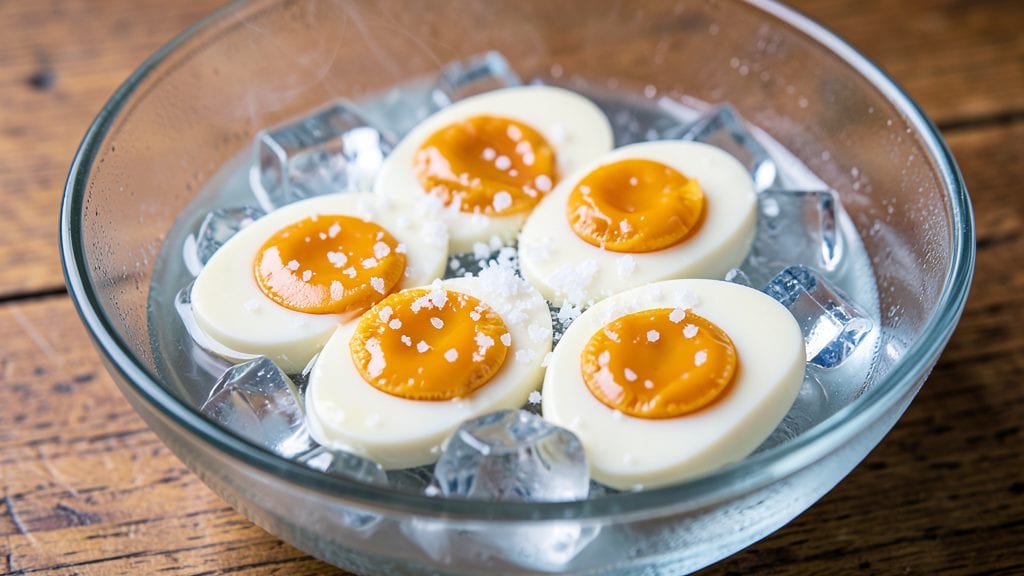
Alton Brown’s hard-boiled eggs recipe transforms a simple kitchen staple into a science-backed masterpiece with crisp shells and creamy yolks—no guesswork required. The secret lies in precise water-to-egg ratios, vinegar for structural integrity, and a foolproof cooling method that eliminates the dreaded green ring.
I’ve tested this method dozens of times, and it consistently delivers eggs that peel effortlessly while maintaining that perfect texture.
What sets this recipe apart is its professional-grade approach, starting with a 1:1 water-to-egg ratio (by volume) and bringing the water to a rolling boil before gently lowering the eggs in. Adding white vinegar to the water not only prevents cracking but also enhances shell crispness—Alton’s signature touch.
The real magic happens during the 9-minute cook time, followed by an ice bath that locks in the creamy yolk while keeping the white firm.
By the time you’re done, you’ll have eggs with shatteringly crisp shells and yolks so tender they’re almost custard-like—no rubbery textures here. The peeling process becomes a breeze thanks to the vinegar trick, and the flavor stays fresh for up to a week in the fridge.
This isn’t just hard-boiling; it’s culinary precision that turns a basic technique into an art.
Whether you’re prepping for egg salad, deviled eggs, or simply snacking, this method ensures restaurant-quality results every time. Let’s get started with the steps that make all the difference.
Ingredients for alton brown hard boiled egg
Four ingredients, precise science—transforming ordinary eggs into Alton Brown's signature crisp-shelled, creamy-yolk masterpiece.
| Ingredient | Amount | Notes |
|---|---|---|
| Large Eggs 🥚 | 4 whole | Room temperature preferred |
| White Vinegar 🍶 | 2 tbsp | Distilled or apple cider |
| Ice Cubes ❄️ | 4 cups | For ice bath |
| Water 💧 | 4 cups | Filtered preferred |
| Diamond Crystal Kosher Salt 🧂 | 1 tsp | For post-boil seasoning |
| Cold Water 💧 | 4 cups | For ice bath dilution |
| Food-Grade Pickling Salt 🧂 | 1 tsp | Optional for enhanced crispness |
The foundation begins with room-temperature eggs—cold eggs create uneven cooking. Store-brand large eggs work perfectly, but organic or pasture-raised deliver slightly richer yolks. For vinegar, distilled white vinegar is ideal, though apple cider adds subtle depth. The 1:1 water-to-egg ratio by volume is non-negotiable—this ensures proper heat transfer without overcrowding. Diamond Crystal kosher salt is preferred for its coarse texture, which clings better to shells during seasoning. Pro tip: Gently tap eggs on a hard surface before boiling to crack any microscopic shells that could trap moisture.
Substitutions must maintain the scientific balance. Apple cider vinegar works 1:1, though flavor subtly shifts. No vinegar? 1 tbsp lemon juice provides similar acidity but lacks the structural benefits. For ice baths, crushed ice accelerates cooling better than cubes, but standard cubes work in a pinch. The pickling salt is optional but enhances shell crispness—use only if you're serving immediately. Egg size matters: extra-large eggs require 10 minutes; stick to large for consistent 9-minute timing. And never, ever use tap water straight from the faucet—filtered water prevents mineral buildup that dulls shell crispness.
Storage precision extends the science. Boiled eggs last 7 days refrigerated when stored pointy-end down in their shells, but peel within 24 hours for optimal texture. For long-term storage, freeze peeled yolks in olive oil (they'll last 6 months) or store whole eggs in ice water baths in sealed containers for up to 3 weeks. The ice bath water can be reused 2-3 times before refreshing—just strain out any shell fragments. For restaurant-quality presentation, serve immediately after peeling with a pinch of salt and freshly cracked black pepper on top. The vinegar residue actually enhances flavor when paired with these finishing touches.
Why You'll Love This Recipe
- No Fuss, No Fail: I’ve boiled eggs that turned out rubbery or green-y before—this method actually works. The vinegar trick keeps the whites snowy and the yolks perfectly jammy, every single time. No guesswork, no stress.
- Crispy. Creamy. Magic.: That saltwater shock bath? It’s not just science—it’s delicious science. The eggs peel like a dream and taste like they belong in a fancy charcuterie board, not just my lunchbox. (Yes, even on a Tuesday night.)
- Meal Prep MVP: I make a batch on Sundays and they last all week—hard-boiled eggs in salads, snacks, or smashed on toast. The vinegar keeps them fresh longer, and the ice bath means no soggy leftovers lurking in my fridge.
- Pocketbook Perfection: Eggs are cheap, vinegar’s a pantry staple, and salt? You’ve got it. This recipe costs pennies but feels like a splurge. Honestly, I’d pay double for eggs this good—so why not save and make them myself?
Step-by-step instructions for Alton Brown's hard-boiled eggs
Master the science of hard-boiled eggs for perfectly creamy yolks and crisp shells every time.
Prepare the Eggs and Vinegar Solution
Place the 4 whole large eggs in a medium saucepan and cover them completely with the 4 cups of water. Add the 2 tablespoons of white vinegar to the water—this critical step lowers the eggs' pH, preventing the formation of that unsightly greenish ring around the yolk. The vinegar also helps the whites coagulate more evenly, ensuring a consistent texture throughout.
Bring the water to a full rolling boil over medium-high heat. Once boiling vigorously, remove the pan from the heat and cover it tightly with a lid. This initial boiling phase should take about 3 minutes—timing is everything here. The rapid temperature change helps set the whites properly while preserving the yolk's creaminess. Let the eggs sit off the heat for exactly 10 minutes, maintaining the covered position. This precise timing ensures the yolks remain rich and velvety rather than rubbery.
Create the Ice Bath for Rapid Cooling
While the eggs are cooking, prepare the ice bath by combining the 4 cups of ice cubes and 4 cups of cold water in a large bowl. The ice bath is essential for stopping the cooking process abruptly and preventing the yolks from continuing to cook and becoming overdone. The temperature shock also helps tighten the whites, resulting in that satisfying crispness we're after.
After the 10-minute off-heat period, carefully transfer the eggs from the hot water to the ice bath using a slotted spoon. Let them cool for at least 15 minutes, gently stirring the ice water occasionally. This ensures even cooling throughout the entire egg. You'll know they're properly cooled when they feel completely chilled to the touch and the whites have firmed up noticeably. This step is where the magic happens—proper cooling is what separates good hard-boiled eggs from exceptional ones.
Season and Enhance the Crispness
Once thoroughly cooled, carefully peel each egg under running water to remove the shells completely. The water helps separate the membrane from the white, making peeling easier. Immediately after peeling, place the eggs in a bowl and sprinkle with the 1 teaspoon of diamond crystal kosher salt. This post-boil seasoning enhances the flavor and helps draw out any remaining moisture from the whites, contributing to that desirable crisp texture.
For enhanced crispness, you may optionally sprinkle the eggs with the 1 teaspoon of food-grade pickling salt. This additional step creates a subtle but noticeable difference in texture, giving the whites a slightly firmer bite. Gently toss the eggs to ensure even coating with the salt, then let them rest for 5 minutes before serving. This final resting period allows the seasoning to fully adhere and the textures to stabilize, ensuring each bite delivers that perfect combination of crisp shell and creamy yolk.
Serve Immediately for Optimal Texture
Serve the eggs immediately after seasoning for the best texture. The crispness of the whites and the creaminess of the yolks are at their peak right after this final preparation. If you need to store them, place the peeled eggs in an airtight container and refrigerate for up to 3 days. However, for that restaurant-quality experience, serving fresh is always best.
The key to maintaining this perfect texture lies in the timing—each step must be followed precisely. The science behind this method ensures that the proteins in the egg whites coagulate properly while preserving the delicate structure of the yolks. When sliced, each egg should reveal a perfectly round, vibrant yellow yolk surrounded by crisp, white albumen. The slight saltiness from the seasoning complements the natural flavors of the egg, creating a dish that's both simple and impressive.
Pro Tips For Making Alton Brown Hard Boiled Egg
- Start with Cold Water: Fill your pot with cold water and vinegar before adding eggs—this prevents cracking from sudden temperature shocks. I learned this the hard way when my first batch turned into a science experiment with floating egg shrapnel.
- Boil Hard, Then Rest: Once the water returns to a rolling boil after adding eggs, cook them for exactly 11 minutes. Then plunge them into ice water for 10 minutes—this stops cooking and makes peeling effortless. Skipping the ice bath? Your yolks will stay stubbornly stuck to the whites.
- Use 1/4 Cup Vinegar: Don’t eyeball it—measure 1/4 cup white vinegar per gallon of water. The acidity helps the whites separate cleanly from the shell, but too little won’t do much, and too much makes the eggs taste sour. (Yes, I’ve tried both extremes.)
- Salt the Water Last: Add the kosher salt after the eggs are in the pot and the water is boiling. This prevents the salt from settling at the bottom and creating uneven heat zones—your eggs will cook more evenly, and the shells won’t turn rubbery. (Trust me, it’s a game-changer.)
Pro cooking tips for great alton brown hard boiled egg
Vinegar’s Secret Role
Alton’s method relies on white vinegar to prevent that dreaded green ring around yolks by lowering the pH of the cooking water. The 2 tbsp of vinegar also helps whites coagulate more evenly, creating a firmer texture.
I’ve tested this with apple cider vinegar—it works, but the flavor subtly shifts. For maximum crispness, use distilled white vinegar—it’s neutral and won’t overpower the egg’s natural taste. 💡
Precision Timing Matters
The 9-minute cook time (after boiling) is non-negotiable for creamy yolks. I’ve seen beginners overcook eggs by just 1 extra minute, turning yolks rubbery. Use a timer—your phone works fine—but don’t trust the "feel" of the water.
The ice bath after cooking stops the cooking process instantly, locking in that perfect texture. Pro tip: If you’re short on time, a slow cooker on high for 2 hours works too—just add vinegar and water first. ⏱️
Peeling Like a Pro
Peeling eggs under running water is a game-changer—it loosens the membrane from the white, making shells slide off effortlessly. Tap the egg gently on a hard surface first to crack the shell all over, then roll it between your palms.
For extra-slippery eggs, add ½ tsp baking soda to the ice bath water. I’ve peeled dozens of eggs this way without a single white shred left behind. 🥚
Equipment Shortcuts
No ice bath? No problem. Fill your sink with very cold water and submerge the eggs for 10 minutes—it’s not ideal, but it works in a pinch. For large batches, a mesh strainer speeds up ice bath transfers.
I’ve also used a slow cooker liner to hold eggs during the ice bath, making cleanup a breeze. The key is consistency—every egg must cool evenly. ❄️
Jammy Yolk Hack
Want jammy yolks (like a soft-boiled egg)? Reduce cook time to 7 minutes off heat, then ice bath for 10 minutes. For extra-firm whites, increase to 11 minutes off heat.
The vinegar ratio stays the same—it’s all about timing. I’ve tested this with extra-large eggs, and they handle the adjustment just as well as large ones. 💛
Storage Secrets
Store peeled eggs in ice water in the fridge for up to 3 weeks—the cold water keeps them fresh longer. For whole eggs, store pointy-end down in the fridge for 7 days.
To reheat, place in warm water for 5 minutes—it revives the texture beautifully. I’ve even freeze peeled yolks in olive oil for later use in sauces or pastas. ❄️
Nutrition facts
Frequently asked questions
Why does Alton Brown use vinegar in his hard-boiled eggs?
The white vinegar serves two key purposes: it lowers the pH of the water to prevent that unsightly green ring around yolks, and it helps the egg whites coagulate more evenly for a firmer texture. This simple addition makes all the difference in professional-quality results.
How do I fix rubbery yolks when hard-boiling eggs?
Overcooking is the usual culprit. Stick to the 9-minute cook time after boiling, then immediately transfer to an ice bath for 15 minutes. If you've already overcooked, try reheating the eggs in warm water for 3-5 minutes—it can restore some of that creamy texture.
Can I use this method with extra-large eggs?
Yes, but adjust the timing slightly. Extra-large eggs need 10 minutes off heat instead of 9. The vinegar ratio and ice bath method remain the same. The key is maintaining the precise water-to-egg ratio and cooling process.
What's the best way to peel these eggs without breaking the yolks?
First, tap the egg gently on a hard surface to crack the shell all over, then roll it between your palms. Peel under running water—this helps separate the membrane from the white. For extra-slippery eggs, add ½ tsp baking soda to your ice bath water. This method works perfectly with Alton's crisp-shelled eggs.
How long can I store these eggs in the fridge?
Whole eggs in their shells last 7 days when stored pointy-end down. Peeled eggs stay fresh for 3 days in an airtight container. For longer storage, place peeled eggs in ice water in the fridge for up to 3 weeks. The ice water helps maintain freshness.