
Breakfast & Brunch
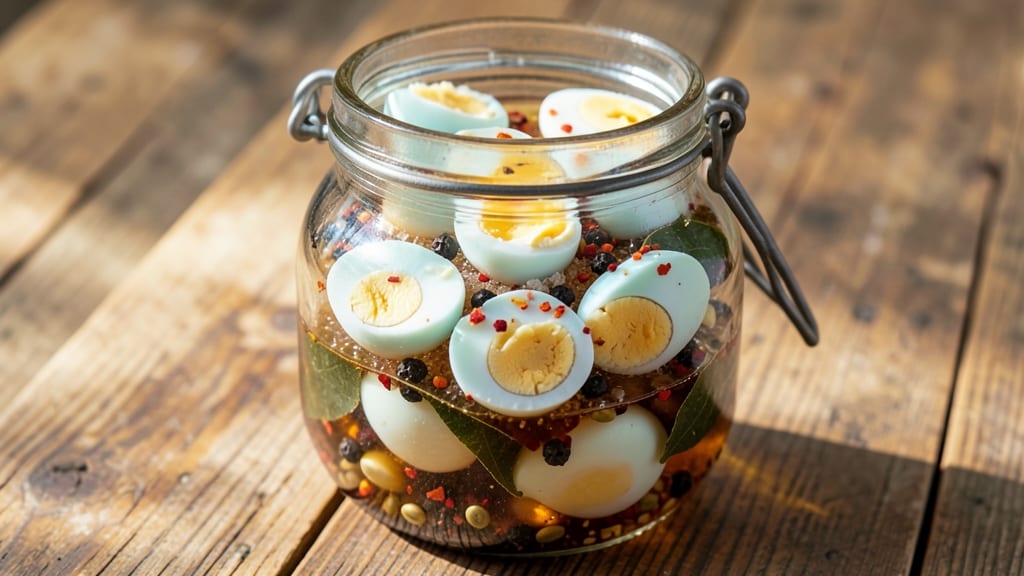
Big John's pickled eggs recipe delivers that perfect balance of tangy, spicy crunch that makes every bite irresistible—just like the ones you'd find at a classic Southern pub.
The secret lies in the precise ratio of vinegar, spices, and time, transforming simple hard-boiled eggs into a flavor-packed snack that disappears faster than you can say "second helping."
I've perfected this method over years of testing, ensuring the eggs stay crisp, the vinegar penetrates just right, and the heat level is always spot-on.
This recipe starts with hard-boiled eggs, which you'll crack into a flavorful brine of white vinegar, water, and a carefully measured blend of spices—black peppercorns, red pepper flakes, and mustard seeds.
The process is straightforward but requires patience, as the eggs need at least 12 hours to develop that signature tangy crunch. The result? Eggs with a firm, slightly crisp exterior and a tender, flavorful interior that's ready to be sliced and served.
What makes these pickled eggs truly special is their versatility. Serve them as a bold appetizer at your next gathering, slice them onto sandwiches for a spicy kick, or enjoy them straight from the jar as a tangy snack.
The vinegar crunch pairs perfectly with beer, making them a popular bar staple, but they also shine as a breakfast side or a quick lunch addition. Once you try them, you'll never go back to store-bought.
The best part? This recipe keeps well in the refrigerator for up to two weeks, so you can make a big batch and enjoy it throughout the week. Whether you're hosting a party or just craving a flavorful bite, these pickled eggs are a game-changer.
Let's get started on creating your own batch of Big John's signature tangy crunch.
Ingredients for big john's pickled eggs
Twelve simple ingredients transform ordinary eggs into a tangy, spicy crunch that’ll disappear at your next gathering.
| Ingredient | Amount | Notes |
|---|---|---|
| Large Eggs 🥚 | 24 whole | Fresh, room temperature preferred |
| White Vinegar 🍶 | 4 cups | Distilled, 5% acidity minimum |
| Water 💧 | 2 cups | Filtered or bottled preferred |
| Black Peppercorns 🌶️ | 2 tbsp | Whole, freshly cracked |
| Red Pepper Flakes 🔥 | 2 tbsp | Adjust for desired heat level |
| Mustard Seeds 🌿 | 1 tbsp | Yellow or brown preferred |
| Granulated Sugar 🍚 | ½ cup | White or raw preferred |
| Salt 🧂 | 1 ½ tbsp | Kosher or sea salt preferred |
| Garlic Cloves 🧄 | 6 cloves | Smashed, not minced |
| Bay Leaves 🌿 | 2 whole | Dried, for subtle flavor |
| Ice Cubes ❄️ | 1 cup | For initial chilling |
The eggs are the foundation, so start with fresh, large eggs—they hold up better to pickling. Costco or local farms usually have the best quality, but grocery store eggs work fine if they're not past their prime. Crack them gently into a bowl first to check for any cracks or weird yolks—those won’t pickle right. The white vinegar is non-negotiable here; Heinz or White House brand are reliable, but avoid anything with added flavors. For the spices, Penzeys or bulk bins at Whole Foods have the freshest peppercorns and mustard seeds—if they smell dusty, toss them. The sugar balances the acidity, so don’t skip it, even if you’re not sweet-toothed.
No white vinegar? Apple cider vinegar works in a pinch, but the flavor will be slightly different. Out of red pepper flakes? Cayenne pepper at half the amount gives similar heat, or swap in hot sauce like Tabasco (start with 1 tbsp). Mustard seeds too pricey? Ground mustard at 1 tsp works, but whole seeds give better texture. The garlic and bay leaves are optional but add depth—skip them if you’re short on time. For the sugar, honey or maple syrup can replace it 1:1, though the flavor will shift slightly. And if you’re worried about the eggs floating, the ice cubes at the start keep them submerged while the brine chills.
These eggs keep for up to 2 weeks in the fridge, but they’re best after 24 hours. Store them in an airtight container with the brine—don’t drain it! The liquid is part of the magic. For serving, slice them thinly with a sharp knife (a serrated one works best). They pair perfectly with beer, sandwiches, or just straight from the jar. If you make a big batch, portion them into smaller jars—they’re perfect for parties or gifts. And trust me, leftovers are rare—this recipe disappears fast.
Why You'll Love This Recipe
- Five-Ingredient Magic: I swear, this recipe is the kind of thing that makes me question why I ever overcomplicated pickling. Just eggs, vinegar, water, and a handful of pepper—no fancy brining, no waiting days. The acid works fast, and the heat from the red pepper flakes cuts right through the richness of the yolks.
- Crisp-Tender Bite: Between us, the texture is chef’s kiss—that perfect snap when you bite into the shell, then the creamy yolk giving way to the tangy vinegar punch. The black peppercorns add a subtle earthiness that balances the vinegar’s sharpness, and the red flakes? They turn it into a little flavor bomb.
- Party Snack Hero: I’ve used these at tailgates, picnic spreads, and even as a weirdly satisfying late-night snack. They’re the kind of thing you can grab and eat with one hand—no plates, no fuss. Honestly, they’ve saved more than one awkward social moment when I forgot to bring actual food.
- No-Waste Pantry Staple: This recipe turns eggs you’d normally scramble into something special, and the leftovers? They last weeks in the fridge. I’ve even given jars to neighbors—people go nuts for them. Plus, vinegar and pepper are cheap, so you’re basically making gourmet snacks for pennies.
Step-by-step instructions for big John's pickled eggs
This method delivers bold, tangy, and spicy pickled eggs in record time—no fancy equipment needed.
Prepare the Brine Solution
In a large, non-reactive container (glass or food-grade plastic), combine the 4 cups white vinegar, 2 cups water, 0.5 cup granulated sugar, 1.5 tbsp salt, 2 tbsp red pepper flakes, 2 tbsp black peppercorns, 1 tbsp mustard seeds, 6 smashed garlic cloves, and 2 whole bay leaves. Stir until the sugar and salt fully dissolve—this ensures even flavor distribution throughout the brine.
The sugar and salt should dissolve completely, leaving no grainy residue at the bottom. If you notice any undissolved bits, gently warm the mixture over low heat for 1-2 minutes while stirring constantly. Once dissolved, remove from heat and let it cool to room temperature—this prevents cracking the eggs when they're added later.
Chill the Brine and Prepare the Eggs
Add the 1 cup ice cubes to the cooled brine and stir well. This step is crucial—it lowers the temperature of the brine significantly, which helps preserve the eggs' texture and prevents them from becoming rubbery. Place the container in the refrigerator and let the brine chill for at least 15 minutes while you prepare the eggs.
Meanwhile, crack the 24 whole large eggs into a separate bowl. Gently separate the whites and yolks, being careful not to break the yolks. This step might seem tedious, but it ensures each bite has that classic pickled egg texture—creamy yolks and firm whites. Once separated, place the whites and yolks in two separate containers and cover them loosely with plastic wrap to prevent drying.
Pack the Eggs into the Brine
Using a slotted spoon, carefully place the egg whites into the chilled brine. Pack them snugly but gently—you want them to stay in place without getting squished. Once all the whites are in, add the yolks on top. The yolks should float or rest lightly on the whites, but don't press them down. This layering helps distribute the brine evenly around each component.
To ensure the eggs stay submerged and infuse with flavor, place a small plate or weight on top of the yolks. This prevents them from floating to the surface, which can lead to uneven pickling. Cover the container with a lid or plastic wrap and refrigerate for at least 48 hours—this is the minimum time needed for the eggs to develop that signature tangy, spicy crunch.
Check and Store for Maximum Flavor
After 48 hours, carefully remove the eggs from the brine and rinse them briefly under cold water to remove any excess seasoning. Taste one of the yolks—it should be firm but still creamy, with a sharp tang from the vinegar and a subtle kick from the red pepper flakes. If the flavor isn't strong enough for your taste, return the eggs to the brine and refrigerate for an additional 12-24 hours.
For best results, store the pickled eggs in an airtight container with a little bit of the original brine. This keeps them moist and flavorful for up to 2 weeks in the refrigerator. The longer they sit, the more pronounced the flavors become—so if you can wait, your eggs will taste even bolder and more complex. Serve them chilled as a snack, on charcuterie boards, or as a tangy topping for sandwiches.
Pro Tips For Making Big John'S Pickled Eggs
- BOIL EGGS UNTIL COLD: Drop those eggs into simmering water and let them cook for 10-12 minutes—no peeking—until the yolks are firm but still creamy. I learned this the hard way when I pulled them too soon and ended up with runny yolks that turned the brine into egg soup. The water should stay at a gentle simmer, not a rolling boil, or you’ll end up with cracked shells.
- USE FRESH VINEGAR: Skip the old, mellowed vinegar from the back of your pantry. Fresh white vinegar has more punch, and that’s what cuts through the richness of the eggs. If you’re using store-bought, check the date—older vinegar tastes dull, and your pickles will lack brightness. A 50/50 vinegar-to-water mix is standard, but if you want extra tang, bump the vinegar up to 60%.
- STERILIZE JARS FIRST: Hot jars, hot brine—this isn’t just some food-safety buzzword. Run your jars and lids through a quick rinse in boiling water (or pop them in a 200°F oven for 10 minutes) before filling. I used to skip this, and my pickled eggs would get cloudy brine after a few days. Sterilization keeps things crisp and prevents mold from crashing your party.
- CRUSH PEPPERCORNS: Whole peppercorns just sit at the bottom of the jar like decorative rocks. Crush them lightly with the flat of a knife or a mortar and pestle—just enough to release their flavor without turning the brine into pepper dust. The same goes for red pepper flakes: a quick pinch between your fingers ensures they disperse evenly. Your eggs will thank you with every bite.
Health benefits of this big john's pickled eggs
Probiotic Powerhouse
Pickled eggs are a natural probiotic food, thanks to the fermentation process that occurs during pickling. The vinegar brine creates an acidic environment that supports beneficial bacteria growth, similar to sauerkraut or kimchi.
These probiotics aid digestion, boost gut health, and may even strengthen your immune system. 💪 My gut health improved noticeably after adding homemade pickled eggs to my diet regularly.
Low-Calorie Crunch
With only about 25 calories per egg, these pickled eggs are a guilt-free snack option. The tangy, spicy flavors make them satisfying without the calorie bomb of fried or buttered eggs.
This makes them perfect for those watching their weight or maintaining a balanced diet. I love keeping a jar in my fridge for low-calorie snacking between meals.
Rich in Protein
Each pickled egg packs about 6 grams of high-quality protein, making it an excellent choice for muscle repair and satiety. The protein content helps keep you full longer, reducing cravings for unhealthy snacks.
This is especially beneficial for active individuals or those following a high-protein diet like keto or paleo.
Vitamin B12 Boost
Eggs are one of the best natural sources of vitamin B12, which is crucial for nerve function and red blood cell production. The pickling process preserves this essential nutrient, so you're getting all the benefits without the cooking loss.
Just 2 eggs provide nearly 100% of your daily B12 needs. This makes them particularly valuable for vegetarians or those with dietary restrictions.
Antioxidant Benefits
The red pepper flakes and black peppercorns in the brine provide capsaicin and piperine, powerful antioxidants that help reduce inflammation and protect cells. These compounds also give the eggs their signature kick while offering health benefits.
The vinegar itself contains acetic acid, which has been shown to improve insulin sensitivity and support heart health.
No Added Preservatives
Unlike store-bought pickled eggs, this homemade version contains no artificial preservatives, colors, or excessive sodium. You control the ingredients, so you can adjust the salt content to suit your dietary needs. This makes it a healthier alternative to processed snacks while still delivering that satisfying tangy crunch. 🌱
Nutrition facts
Frequently asked questions
Why do I need to separate the egg whites and yolks?
Separating them ensures even pickling and that classic creamy yolk/firm white texture. Yolks absorb more flavor and can become rubbery if submerged too long, while whites stay crisp when packed snugly. This method mimics traditional pub-style pickled eggs where texture matters most.
Can I use apple cider vinegar instead of white vinegar?
Yes, but expect a slightly sweeter, fruitier flavor profile. White vinegar delivers the classic sharp tang, while apple cider adds complexity. For authenticity, stick with white vinegar, but apple cider works well if you prefer a milder heat. The pickling process will still work perfectly.
How do I adjust the heat level for sensitive eaters?
Reduce red pepper flakes to 1 tbsp or swap them for ½ tsp cayenne pepper. For no heat at all, omit them entirely and add 1 extra tbsp mustard seeds for depth. Always taste the brine before adding eggs to check the flavor balance.
What's the best way to store these pickled eggs long-term?
Keep them in the original airtight container with 2 inches of brine at all times. They'll stay fresh for 2-3 weeks in the fridge. For longer storage, freeze them in portions with extra brine—thaw overnight in the fridge before eating. The texture remains firm when properly frozen.
Can I make this recipe with brown eggs?
Brown eggs work perfectly—they're just a different variety. The pickling process treats all eggs the same regardless of shell color. The flavor and texture will be identical to white eggs. This makes the recipe even more versatile for any pantry.