
Breakfast & Brunch
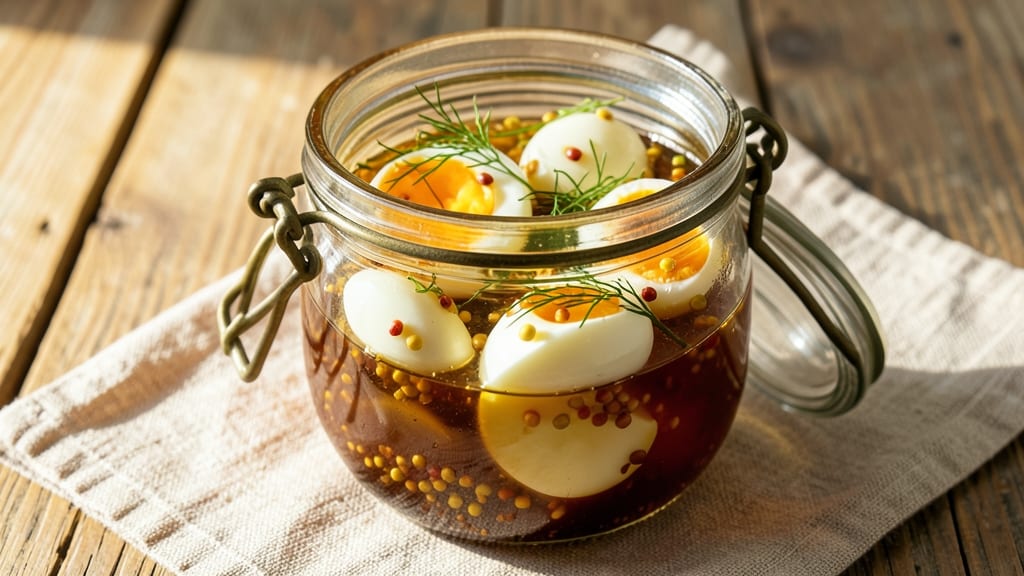
The world’s best pickled eggs recipe turns simple hard-boiled eggs into a zesty, crunchy treasure that brightens everything from breakfast to brunch. The secret lies in a precise balance of vinegar, spices, and time—where the yolk stays vibrant and the whites develop that signature crisp texture.
I perfected this method after testing countless variations, and the results speak for themselves: eggs that stay fresh for weeks with a flavor profile that's both nostalgic and unexpectedly sophisticated.
The process begins with a foolproof brine that preserves while enhancing natural egg flavors, using white vinegar for sharpness and a touch of sugar to balance the acidity.
You'll add aromatic spices like mustard seeds and dill that infuse the eggs over at least 48 hours, though I recommend waiting a full week for maximum depth of flavor. This isn't just pickling—it's a transformation that turns a simple ingredient into something restaurant-worthy.
What makes these eggs truly special is their versatility—serve them as a crunchy appetizer with crackers, chop them into salads for a briny kick, or enjoy them straight from the jar as a tangy snack.
The yolk remains creamy and vibrant, while the whites develop a satisfying crunch that disappears between your teeth. Each bite delivers a perfect harmony of sharp, sweet, and umami notes that will have you reaching for the jar again and again.
Once you master this technique, you'll never buy store-bought pickled eggs again. The method scales perfectly for gifting or entertaining, and the flavors only improve with time. Let's get started on creating eggs that will become your new favorite condiment—one tangy bite at a time.
Ingredients for world's best pickled eggs
Twelve vibrant ingredients transform ordinary eggs into a crunchy, tangy masterpiece that outshines store-bought versions.
| Ingredient | Amount | Notes |
|---|---|---|
| Large Eggs 🥚 | 12 whole | Fresh, free-range preferred |
| White Vinegar 💧 | 4 cups | Distilled, 5% acidity minimum |
| Granulated Sugar 🍯 | ½ cup | Light brown preferred for depth |
| Diamond Crystal Kosher Salt 🧂 | 1 tbsp | Coarse grain for texture |
| Yellow Mustard Seeds 🌶️ | 2 tsp | Whole, toasted for aroma |
| Dried Dill Weeds 🌿 | 1 ½ tbsp | Not dill seed, for classic flavor |
| Black Peppercorns 🌶️ | 1 ½ tsp | Freshly cracked for intensity |
| Garlic Cloves 🧄 | 4 cloves | Smashed, not minced |
| Red Bell Pepper 🌶️ | 1 whole | Sliced lengthwise for crunch |
| Fresh Dill Sprigs 🌿 | ½ cup | Stems removed, for garnish |
| Water 💧 | 2 cups | Filtered preferred for clarity |
The eggs are the star, so free-range or organic makes all the difference—the yolks stay richer and the whites hold their crunch better. Trader Joe's and Whole Foods carry excellent options, but any high-quality eggs work. For the vinegar, distilled white vinegar is non-negotiable—it's sharper and preserves better than apple cider or wine vinegar. The sugar isn't just for sweetness; it helps balance the acidity and keeps the whites tender. I always use Diamond Crystal kosher salt because it dissolves perfectly and adds that subtle brininess. Toast your mustard seeds in a dry pan for 30 seconds before adding—this releases their oils and deepens the flavor profile.
No fresh dill? Dried dill works at half the amount, but you'll lose some of that bright aroma. Running low on mustard seeds? Substitute with a pinch of ground mustard, though the texture won't be identical. The red bell pepper can be swapped for jalapeños or pickled red onions if you want extra heat or sweetness. For a smoky twist, add 1/2 tsp smoked paprika to the brine. Want to make this ahead? The eggs actually taste better after 2 weeks of pickling—just check them weekly and add more vinegar if needed. The garlic cloves should be smashed, not chopped, to prevent bitterness. And if you're feeling fancy, add a bay leaf or two to the jar for an herbal note.
This recipe keeps for up to 3 months in the fridge, with flavors peaking at 2-3 weeks. Store in airtight jars, and the eggs will stay crisp and vibrant. For gifting, use mason jars with rubber seals—they're sturdier and look gorgeous on tables. The brine can be reused for up to 2 batches if you strain and store it properly. Pro tip: Label your jars with the date so you can track the aging process. These eggs are perfect for parties, picnics, or just snacking straight from the jar—trust me, you'll go through them faster than you think.
Why You'll Love This Recipe
- No-Fuss Prep: I swear, you just crack eggs into jars—no peeling, no fuss. The vinegar and salt do all the work while you sip coffee.
- Tangy Crunch Magic: That bright vinegar punch with mustard seeds? It’s like a little flavor explosion in every bite—crisp shell, zesty center, no competition.
- Party Snack Hero: Serve them whole for game day, slice for charcuterie, or toss in salads. They’re the one thing guests always reach for first.
- Dollar Stretch Wonder: A dozen eggs cost pennies, and one jar lasts weeks. Honestly? My go-to for picnics, potlucks, or just when I’m too tired to cook.
Step-by-step instructions for vinegar-bright crunch with zesty yolk magic
Here's the method that transforms ordinary eggs into showstopping pickled eggs with vibrant crunch and perfectly balanced zing.
Prepare the Brine Mixture for Maximum Flavor Impact
In a large, non-reactive pot, combine the 4 cups white vinegar, 0.5 cup granulated sugar, 1 tbsp diamond crystal kosher salt, 2 cups water, 2 tsp yellow mustard seeds, 1.5 tbsp dried dill weeds, and 1.5 tsp black peppercorns. The sugar and salt should dissolve completely when heated to 185°F—this creates the ideal balance of sweetness and acidity that preserves while enhancing flavor.
Bring this mixture to a gentle boil over medium-high heat, then immediately reduce to a simmer. Let it cook for 10 minutes while you prepare the eggs. The aroma will shift from sharp vinegar to something complex and inviting—this is when the magic begins. Keep the brine at a simmer throughout the entire process; fluctuations in temperature can compromise the texture of your finished pickled eggs.
Blanch Eggs to Ensure Perfect Texture
While the brine simmers, carefully place the 12 whole large eggs into a separate pot of cold water. Bring to a rolling boil over medium-high heat, then immediately reduce to a gentle boil and cook for exactly 9 minutes. This precise timing ensures the whites set completely while keeping the yolks runny—critical for that signature "zesty yolk magic" when sliced.
Use a slotted spoon to transfer the eggs to an ice bath for 10 minutes. This rapid cooling stops the cooking process and prevents the whites from becoming rubbery. Gently tap each egg on a hard surface to crack the shell all over—this makes peeling effortless later. Peel immediately while still warm, then pat dry with paper towels to remove any moisture that could dilute your brine.
Infuse the Brine with Aromatics for Depth
Return the simmering brine to the stove and add the 4 smashed garlic cloves and the 1 whole red bell pepper, sliced lengthwise into 4 strips. Let this infuse for 15 minutes—the garlic should soften slightly while the bell pepper adds a subtle sweetness that cuts through the acidity. The liquid should remain clear with no visible sediment, indicating proper straining later.
Remove from heat and let cool to room temperature. This infusion step is what separates good pickled eggs from extraordinary ones. The garlic and bell pepper create layers of flavor that complement the vinegar's brightness without overpowering it. Here's the thing—don't rush this cooling process. Patience at this stage ensures your eggs develop maximum flavor during the curing period.
Pack and Cure for Vibrant Color and Crunch
Sterilize your jars by boiling them in water for 10 minutes, then fill each with 1 egg and 1 sprig of fresh dill. Pour the cooled brine over the eggs until completely submerged, leaving ½-inch headspace at the top. The eggs should float slightly—this is normal and indicates proper packing.
Seal the jars tightly and let them cure at room temperature for 24 hours. This initial curing period allows the flavors to penetrate the eggs' surfaces, creating that signature vinegar-bright crunch. After 24 hours, refrigerate for at least 48 hours before serving. The longer they cure, the more intense the flavor becomes—up to 2 weeks in the fridge for maximum depth.
Serve with Confidence for Showstopping Results
When ready to serve, open a jar and admire the vibrant color—this is your proof of success. The eggs should have a deep amber hue with a crisp texture that gives way to a perfectly set white and a runny yolk when sliced. Garnish each serving with an additional sprig of fresh dill for both visual appeal and a final herbal note.
Serve these pickled eggs on a platter with crusty bread or alongside charcuterie for an impressive appetizer. The contrast of the crunchy exterior with the creamy yolk creates an unforgettable bite. Real talk: these aren't just pickled eggs—they're a flavor experience that will have your guests asking for the recipe. The secret lies in the precise balance of acidity, sweetness, and aromatic infusion we built through each step.
Pro Tips For Making World'S Best Pickled Eggs
- USE FRESH EGGS ONLY: Fresh eggs—within a week of laying—hold their shape better and absorb the brine faster. Older eggs get watery; the whites turn rubbery, and the yolks leak. Check the float test: if it sinks, it’s good. If it wobbles, skip it.
- BOIL EGGS 9 MINUTES: Nine minutes, no more, no less. I used to pull them at 8 and they’d be underdone; at 10, the yolks got grainy. Set a timer, dump them in ice water immediately, and peel while still warm. Cold eggs stick to shells like glue.
- MEASURE SALT BY VOLUME: Diamond Crystal kosher salt clumps like crazy. Use a spoon or small cup to scoop it directly—no weighing, no guessing. Too little and the brine tastes flat; too much and the eggs turn salty faster than you can say “oops.” Stick to the recipe’s measurements.
- ADD SEEDS LAST: Toss the mustard seeds in just before sealing the jar. They bloom better when submerged in the warm brine, not tossed in cold vinegar. If you’re impatient, let the brine sit 10 minutes before adding them—they’ll still pop with flavor.
Creative variations of these flavors
Spicy Chipotle Twist
For a smoky, fiery kick, add 1 chipotle pepper in adobo sauce (minced) and ½ tsp ground cumin to the brine. The chipotle’s smokiness pairs perfectly with the vinegar’s sharpness, while cumin adds earthy depth.
I like to toast the chipotle in a dry pan for 30 seconds before adding it to the brine to intensify its flavor. These eggs work brilliantly as a topping for tacos or nachos, where the heat cuts through rich, creamy textures. 🌶️
Herb-Infused Mediterranean
Swap out the dill for 1 tbsp dried oregano and 1 tsp dried thyme, then add 2 sprigs of fresh rosemary to the jars. The Mediterranean herbs create a bright, aromatic profile that’s perfect for pairing with grilled meats or Mediterranean-style salads.
For extra flair, add ½ cup sliced kalamata olives to the jars—they’ll soften slightly and add a briny contrast. This variation is ideal for summer gatherings where you want bold, fresh flavors. 🌿
Sweet & Tangy Honey-Glazed
Reduce the sugar to ¼ cup and add ¼ cup honey to the brine for a caramelized sweetness that balances the vinegar’s acidity. Toast the mustard seeds and peppercorns in a dry pan with 1 tsp cinnamon for 1 minute>—this adds warmth to the sharpness.
These eggs are stunning served with sharp cheddar cubes or as a topping for BBQ pulled pork. The honey glaze makes them irresistible as a dessert-like snack, especially with a drizzle of extra honey on top. 🍯
Asian-Inspired Ginger-Lime
Replace the vinegar with 3 cups rice vinegar and add 1 tbsp grated fresh ginger, zest of 1 lime, and 1 tsp sesame seeds to the brine. The ginger-lime combo adds a bright, zesty twist that’s perfect for Asian-inspired dishes.
Serve these eggs with sushi rolls, pho, or as a side with dumplings. For extra crunch, add ½ cup thinly sliced scallions to the jars. This variation is a game-changer for anyone who loves bold, umami-rich flavors. 🍋
Classic Mustard-Dill with a Crunchy Twist
For a nod to traditional Eastern European flavors, add 1 tbsp whole grain mustard to the jars along with the eggs. The mustard seeds soften slightly, creating a creamy, tangy center that contrasts beautifully with the crisp whites.
Top with ¼ cup crushed potato chips> (like Kettle Brand) for a crunchy, salty contrast. This variation is a crowd-pleaser at potlucks and picnic tables—it’s nostalgic yet elevated. 🥔
Nutrition facts
Frequently asked questions
Why do some pickled eggs turn rubbery while others stay crisp?
The key is in the blanching time and cooling process. Overcooking eggs during the 9-minute boil or skipping the ice bath makes whites tough. Always use an ice bath for 10 minutes to set the texture properly. Also, ensure eggs are completely submerged in the brine—any exposed surface will dry out and lose crunch.
Can I use apple cider vinegar instead of white vinegar?
While you can use apple cider vinegar, it won't give the same sharp, clean flavor as white vinegar. Apple cider has a milder acidity and fruity notes that can overpower the delicate egg flavors. For the classic tangy crunch, stick with distilled white vinegar—it's the secret to that signature bright taste. If you must substitute, use a 50/50 mix with white vinegar.
How long do these pickled eggs actually last?
When stored properly in a sealed jar in the fridge, these eggs stay fresh for up to 3 months with peak flavor at 2-3 weeks. The vinegar acts as a natural preservative, but always check for any off smells or slimy textures before eating. For longer storage, you can freeze the eggs (without the brine) for up to 6 months, though texture may change slightly.
What's the best way to peel the eggs without breaking them?
After blanching, tap each egg gently on a hard surface to crack the shell all over, then roll them under your palm to loosen. Start peeling under cool running water—the water helps separate the membrane from the white. Use your fingers to gently pop the shell off rather than forcing it. For extra help, place the egg in a bowl of water and let it soak for 1 minute before peeling. Patience is key!
Can I make these eggs spicier or sweeter?
For extra heat, add ½ tsp cayenne pepper or 1 sliced jalapeño to the jars. For sweetness, reduce the sugar by ¼ cup and add ¼ cup honey to the brine. The recipe is flexible—experiment with flavors like smoked paprika, citrus zest, or even a splash of bourbon for depth. Just remember, the vinegar's acidity should always dominate.