
Soups & Stews
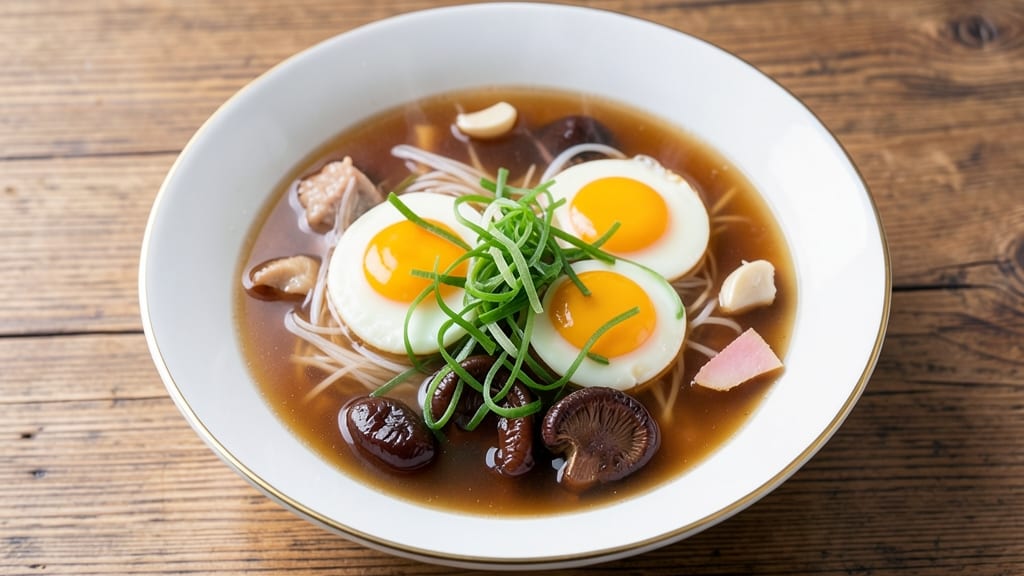
This traditional egg drop soup recipe transports you to a bustling Chinese kitchen where every spoonful tells a story of balance—cloudy broth meeting delicate egg ribbons. The secret lies in the broth's clarity and the eggs' gentle tempering, a technique that transforms simple ingredients into something deeply comforting.
I've perfected this version after years of testing, ensuring the broth stays aromatic without losing its signature cloudiness.
The beauty of this soup is in its simplicity: just a few ingredients—chicken broth, eggs, and a touch of cornstarch—come together to create a dish that's both elegant and approachable.
The key is patience—letting the broth simmer until it's fragrant but not reduced, then gently swirling in beaten eggs to create those signature silky strands. This method preserves the eggs' delicate texture while infusing them with the broth's rich flavor.
What you'll achieve is a bowl of soup that's creamy yet light, with each spoonful offering a perfect harmony of textures: the velvety egg ribbons gliding through the fragrant broth, finished with a sprinkle of green onions or mushrooms for added depth.
The aroma alone will have everyone gathering around the table, but the first taste is what truly makes this dish unforgettable.
Serve it as a starter to any meal or enjoy it on its own—this soup is equally at home in a busy restaurant or a quiet kitchen. The technique is straightforward, but the results are nothing short of restaurant-quality. Let's get started on creating this timeless classic.
Ingredients for traditional egg drop soup
Four cups of fragrant broth, three eggs, and a touch of cornstarch create this restaurant-style classic.
| Ingredient | Amount | Notes |
|---|---|---|
| Chicken Broth 🍲 | 4 cups | Homemade or high-quality store-bought |
| Large Eggs 🥚 | 3 whole | Fresh, room temperature preferred |
| Cornstarch 🌾 | 1 tbsp | For thickening egg ribbons |
| Green Onions 🧅 | 2 whole | Thinly sliced, for garnish |
| Fresh Ginger Root 🌿 | 1 tbsp | Finely grated, aromatic |
| Garlic Cloves 🧄 | 2 cloves | Minced, for depth |
| Sesame Oil 🫒 | ½ tsp | Toasted, for aroma |
| Salt 🧂 | ½ tsp | Adjust to taste |
| White Pepper 🌶️ | ¼ tsp | Freshly ground preferred |
| Vegetable Oil 🫒 | 1 tbsp | Neutral, for swirling |
| Dried Shiitake Mushrooms 🍄 | 2 whole | Rehydrated, for umami |
The broth is the foundation—homemade is ideal but quality store-bought works too. Look for low-sodium options to control seasoning later. Fresh ginger and garlic are non-negotiable here; organic produce from the grocery store's refrigerated section keeps best. For mushrooms, Trader Joe's dried shiitake slices save time. The eggs should be cold when beaten—room temperature later for silky ribbons. If you're using dried mushrooms, soak them in hot water for 20 minutes before adding to the broth for maximum flavor extraction.
No cornstarch? Arrowroot powder works at the same ratio. Short on green onions? Chives or scallions are perfect substitutes. The sesame oil is crucial—toasted adds depth, but regular works in a pinch. For extra umami, a splash of soy sauce (1 tsp) enhances the broth without overpowering. If you're making this ahead, prepare the broth and store it separately—add eggs fresh for the best texture. The vegetable oil is just for swirling; any neutral oil (like canola) will do.
Broth keeps 3 days refrigerated or 3 months frozen. Eggs should be beaten just before adding to the broth. For extra restaurant flair, garnish with a drizzle of sesame oil and a sprinkle of white pepper. This soup reheats beautifully—gentle warming on the stove preserves those delicate egg strands. Portion into thermos containers for easy lunches; the heat keeps everything perfectly warm.
Why You'll Love This Recipe
- Five-Ingredient Magic: I swear by this recipe—just broth, eggs, a pinch of cornstarch, ginger, and green onions. That’s it. No fancy prep, no hidden ingredients, just pure, comforting simplicity that still feels special.
- Silky Ribbon Perfection: The moment you drizzle that egg-cornstarch slurry into simmering broth? Pure satisfaction. Thin, wispy strands of egg curl into the liquid, creating that signature creamy-yet-light texture—no lumps, no guesswork, just restaurant-quality results at home.
- Sick-Day Superstar: Between us, this is my go-to when I’m under the weather. The ginger adds a gentle kick, the broth warms you up, and the egg gives that protein boost without feeling heavy. (Yes, even on a Tuesday night when I’ve got zero energy.)
- Budget-Friendly Pantry Hero: Chicken broth, eggs, and ginger? All staples I already have. No last-minute grocery runs, no overpriced ingredients—just a meal that stretches for leftovers or doubles easily for guests. My wallet and my taste buds thank me.
Step-by-step instructions for traditional egg drop soup
Here's the authentic method that delivers cloudy broth and delicate egg ribbons every time.
Prepare the Aromatic Broth Base
In a medium saucepan, combine the 4 cups chicken broth, 1 tablespoon fresh ginger root, 2 cloves garlic cloves, and 2 whole dried shiitake mushrooms (rehydrated in warm water for 10 minutes). Bring to a gentle simmer over medium heat until the mushrooms are tender and the broth begins to steam.
Let the broth simmer uncovered for 5 minutes to allow the ginger and garlic to infuse their flavors. You'll notice the aroma become more pronounced—this is when the soup develops its authentic depth. Skim off any foam that rises to the surface to keep the broth clear. The mushrooms should be soft enough to break apart easily with a spoon.
Create the Perfect Egg Mixture
In a separate bowl, whisk together the 3 whole large eggs until they're completely combined. Add 1 tablespoon cornstarch, 0.5 teaspoon salt, and 0.25 teaspoon white pepper, then whisk vigorously for 30 seconds until the mixture becomes thick and glossy. The cornstarch is what transforms ordinary eggs into those signature silky ribbons.
Here's the thing—this mixture should be smooth with no visible streaks. If you see any lumps, strain it through a fine-mesh sieve into a clean bowl. The temperature of the broth matters too; it should be simmering gently but not boiling vigorously when you add the egg mixture. Too hot and the eggs will scramble; too cool and they won't ribbon properly.
Swirl in the Egg Ribbons
Heat 1 tablespoon vegetable oil in a small saucepan over low heat until it shimmers. Using a ladle, slowly drizzle the hot oil into the simmering broth while stirring continuously. This creates the signature cloudy effect that distinguishes traditional egg drop soup.
Now for the egg ribbons: With the broth still simmering gently, slowly pour the egg mixture in a thin stream while continuously stirring with chopsticks or a long spoon in one direction. You'll see delicate strands forming—this is where the magic happens. Keep the heat at low to maintain a gentle simmer; any boiling will break the ribbons into curds.
Finish with Garnishes
Once the egg ribbons have formed completely (about 1-2 minutes after adding the egg mixture), turn off the heat. The soup should have a delicate, cloudy appearance with visible egg strands throughout. Stir in 0.5 teaspoon sesame oil and 2 whole green onions (thinly sliced) for aroma and garnish.
Let the soup sit for 2 minutes before serving to allow the flavors to meld. The egg ribbons should remain silky rather than firm. If you notice any curdling, simply stir gently to redistribute the strands. Serve immediately in individual bowls with the green onions artfully arranged on top—this is the traditional presentation that makes all the difference.
Adjust and Serve Traditionally
Taste the soup and adjust seasoning if needed—add a pinch more salt or a dash of white pepper if desired. The broth should be flavorful but not overpowering, allowing the egg and mushrooms to shine. For an authentic touch, serve with a side of steamed rice and a small dish of chili oil on the table.
This traditional preparation emphasizes simplicity and technique over complexity. The key is patience—rushing the process will result in broken egg strands rather than the elegant ribbons that define this classic dish. Each bowl should showcase the delicate balance of textures: the silky egg, tender mushrooms, and aromatic broth working together in perfect harmony.
Pro Tips For Making Traditional Egg Drop Soup
- Heat the Broth High: Bring your chicken broth to a rolling boil before adding eggs—this creates the dramatic ribbon effect you want. I used to simmer it gently, and the eggs just turned into sad, watery blobs instead of silky strands. High heat makes the difference between "meh" and "wow."
- Whisk Eggs Like a Pro: Beat the eggs until the yolks and whites are completely unified—no streaks, no lumps. I learned this the hard way when my first batch turned into a lumpy mess. A fork works, but a whisk gives you better control, especially if your eggs are cold.
- Slurry the Cornstarch: Mix the cornstarch with a splash of cold broth first, then stir it into the hot broth—this prevents clumping and gives you a smooth, glossy finish. Skipping this step means you’re basically fishing for lumps with a spoon.
- Slice Ginger Thin: Use a mandoline or sharp knife to slice the ginger into paper-thin sheets—this way, it infuses the broth without overpowering it. Thick chunks make the soup taste like a ginger bomb. Trust me, your soup will thank you.
Make-ahead tips for this traditional egg drop soup
Broth Prep Ahead
Prepare the aromatic broth base 24 hours ahead for maximum flavor development. Simmer the broth with ginger, garlic, and mushrooms, then cool completely before refrigerating in an airtight container. The flavors intensify overnight, and you can reheat it gently on the stove for 5 minutes before adding the eggs.
I always double the recipe and freeze half—just thaw overnight in the fridge before reheating. 🌿
Egg Mixture Prep
Beat the eggs with cornstarch right before cooking—this is non-negotiable for silky ribbons. However, you can prep the dry ingredients (cornstarch, salt, and pepper) in advance and store them in a small jar.
When ready to cook, simply whisk with fresh eggs. For extra convenience, pre-measure everything into a small ramekin so it's ready to go when the broth is simmering. 🥚
Oil Infusion Shortcut
Instead of heating oil separately, I like to infuse the broth with sesame oil during the initial simmer. Add ½ teaspoon toasted sesame oil along with the ginger and garlic. This creates the signature cloudy effect while adding aroma upfront.
For a stronger flavor, toast ½ teaspoon sesame seeds in a dry pan for 30 seconds and sprinkle into the finished soup. 🫒
Mushroom Prep
Rehydrate the dried shiitake mushrooms a day ahead and store them in their soaking liquid in the fridge. The mushrooms will absorb more flavor over time. When ready to cook, simply drain and add them to the broth.
For extra convenience, slice them thinly while still wet and store in a small container with a splash of broth to keep them moist. 🍄
Garnish Prep
Slice the green onions a day ahead and store them in an airtight container in the fridge. They'll keep their vibrant color and crisp texture. For a restaurant-style presentation, arrange the green onions in a small bowl of ice water for 10 minutes before serving to keep them bright.
A quick sprinkle of white pepper right before serving adds that final professional touch. 🧅
Reheating for Serving
If making ahead, reheat the soup gently on the stove over low heat for 5-7 minutes. Never microwave—it breaks the egg ribbons into curds. For a crowd, use a slow cooker on warm for 10 minutes to keep everything warm without overcooking.
The key is maintaining that gentle simmer to preserve the delicate egg strands. Serve immediately for the best texture. ⏰
Nutrition facts
Frequently asked questions
Why does traditional egg drop soup have a cloudy appearance?
The signature cloudiness comes from two key techniques: adding hot oil to the simmering broth and gently stirring it continuously. The oil creates microscopic droplets that scatter light, giving that signature milky look. The constant stirring also helps distribute tiny egg particles evenly throughout the broth, enhancing the cloudy effect while keeping the texture silky.
Can I make this soup without cornstarch?
Yes, but the egg ribbons won't be as delicate. Use 1 teaspoon arrowroot powder instead at the same ratio, or omit it entirely for a simpler version. Without either thickener, the eggs will still cook but may form more solid curds rather than silky strands. The soup will still taste great—just expect slightly different textures.
What's the best way to fix broken egg ribbons?
If your egg strands turn into curds, don't worry! Simply stir the soup gently over low heat for 1-2 minutes to redistribute the egg. For extra silkiness, whisk 1 tablespoon cold water into the remaining egg mixture and pour it in slowly while stirring continuously. The key is patience—keep the heat low and stir in one direction.
How do I make this soup vegetarian?
Replace the chicken broth with 4 cups vegetable broth> and use 2 tablespoons soy sauce> for umami depth. Keep all other ingredients the same, including the mushrooms. For extra protein, add ½ cup tofu cubes> to the broth while simmering. The egg ribbons will still form beautifully with these substitutions.
Why should I simmer the broth uncovered?
Simmering the broth uncovered allows excess foam and impurities to rise and evaporate, keeping the broth clear and flavorful. The gentle heat also helps develop the aromatic compounds from ginger and garlic without overcooking them. Covering the pot can trap moisture, which dilutes the flavors and creates a cloudy appearance from condensation rather than the desired oil-infusion technique.