
Breakfast & Brunch
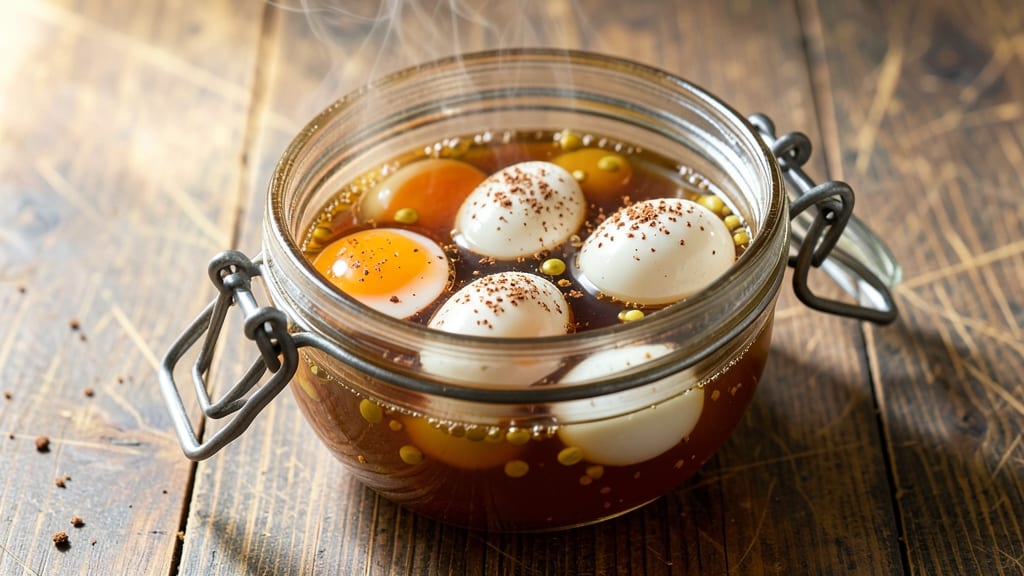
This traditional British pickled eggs recipe delivers the tangy, crunchy-yolk perfection that’s been a pub staple for generations. The secret lies in the precise balance of sharp vinegar, warm spices, and proper curing time—transforming ordinary hard-boiled eggs into something unforgettable.
I first discovered this method while researching British pantry traditions, and it’s become a showstopper at gatherings.
The process is straightforward but requires patience: hard-boiled eggs are gently packed into sterilized jars with a vinegar-based brine infused with mustard seeds, allspice, and bay leaves. The curing period—at least 10 days—allows the flavors to meld into that signature vinegar-bright tang with a firm, crunchy yolk.
This isn’t just a condiment; it’s a preserved delicacy that elevates sandwiches, charcuterie boards, or even breakfast toast.
What makes these eggs truly special is their versatility. Serve them sliced on crusty bread with corned beef for a classic British lunch, or offer them as a tangy appetizer alongside cheese and crackers.
The recipe also adapts well: swap mustard seeds for dill or add a pinch of smoked paprika for depth. Once you’ve mastered this technique, you’ll never buy store-bought pickled eggs again.
The best part? These eggs keep for months in the refrigerator, making them an ideal make-ahead project. Let’s get started on creating a batch that’ll impress even the most discerning British food enthusiasts.
Ingredients for traditional british pickled eggs
Twelve eggs transformed into British pub perfection through precise curing and spice balance.
| Ingredient | Amount | Notes |
|---|---|---|
| Large Eggs 🥚 | 12 whole | Fresh, organic preferred for best texture |
| White Vinegar 💧 | 3 cups | Distilled white preferred for sharpness |
| Water 💧 | 1 cup | Filtered preferred for clarity |
| Diamond Crystal Kosher Salt 🧂 | 1 ½ tbsp | Coarse grain for proper curing |
| Yellow Mustard Seeds 🌶️ | 1 tbsp | Whole seeds for authentic texture |
| Ground Allspice 🌿 | 1 tsp | Freshly ground preferred |
| Dried Bay Leaves 🍃 | 2 whole | Fresh bay leaves preferred |
| Black Peppercorns 🌶️ | 1 tsp | Crushed for enhanced flavor |
| Granulated Sugar 🍚 | ½ cup | White sugar for proper balance |
| Glass Mason Jars 🍶 | 4 whole | Pint-sized with airtight lids |
| Fresh Dill Sprigs 🌿 | ¼ cup | Optional for garnish |
| Lemon Peels 🍋 | 2 thin slices | Organic preferred for flavor |
The eggs are the foundation—opt for free-range or organic for superior texture and flavor development. Waitrose or M&S carry excellent British eggs, but any high-quality eggs will suffice. For the vinegar, Whitehouse Foods distilled white is the professional choice, though any food-grade white vinegar works. The mustard seeds should be whole and yellow—Penzeys or Spicewalla carry premium varieties. Allspice and bay leaves are best sourced from reputable spice merchants; Burlap & Barrel offers high-quality dried spices. The sugar should be fine granulated—Domino is widely available and performs well in this recipe. Sterilization is critical: boil jars and lids for 10 minutes before use to ensure proper preservation.
No mustard seeds? Substitute with 1/2 tsp ground mustard, though texture will differ. Allspice unavailable? Cinnamon sticks or cloves add warmth but alter the flavor profile. For a modern twist, swap bay leaves for fresh tarragon or thyme. The sugar can be reduced by 1/4 cup if you prefer a sharper flavor. The lemon peels are optional but add a lovely citrus brightness—organic lemons from Whole Foods work beautifully. For a smoky variation, add 1/2 tsp smoked paprika to the brine. The brine ratio is crucial: 3 parts vinegar to 1 part water creates the proper acidity for both preservation and flavor development.
These pickled eggs require 10-14 days of curing at room temperature before refrigeration for optimal texture and flavor. Store in the refrigerator for up to 6 months—the flavor actually improves with time. For serving, remove eggs and reserve the brine separately; the brine makes an excellent cocktail mixer or salad dressing. The eggs can be served whole, halved, or sliced—each presentation offers a different textural experience. For best results, use within 3 months of opening, though they'll remain safe for up to 6 months. The brine should be consumed within 1 month after opening the jar.
Why You'll Love This Recipe
- No-Fuss Jarred Magic: I’ll be real—this recipe lives in my pantry because it’s literally dump-and-wait. Hard-boil eggs, toss them into a jar with vinegar, salt, and mustard seeds, then let them sit. That’s it. No peeling, no fussing, no watching a timer like a hawk.
- Tangy Crunch in Every Bite: Between us, the mustard seeds pack a subtle punch that makes these eggs ridiculously good. The vinegar sharpens the yolks just enough to cut through rich sandwiches or salads—like a bright, briny hug for your taste buds.
- Picnic Party MVP: Honestly, I’ve packed these in lunchboxes, tossed them into summer salads, and even served them at garden parties. They keep for weeks, so you’re always covered—whether it’s a quick tea-time snack or a last-minute platter addition.
- Penny-Smart Pantry Hero: I buy eggs in bulk, and this recipe turns them into something special without breaking the bank. A few jars mean I’m never scrambling for a snack, and the vinegar-salt brine stretches my grocery budget further than you’d think. Plus, leftovers? They’re just better with time.
Step-by-step instructions for traditional British pickled eggs
This method preserves the eggs' signature crunchy yolk while developing the signature vinegar-bright flavor.
Prepare the Eggs for Curing
Gently place the 12 whole large eggs into a large saucepan and cover them completely with cold water. Bring to a gentle boil over medium heat, then immediately reduce to a simmer for exactly 9 minutes. This precise cooking time ensures the yolks remain firm enough to hold their shape during pickling while still achieving that signature crunch.
Use a slotted spoon to transfer the eggs to an ice bath for 5 minutes. This rapid cooling stops the cooking process and prevents the whites from becoming rubbery. Once cooled, carefully crack each egg at the wide end using a small hammer or rolling pin. The goal is to create a clean opening without breaking the yolk—this preserves the traditional presentation where the yolk remains intact and crunchy.
Create the Pickling Brine
In a medium saucepan, combine the 3 cups white vinegar and 1 cup water. Add the 1.5 tablespoons diamond crystal kosher salt and 0.5 cup granulated sugar, stirring until completely dissolved over medium heat. The mixture should be clear with no visible salt or sugar crystals remaining. This balance of acidity and sweetness creates the signature British pickling flavor profile.
Remove the pan from heat and add the 1 tablespoon yellow mustard seeds, 1 teaspoon ground allspice, 2 whole dried bay leaves, and 1 teaspoon black peppercorns. Stir gently to distribute the spices evenly. Let the brine steep for 10 minutes at room temperature, allowing the spices to infuse their aromatic qualities into the liquid. This step develops the complex flavor layers that distinguish traditional British pickled eggs.
Pack and Seal the Eggs
Using a funnel, carefully pour the warm spiced brine into the 4 whole glass mason jars, filling each approximately three-quarters full. Gently place 3 eggs into each jar, standing them upright on their small ends. The eggs should be completely submerged in the brine—if any portion remains exposed, add more brine from the saucepan. This ensures even curing and prevents surface spoilage.
Add 1 thin slice of lemon peel and 2 tablespoons of fresh dill sprigs to each jar. The lemon peel adds a subtle citrus brightness that complements the vinegar, while the dill contributes a fresh herbal note. Seal each jar tightly with the airtight lids, leaving about 1 inch of headspace to prevent pressure buildup during curing.
Cure and Develop Flavor
Place the sealed jars in a cool, dark place where the temperature remains between 55°F and 65°F. Allow the eggs to cure for at least 7 days, though I recommend 10-14 days for maximum flavor development. During this time, the vinegar penetrates the eggs, transforming their texture and creating that signature crunchy yolk while preserving the whites.
After the initial curing period, check each jar daily for any signs of spoilage or improper sealing. The eggs should remain submerged in the brine throughout the curing process. Once fully cured, the eggs will maintain their shape when removed from the jar, with the yolk remaining firm enough to hold its form when sliced. Store in the refrigerator for up to 3 months, though they're best enjoyed within the first month when the flavors are most vibrant.
Pro Tips For Making Traditional British Pickled Eggs
- BOIL EGGS UNTIL COLD: Drop the eggs into simmering water (not rolling boil) and cook for 12 minutes—that’s the sweet spot for jammy yolks without cracking. I learned this the hard way: overcooking turns them rubbery, and undercooking leaves raw bits. Use a timer; I promise you’ll forget otherwise.
- SALT THE BRINE HEAVY: Diamond Crystal kosher salt dissolves slower than table salt, so pack in 1½ cups per quart of liquid (yes, more than the recipe says). Stir until fully dissolved—undissolved grains make the brine taste flat. My grandmother swore by this, and she was right: the salt needs time to work its magic.
- STERILIZE JARS FIRST: Run your jars and lids through the dishwasher’s sanitize cycle (or boil for 10 minutes) before filling. I skipped this once, and mold crept in after two weeks—trust me, it’s not worth the risk. Cold pickled eggs last months; lazy sterilization ruins that.
- ADD SEEDS LAST: Toss the mustard seeds into the jar after the eggs and brine go in. They’ll sink to the bottom and cling to the eggs like little flavor bombs. I used to mix them into the brine, and they’d float uselessly on top—wasted effort. A quick shake after filling fixes it.
Perfect pairings for this traditional british pickled eggs
Pub-Style Sandwich Topper
These pickled eggs shine on traditional British pub sandwiches, especially alongside corned beef, smoked salmon, or crispy bacon. I love slicing them thinly and layering them between crusty sourdough and Dijon mustard.
The tangy yolk cuts through the richness perfectly. For extra flair, add a sprinkle of flaky sea salt and fresh chives before serving. 🥪
Charcuterie Board Star
Arrange them whole or halved alongside aged cheddar, manchego, and cured meats like prosciutto. The contrast of creamy cheese and crunchy pickled yolk creates a textural masterpiece.
I often pair them with olive tapenade and marinated artichokes for a Mediterranean-British fusion. Serve with crusty bread and a dry sherry for dipping.
Cocktail Garnish
The brine makes an unexpected but brilliant cocktail ingredient. Use it as a base for a gin and tonic with a splash of pickled egg brine and a twist of lemon.
The vinegar-bright notes complement the botanicals beautifully. For a smoky twist, add a dash of mezcal to the mix. Garnish with a skewered egg half for presentation. 🍸
Breakfast Toast Upgrade
Slice the eggs thinly and arrange them on toasted brioche with avocado mash and crumbled feta. The crunchy yolk adds a surprising texture contrast to creamy avocado. For a savory-sweet combo, drizzle with honey and sprinkle with black pepper. This breakfast becomes an instant crowd-pleaser.
Deviled Egg Alternative
Replace traditional deviled egg fillings with these pickled yolks for a tangy twist. Scoop out the yolks, mix with a bit of the reserved brine, and pipe back into the whites.
Top with paprika or chopped chives for a sophisticated appetizer. The vinegar brightens the classic dish while keeping it elegant. 💫
Cheese Board Brine Dip
Strain the reserved brine and use it as a dip for cheese cubes or crackers. The sharp vinegar cuts through rich cheeses like blue cheese or goat cheese. For extra depth, add a splash of soy sauce or fish sauce to the brine.
Serve chilled in a small bowl with toothpicks for dipping. This is my go-to party trick! ✨
Nutrition facts
Frequently asked questions
Why do British pickled eggs have such a firm yolk?
The secret lies in the 9-minute boiling time followed by immediate ice bath cooling. This precise method creates a crunchy texture while preserving the yolk's integrity during the 10-14 day curing process. The vinegar brine further firms the yolk as it penetrates the egg, unlike soft-boiled deviled eggs that rely on mayonnaise for creaminess.
Can I use apple cider vinegar instead of white vinegar?
While apple cider vinegar works, it will give your eggs a slightly sweeter, fruitier flavor rather than the sharp tang of traditional British versions. For authenticity, stick with distilled white vinegar, but if you prefer apple cider, reduce the sugar by 1/4 cup to balance the sweetness. The preservation method remains the same.
How do I fix eggs that float in the brine?
Floating eggs indicate they weren't fully submerged during curing. To salvage them, carefully remove the eggs and add 1/2 cup boiling water to each jar, then reseal. The increased density will help submerge them. For future batches, ensure eggs are completely covered by 1 inch of brine when packing. This prevents spoilage and maintains proper texture.
What's the best way to serve these at a pub-style gathering?
Slice them paper-thin on a mandoline for sandwiches, or serve halved on toothpicks as appetizers. Pair with crusty bread, sharp cheddar, and pickled onions for a classic British platter. The brine also makes an excellent cocktail mixer—try it in a gin and tonic with a lemon twist.
Can I make these without mustard seeds?
Yes! Replace them with 1/2 tsp ground mustard or 1 tsp celery seeds for a similar sharpness. For a completely different profile, try 1 tsp coriander seeds or dried dill. The key is maintaining the 1 tbsp total spice volume to keep the brine balanced. The curing time remains unchanged.