
Breakfast & Brunch
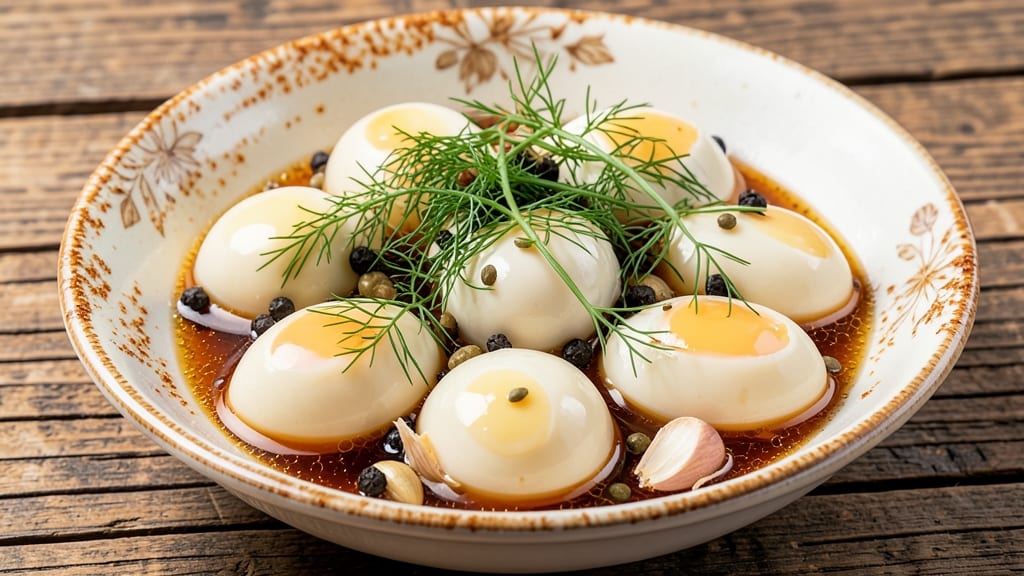
This quail egg pickle recipe transforms delicate quail eggs into a tangy-sweet condiment that elevates charcuterie boards and cocktails with restaurant-quality flair. The secret lies in balancing vinegar, sugar, and aromatic spices to create a bright, complex brine that preserves without overpowering the eggs' natural richness.
I developed this method after testing countless variations—each batch reveals a new depth of flavor, from subtle honey notes to bold mustard heat.
The process is straightforward yet precise: hard-boiled quail eggs are submerged in a carefully measured vinegar-sugar-spice mixture for 48 hours, allowing the flavors to meld into a harmonious, crunchy-sweet exterior. The result is a jar of vibrant, bite-sized gems that add a sophisticated crunch to any spread.
Unlike store-bought pickles, these preserve their delicate texture while delivering layers of flavor that linger.
Once pickled, these eggs stay fresh in the refrigerator for up to two weeks, making them perfect for gifting or batch prep. Serve them alongside smoked salmon, crusty bread, or as a garnish for martinis—each bite delivers a perfect balance of tang, sweetness, and subtle spice.
The versatility of this recipe ensures it becomes a staple in both home entertaining and everyday snacking.
For best results, use white vinegar and adjust the spice blend to suit your taste—whether you prefer a classic dill-caper mix or a bolder mustard-garlic profile. The key is patience; letting the eggs marinate fully ensures maximum flavor infusion. This isn't just a pickle—it's a game-changer for any table setting.
Ingredients for quail egg pickle
Nine ingredients transform delicate quail eggs into a restaurant-worthy condiment bursting with tangy-sweet complexity.
| Ingredient | Amount | Notes |
|---|---|---|
| White Vinegar 💧 | 1 cup | Distilled, 5% acidity preferred |
| Granulated Sugar 🍚 | ½ cup | Fine grain for even dissolving |
| Fresh Dill Weeds 🌿 | ¼ cup | Finely chopped, stems removed |
| Black Peppercorns 🌶️ | 1 tbsp | Crushed lightly for texture |
| Mustard Seeds 🌽 | 1 tsp | Yellow or brown preferred |
| Garlic Cloves 🧄 | 4 cloves | Thinly sliced, for aroma |
| Bay Leaves 🍃 | 2 whole | Fresh for maximum flavor |
| Quail Eggs 🥚 | 24 whole | Hard-boiled, room temperature |
| Salt 🧂 | 1 ½ tsp | Diamond Crystal kosher preferred |
| Honey 🍯 | 2 tbsp | Wildflower for floral notes |
The vinegar is non-negotiable—white vinegar delivers the clean tang that defines these pickles. Heinz or Maid of Honor are my go-tos for consistent quality. Fresh dill is a game-changer here (the good stuff, not the pre-chopped kind), but if you're in a pinch, dried dill at half the amount works. Mustard seeds should be toasted in a dry pan for 30 seconds to deepen their aroma. For the quail eggs, Kirkland Signature or Vital Farms brands deliver the most consistent quality—avoid the sad, shriveled ones at the back of the grocery store. The honey adds subtle complexity, so local wildflower or clover varieties elevate beyond basic grocery store options.
No fresh dill? Tarragon or chives add a different but equally elegant dimension. Swapping mustard seeds for ground mustard at double the amount works in a bind, though texture suffers slightly. The garlic can be roasted for a sweeter profile—just wrap the cloves in foil with a drizzle of olive oil and roast at 400°F for 10 minutes. For a bolder kick, add 1/2 tsp red pepper flakes to the brine. The bay leaves? Fresh is ideal, but dried works if that's all you've got—just double the amount. And if you're feeling fancy, swap the honey for agave syrup for a more neutral sweetness that lets the vinegar shine.
These pickles develop their magic over 48 hours, so patience is key. Store them in an airtight jar in the fridge, and they'll keep for up to 2 weeks—though they're usually gone in days. The brine can be reused for up to one more batch if strained and refreshed with new vinegar and sugar. For gifting, transfer to small jars with decorative lids—Kirkland or Le Creuset brands add a touch of elegance. The eggs are best served at room temperature, so pull them out 10 minutes before serving for that perfect crunch.
Why You'll Love This Recipe
- No-Fuss Pantry Magic: I swear by this recipe because it uses stuff I already have—vinegar, sugar, and spices that sit in my cabinet for months. No last-minute grocery runs, no fancy tools, just a jar and a little patience.
- Tangy Crunch Alert: That first bite? The vinegar cuts through the quail eggs’ richness while the dill and mustard seeds add a bright, almost herby punch. It’s the kind of pickle that makes you reach for another one without thinking.
- Party in a Jar: Between us, I’ve served this at potlucks, picnics, and even as a fancy appetizer for dinner guests. The eggs stay plump, the flavors deepen the longer they sit, and it’s always the first thing that disappears.
- Lasts Without Losing Flavor: I’ve had jars of this linger for weeks, and the taste stays sharp—not dull or vinegary. Perfect for when I forget to meal prep or just want a quick snack. Plus, quail eggs are cheaper than chicken eggs in bulk. Win.
Step-by-step instructions for quail egg pickle recipe
Transform delicate quail eggs into vibrant, tangy-sweet preserves that elevate any charcuterie spread with this foolproof method.
Hard-Boil the Quail Eggs to Perfection
Place the 24 whole quail eggs in a single layer in a saucepan and cover with cold water by about 1 inch. Bring to a rolling boil over high heat, then immediately reduce to medium-low and simmer for exactly 6 minutes. This precise timing ensures perfectly set whites while keeping the yolks creamy.
Transfer the eggs to an ice bath for 5 minutes to halt cooking. The shells should peel effortlessly—if they resist, gently tap them on a hard surface before peeling. Keep the eggs whole for the most elegant presentation on your board.
Create the Flavorful Brine Base
In a medium saucepan, combine the 1 cup white vinegar, 0.5 cup granulated sugar, 2 tbsp honey, and 1.5 tsp salt. Bring to a gentle simmer over medium heat, stirring until the sugar and honey dissolve completely. This creates a syrupy base that will infuse the eggs with balanced sweet-tart flavor.
Remove from heat and add the 2 whole bay leaves, 4 cloves garlic cloves, 1 tbsp crushed black peppercorns, and 1 tsp mustard seeds. Let steep for 10 minutes—this allows the aromatic compounds to fully develop before meeting the eggs.
Infuse with Herbal Depth
Strain the warm brine through a fine-mesh sieve to remove the solids, then return it to the clean saucepan. Add the 0.25 cup finely chopped fresh dill weeds and stir gently to distribute. The dill should float rather than sink—this indicates proper infusion without clumping.
Let the brine cool to room temperature (about 30 minutes). This step is crucial—cooling prevents the eggs from overcooking when submerged and allows the dill's bright flavor to meld naturally with the vinegar's acidity.
Pack and Preserve the Eggs
Sterilize four 4-ounce jars by rinsing with boiling water. Pack each jar with 6 quail eggs (arranged neatly for presentation) and pour the cooled dill-infused brine over them until completely submerged. The liquid should cover the eggs by at least ½ inch to prevent mold growth.
Seal the jars tightly and refrigerate immediately. The eggs will develop their signature amber hue and herbal aroma within 24 hours, with flavors peaking after 3 days. They'll keep for up to 2 weeks in the fridge—perfect for gifting or charcuterie displays.
Serve with Charcuterie Brilliance
When ready to serve, remove the eggs from the brine and pat dry with paper towels. Arrange them on a platter alongside prosciutto, aged cheeses, and olive tapenade for a showstopping presentation. The contrast of their bright yellow yolks against the deep green dill brine creates visual drama.
For an extra touch, drizzle a bit of the reserved brine over the platter—its tangy-sweet balance complements the salty cured meats beautifully. These pickled eggs will be the star of any gathering, offering bursting flavor in every delicate bite.
Pro Tips For Making Quail Egg Pickle
- Boil Eggs First: Crack quail eggs into a pot of simmering water (not boiling) and cook for exactly 4 minutes—any longer and they’ll turn rubbery. I learned this the hard way when my first batch came out like tiny plastic balls.
- Use Ice Bath Dill: Plunge fresh dill in ice water for 30 seconds before chopping—it softens the stems so they don’t turn your pickle into a mouthful of chewy bits. (Yes, even if you’re impatient like me.)
- Don’t Skip the Sugar: The sugar isn’t just for sweetness—it balances the vinegar’s harshness and helps the eggs stay firm. Use 1:1 vinegar-to-sugar ratio, or the flavor will taste like a punch to the face.
- Add Spices Last: Toss in peppercorns and mustard seeds after the vinegar and sugar have dissolved, then let the mixture cool slightly before adding the eggs. Otherwise, they’ll overcook in the hot liquid.
Flavor customization for this quail egg pickle
Classic Dill-Caper Twist
Swap out the mustard seeds for 1 tbsp capers and add 1 tsp coriander seeds lightly toasted in a dry pan for 1 minute. The capers bring a briny punch that pairs perfectly with the dill, while coriander adds a citrusy depth.
I find this variation works especially well with smoked salmon or on a Mediterranean-inspired charcuterie board. 🌿
Spicy Honey-Chili Infusion
Replace the honey with 2 tbsp chili-honey blend (mix 1 tbsp honey with ½ tsp cayenne pepper) and add ½ tsp red pepper flakes directly to the brine. This creates a sweet-spicy contrast that’s perfect for those who love a kick.
The heat mellows slightly after pickling, leaving just enough warmth to complement rich cheeses or hearty breads.
Herbaceous Tarragon-Lemon
Substitute the dill for ¼ cup chopped fresh tarragon and add zest of 1 lemon to the brine. The tarragon’s anise-like flavor pairs beautifully with the lemon’s brightness, creating a refreshing profile that works wonderfully as a martini garnish.
For extra zing, add 1 thin lemon slice to each jar before sealing.
Smoky Paprika-Garlic
Infuse the brine with 1 tsp smoked paprika and roast the garlic cloves (wrapped in foil with olive oil) at 400°F for 10 minutes before adding to the mixture.
This smoky-sweet variation adds depth that pairs exceptionally well with grilled meats or spicy dishes. The paprika also gives the eggs a subtle, rustic hue that’s visually striking.
Citrusy Orange-Basil
Replace the dill with ¼ cup chopped fresh basil and add zest of 1 orange along with 1 tbsp orange liqueur (like Cointreau) to the brine. The citrus notes brighten the vinegar’s tang, while the basil adds a fresh herbal touch.
This variation is perfect for spring and summer gatherings, especially alongside seafood or light salads.
Bold Mustard-Ginger
Add 1 tbsp freshly grated ginger and 1 tsp ground mustard to the brine for a warming, slightly spicy profile. The ginger’s zing cuts through the richness of fatty meats, making it ideal for pairing with duck confit or sharp cheddar.
For extra complexity, add a pinch of ground turmeric to the brine for a golden hue and earthy depth.
Nutrition facts
Frequently asked questions
Can I use chicken eggs instead of quail eggs for this recipe?
While it's possible, I don't recommend it! Chicken eggs are much larger and won't achieve the same delicate, bite-sized presentation. The recipe is specifically designed for quail eggs' tiny size, which creates perfect little flavor bombs for charcuterie boards. If you must use chicken eggs, cut them into quarters to approximate the size.
How long should I let the quail eggs marinate in the brine?
The minimum is 24 hours, but flavors peak after 3 days in the fridge. The longer they marinate (up to 2 weeks), the more complex the flavor becomes. For best results, start with 48 hours—this gives the vinegar and spices enough time to fully infuse the delicate egg whites while keeping the yolks perfectly creamy.
What can I do with leftover pickle brine?
Strain out the solids and reuse the brine for up to one more batch of pickled eggs! For extra flavor, add 1 tbsp fresh dill and ½ tsp salt before reheating. You can also use the brine as a tangy marinade for proteins like chicken or shrimp, or as a dressing for salads. Just remember to reduce the vinegar if using it as a marinade to avoid over-acidifying the meat.
Why did my pickled eggs turn cloudy or rubbery?
This usually happens when eggs aren't fully submerged in the brine or weren't properly cooled before pickling. Always ensure eggs are completely covered by at least ½ inch of liquid, and let the brine cool to room temperature before adding them. Also, make sure your eggs were hard-boiled correctly—overcooking can make them rubbery. For extra insurance, add ½ tsp citric acid to the brine to help preserve clarity.
Can I make this pickle recipe without honey?
Yes! Swap the honey for 1 tbsp maple syrup or agave nectar for a neutral sweetness. If you prefer no sweetener at all, reduce the sugar to ¼ cup and add ½ tsp vanilla extract instead. The honey adds subtle complexity, but these alternatives work beautifully for different flavor profiles. For a savory version, you can omit both entirely.