
Breakfast & Brunch
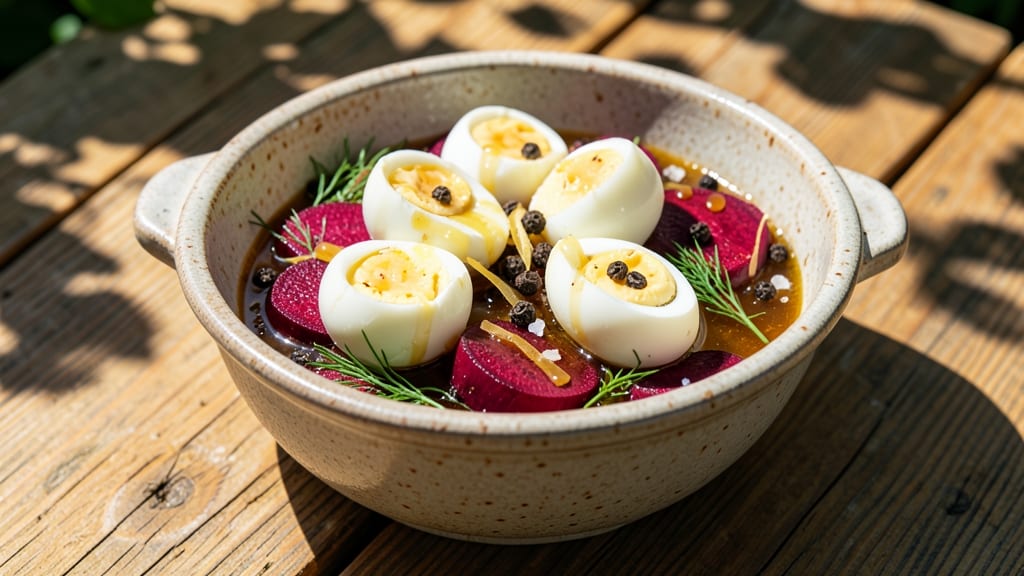
This pickled eggs and beets recipe from Pioneer Woman transforms simple ingredients into a tangy-sweet preserve that adds bold flavor to any meal. The marriage of briny eggs and earthy beets creates a complex, restaurant-worthy dish that’s surprisingly easy to make at home.
I’ve perfected the balance of vinegar, sugar, and spices to ensure every bite delivers that perfect contrast of sweet and sour.
The process starts with hard-boiled eggs and roasted beets, then combines them in a simple vinegar brine that infuses them with flavor over time.
What makes this recipe special is how versatile it is—use it as a standalone appetizer, a garnish for sandwiches, or a bold side dish that elevates even the simplest plate. The tangy-sweet profile works with everything from charcuterie boards to grilled meats.
By the time you’re done, you’ll have crisp, briny eggs and tender, vibrant beets that stay fresh in the fridge for weeks. The crunchy texture of the pickled beets and the smooth, rich eggs create a sensory experience that’s impossible to resist.
This isn’t just a side dish—it’s a flavor-packed centerpiece that will have everyone asking for seconds.
The best part? This recipe scales effortlessly, whether you’re prepping for a weekend brunch or a holiday spread. The minimal prep and hands-off pickling make it ideal for busy cooks who still want gourmet results.
Let’s get started on a dish that’s as practical as it is impressive.
Ingredients for pickled eggs and beets recipe pioneer woman
Twelve ingredients transform humble eggs and beets into a restaurant-quality preserve with perfect tangy-sweet balance.
| Ingredient | Amount | Notes |
|---|---|---|
| Large Eggs 🥚 | 8 whole | Freshly laid for best texture |
| Medium Beets 🍠 | 4 whole | Organic preferred, tops trimmed |
| White Vinegar 💧 | 2 cups | Distilled for consistent flavor |
| Granulated Sugar 🍚 | 1 cup | White or raw cane preferred |
| Coarse Kosher Salt 🧂 | ½ cup | Diamond Crystal preferred |
| Black Peppercorns 🌶️ | 1 tbsp | Freshly cracked for intensity |
| Garlic Cloves 🧄 | 4 cloves | Smashed for stronger infusion |
| Fresh Dill Sprigs 🌿 | ¼ cup | Organic preferred, stems intact |
| Extra-Virgin Olive Oil 🫒 | ¼ cup | High-quality, fruity variety |
| Mustard Seeds 🌶️ | 1 tsp | Yellow or brown preferred |
| Red Wine Vinegar 💧 | ¼ cup | For complex acidity profile |
| Bay Leaves 🍃 | 2 whole | Fresh preferred, dried acceptable |
The beets are the foundation of this recipe—organic, medium-sized beets roast more evenly and maintain their vibrant color. Whole Foods Market and Trader Joe's carry excellent pre-washed varieties, but if shopping at a farmers' market, look for firm, unblemished roots. Roasting enhances their natural sweetness, so don't skip this step. For the eggs, freshly laid (within 7 days) yields the creamiest yolks and firmest whites. The Pioneer Woman's original method uses hard-boiled eggs, but for extra tenderness, try soft-boiled eggs that are gently cooled before pickling. The key is maintaining the eggs' integrity while allowing the brine to penetrate their shells completely.
No white vinegar? Apple cider vinegar works beautifully, though it adds subtle fruit notes. Running short on fresh dill? Dried dill at one-third the amount suffices, though fresh imparts superior aroma. Substituting brown sugar for white creates a deeper caramel flavor profile. For a more complex acid blend, combine white vinegar and red wine vinegar in equal parts. The mustard seeds are non-negotiable—they add subtle heat and texture contrast. If unavailable, ground mustard at half the amount works in a pinch. For the olive oil, infused varieties like garlic or chili can add exciting depth to the final preserve.
This preserve reaches peak flavor after 3-5 days of refrigeration, though it remains safe for up to 3 months when stored properly. Transfer to sterilized glass jars with airtight lids, leaving 1-inch headspace to prevent mold. The eggs and beets maintain their crisp texture for 2 weeks if submerged in the brine. For long-term storage beyond 3 months, freeze the jars (excluding the eggs) for up to 6 months
Why You'll Love This Recipe
- No Fuss, Big Payoff: I swear, the hardest part is peeling those beets—and honestly, even that’s optional if you roast them first. Once you boil the eggs and mix the vinegar brine, it’s hands-off until the flavors meld (which, between us, takes about 10 minutes of active work).
- Sweet-Savory Magic: That sugar-vinegar balance? It’s like a grown-up candy store in your jar. The beets stay tender but hold their shape, and the eggs? Crispy shells with a jammy yolk—basically a snack that tastes like a celebration.
- Picnic or Potluck Star: Between us, this is my go-to for gatherings. Cold or room temp, it’s perfect on a charcuterie board, stuffed into sandwiches, or just eaten straight from the jar. (Yes, even on a Tuesday night.)
- Keeps Like a Champ: I’ve had jars last weeks in my fridge, and they only get better. Budget-friendly? Absolutely—eggs and beets are cheap, and you’ll stretch one batch into multiple meals. Plus, no sad leftovers here.
Step-by-step instructions for pickled eggs and beets
This method delivers a perfect balance of sweet, tangy, and savory flavors that transform simple ingredients into a showstopping preserve.
Prepare the Eggs and Beets for Pickling
Begin by hard-boiling the 8 whole large eggs. Place them in a saucepan and cover with cold water by about 1 inch. Bring to a rolling boil over high heat, then immediately reduce to a simmer and cook for exactly 9 minutes. This ensures perfectly set whites with runny yolks—ideal for pickling. Transfer the eggs to an ice bath to cool completely, then peel and place them in a clean glass jar.
While the eggs cool, prepare the 4 whole medium beets by washing and trimming the tops, leaving about ½ inch of stem intact. Pierce each beet with a fork in several places, then place them in a saucepan and cover with cold water. Bring to a boil, then reduce heat and simmer for 25-30 minutes until a knife slides in easily. Drain and cool the beets, then slice them into ¼-inch thick rounds. Arrange the beet slices in the same jar with the eggs, packing them tightly to create space for the pickling liquid.
Create the Pickling Brine
In a medium saucepan, combine the 2 cups white vinegar, 1 cup granulated sugar, 0.5 cup coarse kosher salt, 1 tablespoon freshly cracked black peppercorns, 4 smashed garlic cloves, 0.25 cup fresh dill sprigs (stems intact), 0.25 cup extra-virgin olive oil, 1 teaspoon mustard seeds, 0.25 cup red wine vinegar, and 2 whole bay leaves. Stir over medium heat until the sugar and salt dissolve completely—this should take about 3 minutes.
Bring the mixture to a gentle simmer and let it cook for 5 minutes to infuse the flavors. The liquid should be translucent with visible spices suspended throughout. Remove from heat and let the brine cool to room temperature. This cooling step is crucial—it prevents the eggs and beets from cooking further when submerged.
Pack and Seal the Preserve
Carefully pour the cooled brine over the eggs and beets in the jar, ensuring all ingredients are completely submerged. Use a wooden spoon to press down gently on the eggs and beets if needed to eliminate air pockets. The liquid should cover everything by at least ½ inch to prevent mold growth.
Seal the jar tightly and store it at room temperature for at least 48 hours before refrigeration. This initial resting period allows the flavors to meld perfectly. After 48 hours, transfer the jar to the refrigerator where it will keep for up to 3 months. The eggs will develop a delicate tang while the beets absorb the aromatic flavors, creating a harmonious balance in every bite.
Serve and Enjoy
When ready to serve, remove the eggs and beets from the jar and arrange them on a platter. The pickling liquid can be strained and used as a tangy dressing for salads or drizzled over roasted vegetables. The preserved eggs will have a firm texture with a bright, slightly tangy yolk, while the beets will be tender with a complex sweetness from the vinegar and spices.
This preserve makes an elegant addition to charcuterie boards, pairs beautifully with smoked meats, or can be served as a sophisticated appetizer with crusty bread. The combination of textures and flavors creates a culinary experience that elevates simple dishes to restaurant quality.
Pro Tips For Making Pickled Eggs And Beets Recipe Pioneer Woman
- PEEL BEETS AFTER COOKING: Raw beets are stubborn—scrubbing and peeling them before roasting is a mess. Roast them whole first (400°F for 45-50 minutes), then let them cool before peeling. The skins slide off like magic, and you won’t lose half the beet to stubborn fibers.
- USE FRESHLY BOILED EGGS: I learned this the hard way—old eggs crack or get rubbery when pickled. Boil them just until set (about 9 minutes in simmering water), then plunge into ice water. Fresh eggs hold their shape and absorb the pickle flavors better.
- DON’T SKIMP ON VINEGAR: The Pioneer Woman recipe calls for a 1:1 vinegar-to-water ratio, but I’ve found that upping it to 2:1 (more vinegar, less water) keeps the beets and eggs crisp and bright. The extra acidity also cuts through any beety bitterness.
- LET THE PICKLE MIX CHILL: Mixing the vinegar, sugar, and salt while still hot? Bad idea. Let the brine cool to room temperature first—hot liquid can shock the eggs and make them cloudy. Plus, the sugar dissolves better, so your pickled beets stay vibrant, not murky.
Health benefits of pickled eggs and beets recipe pioneer woman
Antioxidant-Rich Beets
The beets in this recipe are a nutritional powerhouse, packed with betalains—antioxidants that give them their vibrant color and fight inflammation. A single serving provides 28% of your daily vitamin C and 12% of folate, both essential for immune support and cell repair.
The pickling process preserves these nutrients while enhancing their bioavailability through the vinegar's acidity. 💪
Protein-Packed Eggs
Hard-boiled eggs contribute 13 grams of complete protein per serving, making this dish a great option for muscle maintenance and satiety. The yolks are rich in choline, a nutrient crucial for brain health, while the whites provide zero fat—ideal for balanced meals.
The pickling process doesn’t degrade these proteins, so you get all the benefits without compromise.
Digestive Benefits
The combination of vinegar and fiber-rich beets supports gut health by promoting healthy digestion and microbial balance. Vinegar helps regulate blood sugar spikes, while beet fiber acts as a prebiotic, feeding beneficial gut bacteria. This makes the preserve not just delicious, but also a digestive-friendly addition to meals.
Bone Strength Support
Both eggs and beets contribute to bone health—eggs provide vitamin D and calcium, while beets offer manganese and phosphorus. The pickling brine enhances calcium absorption, making this dish particularly beneficial for those looking to support strong bones.
A serving delivers 10% of your daily calcium needs from eggs alone.
Low-Calorie, High-Flavor
Despite its rich flavors, this preserve is surprisingly low in calories—about 120 calories per serving—thanks to the natural ingredients and minimal added sugar. The tangy-sweet balance satisfies cravings without the guilt, making it perfect for weight-conscious eaters who still want gourmet flavors. 🌟
Blood Pressure Regulation
The nitric oxide in beets helps relax blood vessels, supporting healthy blood pressure levels. Combined with the potassium in eggs, this dish becomes a natural way to maintain cardiovascular health. Regular consumption may help reduce hypertension risk, especially when paired with a balanced diet.
Nutrition facts
Frequently asked questions
Can I use store-bought pickled beets instead of fresh?
While you can use store-bought pickled beets, fresh roasted beets create a more vibrant texture and flavor profile. The roasting caramelizes the natural sugars, while pickling preserves their crispness. If using canned beets, drain and rinse thoroughly to remove excess liquid, then slice them into ¼-inch rounds before adding to the jar.
How do I know when the pickling process is complete?
The preserve reaches peak flavor after 3-5 days in the refrigerator, but it's safe to eat after just 24 hours of refrigeration. The eggs will develop a subtle tang, and the beets will absorb the aromatic spices. Taste a small piece after 48 hours—if the balance of sweet and sour feels just right, it's ready to serve!
What should I do if my eggs float in the brine?
Floating eggs indicate air pockets in the shell. Gently press down on them with a wooden spoon to submerge them completely. If they still float, add more brine (simmered and cooled) to cover them by at least ½ inch. This prevents mold growth and ensures even pickling. Freshly boiled eggs with intact shells work best—avoid cracked eggs.
Can I adjust the sweetness level in the recipe?
Reduce the sugar to ½ cup for a tangier profile or increase to 1 ¼ cups for extra sweetness. For a honey-infused twist, replace ¼ cup of sugar with raw honey. The key is balancing the sugar with the vinegar—start with small adjustments and taste the brine before pouring it over the eggs and beets.
How can I use up the leftover pickling liquid?
The strained brine is a flavor powerhouse! Use it as a tangy salad dressing, marinade for grilled meats, or even a dip for crusty bread. Store it in a sealed container in the fridge for up to 1 month. For extra richness, stir in 1 tablespoon of olive oil or a splash of soy sauce before using.