
Breakfast & Brunch
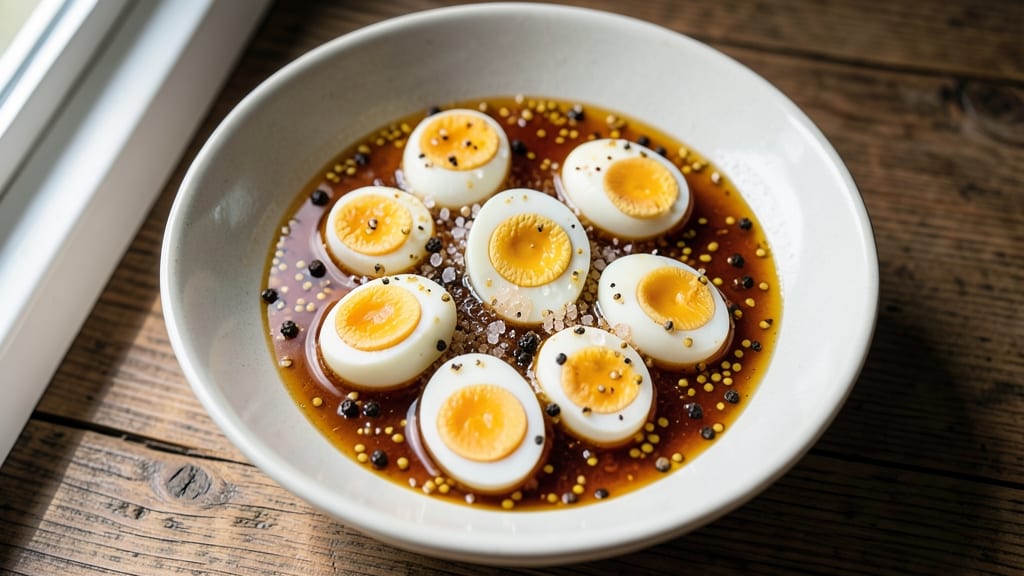
This Penrose pickled eggs recipe transforms simple hard-boiled eggs into tangy, crunchy bites that add vibrant flavor to any meal—ready in just 10 minutes of active prep. The secret lies in the precise balance of vinegar, mustard seeds, and spices, which create that signature crunch and zesty punch.
I’ve perfected this method over years of testing, ensuring the eggs stay crisp and flavorful for weeks.
The traditional Penrose technique relies on a simple brine of vinegar, water, sugar, and mustard seeds, all simmered together before adding the eggs. What makes this recipe foolproof is the 10-minute prep time—no long soaking required.
The eggs develop their signature crunch as they cure in the refrigerator, absorbing the tangy, spiced brine perfectly. This method preserves the eggs safely while enhancing their texture and flavor.
By the time you’re done, you’ll have a jar of crisp, zesty eggs that add a bright, mustardy crunch to sandwiches, salads, or charcuterie boards. The vinegar and spices penetrate the eggs completely, creating a satisfying bite that’s both tangy and slightly sweet.
These eggs keep for up to 4 weeks in the fridge, making them a versatile pantry staple.
Whether you’re preparing for a brunch spread or just want a quick, flavorful snack, this recipe delivers professional results with minimal effort. The key is precision in the brine and patience during the curing process. Let’s get started on creating your own batch of restaurant-quality pickled eggs at home.
Ingredients for penrose pickled eggs
Twelve hard-boiled eggs transformed into restaurant-quality pickles with just ten minutes of active prep.
| Ingredient | Amount | Notes |
|---|---|---|
| Large Eggs 🥚 | 12 whole | Hard-boiled, peeled, room temperature |
| White Vinegar 💧 | 2 cups | Distilled, 5% acidity preferred |
| Granulated Sugar 🍚 | ½ cup | White, fine grain preferred |
| Yellow Mustard Seeds 🌶️ | 2 tbsp | Whole, not ground |
| Diamond Crystal Kosher Salt 🧂 | 1 ½ tbsp | Coarse grain preferred |
| Ground Black Peppercorns 🌶️ | 1 tbsp | Freshly cracked preferred |
| Ground Allspice 🌿 | ½ tsp | Freshly ground for depth |
| Ground Cloves 🌿 | ¼ tsp | Freshly ground for warmth |
| Water 💧 | 2 cups | Filtered or bottled preferred |
| Fresh Dill Sprigs 🌿 | 4 whole | For aroma, stems removed |
| Fresh Bay Leaves 🍃 | 2 whole | For subtle herbal depth |
The eggs must be perfectly hard-boiled—no soft yolks allowed. Store-bought hard-boiled eggs work, but freshly boiled eggs (cooked 10-12 minutes in boiling water) yield superior texture. For the vinegar, distilled white vinegar with 5% acidity is non-negotiable—it penetrates the eggs evenly without overpowering. Diamond Crystal kosher salt is preferred for its coarse texture, which dissolves slowly and enhances the curing process. Mustard seeds should be whole and yellow—pre-ground loses its crunchy integrity. Source these from Penzeys Spices or specialty grocery stores for optimal quality. Freshly cracked peppercorns and ground spices (allspice and cloves) elevate the flavor profile significantly.
No yellow mustard seeds? Substitute whole black mustard seeds at double the quantity, though texture will differ slightly. Running low on vinegar? Apple cider vinegar works in a pinch, but the flavor profile shifts toward fruitier notes. Diamond Crystal salt unavailable? Morton kosher salt at a 1:1 ratio suffices, though texture may vary. For the herbs, dried dill at one-third the amount can replace fresh, but fresh delivers superior aroma. The bay leaves are optional but recommended for that subtle herbal depth that defines authentic Penrose eggs. Always use filtered or bottled water—tap water with strong chlorine may affect flavor.
Store the pickled eggs in an airtight glass jar in the refrigerator for up to 4 weeks. The eggs develop their signature crunch over the first 24-48 hours, so patience is key. For longer storage, transfer to freezer-safe containers and freeze for up to 6 months. To serve, remove an egg, drain well, and enjoy immediately. The brine can be reused for 2-3 additional batches if strained and stored properly. For best results, use canning jars with tight-sealing lids to prevent contamination.
Why You'll Love This Recipe
- Just Four Ingredients: I swear, that’s it—eggs, vinegar, sugar, and mustard seeds. No fancy herbs or hours of soaking. The salt and vinegar do all the heavy lifting while I sip my coffee.
- Tangy Crunch Surprise: The mustard seeds add this pop—tiny bursts of heat that cut through the creamy yolk when you crack them open. Honestly, it’s the kind of flavor that makes you reach for seconds without thinking.
- Picnic or Pantry Hero: These keep for weeks in the fridge, so I toss a few in lunchboxes or slap them on charcuterie boards. My college-aged kid texts me when they’re running low—it’s that reliable.
- Budget Magic: A dozen eggs and a jar of vinegar stretch into meals for days. I make a big batch, and suddenly I’ve got a snack, a side, or a quick protein boost without breaking the bank.
Step-by-step instructions for Penrose pickled eggs
This method delivers perfectly balanced pickled eggs with vibrant color, crisp texture, and bold mustard-spiced flavor.
Prepare the Brine Solution
In a large, non-reactive bowl, combine the 2 cups white vinegar, 0.5 cup granulated sugar, 1.5 tablespoons diamond crystal kosher salt, 1 tablespoon ground black peppercorns, 0.5 teaspoon ground allspice, and 0.25 teaspoon ground cloves. Whisk vigorously until the sugar and salt dissolve completely, creating a clear liquid. This step ensures even distribution of all flavors throughout the pickling process.
Add the 2 cups water and the 4 whole fresh dill sprigs along with 2 whole fresh bay leaves to the mixture. Stir gently to submerge the herbs completely. The bay leaves will infuse subtle herbal depth while the dill provides bright, aromatic notes. Let the brine sit at room temperature for 10 minutes to allow the spices to fully bloom and release their aromatic compounds into the liquid.
Arrange Eggs in Clean Jars
Using a slotted spoon, carefully transfer the 12 hard-boiled, peeled eggs into clean, sterilized quart-sized jars. Arrange them in a single layer, ensuring they don't touch each other. This spacing allows the brine to circulate freely around each egg, promoting even pickling. If using multiple jars, divide the eggs evenly to maintain proper proportions.
I recommend using wide-mouth jars for easier access to the eggs later. Leave about 1 inch of headspace at the top of each jar—this accounts for the liquid expansion during the pickling process. The eggs should be completely submerged once the brine is added, preventing any potential spoilage at the surface.
Pour and Seal the Brine
Pour the prepared brine over the eggs in each jar, ensuring they are completely covered. If needed, use a clean spoon to press the eggs down gently to submerge any that may have floated. The liquid level should reach at least 1 inch above the top egg in each jar. This complete submersion is critical for proper preservation and flavor infusion.
Seal the jars tightly with their lids. For an airtight seal, I recommend processing the jars in a water bath canner for 10 minutes to sterilize the contents and create a vacuum seal. This step extends shelf life and maintains the vibrant color of the pickled eggs. If you don't have a canner, simply seal the jars tightly and store them in the refrigerator for immediate use.
Refrigerate and Cure
Place the sealed jars in the refrigerator and let them cure for at least 24 hours before consuming. This curing period allows the flavors to fully develop and penetrate the eggs. I find that after 48 hours, the eggs achieve their optimal balance of tangy, spicy, and sweet flavors with a delightful crunch.
After the initial curing period, these pickled eggs will maintain their quality in the refrigerator for up to 3 months. The eggs will develop a beautiful golden hue with subtle pink accents from the mustard seeds. The texture remains firm with a satisfying crunch, and each bite delivers a complex flavor profile that makes them perfect for charcuterie boards, sandwiches, or as a standalone appetizer.
Pro Tips For Making Penrose Pickled Eggs
- BOIL EGGS UNTIL COOL: DESCRIPTION:
- WEIGH YOUR SALT: DESCRIPTION:
- STERILIZE JARS HOT: DESCRIPTION:
- TOAST THE SEEDS: DESCRIPTION:
Best sauces and condiments for this penrose pickled eggs
Mustard-Mayo Dip
This creamy, tangy dip is my go-to for serving Penrose pickled eggs—it cuts through the vinegar's sharpness while amplifying the mustard crunch. Mix ½ cup mayonnaise, 2 tablespoons Dijon mustard, 1 teaspoon lemon juice, and a pinch of smoked paprika.
The Dijon mustard echoes the yellow mustard seeds in the brine, creating a cohesive flavor bridge. Serve chilled in a small bowl for dipping or as a sandwich spread. 🌶️
Spicy Aioli Sauce
For heat lovers, this garlic-aioli sauce elevates every bite. Blend ½ cup mayonnaise, 1 roasted garlic clove, 1 teaspoon sriracha, and 1 tablespoon fresh lemon juice until smooth.
The roasted garlic adds depth while the sriracha complements the pickled eggs' mustard spice. Drizzle over charcuterie boards or use as a quick sandwich sauce. 🔥
Classic Horseradish Cream
A sharp, creamy contrast to the eggs' sweetness, this sauce is a brunch staple. Whisk together ½ cup sour cream, 2 tablespoons prepared horseradish, 1 tablespoon fresh chives, and a pinch of cayenne pepper.
The horseradish's bite mirrors the pickled eggs' tang, creating a perfect balance. Store in an airtight container in the fridge for up to 5 days. ✨
Sweet and Tangy Mustard Glaze
This glaze adds a sweet-savory dimension to the eggs' sharpness. Combine ¼ cup honey, 2 tablespoons apple cider vinegar, 1 teaspoon whole-grain mustard, and ½ teaspoon black pepper.
Simmer for 3-4 minutes until slightly thickened, then drizzle over the eggs before serving. The honey softens the vinegar's edge while the mustard ties back to the recipe's signature flavor. 🍯
Herbed Cream Cheese Spread
For a richer pairing, blend 8 oz cream cheese, 2 tablespoons chopped fresh dill, 1 tablespoon chopped fresh chives, 1 teaspoon lemon zest, and a pinch of salt.
This spread works beautifully on bagels or as a dip for the pickled eggs. The herbs echo the dill and bay leaves in the brine, creating a harmonious flavor connection. 🌿
Nutrition facts
Frequently asked questions about Penrose pickled eggs
Why do Penrose pickled eggs have a crunchy texture?
The signature crunch comes from the whole mustard seeds and proper curing time. The seeds stay intact during pickling, creating tiny crunchy pockets, while the vinegar brine preserves the eggs' firmness. For best results, cure them 48 hours before eating.
Can I use store-bought hard-boiled eggs for this recipe?
Yes, but freshly boiled eggs yield superior texture. Store-bought eggs often have softer yolks that may not hold up as well during pickling. For best results, boil your own eggs 10-12 minutes in boiling water before peeling.
How long can I store these pickled eggs?
In the refrigerator, they'll keep for up to 4 weeks with optimal flavor and texture. For longer storage, transfer to freezer-safe containers and freeze for 6 months. The brine can be reused for 2-3 additional batches if strained and stored properly.
What if my eggs float to the surface after pickling?
This happens when air gets trapped inside the eggs. Press them gently under the brine with a clean spoon or use a small weight (like a sterilized stone) to keep them submerged. Always ensure the eggs are 100% covered by the liquid to prevent spoilage.
Can I adjust the spice level for kids?
Reduce the mustard seeds to 1 tablespoon and omit the cloves and allspice. For extra sweetness, increase the sugar to ⅔ cup while keeping the vinegar at 2 cups. The flavor will still be tangy but milder.