
Desserts
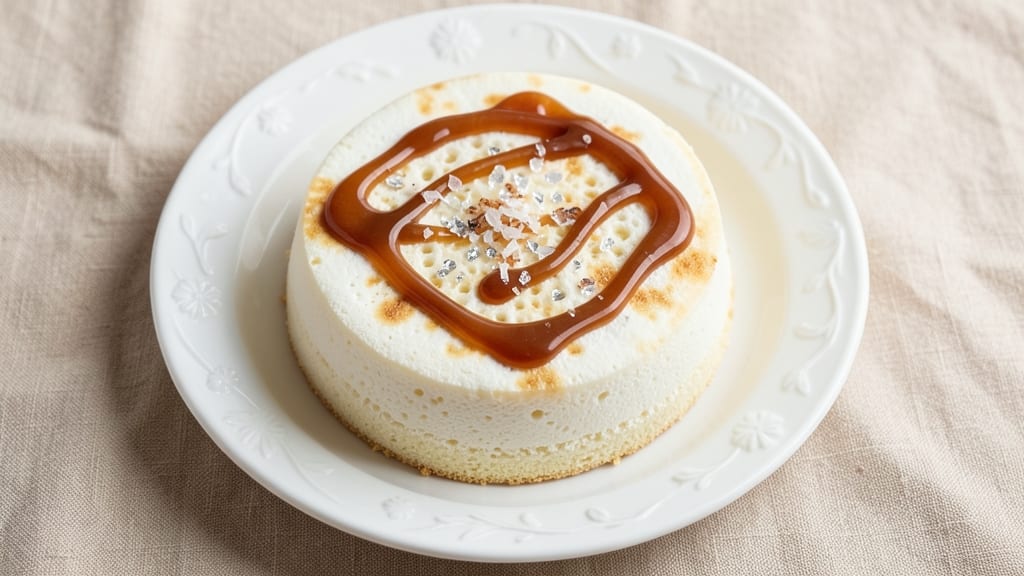
Creating a no-egg sponge cake that rivals classic versions requires precision and the right substitutes—aquafaba or applesauce can deliver that signature lightness without eggs. This recipe transforms simple pantry staples into layers so tender they crumble like clouds, proving plant-based baking can be just as impressive.
The secret lies in proper folding and baking technique, which we’ll cover step by step to ensure foolproof results every time.
Most no-egg sponge cakes rely on either aquafaba (chickpea brine) or applesauce to mimic eggs’ structure, but the difference lies in the method. Here, we’ll use aquafaba for its ability to whip into stable peaks, creating air pockets that give the cake its signature lift.
Baking at the right temperature—350°F—and avoiding overmixing ensures delicate layers that stay moist without turning dense.
What you’ll end up with is a cake that’s light-as-air, with crisp edges and a velvety crumb that holds its shape without collapsing. The texture is so refined that even those who don’t follow a vegetarian diet won’t notice the difference.
This recipe also includes tips for avoiding common pitfalls, like overbaking or uneven layers, so your first attempt will look like you’ve been baking for years.
Perfect for birthdays, afternoon tea, or simply indulging in a slice of guilt-free dessert, this cake pairs beautifully with fresh berries or a dusting of powdered sugar. Let’s get started on a recipe that proves no-egg baking can be just as elegant—and delicious—as the original.
Ingredients for no egg sponge cake
Twelve ingredients transform ordinary pantry staples into a no-egg sponge cake that rivals classic versions.
| Ingredient | Amount | Notes |
|---|---|---|
| Aquafaba (Chickpea Brine) 🌱 | 1 cup | Freshly strained from canned chickpeas |
| Granulated Sugar 🍚 | 1 ½ cups | Superfine preferred for smooth texture |
| All-Purpose Flour 🌾 | 1 ½ cups | Sifted, light and airy |
| Unsalted Butter 🧈 | ½ cup | Cold, cubed for creaming |
| Vanilla Extract 🌿 | 1 tbsp | Pure Madagascar bourbon preferred |
| Baking Powder 🍞 | 1 tsp | Aluminum-free for stability |
| Salt 🧂 | ¼ tsp | Diamond Crystal preferred |
| Lemon Zest 🍋 | 1 tbsp | Freshly grated, fine |
| Powdered Sugar 🍚 | ½ cup | For dusting, sifted |
| Fresh Berries 🍓 | 2 cups | Raspberries or strawberries, optional |
| Almond Extract 🌿 | ¼ tsp | Pure, for subtle flavor |
| Cornstarch 🌾 | 1 tbsp | For tenderizing flour blend |
The aquafaba is the unsung hero here—freshly strained from canned chickpeas yields the best results. Trader Joe’s and Whole Foods carry high-quality chickpeas, but any canned variety works if drained well. The sugar must be superfine for a silky crumb; Bob’s Red Mill sells it pre-ground, or pulse granulated sugar in a food processor. Butter should be cold and cubed—Plugrá brand holds its shape perfectly. Vanilla extract matters: Madagascar bourbon adds depth that imitation can’t replicate. For the flour blend, King Arthur all-purpose flour is ideal, but any high-protein variety works. Sift all dry ingredients together to eliminate lumps—this prevents dense layers.
No aquafaba? Applesauce at 1:1 ratio works but yields a denser texture, or flaxseed meal mixed with water (1 tbsp flax + 3 tbsp water per egg). Superfine sugar unavailable? Pulse granulated sugar in a food processor for 30 seconds. Short on vanilla? Almond extract at half the amount mimics its warmth. The lemon zest can be swapped for orange zest for a brighter note. For a gluten-free version, replace the all-purpose flour with a 1:1 gluten-free blend like Bob’s Red Mill. The cornstarch isn’t optional—it tenderizes the crumb without adding gluten. Pre-sifted flour blends from King Arthur save time but cost more; sifting your own is worth the extra minute.
Store baked layers wrapped in parchment at room temperature for 2 days or in the fridge for 5 days. Assemble the cake within 4 hours of baking to prevent sogginess. For longer storage, freeze layers individually for up to 3 months. Thaw at room temperature before assembling. The powdered sugar dusting should be sifted fresh before serving—Domino brand is ideal for its fine texture. Berries add freshness but can be omitted; a drizzle of chocolate ganache elevates the presentation. This cake reheats beautifully: wrap slices in foil and warm at 300°F for 5 minutes to restore its tender crumb.
Why You'll Love This Recipe
- No Egg Needed: I’ll admit—when I first saw aquafaba as an egg substitute, I raised an eyebrow. But that chickpea brine? It whips up fluffy and holds its shape like magic. No whisking arms for 10 minutes, no separating yolks, just a quick blend and you’re golden.
- Butter-Kissed Magic: That rich, melted butter folded into the batter? It’s the secret weapon. The cake has this delicate crumb but a subtle richness that makes it taste like a bakery treat—not some sad, dry sponge. (Honestly, my vegan friends keep asking for this one.)
- Pantry-Friendly Flex: I’ve used this for breakfast with jam, dessert with whipped cream, or even as a base for a quick trifle. The neutral flavor means it plays well with anything—no weird aftertastes ruining your fancy toppings. Leftovers? They stay moist for days, sliced thin for toast or crumbled into coffee.
- Budget Win: Flour, sugar, butter—these are staples I already have. Aquafaba? I save the brine from canned chickpeas anyway. No extra grocery runs, no fancy ingredients, just a cake that costs pennies but tastes like it belongs on a café menu. (Yes, even on a Tuesday night.)
Step-by-step instructions for no-egg sponge cake
Master this method and you'll achieve a delicate, airy sponge with no eggs—just precise technique and aquafaba.
Whip Aquafaba to Stiff Peaks
In a clean, grease-free metal bowl, combine the 1 cup aquafaba (chickpea brine). Using a stand mixer fitted with the whisk attachment, beat on high speed for 10-12 minutes until stiff, glossy peaks form. You'll know it's ready when you lift the whisk and the meringue holds its shape for 10 seconds without collapsing.
Here's the thing—don't rush this step. The aquafaba needs to incorporate enough air to mimic egg whites' structure. If you see any liquid pooling at the bottom, continue whipping. I've found that using a superfine granulated sugar (like the 1.5 cups specified) helps stabilize the meringue, so add 1 tablespoon of it now and whip for another 2 minutes to incorporate fully.
Cream Butter and Sugar
In a separate large bowl, combine the 0.5 cup unsalted butter (cold, cubed) and 1.5 cups granulated sugar. Using a hand mixer or stand mixer with the paddle attachment, beat on medium-high speed for 3-4 minutes until the mixture is light, fluffy, and pale in color. This creaming process is critical—it aerates the butter and sugar, creating a stable base for folding.
Scrape down the sides of the bowl with a spatula to ensure even mixing. The butter should be fully incorporated with no visible lumps. If you press your finger into the mixture, it should spring back slowly—this indicates proper aeration. Add the 1 tbsp vanilla extract and 1 tbsp lemon zest now, mixing just until combined.
Combine Dry Ingredients
In a medium bowl, sift together the 1.5 cups all-purpose flour, 1 tbsp cornstarch, 1 tsp baking powder, and 0.25 tsp salt. Whisk gently to break up any lumps. The cornstarch acts as a tenderizer, preventing the cake from becoming dense. Add the 0.25 tsp almond extract to the dry mixture and whisk again to distribute evenly.
This is where precision matters. Measure your ingredients carefully—too much flour will make the cake dense, while too little can result in a crumbly texture. I like to use a kitchen scale for accuracy, but if you're measuring by volume, spoon the flour into the measuring cup and level it off with a knife for consistency.
Fold Ingredients Gently
With a rubber spatula, gently fold one-third of the dry ingredients into the butter mixture in 3 additions, mixing just until combined after each addition. This technique ensures you don't deflate the air incorporated in the butter. Next, add half of the aquafaba meringue and fold gently until no white streaks remain.
Now fold in the remaining dry ingredients, followed by the remaining aquafaba meringue. Work quickly but deliberately—you want to maintain as much air as possible. The batter should be thick but pourable. If it looks too stiff, don't overmix; trust that the folding process will incorporate enough air. This is the moment that matters: the cake's lightness depends entirely on this step.
Bake and Finish
Preheat your oven to 350°F and grease two 8-inch round cake pans with butter or line them with parchment paper. Divide the batter evenly between the pans and smooth the tops with a spatula. Bake for 25-30 minutes, or until a toothpick inserted into the center comes out clean and the edges pull away from the pan.
Real talk: your oven might run hot, so start checking at the 20-minute mark. The cake should spring back when pressed gently in the center. Once baked, transfer the cakes to a wire rack and let them cool for 10 minutes before removing them from the pans. Dust the tops with the 0.5 cup powdered sugar while still warm for a delicate finish.
Assemble with Fresh Berries
Place one cake layer on a serving plate and spread a thin layer of 2 cups fresh berries (mashed slightly with a fork) over the top. Repeat with the second layer, pressing gently. The berries add moisture and a vibrant contrast to the pale sponge. For extra stability, you can pipe a thin layer of whipped cream between the layers if desired, though it's not necessary.
Serve immediately or chill for up to 4 hours before serving. The cake's texture is best enjoyed fresh, with its delicate crumb and subtle citrus-almond notes. Pair with a dusting of powdered sugar and additional berries on the side for a restaurant-quality finish.
Pro Tips For Making No Egg Sponge Cake
- Whip Aquafaba Cold: Use a chilled mixing bowl and whisk attachments if your kitchen runs hot—aquafaba needs to stay cool to stiffen properly. I learned this the hard way after a batch turned into sad, flat pancake batter instead of fluffy peaks.
- Sift Flour Twice: Sift the flour before measuring and again after mixing—this prevents lumps that sink like rocks in your batter. Yes, it’s extra work, but your cake’s texture will thank you (and you’ll avoid that dense, brick-like center).
- Butter the Pan Last: Grease the pan after folding in the flour—warm butter melts faster and creates a better barrier for easy release. Pro move: Use a pastry brush for an even coat, then dust with flour before adding batter.
- Bake Until Cool: Pull the cake when the center just springs back (not jiggly) and the internal temp hits 205°F—it’ll keep rising as it cools. I used to overbake, then cut into a dry, sad sponge; now I wait 10 minutes before testing.
Flavor customization for this recipe
Citrus Variations
Swap the lemon zest for orange zest (about 1 tbsp) to create a bright, tropical twist. Add ½ tsp orange extract alongside the almond extract for a deeper citrus flavor.
For a zesty kick, combine ½ tbsp lemon zest and ½ tbsp lime zest—this works especially well with berries like raspberries or blackberries. 🍊
Spiced Chai Twist
Infuse warmth by adding ½ tsp ground cardamom and ¼ tsp ground cinnamon to the dry ingredients. Replace the vanilla extract with 1 tsp vanilla bean paste for extra depth, and top the finished cake with a sprinkle of powdered sugar mixed with ¼ tsp cinnamon.
Serve with a cup of chai tea for a cozy dessert experience.
Coffee-Inspired Depth
For a mocha-inspired cake, dissolve 1 tbsp instant espresso powder into 1 tbsp hot water and mix it into the butter-sugar mixture. Add ½ tsp cocoa powder to the dry ingredients and top with a dusting of powdered sugar and a few chocolate shavings.
Pair with a shot of espresso or a glass of cold milk for contrast.
Floral Infusions
Brighten the cake with 1 tsp rose water (available at Middle Eastern markets or online) mixed into the vanilla extract. For a lavender twist, add ½ tsp culinary lavender buds (steeped in 2 tbsp warm milk for 10 minutes, then strained) to the butter mixture.
Garnish with fresh edible flowers like violets or pansies for an elegant touch.
Nutty Enhancements
Fold ¼ cup finely chopped toasted almonds or walnuts into the batter before baking for added texture. For a marzipan-inspired flavor, add 2 tbsp almond paste (like Wilton brand) to the butter mixture. Top with a sprinkle of crushed nuts and a drizzle of honey for a sophisticated finish.
Chocolate Lovers' Adaptation
Replace ½ cup of the granulated sugar with ½ cup cocoa powder (like Hershey’s Special Dark) in the dry ingredients. Add 1 oz melted dark chocolate (about 2 squares) to the butter mixture for a rich, fudgy twist.
Dust with powdered sugar and top with chocolate-covered strawberries for a decadent dessert.
Nutrition facts
Frequently asked questions
Why does this sponge cake need aquafaba instead of eggs?
Aquafaba mimics eggs' structure by whipping up to stiff peaks, creating air pockets that give the cake its signature lightness. Unlike eggs, it's vegan-friendly and adds no cholesterol while maintaining the same lift. The recipe uses 1 cup of aquafaba to replace 2 large eggs—just ensure it's freshly strained from canned chickpeas for best results.
Can I make this cake without aquafaba?
Yes! Use 1 cup unsweetened applesauce as a 1:1 substitute, but expect a slightly denser texture. For a closer match, try 1 tbsp ground flaxseed + 3 tbsp water per egg (mix and let sit for 5 minutes to thicken). The cake will still be delicious, though the crumb may differ slightly. Always sift dry ingredients to compensate for texture changes.
How do I prevent the cake from sinking in the middle?
Overbaking is the #1 cause! Remove the cake from the oven when a toothpick comes out clean (usually 25-30 minutes at 350°F). Let it cool in the pan for 10 minutes before transferring to a rack. Avoid opening the oven door early—temperature fluctuations can cause collapse. For extra stability, chill the layers for 1 hour before assembling.
Is this recipe gluten-free?
Not natively, but you can adapt it! Replace the 1.5 cups all-purpose flour with a 1:1 gluten-free blend (like Bob’s Red Mill) and add 1 extra tbsp cornstarch to improve texture. Test your blend first—some require xanthan gum. The cake may bake slightly faster, so check at 22 minutes instead of 25. Always use separate pans to avoid cross-contamination.
Can I bake this in a single layer instead of two?
Use a 9-inch round pan or 9x13-inch baking dish and reduce baking time by 5-7 minutes. For a sheet cake, spread the batter evenly and bake until the center springs back when pressed. Single layers work well for trifles or individual servings—just adjust portion sizes accordingly. The texture remains the same, just scaled up!