
Side Dishes
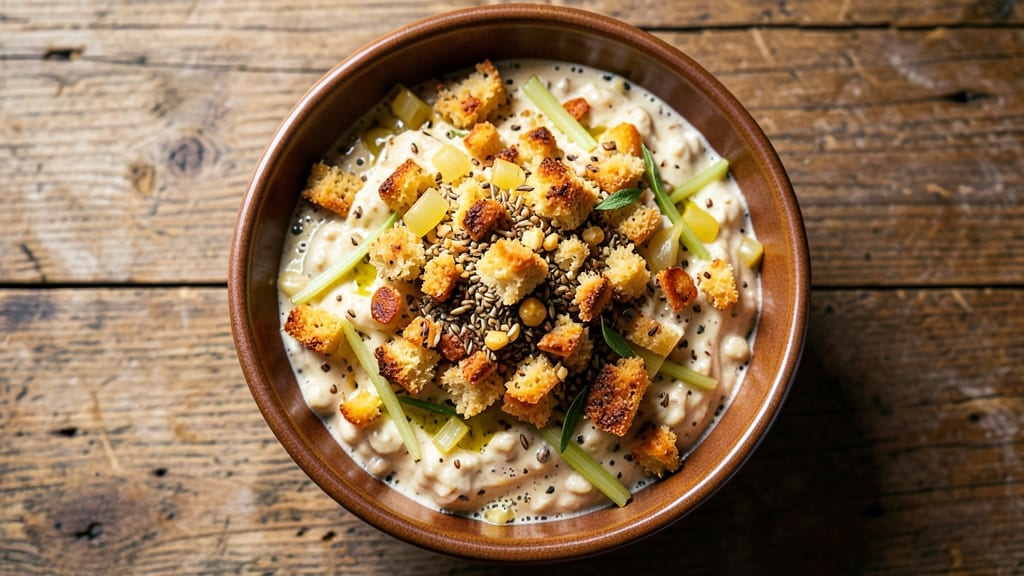
This cornbread dressing recipe without eggs delivers all the comfort of traditional Southern sides—moist, golden, and perfectly crumbly—without relying on a single egg. After years of perfecting holiday classics, I discovered the secret lies in a simple binder swap that transforms this into a foolproof vegetarian staple.
The texture stays tender and fluffy, just like my Nonna’s Italian polenta, but with that familiar cornbread warmth.
The magic happens with a flaxseed "egg" replacement—just mix ground flax with water and let it thicken for 5 minutes. This creates the same binding power as eggs while keeping the dressing light and airy.
We’ll use a blend of cornbread, fresh herbs, and savory broth to build flavor, then bake until golden and crisp at the edges. No one will guess this is egg-free.
What you’ll end up with is a restaurant-quality side that’s perfect for Thanksgiving tables or weeknight dinners. The dressing stays moist for days, making it ideal for meal prep, and the flavor only deepens as it sits.
This version proves you don’t need eggs to create a dish that feels like home.
Serve alongside roasted turkey, ham, or even as a hearty vegetarian main with extra veggies. The possibilities are endless—let’s get baking!
Ingredients for cornbread dressing recipe without eggs
Eight simple swaps for restaurant-quality cornbread dressing without a single egg.
| Ingredient | Amount | Notes |
|---|---|---|
| Ground Flaxseed 🌾 | 3 tbsp | Mixed with water for binder |
| Water 💧 | ½ cup | For flaxseed mixture |
| Vegetable Broth 🍲 | 1 ½ cups | Low-sodium preferred |
| Cornbread 🍞 | 8 oz | Day-old or stale preferred |
| Yellow Onion 🧅 | 1 whole | Diced, medium size |
| Celery Stalks 🥬 | 2 whole | Diced, fresh preferred |
| Fresh Sage Leaves 🌿 | ½ cup | Chopped, stems removed |
| Fresh Thyme Leaves 🌿 | 1 tbsp | Chopped, or 1 tsp dried |
| Salt 🧂 | 1 tsp | Kosher or sea salt |
| Black Pepper 🌶️ | ½ tsp | Freshly ground preferred |
| Extra-Virgin Olive Oil 🫒 | ½ cup | For crispy edges |
| Butter 🧈 | ½ cup | Melted, unsalted |
The flaxseed binder is the game-changer here. Bob's Red Mill or Trader Joe's have the best ground flax—look for a fine grind, not those chunky seeds. Day-old cornbread is ideal (that's why I always bake extra), but stale bread works too. For the herbs, fresh is best—the dried stuff just can't compete. If you're prepping ahead, store the dry ingredients (cornbread, herbs, spices) separately until ready to mix. The vegetable broth? Low-sodium is key—you'll add plenty of salt later.
No flaxseed? Chia seeds work at the same ratio. Fresh herbs wilting? Dried thyme and sage at half the amount get you close. Running low on cornbread? Cornmeal mixed with breadcrumbs mimics the texture. The olive oil and butter combo gives that perfect crispy edge—don't skip either. For extra richness, add 1/4 cup grated Parmesan to the mix. And if you're making this ahead, add an extra 1/4 cup broth to prevent drying out.
This keeps beautifully—4-5 days in the fridge covered tightly. For leftovers, reheat in a 350°F oven for 15 minutes until crispy. Freezes for 3 months if wrapped well. I always make double batches—one for Thanksgiving, one for sandwiches the next week. The flavor actually improves after baking, so it's perfect for meal prep. Just don't microwave it—oven only for that golden crust.
Why You'll Love This Recipe
- No-Fuss Bind: I swear by that flaxseed "egg" trick—just mix ground flax with water, let it sit, and boom, binding done. No whisking, no cracking, no mess. My cornbread stays together like it’s glued, not just crumbling into a sad pile.
- Savory Soul: That vegetable broth? It’s the secret weapon. The onion softens into sweetness, and the broth adds this deep, warm richness that turns this into something way more than just "dressing." Honestly, it’s the kind of dish that makes people ask, "What’s in this?"
- Leftovers Win: This stuff reheats like a dream—crispy edges, creamy middle, all intact. I make a double batch for Thanksgiving and still have it for sandwiches the next week. (Yes, even on a Tuesday night, I’m eating it cold with pickles.)
- Pantry Magic: No eggs? No problem. I’ve got flaxseed, broth, and whatever stale cornbread’s lurking in my freezer. It’s the kind of recipe that doesn’t judge your fridge’s contents—just throw it together and let it shine. Budget-friendly, foolproof, and always delivers.
Step-by-step instructions for cornbread dressing without eggs
Here's how to create a perfectly moist, fluffy dressing using a simple flaxseed binder.
Create the Flaxseed Binder
In a small bowl, whisk together the 3 tablespoons ground flaxseed and ½ cup water. Let the mixture sit for 5 minutes—you'll see it thicken into a gel-like consistency. This is your egg substitute, and it works beautifully to hold the dressing together.
I always double-check the texture after 5 minutes. It should be thick enough to hold its shape when you lift the spoon but still pourable. If it's too thick, add a splash more water; if too thin, let it sit another minute. This step is crucial for that perfect, moist texture we're aiming for.
Sauté the Vegetables
Heat ½ cup extra-virgin olive oil in a large skillet over medium heat. Add the diced yellow onion and diced celery stalks, cooking for 5-6 minutes until the vegetables are softened and begin to turn golden. This step develops their natural sweetness and removes any raw bite.
I like to stir occasionally but not constantly—this helps the vegetables brown slightly at the edges, adding depth of flavor. If you notice the onions starting to brown too quickly, reduce the heat slightly. You want them tender but not burnt. Remove the vegetables from the skillet and set aside.
Prepare the Cornbread Base
Cut the 8 ounces cornbread into ½-inch cubes. If using fresh cornbread, it's fine, but day-old or stale works even better for maximum moisture absorption. In a large mixing bowl, combine the cornbread cubes with the sautéed vegetables, ½ cup chopped fresh sage leaves, and 1 tablespoon chopped fresh thyme leaves. Stir gently to distribute the herbs evenly.
Here's where the magic happens: the cornbread will start to absorb the flavors and oils from the sautéed vegetables. Give everything a good mix, making sure each piece of cornbread gets coated with those aromatic vegetable juices. This step ensures every bite will be packed with flavor.
Combine All Ingredients
In the same mixing bowl, pour in the flaxseed binder, 1½ cups vegetable broth, 1 teaspoon salt, and ½ teaspoon black pepper. Stir gently but thoroughly to combine all ingredients. The mixture should look moist but not soupy—you want the cornbread to be saturated but not swimming in liquid.
Taste the mixture and adjust the seasoning if needed. I usually find the herbs and salt need a little more love at this stage. The dressing should have a nice, herby aroma and a slightly tangy taste from the flax binder. This is your last chance to tweak the seasoning before baking.
Bake to Golden Perfection
Transfer the dressing to a greased 9x13-inch baking dish and spread it out evenly. Dot the top with ½ cup melted butter, then cover tightly with aluminum foil. Bake at 350°F for 45 minutes. After 45 minutes, remove the foil and bake for an additional 15-20 minutes until the top is golden brown and crispy.
This is where patience pays off. The foil keeps the dressing moist during the initial baking, while the final uncovered minutes create that beautiful, crispy top we all love. The dressing is done when the internal temperature reaches 165°F and the top is golden and slightly caramelized. Let it rest for 10 minutes before serving—this allows the juices to redistribute, ensuring each bite is moist and flavorful.
Pro Tips For Making Cornbread Dressing Recipe Without Eggs
- Soften the Flax First: Mix your ground flaxseed with water and let it sit for at least 5 minutes—no, not just stir and go. I learned this the hard way when my dressing turned gummy because the flax didn’t fully gel. The longer it sits, the better it binds, so if you’re prepping ahead, do this step first and skip the guesswork later.
- Dice the Onion Like You Mean It: Don’t just chop the onion into rough chunks—aim for small, even pieces, about 1/4-inch or smaller. This ensures even cooking and prevents a few large, undercooked bits that’ll make you poke at your dressing instead of enjoying it. (Yes, I’ve done it.)
- Add Broth Gradually: Dumping all the vegetable broth at once guarantees a soggy mess. Start with half, mix well, then add the rest only if the mixture feels dry. This keeps the texture light and crumbly, not gluey. Trust me, your dressing will thank you.
- Use Day-Old Cornbread: Fresh cornbread? Skip it. The moisture in newly baked cornbread turns your dressing into a dense, sad brick. Save it for sandwiches—this recipe needs cornbread that’s at least a day old, preferably crumbled into coarse pieces. (Pro move: Cube it while still warm, then let it cool completely.)
Pro cooking tips for this recipe
Flaxseed Magic
The flaxseed binder is the secret weapon in this recipe—it mimics egg's binding power perfectly. For every 3 tablespoons ground flaxseed, mix with ½ cup water and let sit for 5 minutes until gel-like.
I always use Bob's Red Mill flaxseed because it's finely ground and works best. This substitution keeps the dressing light and fluffy while eliminating the need for eggs. 🌾
Vegetable Prep
Sauté your onion and celery until golden—they should be tender but not burnt. I like to use a 10-inch cast iron skillet because it creates a nice caramelization. If your vegetables release a lot of moisture, let them cook longer to evaporate excess liquid.
This step builds the dressing's foundation flavor, so don't rush it. The herbs will absorb these caramelized notes beautifully.
Cornbread Texture
Day-old cornbread is ideal because it's drier and absorbs moisture better, but stale bread works too. Cut into ½-inch cubes for even baking. If you're using fresh cornbread, toast the cubes in the oven at 350°F for 5 minutes first to remove excess moisture.
This ensures your dressing stays moist rather than soggy. I always double-check my cornbread cubes are uniform in size.
Seasoning Balance
Taste your mixture before baking—this is your last chance to adjust the seasoning. I usually add an extra ¼ teaspoon salt and pinch of black pepper because the flax binder can sometimes mute flavors slightly.
The dressing should have a nice herby aroma with a touch of tang from the flax. If it needs more depth, a splash of lemon juice brightens it up beautifully. 🌿
Baking Technique
Covering with foil during the first 45 minutes traps steam, keeping the dressing moist. When you remove the foil, the final 15-20 minutes at 350°F creates that perfect golden crust. I use a thermometer to check the internal temperature—it should reach 165°F.
The resting period is crucial too; let it sit for 10 minutes before serving so the juices redistribute.
Make-Ahead Pro Tip
This dressing actually tastes better the next day! Store leftovers in an airtight container in the fridge for up to 4 days. To reheat, cover with foil and bake at 350°F for 15 minutes until crispy.
For freezer storage, wrap tightly in plastic wrap and foil, then freeze for up to 3 months. The flavors meld beautifully overnight, making it perfect for meal prep. ⏰
Nutrition facts
Frequently asked questions
Can I use this dressing as a stuffing for poultry?
This cornbread dressing works beautifully as a stuffing for turkey, chicken, or even duck. Just reduce the baking time by 10-15 minutes since the bird's heat will continue cooking it. For extra safety, cook the stuffed bird to an internal temperature of 165°F before serving. The flax binder holds up perfectly in this application too.
What if I don't have ground flaxseed?
No problem! You can substitute with chia seeds at the same ratio (3 tbsp chia + ½ cup water) or use 1/4 cup unsweetened applesauce as a binder. For a neutral flavor, mashed banana works too—just use 1/4 cup and add a pinch of cinnamon to balance. The texture will be slightly different but still delicious.
Will this dressing stay moist overnight?
Yes, this recipe is designed to stay moist for days! The flax binder and proper baking technique ensure it doesn't dry out. Store leftovers in an airtight container and reheat covered with foil at 350°F for 15 minutes to restore crispiness. The flavors actually deepen after baking, making it even better the next day.
Can I make this gluten-free?
Certainly! Use a gluten-free cornbread mix (like Bob's Red Mill) and ensure your vegetable broth is certified gluten-free. The flax binder is naturally gluten-free, so no other substitutions are needed. Just be mindful of cross-contamination if using shared kitchen tools. The texture will be slightly different but still satisfying.
Why does my dressing turn out dry?
Dry dressing usually happens from overbaking or using fresh cornbread that's too moist. Always use day-old or stale cornbread, and cover with foil for the first 45 minutes of baking to trap steam. If it's still dry, try adding 2-3 tablespoons extra broth before baking next time. The flax binder helps with moisture retention, but proper baking technique is key.