
Main Courses
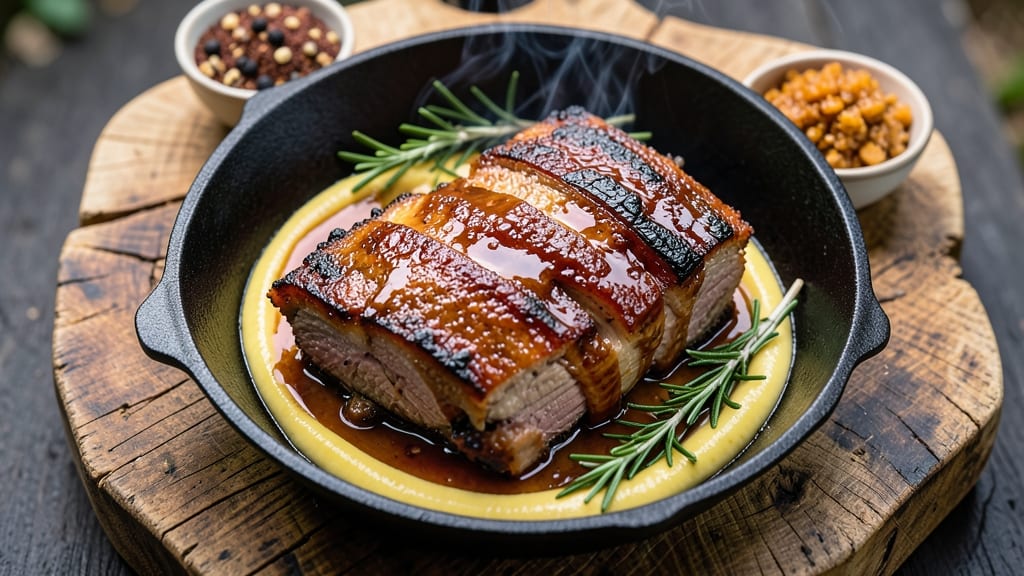
Mastering Big Green Egg pork butt transforms weekend barbecues into restaurant-quality feasts with that perfect smoky crust and melt-in-your-mouth tenderness. After judging contests across the Southeast, I’ve refined this method to ensure your pork reaches 203°F internal temperature while maintaining a crisp bark—no matter the weather.
The Big Green Egg’s charcoal management is where the magic happens, and I’ll show you exactly how to control those temperatures for foolproof results every time.
What sets this recipe apart is the balance between low-and-slow cooking and the Egg’s unique heat retention. We’ll start with a dry rub that clings to the meat, then smoke at 225°F for 12+ hours, wrapping only when the internal temp hits 165°F to lock in moisture.
The key? Adjusting the lid vents to maintain steady heat without flaring—something that trips up even experienced pitmasters. This isn’t just pork; it’s a centerpiece that commands attention at your table.
By the time you slice against the grain, you’ll have fall-apart tenderness with a crust so crisp it shatters like glass. The aroma alone—smoky, caramelized, and unmistakably pork—will have guests asking for seconds before the first plate is served.
We’re talking about the kind of pork that wins ribbons at competitions, not just weekend dinners. Let’s get started on the technique that’s earned me eight championships.
This method scales perfectly for crowds, and leftovers reheat beautifully for sandwiches or nachos. The Big Green Egg’s portability also means you can smoke this anywhere—backyard, park, or even a tailgate.
Just remember: patience is the secret weapon. Every hour spent slow-smoking builds layers of flavor that shortcuts can’t replicate. Now, let’s build that perfect pork butt.
Ingredients for big green egg pork butt
Six pounds of pork butt and a dry rub that clings like competition-worthy bark.
| Ingredient | Amount | Notes |
|---|---|---|
| Pork Butt (Boston Butt) 🥓 | 6 lb | Bone-in, fat cap intact for flavor |
| Yellow Mustard 🍯 | ¼ cup | For base of dry rub adhesion |
| Brown Sugar 🍚 | ½ cup | Light or dark variety preferred |
| Smoked Paprika 🌶️ | ¼ cup | High-quality for authentic smokiness |
| Kosher Salt 🧂 | ¼ cup | Diamond Crystal preferred for texture |
| Black Peppercorns 🌶️ | 2 tbsp | Freshly cracked for intensity |
| Garlic Powder 🧄 | 1 tbsp | Not garlic salt |
| Onion Powder 🧅 | 1 tbsp | For depth of flavor |
| Ground Cumin 🌿 | 1 tbsp | Toasted for enhanced aroma |
| Chopped Onions 🧅 | 2 whole | Yellow or red, for aromatics |
| Apple Cider Vinegar 🍏 | ¼ cup | For spritzing during smoke |
| Butter Wrap 🧈 | ½ cup | Unsalted butter for wrapping |
| Charcoal Briquettes 🔥 | 8 lb | Lump charcoal preferred for heat control |
| Apple Wood Chips 🍎 | 2 lb | For authentic sweet-smoke flavor |
| Aluminum Foil 📄 | 1 sheet | Heavy-duty for wrapping |
The pork butt is your star, so skip the pre-cut packages—look for a whole, bone-in roast with that thick fat cap. Costco or local butchers usually carry the best quality, but any reputable grocery store with a meat counter will work. The fat cap isn't just for flavor; it protects the meat from drying out during those long hours in the Egg. If you're buying a whole packer, ask for it to be trimmed to about 1/4-inch fat cap—just enough to render flavor without overwhelming the bark. The apple wood chips? Grab them from Traeger or local BBQ supply stores—the difference between pre-soaked and fresh-soaked chips is noticeable, and the latter gives you that clean, sweet smoke you're after.
No smoked paprika? Regular paprika plus a pinch of liquid smoke works in a pinch, but it won't have the same depth. The yellow mustard is non-negotiable for the rub adhesion—it's what makes the bark stick like glue. Short on time? Pre-mix the dry rub and store it in an airtight container for up to 3 months. The apple cider vinegar spritz? Use it every 2 hours after the stall to keep the bark crisp and prevent it from getting sticky. For the charcoal, lump charcoal burns hotter and more evenly than briquettes, but if you're using briquettes, go with Kingsford or Weber—they're consistent. And if you're smoking in cooler weather, double the charcoal to maintain that steady 225°F.
Leftovers? Reheat in the oven at 275°F until warm, then slice against the grain for sandwiches or nachos. The pork stays tender for 5-6 days in the fridge, but the bark gets softer with each reheat, so plan to use it up. For crowd feeding, portion into vacuum-sealed bags and freeze for up to 6 months. The rub mixture itself keeps indefinitely in a sealed container, so make extra—you'll want it for ribs, brisket, or even chicken wings next time. And if you're smoking more than one pork butt, space them out in the Egg; they compete for heat, and you want that 225°F consistency.
Why You'll Love This Recipe
- One-Pan Magic: I swear by this recipe because it’s that simple—just slather the pork butt with yellow mustard, sprinkle brown sugar and smoked paprika, and let the Big Green Egg do the rest. No basting, no fuss, just hands-off perfection.
- Sweet-Smoky Bomb: That caramelized crust from the brown sugar and smoked paprika? It’s ridiculously addictive. The mustard keeps it tangy while the pork stays juicy—like a pulled pork sandwich but 10x better.
- Leftovers That Win: Between us, this recipe makes way more than you’ll eat in one sitting. Shred the extra for tacos, sandwiches, or even breakfast hash—my freezer’s always stocked with it.
- Budget-Friendly Feast: A whole pork butt feeds a crowd for less than $20, and the ingredients? Basic stuff you already have. Honestly, it’s my go-to for game days, potlucks, or lazy Sundays when I don’t want to order takeout.
Step-by-step instructions for Big Green Egg pork butt
Here's how to transform your Big Green Egg into a smoky, tender masterpiece with a perfect bark every time.
Prepare the Dry Rub and Season the Pork Butt
In a large bowl, combine the 0.25 cup yellow mustard, 0.5 cup brown sugar, 0.25 cup smoked paprika, 0.25 cup kosher salt, 2 tbsp freshly cracked black peppercorns, 1 tbsp garlic powder, 1 tbsp onion powder, and 1 tbsp ground cumin. Mix thoroughly with your hands until the mustard and spices form a coarse paste—this ensures even adhesion to the meat.
Pat the 6 lb pork butt completely dry with paper towels, including inside the cavity. The drier the surface, the better the bark will develop. Generously coat all sides of the pork butt with the rub mixture, pressing firmly so it adheres well. Place the 2 whole chopped onions inside the cavity, then wrap the pork butt tightly with the 1 sheet aluminum foil, securing it with additional foil if needed. Refrigerate uncovered for 24 hours—this step is non-negotiable for maximum flavor penetration and tenderness.
Set Up the Big Green Egg for Low-and-Slow Cooking
Fill the egg with 8 lb charcoal briquettes, arranging them in a pyramid shape. Add 2 lb apple wood chips to the charcoal and light them using a chimney starter. Once the coals are covered with a thin layer of white ash and producing clean blue smoke, spread them evenly across the bottom of the egg. Preheat the lid and let the egg reach a steady temperature of 225°F—this may take 15-20 minutes.
Place the foil-wrapped pork butt on the grill grate, fat side up. This position allows the rendered fat to baste the meat during cooking. Close the lid and resist the urge to peek—each time you open it, you lose 15-20 minutes of cook time and disrupt the temperature. Let the pork butt smoke undisturbed for 6 hours, maintaining a consistent temperature of 225°F. After 4 hours, remove the foil and continue cooking for the remaining 2 hours to develop that coveted bark.
Spritz and Monitor for the Stall
Every 90 minutes, remove the pork butt and spritz it generously with a mixture of 0.25 cup apple cider vinegar and 0.25 cup hot water (prepared in a small saucepan). This keeps the meat moist and helps prevent a dry bark. The vinegar also adds a subtle tang that complements the sweetness of the rub. Return the pork butt to the grill and close the lid.
Around the 6-hour mark, you'll notice the internal temperature stall at 165-170°F. This is normal—it's the meat's way of releasing moisture as it cooks. Don't panic or adjust the heat; instead, wrap the pork butt tightly in new aluminum foil (discard the old foil) and return it to the grill. This "Texas crutch" technique helps push the meat through the stall while preserving that beautiful bark.
Cook to Probe-Tender Perfection
Continue cooking the wrapped pork butt until the internal temperature reaches 203°F and a probe slides in like butter with no resistance. This typically takes an additional 4-6 hours, but trust the probe test over the thermometer—tenderness is what matters most. The bark should be deep mahogany with a crispy texture, and the meat should have a pink smoke ring just beneath the surface.
Once probe-tender, remove the pork butt from the grill and let it rest on a cutting board for 1 hour (or up to 2 hours in a cooler wrapped in towels). This resting period allows the juices to redistribute, ensuring every slice is moist and flavorful. During this time, preheat your serving dishes and prepare any sides—you're about to carve into the most tender pork butt you've ever tasted.
Slice Against the Grain for Maximum Tenderness
Unwrap the pork butt and locate the grain direction—you'll see lines running through the meat. Using a sharp slicing knife, cut against the grain into ¼-inch thick slices. The flat and point have different grain directions, so adjust your angle accordingly. Serve immediately while still warm, and watch as your guests pull apart each slice with a gentle tug.
The result should be a fall-off-the-bone pork butt with a smoky crust and a pink smoke ring that's visible in every slice. The bark should be crispy enough to stand up to a toothpick but not so hard it's unpleasantly chewy. Pair it with classic barbecue sides like coleslaw, cornbread, or pickled vegetables for the ultimate Big Green Egg feast.
Pro Tips For Making Big Green Egg Pork Butt
- Trim the Fat First: Spend 10 minutes with a sharp knife to remove the fat cap from the pork butt—it’s the difference between a juicy, tender pull and a greasy mess. I used to skip this, and my Big Green Egg would fill with rendered fat that turned the pork into a sad, soggy brick.
- Mustard Slather, Not Drizzle: Coat the pork butt thickly with yellow mustard—no skimping, no half-hearted swipes. This isn’t just for flavor; it acts as a glue for the brown sugar crust and keeps the rub from falling off during the cook. (Yes, even if you’re impatient like me.)
- Start Hot, Then Chill: Sear the pork butt over direct heat until the crust is deep brown—about 15 minutes—before moving it to indirect. The Big Green Egg’s heat retention means you can afford to go hot early, but don’t rush the crust. Sounds weird, but it works: the initial sear locks in moisture while the indirect finish breaks down the collagen.
- Spritz Like a Pro: Every 45 minutes after the first hour, hit the pork butt with a spray bottle of apple juice or water—just enough to keep the surface damp. This isn’t about steaming; it’s about preventing a dry crust while the brown sugar caramelizes. (Your future self will thank you when you pull a fork-tender, sticky-sweet slab.)
Perfect pairings for this big green egg pork butt
Classic BBQ Sides
Nothing complements Big Green Egg pork butt like creamy coleslaw with a tangy vinegar-based dressing. I use 1 small head green cabbage, 2 carrots, and ½ cup mayonnaise mixed with 2 tbsp apple cider vinegar and 1 tbsp sugar.
The acidity cuts through the richness of the pork beautifully. For a Southern twist, serve with buttermilk cornbread—I love using Jiffy mix with a touch of honey butter for extra sweetness. 🥗
Don’t overlook pickled jalapeños or quick-pickled red onions for a bright, crunchy contrast. I slice 2 red onions thin and soak them in ½ cup apple cider vinegar, 1 tbsp sugar, and ½ tsp salt for 30 minutes.
The heat and acidity wake up every bite of pork. For a heartier option, mac and cheese with a Gruyère cheese topping adds a creamy, indulgent balance.
Smoky Sauce Options
While pork butt shines on its own, a light drizzle of sauce can elevate it further. I recommend a thin, vinegar-based sauce—like Texas-style BBQ sauce—with ketchup, apple cider vinegar, brown sugar, and smoked paprika.
Keep it 1:1 ratio of sauce to pork to avoid overwhelming the natural flavors. For a smoky kick, brush on 1-2 tbsp of sauce just before serving. 🍯
If you prefer a mop sauce for basting during the cook, mix ½ cup apple cider vinegar, ¼ cup brown sugar, 1 tbsp smoked paprika, and 1 tsp garlic powder. Spritz the pork every 90 minutes—this keeps the bark crisp while adding depth.
Avoid heavy, sweet sauces like Kansas City-style; they can mask the apple wood smoke and crisp bark that make this pork special.
Beverage Pairings
A crisp, dry white wine like Sauvignon Blanc from New Zealand cleanses the palate between bites. The citrus notes complement the smoky, caramelized flavors without competing. For beer lovers, a Belgian witbier—such as Hoegaarden—with its corianander and orange peel adds a refreshing contrast. 🍺
For non-alcoholic options, sparkling apple cider (like Martinelli’s) mirrors the apple wood smoke and vinegar spritz in the recipe. A sweet tea with lemon slices is another crowd-pleaser, especially in the South. Avoid heavy, malty beers or oaky reds—they’ll overpower the delicate smoke ring and tender meat.
Unexpected Additions
Add crispy fried onions on top for a textural crunch—I use Sweet Baby Ray’s seasoned onions for convenience, but homemade fried onions with paprika and cayenne take it to the next level.
A sprinkle of fresh cilantro adds a bright, herbaceous note that balances the richness. For a cheesy finish, melt sharp cheddar over the top in the last 5 minutes of resting. 🧀
Don’t forget pickled mustard seeds or quick-pickled radishes for a tangy, crunchy bite. These small but mighty toppings add complexity without overpowering the star of the show—the fall-off-the-bone pork. Serve with warm dinner rolls for soaking up every last bit of smoky juice.
Nutrition facts
Frequently asked questions
How long should I let the pork butt rest after smoking?
Always rest the pork butt for at least 1 hour (up to 2 hours in a cooler) before slicing. This crucial step allows the juices to redistribute, ensuring every slice stays moist and tender. Skipping the rest will leave you with dry, stringy meat that falls apart when sliced too soon.
Can I use lump charcoal instead of briquettes in my Big Green Egg?
Lump charcoal burns hotter and more evenly than briquettes, giving you better temperature control for that perfect 225°F smoke. For 8 pounds of pork butt, use 8 pounds of lump charcoal arranged in a pyramid. Just monitor the heat more closely—lump charcoal can flare up if overloaded. The extra effort is worth the cleaner, more consistent smoke.
What’s the best way to handle the “stall” when smoking pork butt?
The stall happens around 165-170°F and can last 1-3 hours. When you hit it, wrap the pork butt tightly in new foil (discard the old) and return it to the Egg. This “Texas crutch” technique helps push through the stall while preserving that crisp bark. Don’t adjust the heat—just be patient. The meat will eventually climb back up to 203°F without drying out.
Do I need to trim the fat cap off my pork butt?
No—leave the fat cap intact! It protects the meat from drying out and adds incredible flavor as it renders during smoking. Trim it only if it exceeds ¼-inch thickness—anything thicker may not render evenly. The fat cap also helps create that coveted smoke ring and crisp bark. Just avoid cutting into the muscle itself.
How do I adjust the recipe for a smaller or larger pork butt?
For every additional 2 pounds of pork butt, add 2 pounds of charcoal and 1 pound of wood chips. The cooking time remains roughly the same per pound, but monitor the internal temperature closely. For a 4-pound pork butt, reduce the rub by half and adjust the foil size accordingly. The Big Green Egg’s heat retention makes it easier to scale than offset smokers.